Deadly
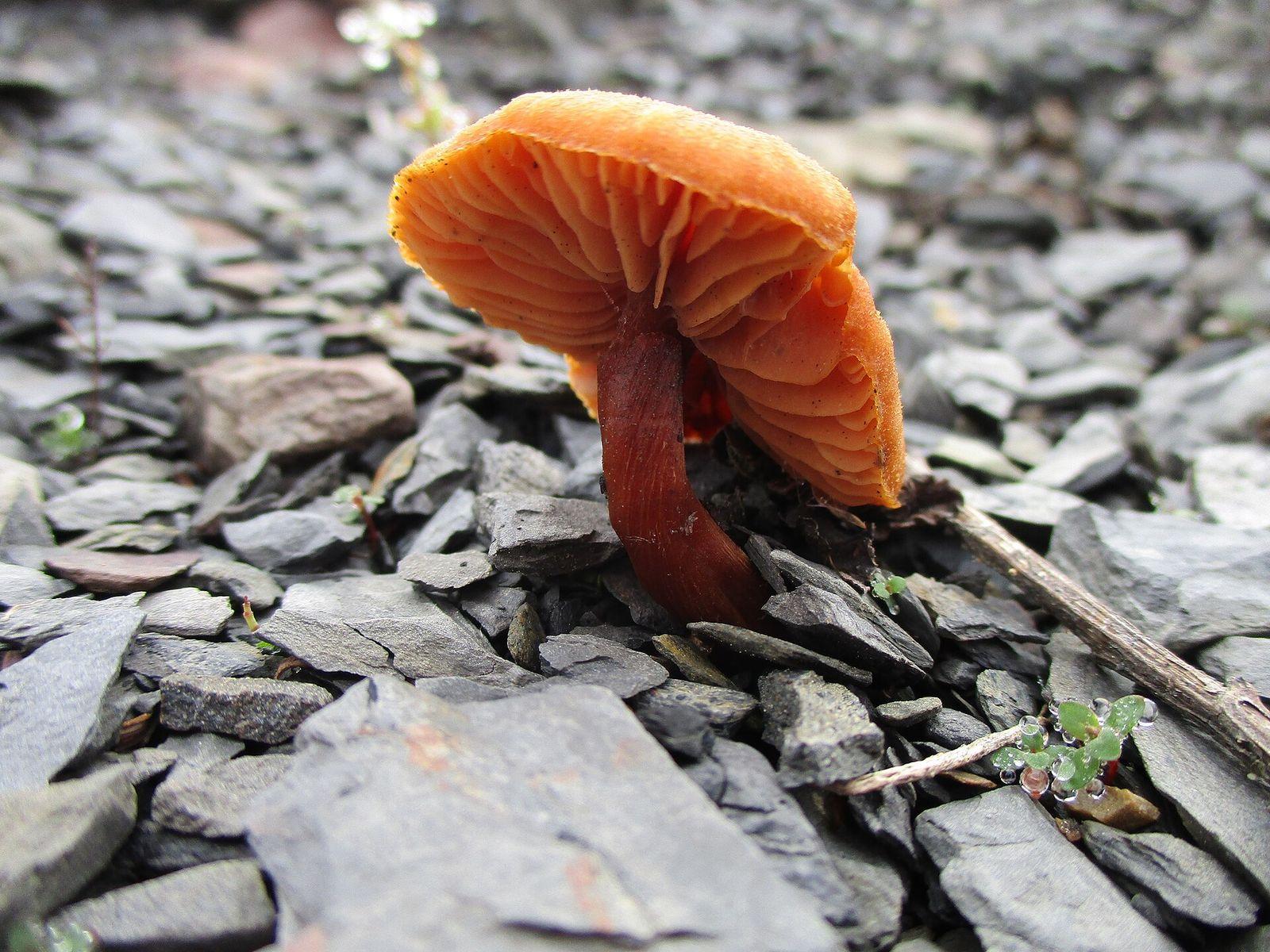
Deadly Galerina
Galerina marginata
A small brown mushroom on wood, but it gives no latex when cut, usually has a ring or ring zone, and leaves a rusty-brown spore print.
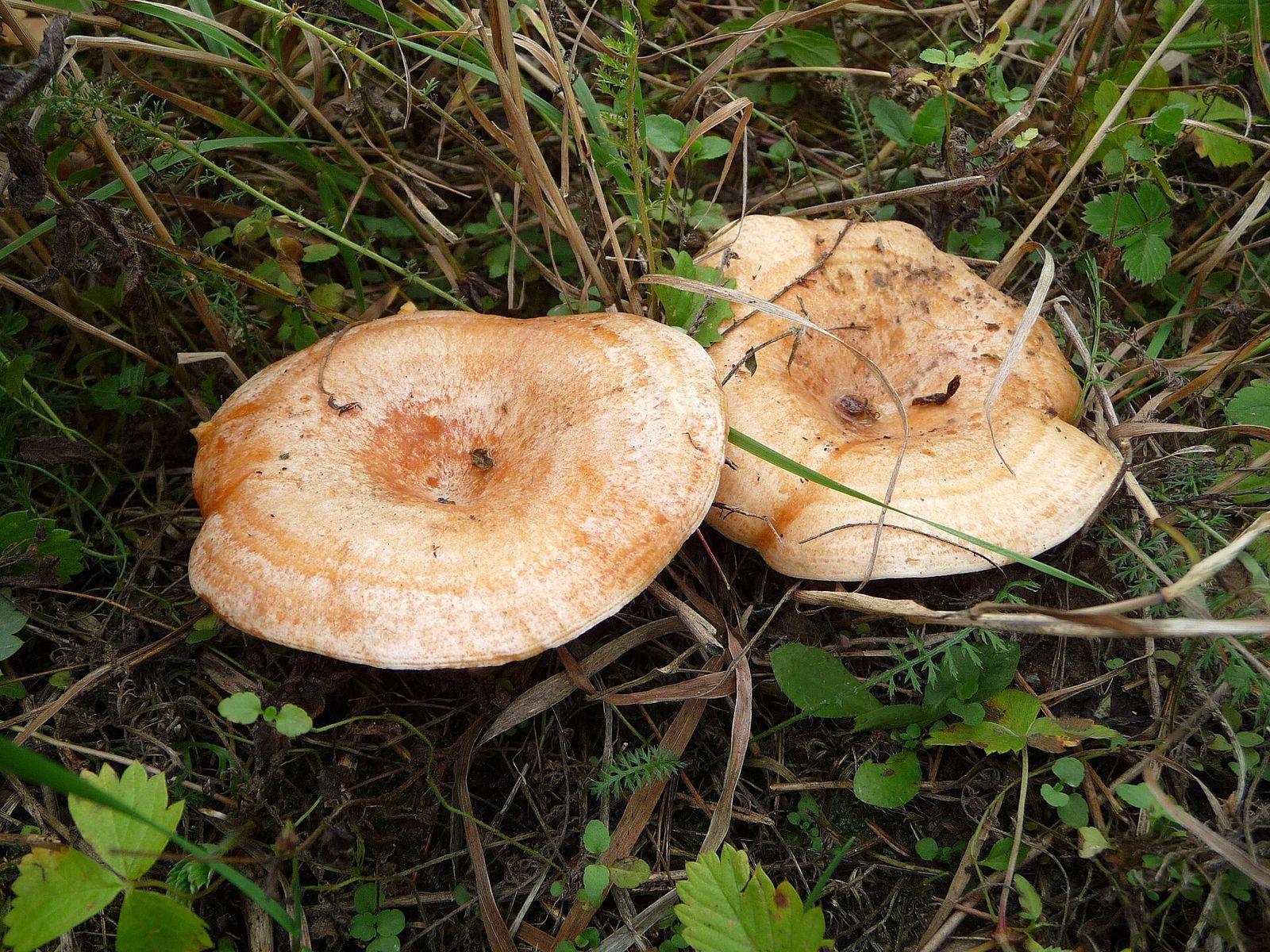
Lactarius rubidus
Also called western candy cap.
The candy cap is a small, rusty orange-brown milk cap from the Pacific Coast that smells of maple syrup or burnt sugar when dried. It grows in oak and conifer woods during the winter rainy season and is collected as a flavoring for desserts.
Lactarius rubidus
Photo coming
The tell
Small orange-brown milk cap with thin, watery latex that smells strongly of maple syrup once dried.
Field marks
Cap, underside and stem show in a photo. The spore print does not, and it is often the deciding check.
Where and when
Lookalikes
Each card says how to tell the two apart.
Galerina marginata
A small brown mushroom on wood, but it gives no latex when cut, usually has a ring or ring zone, and leaves a rusty-brown spore print.
Similar color but larger, with white latex rather than watery latex, and no maple smell when dried.
An eastern relative with a similar sweet smell when dried, found under conifers and hardwoods east of the Rockies.
Edibility
Field guides list the candy cap as edible and describe its use as a flavoring, usually dried, in cookies, ice cream and syrups. The maple smell comes from sotolon, the same compound that gives fenugreek and maple syrup their scent. Its dangerous confusion is with small brown mushrooms such as Galerina, which contain amatoxins.
This page states what field guides record. It is not advice to eat, taste or handle anything, and a photo cannot settle edibility. If someone has eaten a wild mushroom that may be toxic, call poison control (1-800-222-1222 in the US) right away, before symptoms start: the deadliest species act hours later.
FAQ
They contain sotolon, an aroma compound also found in fenugreek and maple syrup. The smell is weak in fresh specimens and becomes strong once the mushroom dries.
In oak, tanoak and conifer forests along the Pacific Coast, mostly in California. They fruit during the rainy season, from fall into early spring.
A small orange-brown cap on a brittle, hollow stem of the same color, with pale gills. Broken gills release thin, watery, whey-like latex, and dried specimens smell of maple syrup.
Sources
MushroomExpert.com
MykoWeb, California Fungi
Index Fungorum
Also on Mushrooms.id
Waitlist
We will send one email when Mushrooms.id opens, and nothing else.
This opens your email app with the request written for you. Send it and we add you to the list. No email app? Write to hello@mushrooms.id with the subject “Add me to the Mushrooms.id waitlist”.