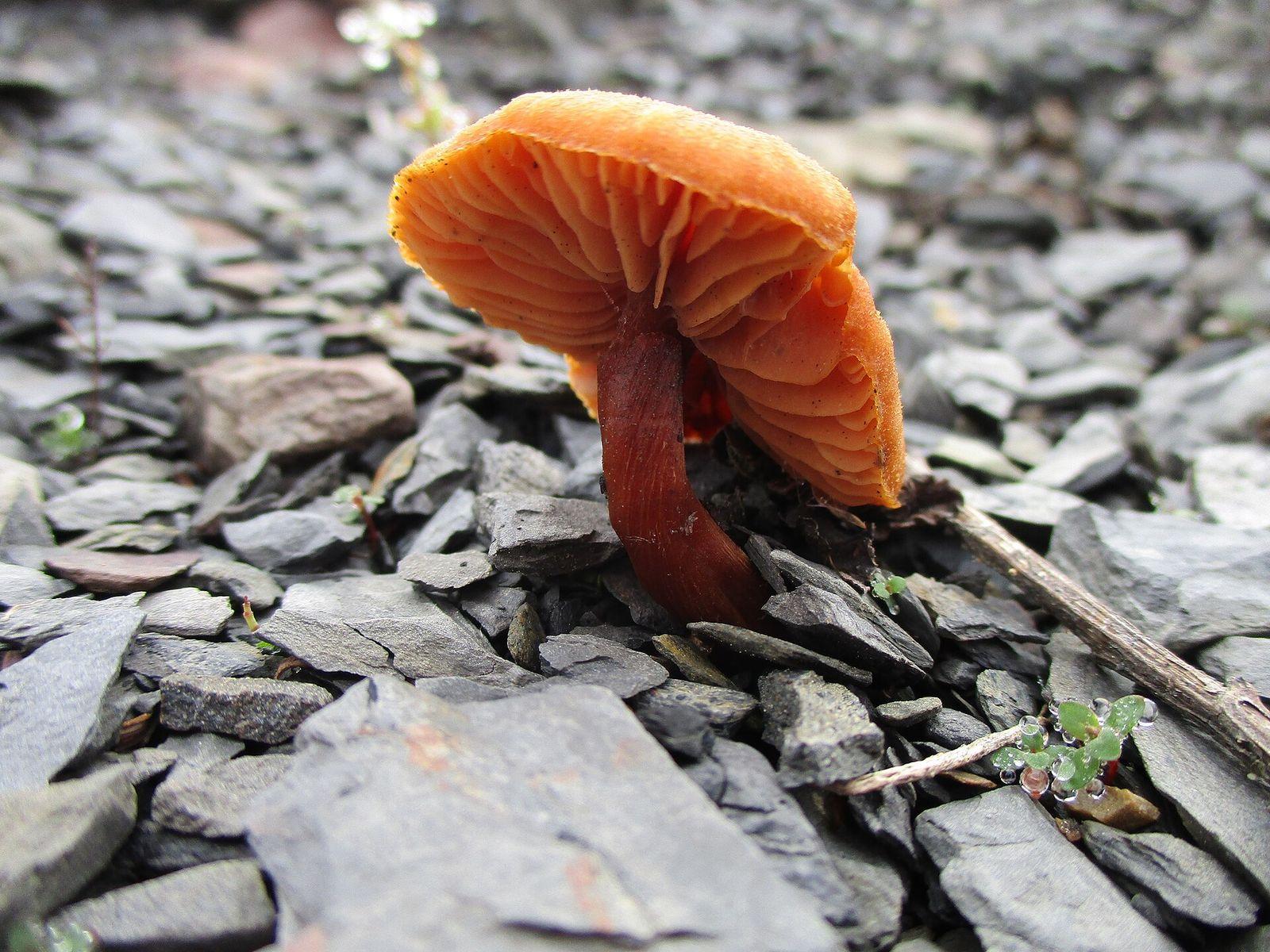
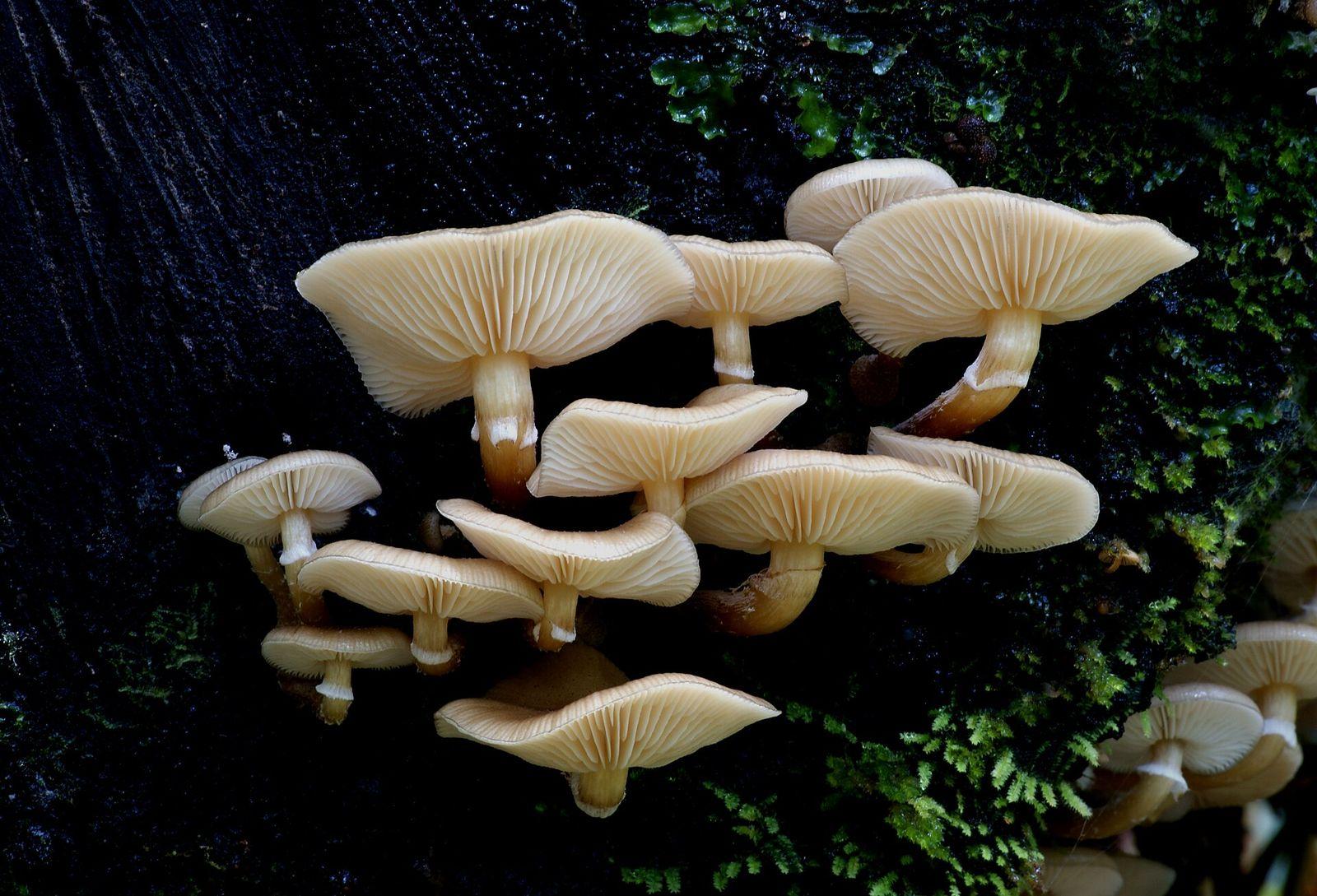
Deadly galerina vs honey mushroom
- Deadly Galerina
Spore prints differ: honey mushrooms print white, the deadly galerina prints rusty brown. Galerina is also smaller, with a smooth brown cap.
Lookalikes
Each page compares two species that get mistaken for each other and names the features that separate them. Mushrooms.id will identify any mushroom from a photo and name its deadly lookalikes; these are the comparisons written up so far.
40 pairs
Pairs where one side, or both, has killed people.
Spore prints differ: honey mushrooms print white, the deadly galerina prints rusty brown. Galerina is also smaller, with a smooth brown cap.
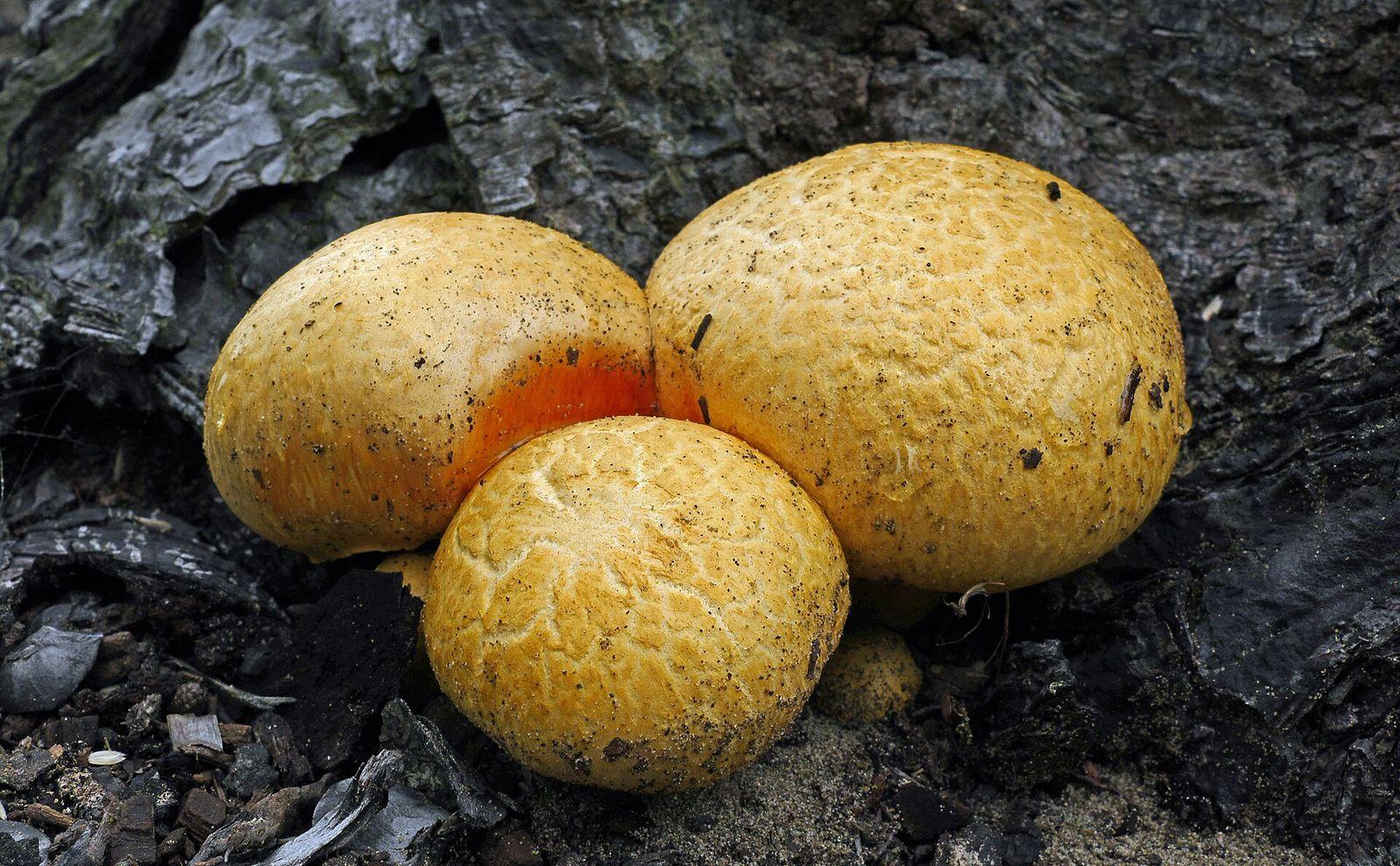
Both are rusty-spored clusters on wood. The big laughing gym is large and orange-yellow; the deadly galerina is small and honey-brown, with amatoxins.
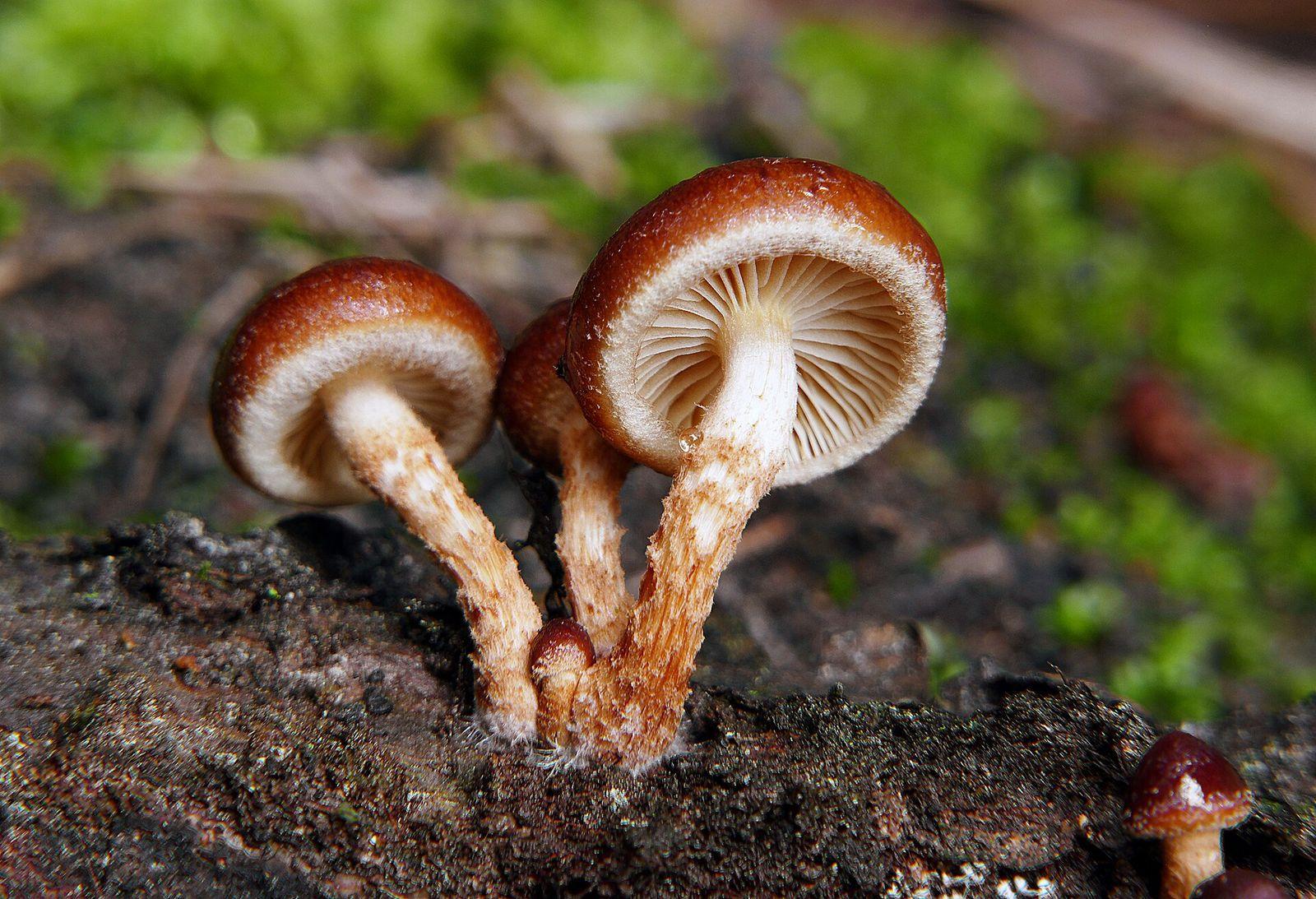
Brick caps print purple-brown and have brick-red caps; the deadly galerina prints rusty brown and is smaller and honey-brown. Both cluster on wood.
Lactarius rubidus
Photo coming
A candy cap oozes thin, watery latex when cut and prints whitish to cream. The deadly galerina has no latex, usually a ring, and a rusty brown print.
Cortinarius rubellus
Photo coming
Both are deadly and print rusty brown. The galerina grows on wood with a ring; the webcap grows from conifer moss with a cobweb veil.
Pholiotina rugosa
Photo coming
Both contain amatoxins, print rusty brown and have a ring. The galerina clusters on rotting wood; the fool's conecap grows in lawns and mulch.
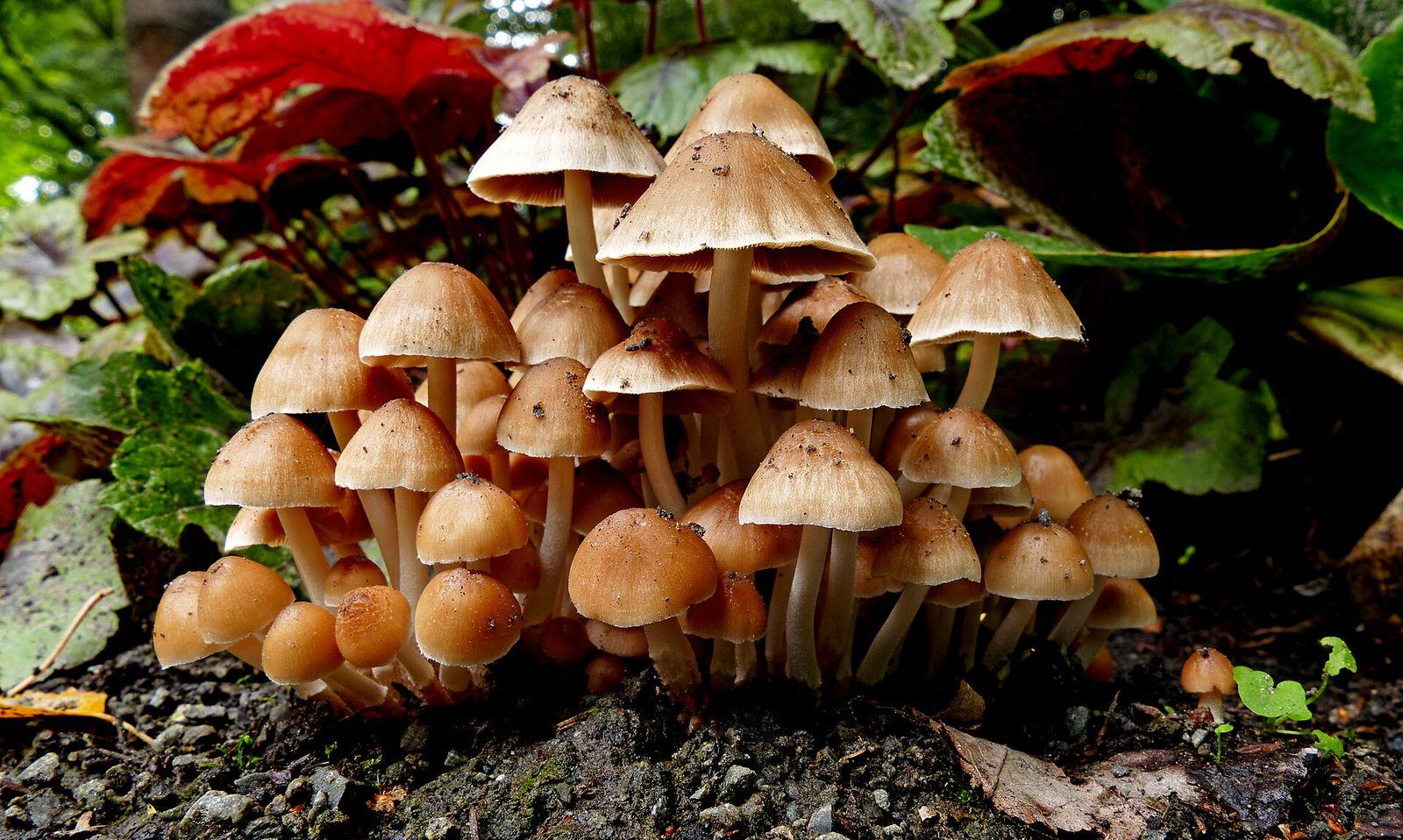
The mica cap prints dark brown to black and its gills turn black. The deadly galerina prints rusty brown, has a ring and never inks.
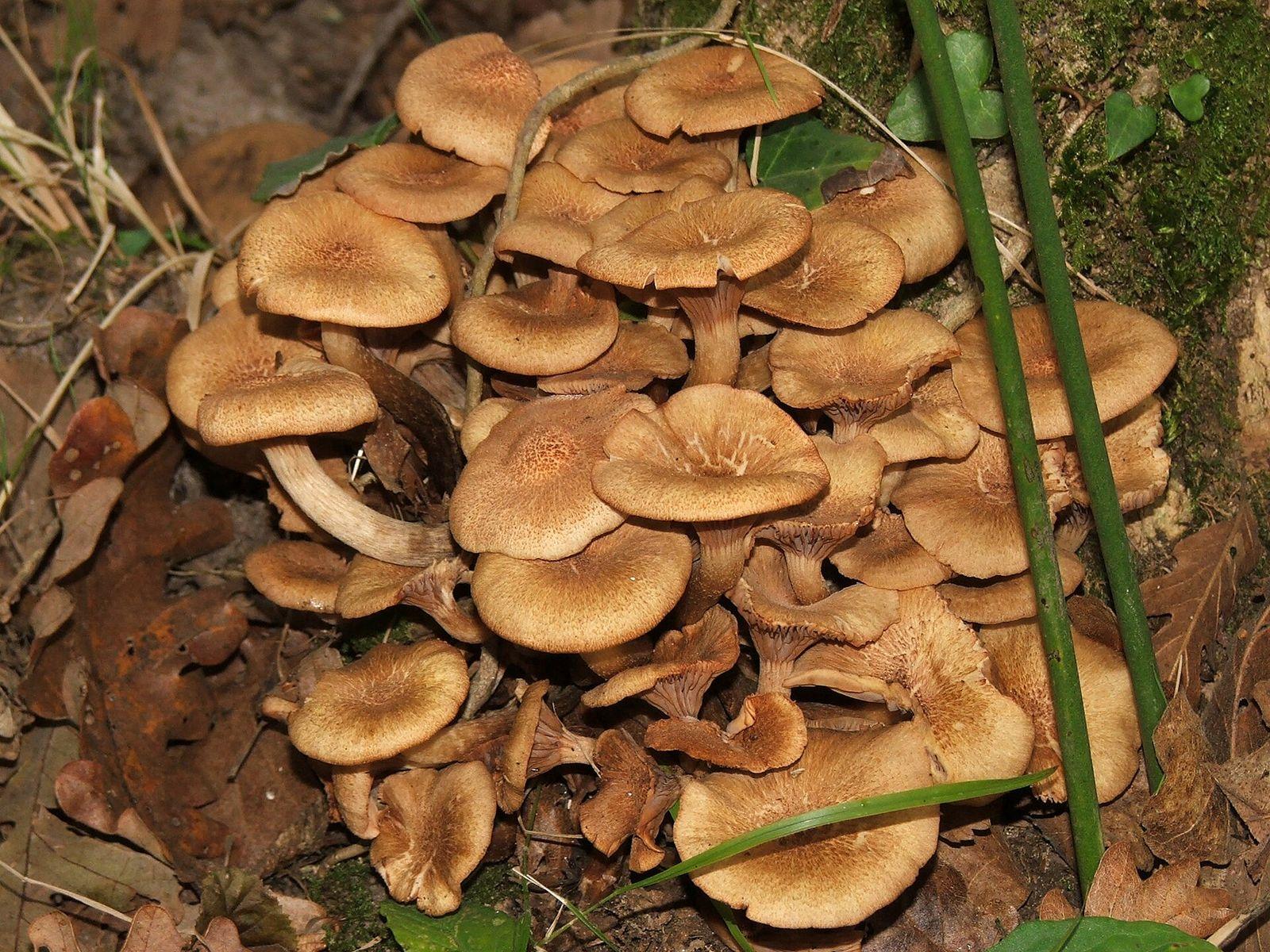
The ringless honey mushroom has no ring and prints white. The deadly galerina has a thin ring, prints rusty brown and is much smaller.
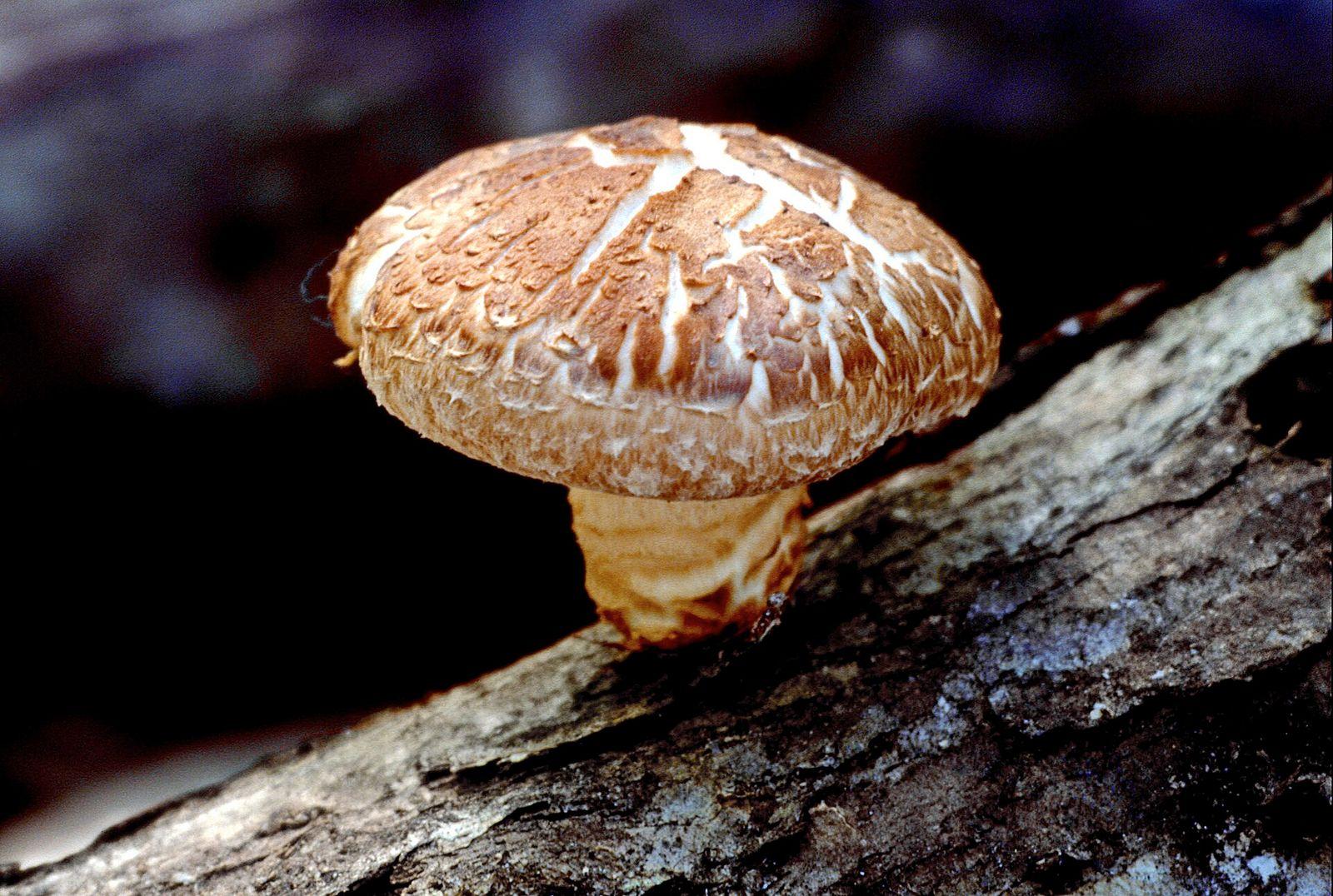
Shiitake prints white and has a tough stem and fibrous cap edge. The deadly galerina prints rusty brown, is smaller and has a thin ring.
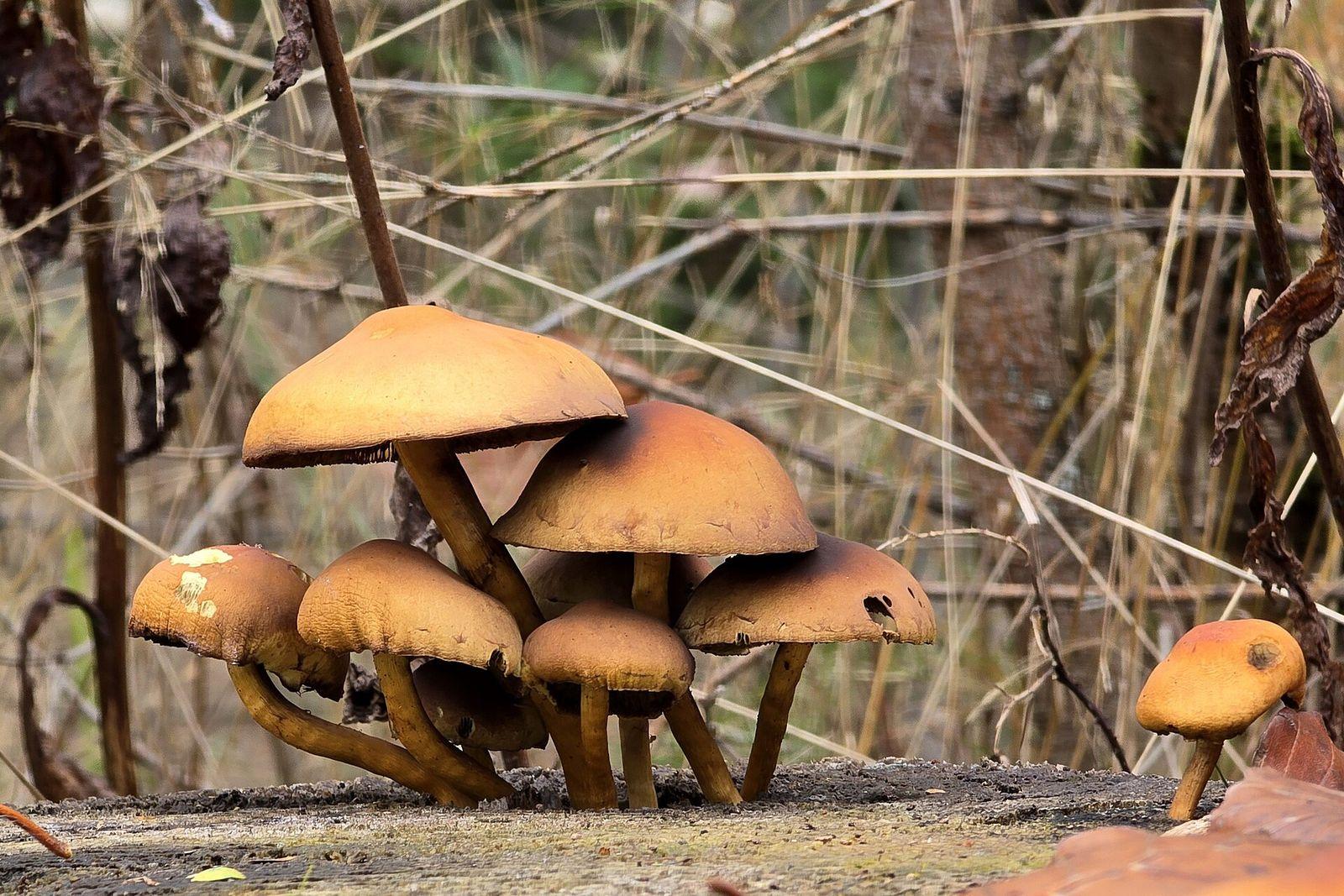
Sulphur tuft is sulfur yellow with greenish gills and a purple-brown print. The deadly galerina is honey-brown with rusty gills and print.
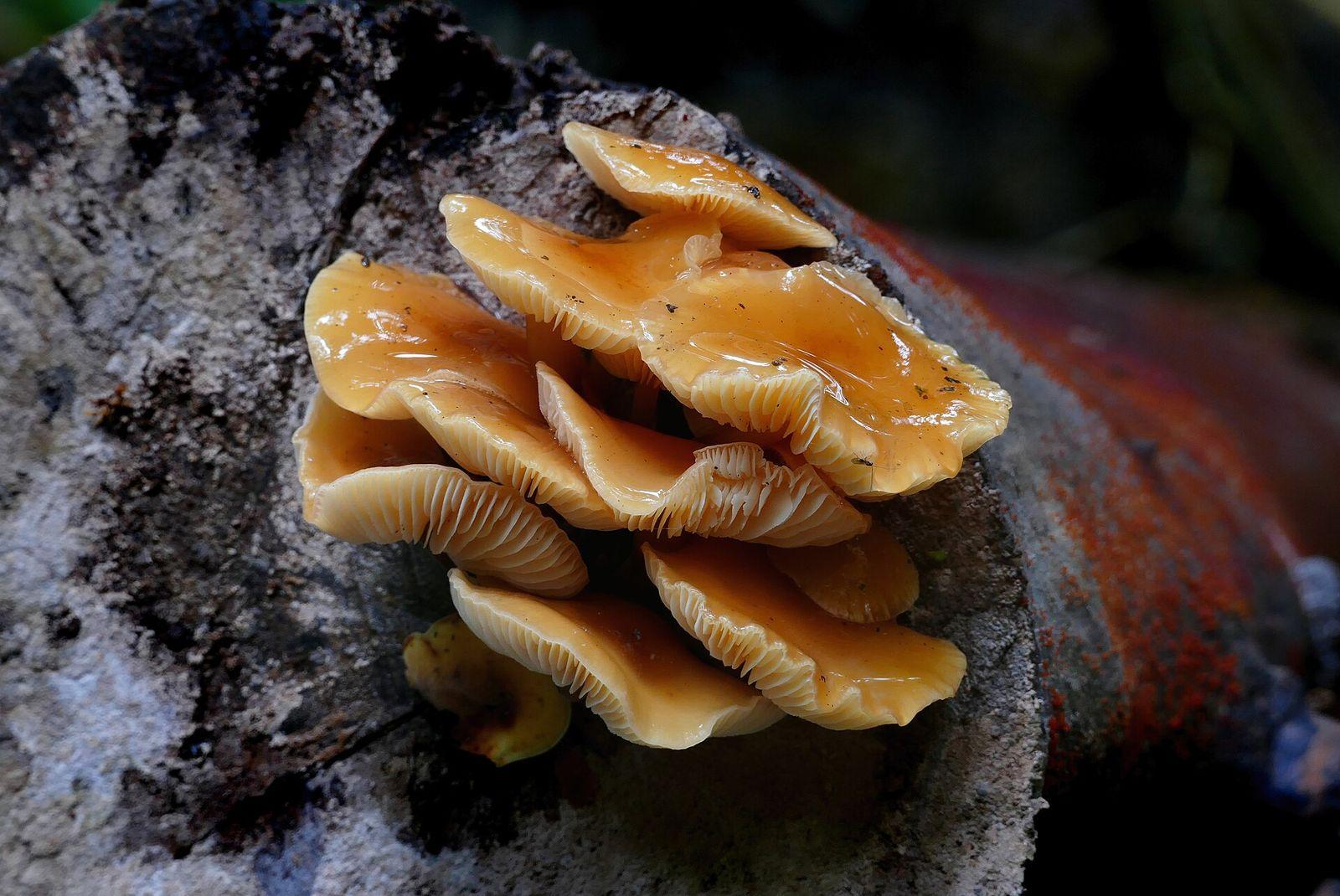
Velvet foot has a dark velvety stem base, no ring and a white print. The deadly galerina has a thin ring, a smooth stem and a rusty brown print.
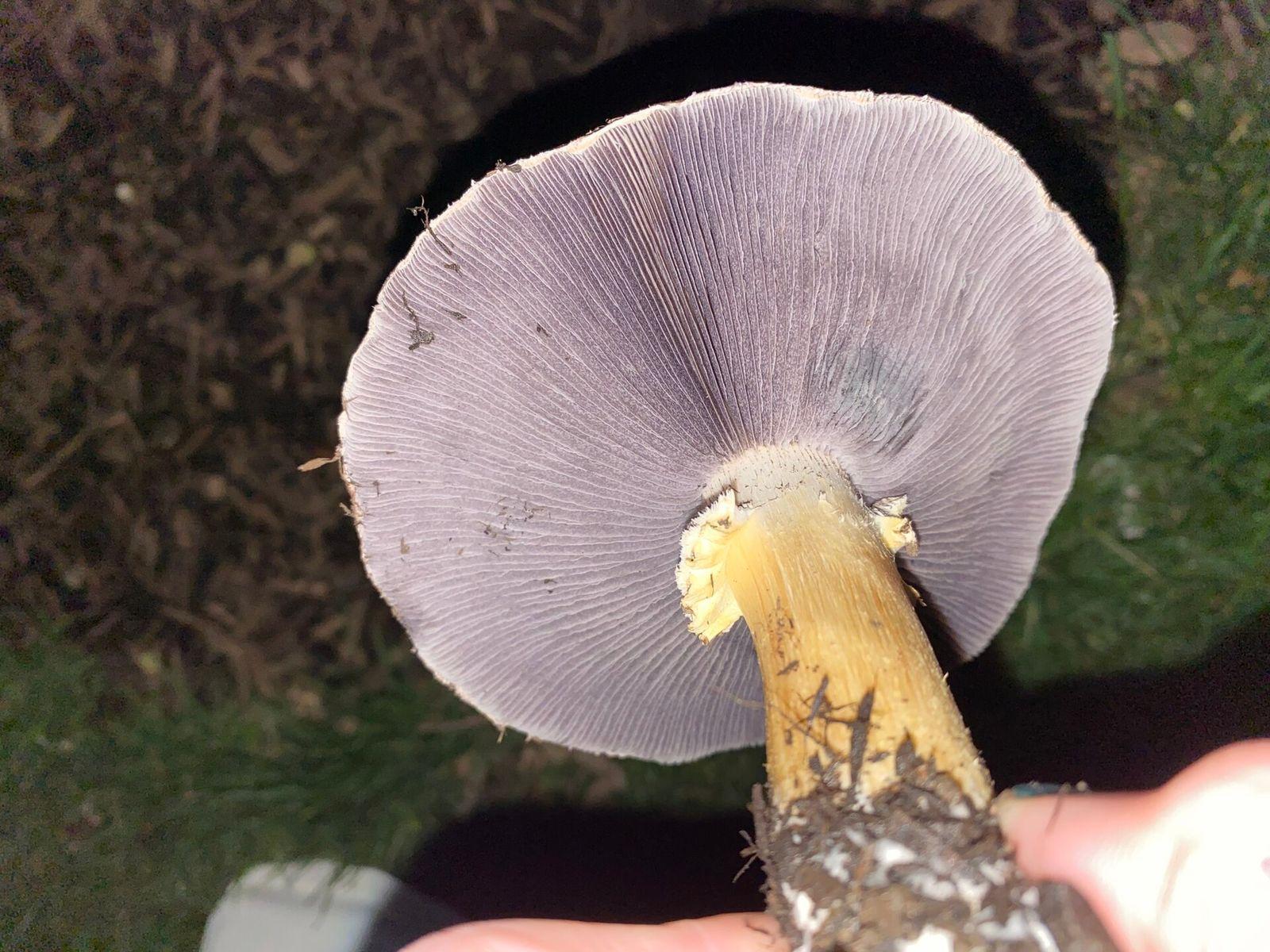
Wine caps are large and wine red, with a claw-like ring and a purple-black print. The deadly galerina is small and brown with a rusty print.
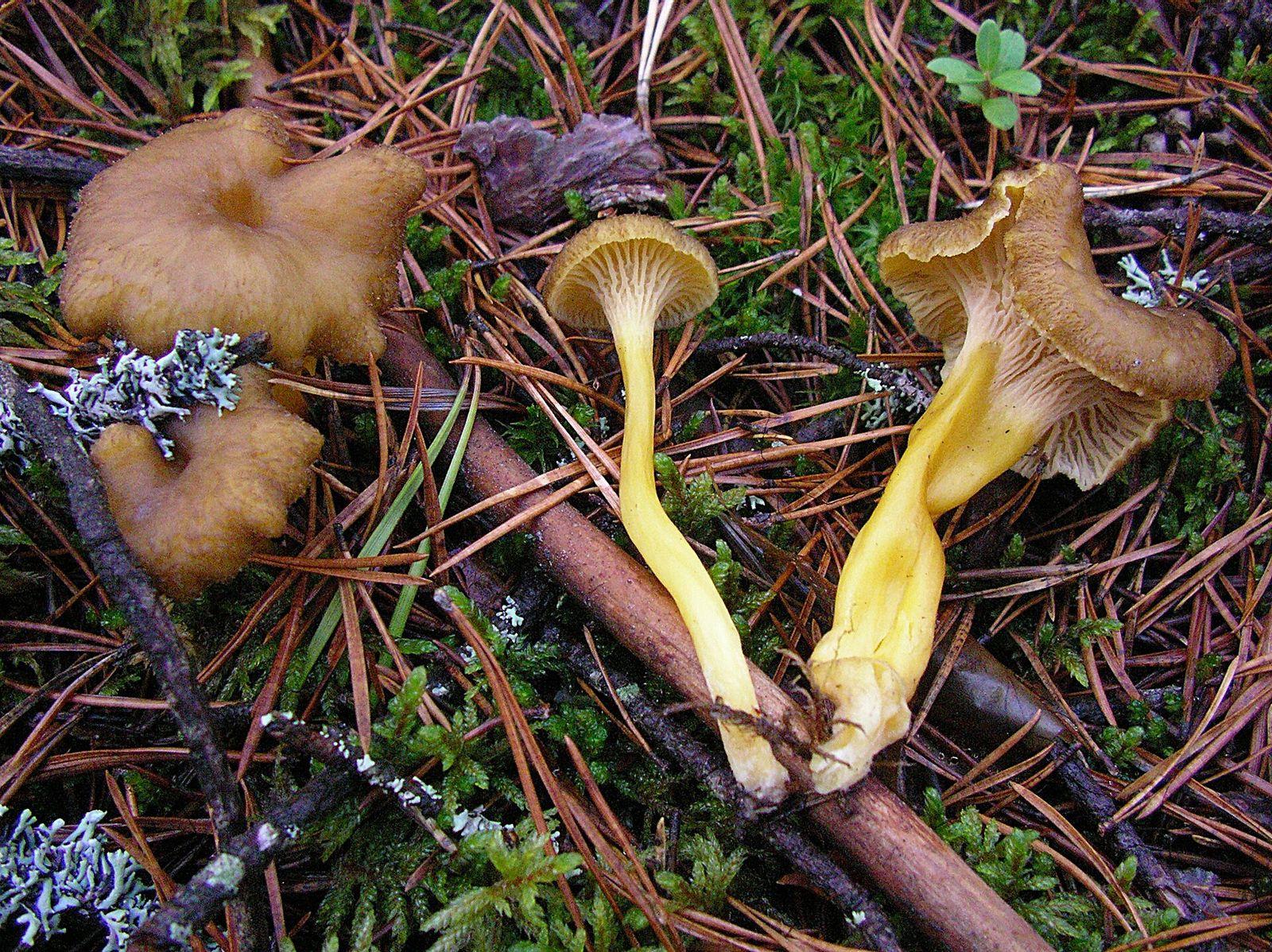
Yellowfoot has blunt false gills, a hollow yellow stem and a pale print. The deadly galerina has sharp rusty gills, a ring and a rusty print.
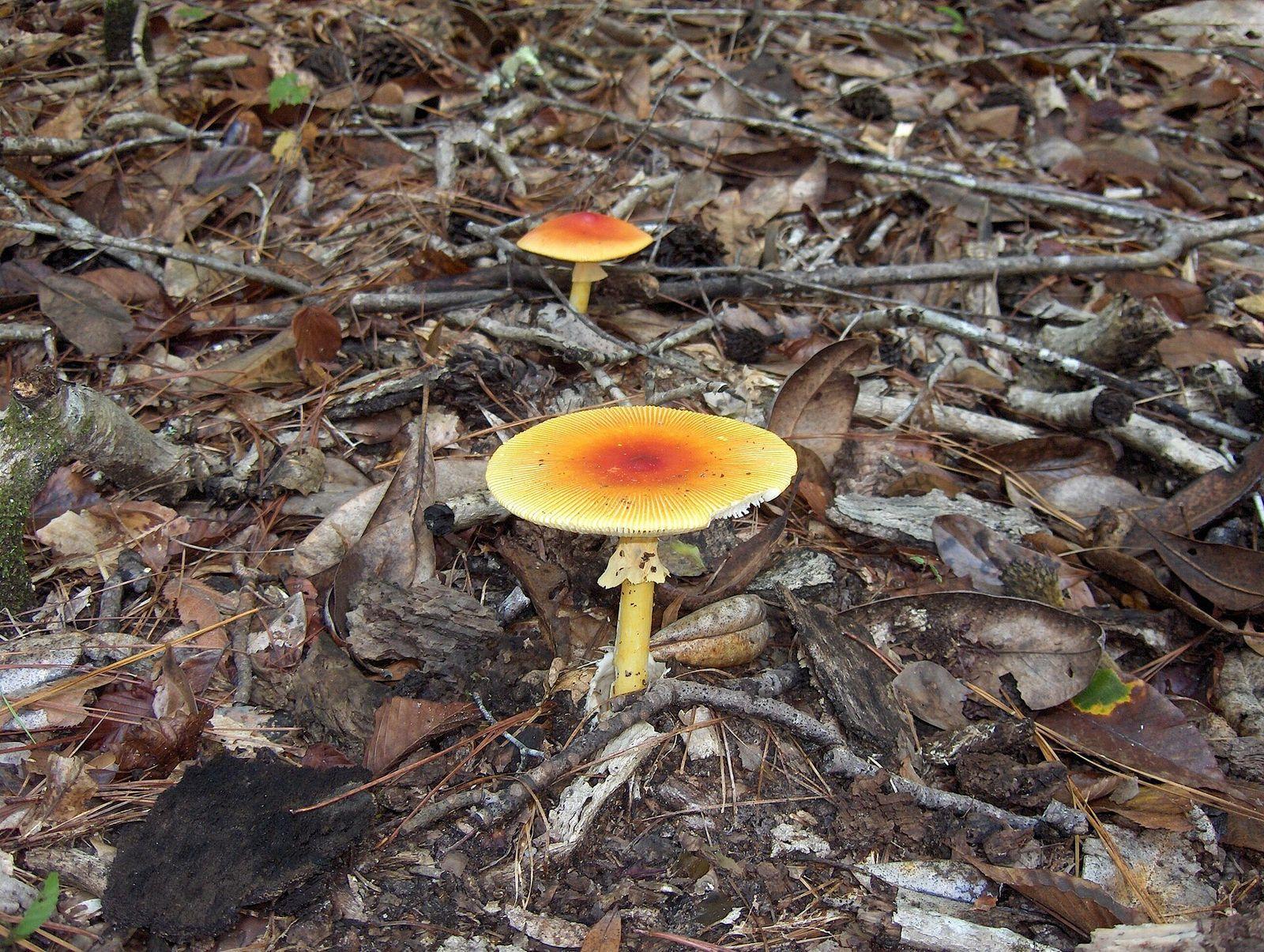
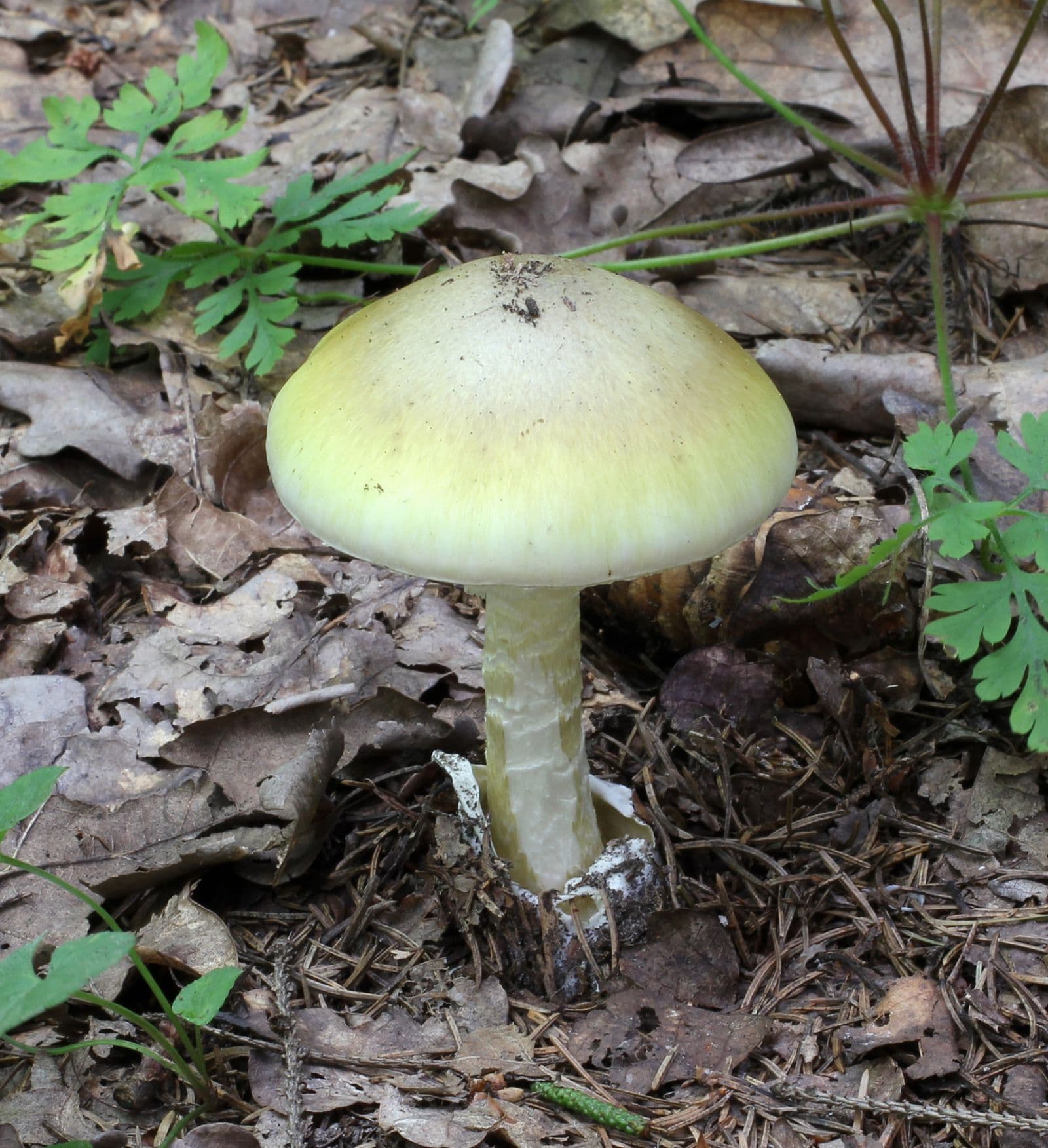
Both grow from a white cup. Caesar's mushroom has an orange cap and yellow gills; the death cap has a greenish cap and white gills. Their eggs differ.
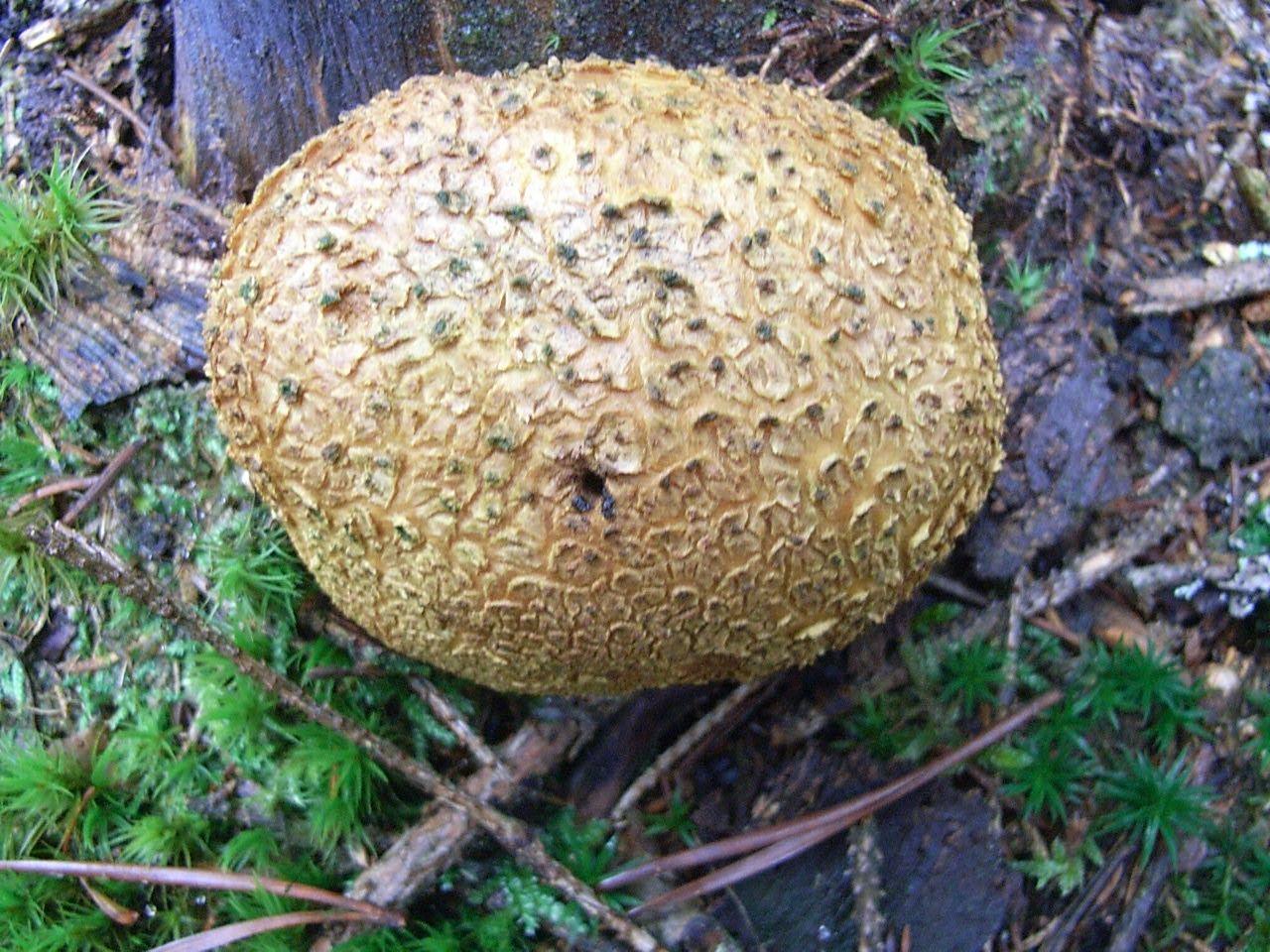
Split top to bottom, a death cap egg shows a cap, gills and stem. An earthball is solid purple-black inside a thick, scaly rind.
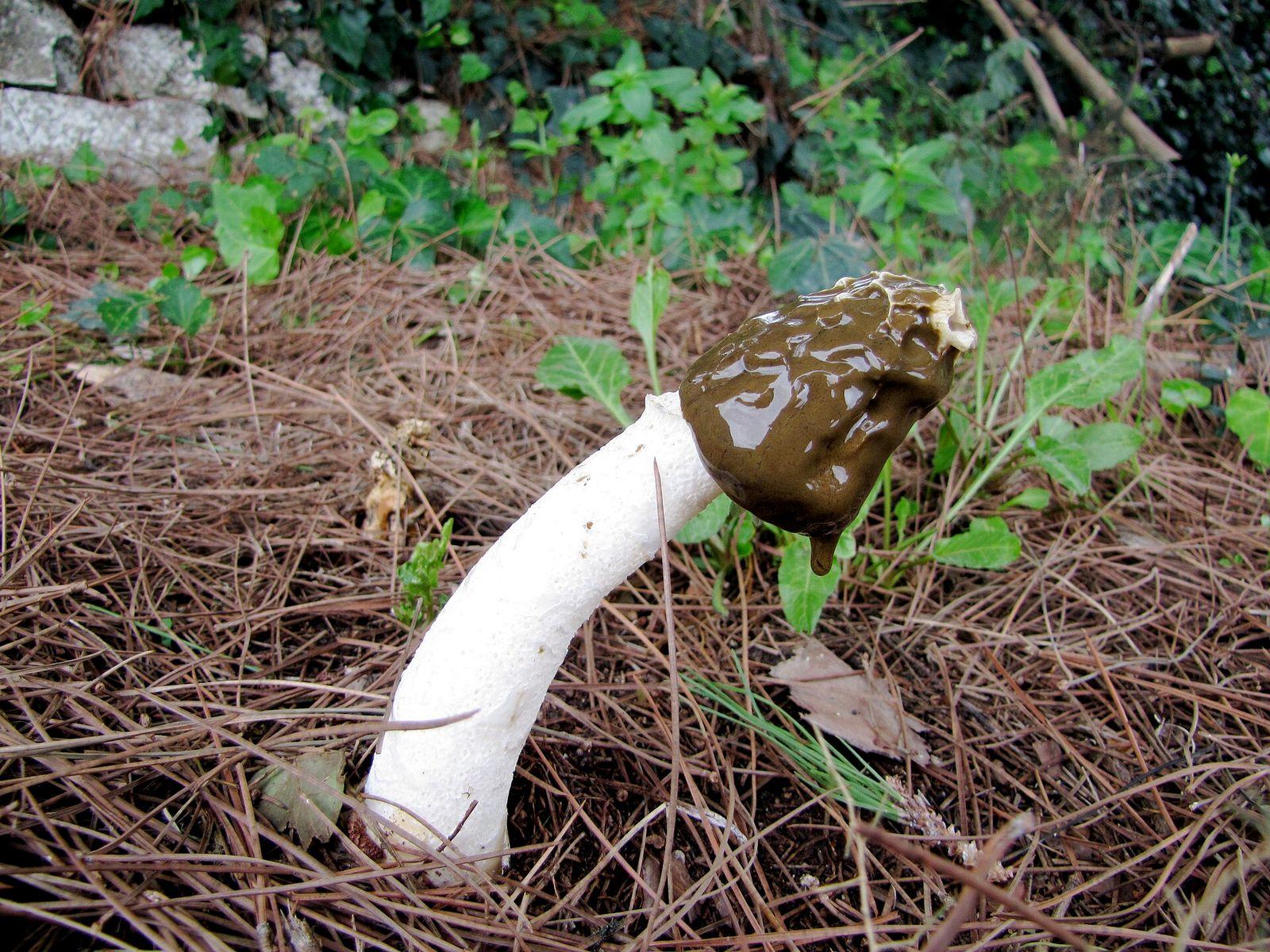
Sliced top to bottom, a stinkhorn egg shows jelly around a folded stalk. A death cap egg shows a cap, gills and stem. Both start as white eggs.
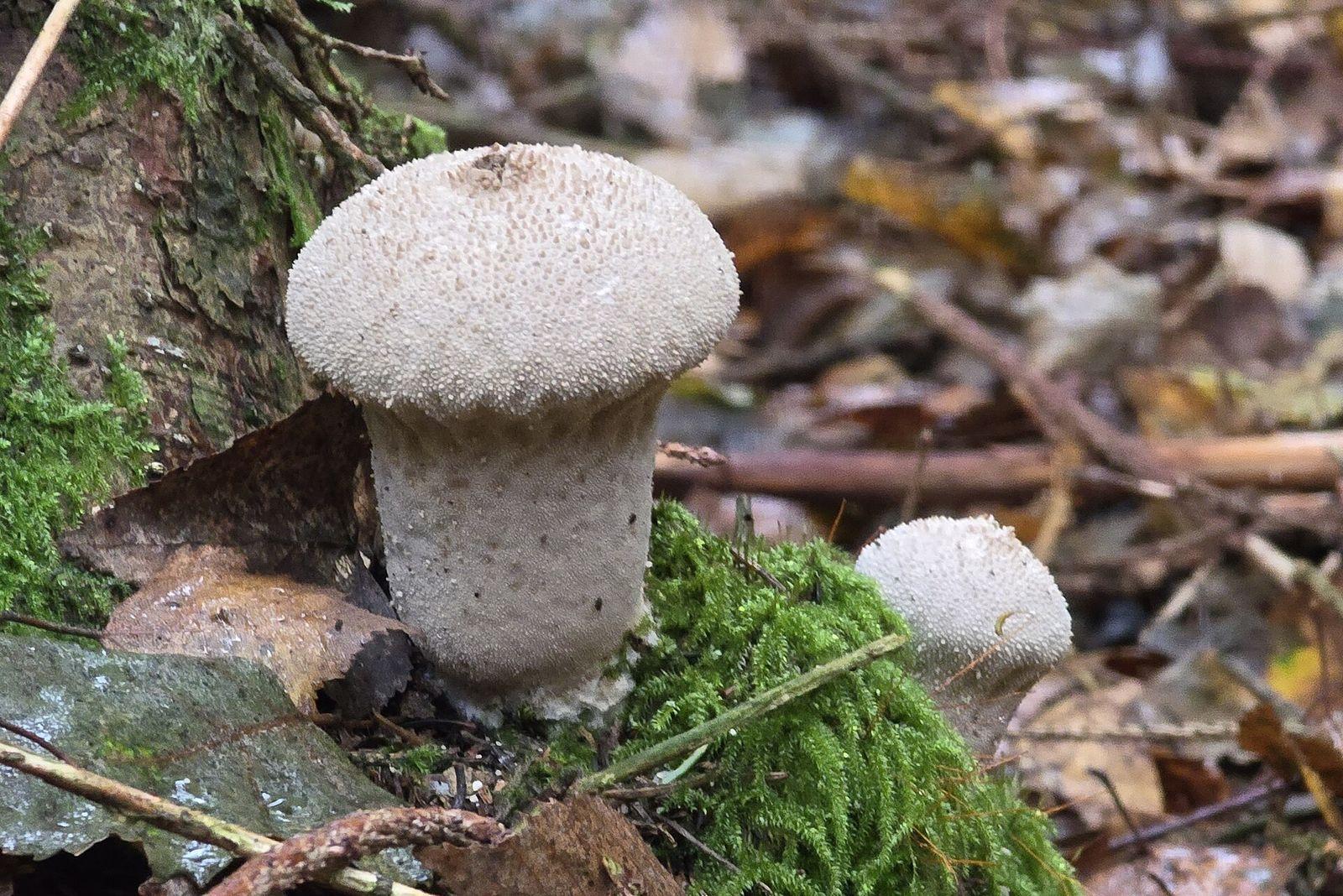
Sliced top to bottom, a puffball is pure white with no structure. A death cap egg shows a cap, gills and stem.
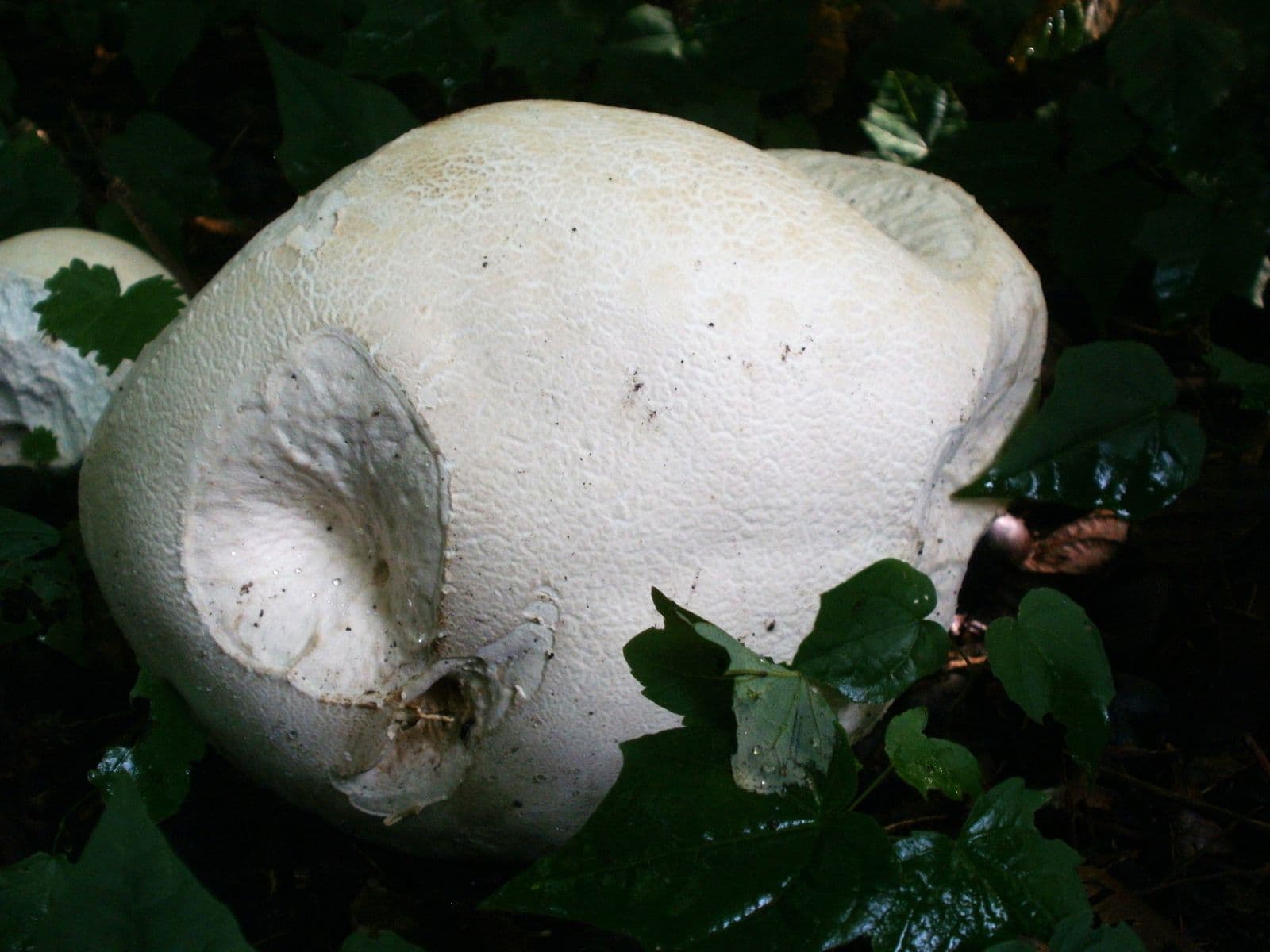
A giant puffball is pure white inside with no cap, gills or stem. Sliced top to bottom, a death cap egg shows the outline of a mushroom.
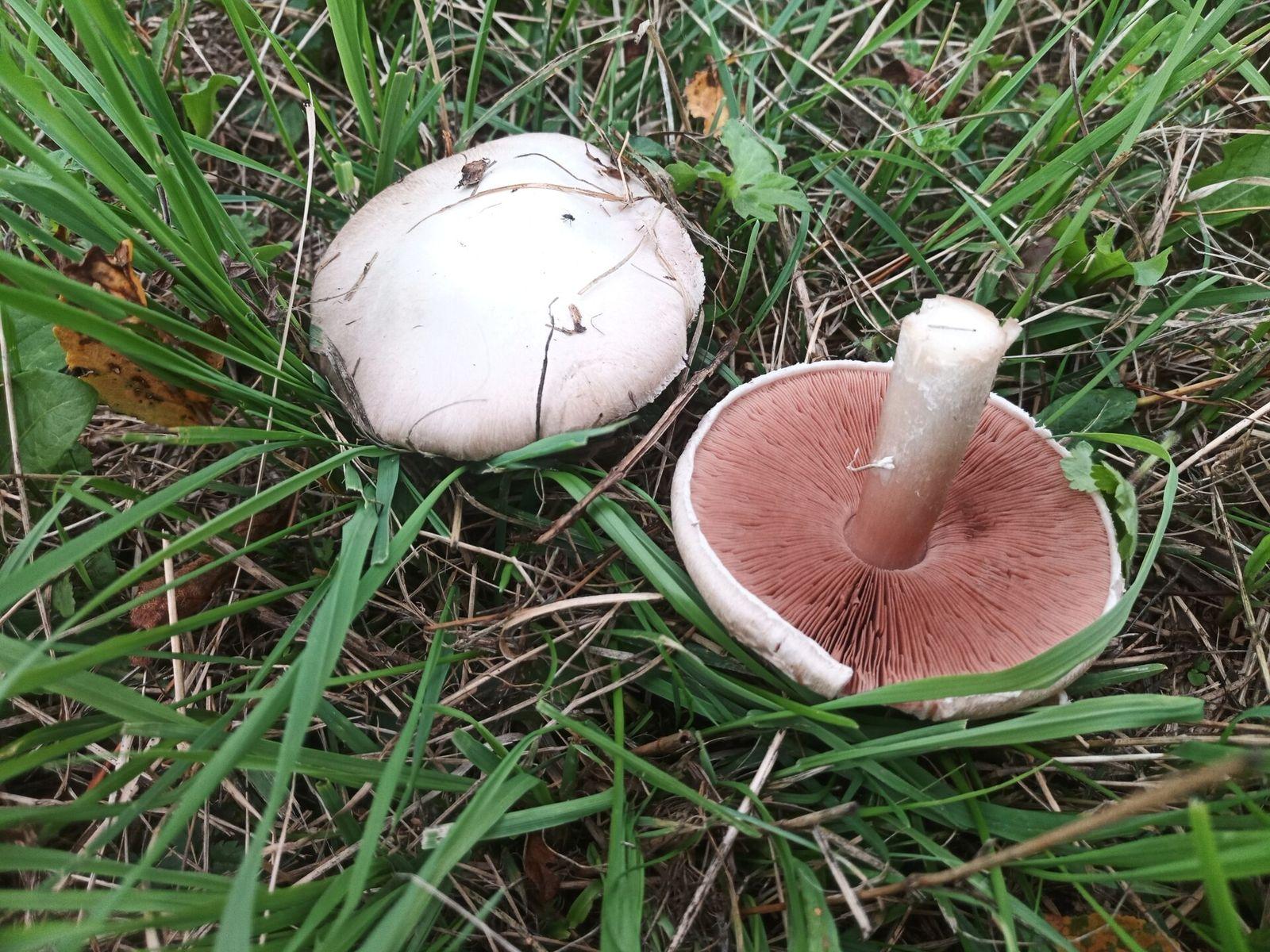
Death caps have white gills, a white print and a cup at the base. Meadow mushrooms have pink to brown gills, a brown print and no cup.
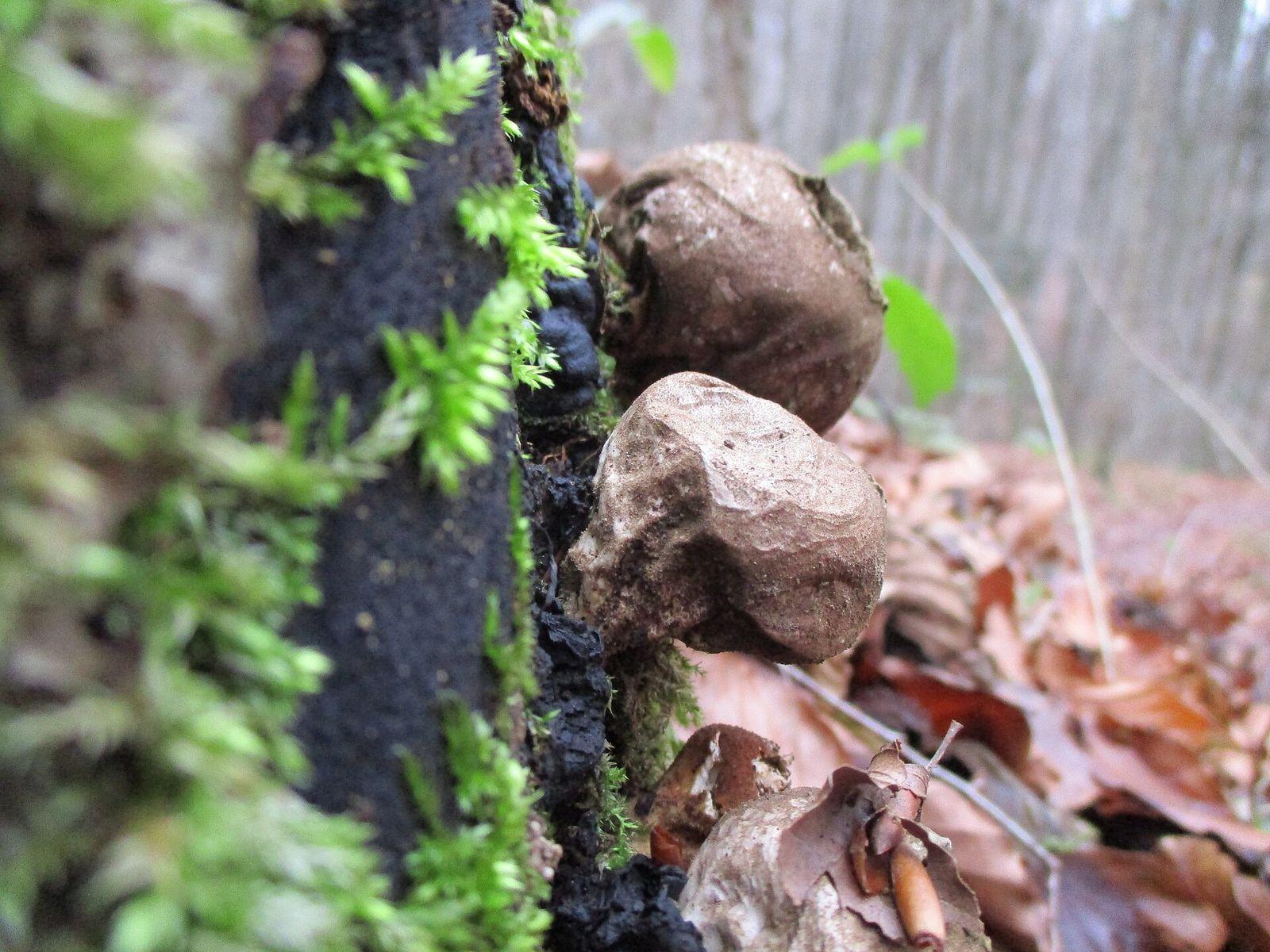
Pear-shaped puffballs cluster on rotting wood and are pure white inside. Death cap eggs grow from soil and show a cap, gills and stem inside.
Amanita ocreata
Photo coming
Both are deadly amanitas with white gills and a cup. Death caps are greenish and fruit fall to winter; western destroying angels are white, in spring.
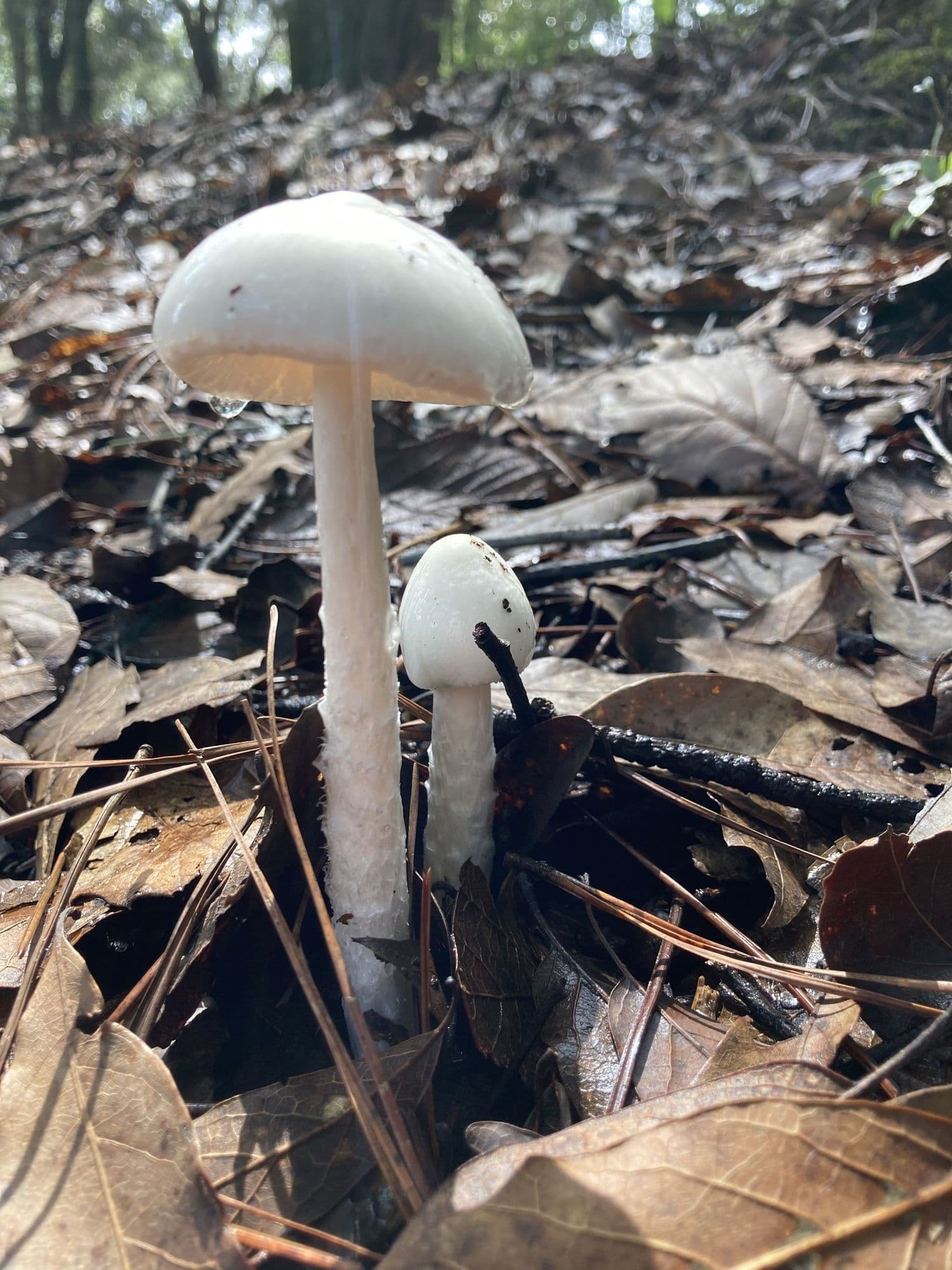
Destroying angels keep white gills, print white and hide a cup at the base. Meadow mushrooms have pink to brown gills and a brown print.
Agaricus bisporus
Photo coming
Button mushroom gills are pink to brown with a brown print. A destroying angel keeps white gills, prints white and has a cup at the base.
Both start as white eggs in a white cup. Sliced top to bottom, a Caesar's egg is orange and yellow inside; a destroying angel's is white throughout.
Sliced top to bottom, a gem-studded puffball is pure white with no structure. A destroying angel egg shows a cap, gills and stem.
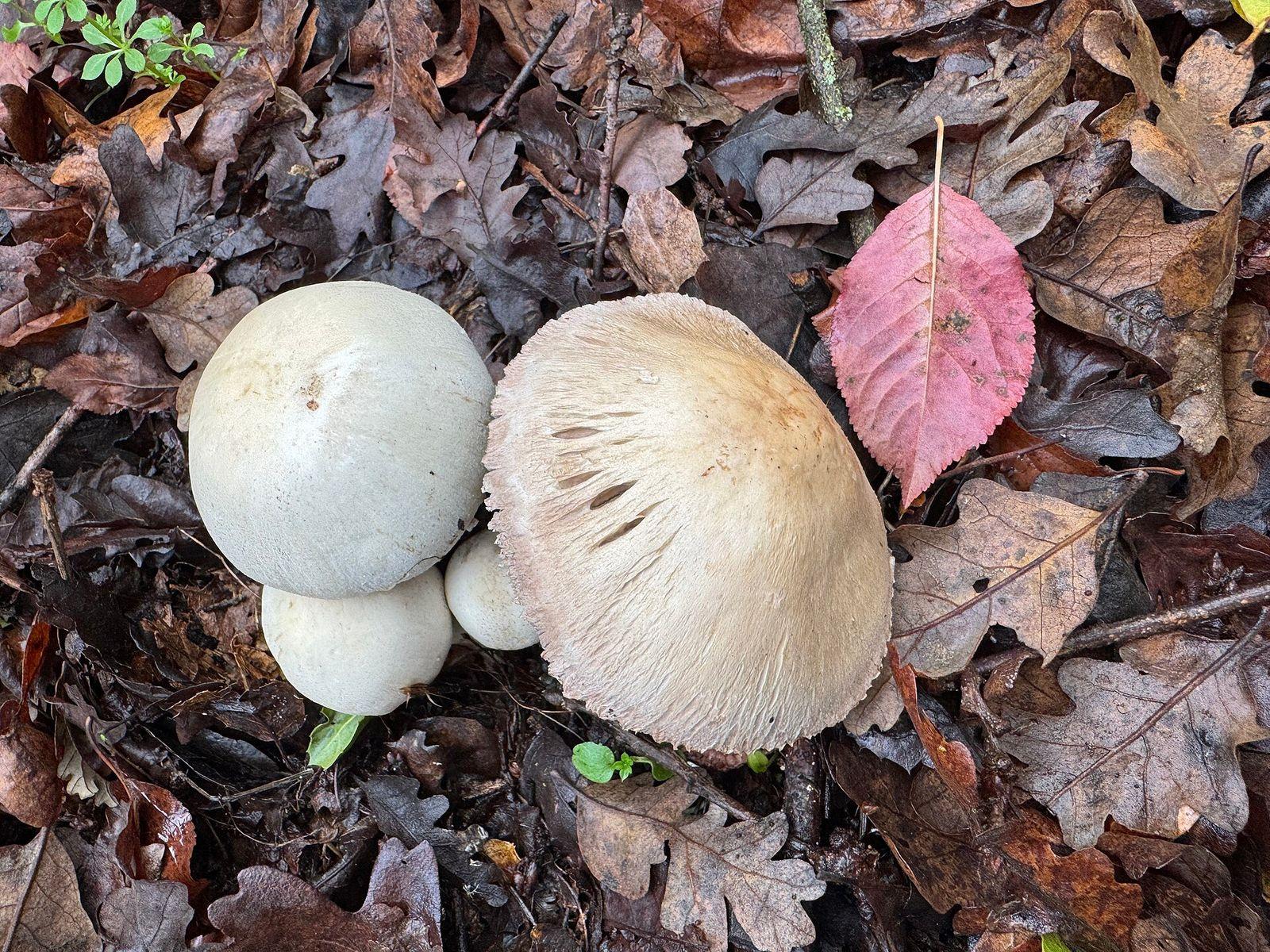
Horse mushroom gills turn chocolate brown and it smells of almond, with no cup. A destroying angel keeps white gills and has a cup at the base.
Entoloma abortivum
Photo coming
Sliced top to bottom, shrimp of the woods is solid and marbled pink. A young destroying angel shows a cap, gills and stem inside a white sac.
Cortinarius rubellus
Photo coming
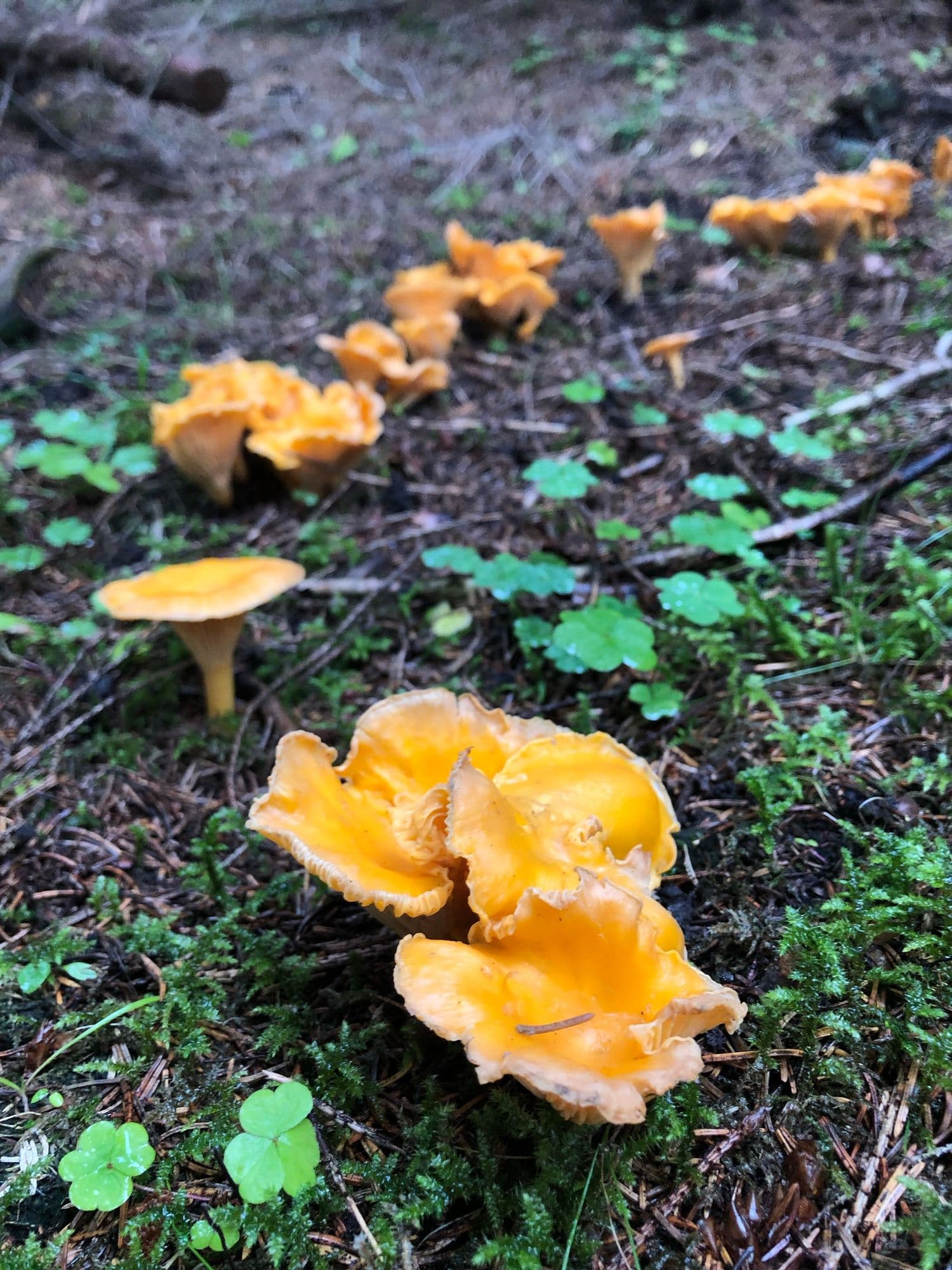
The deadly webcap has true rusty gills, a cobweb veil and a pointed cap. Chanterelles have blunt forked ridges, white stringy flesh and no veil.
Cortinarius rubellus
Photo coming
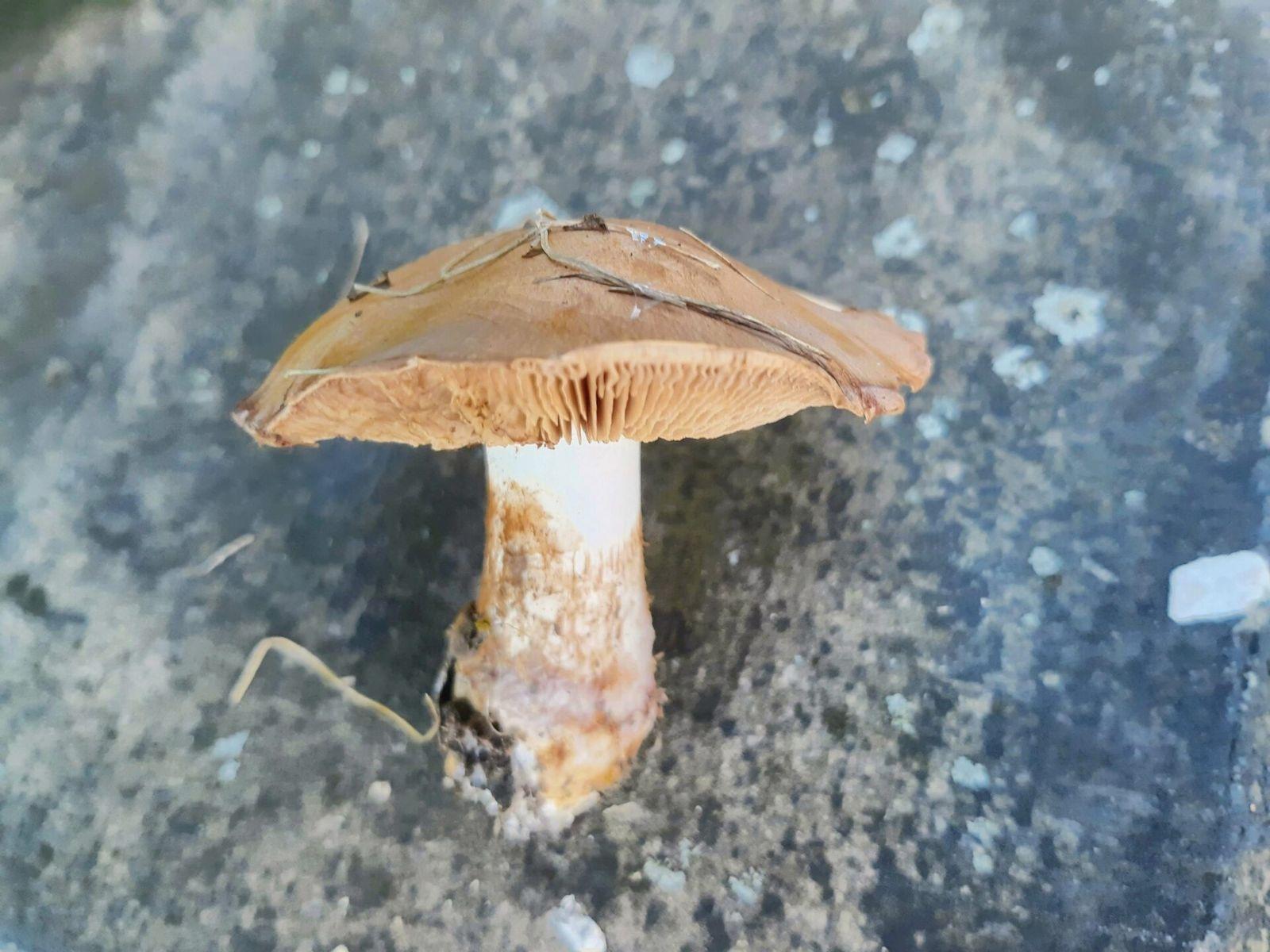
The deadly webcap is tawny orange with a pointed cap and cobweb veil. Poison pie is pale tan and sticky, and its gills weep droplets.
Cortinarius rubellus
Photo coming
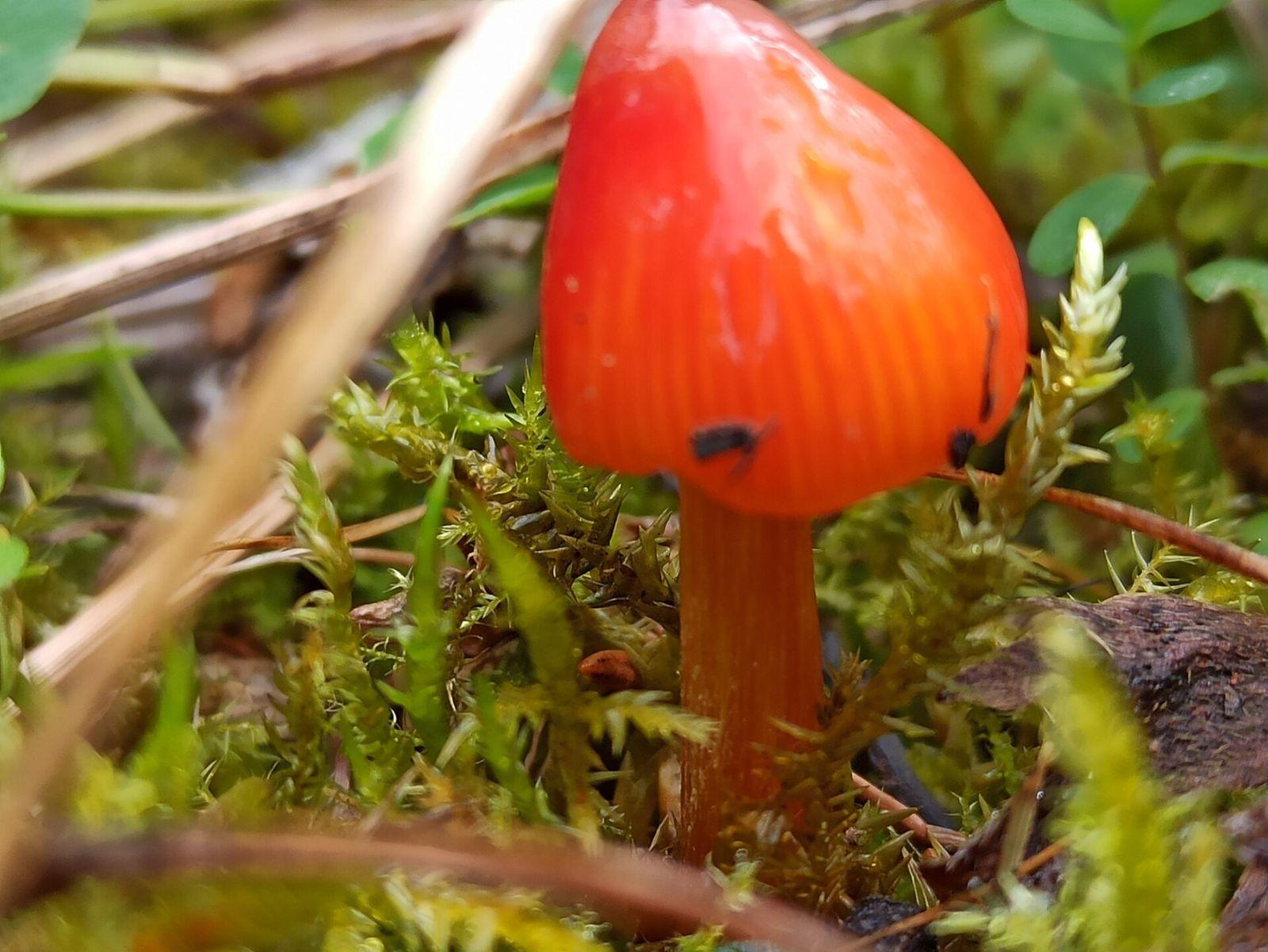
The witch's hat is waxy and turns black where handled. The deadly webcap is dry and fibrous, never blackens and prints rusty brown.
Cortinarius rubellus
Photo coming
Yellowfoot has blunt false gills and a hollow yellow stem. The deadly webcap has true rusty gills, a cobweb veil and a rusty brown print.
Amanita ocreata
Photo coming
Sliced top to bottom, a gem-studded puffball is pure white. A western destroying angel egg shows a cap, gills and stem.
Amanita ocreata
Photo coming
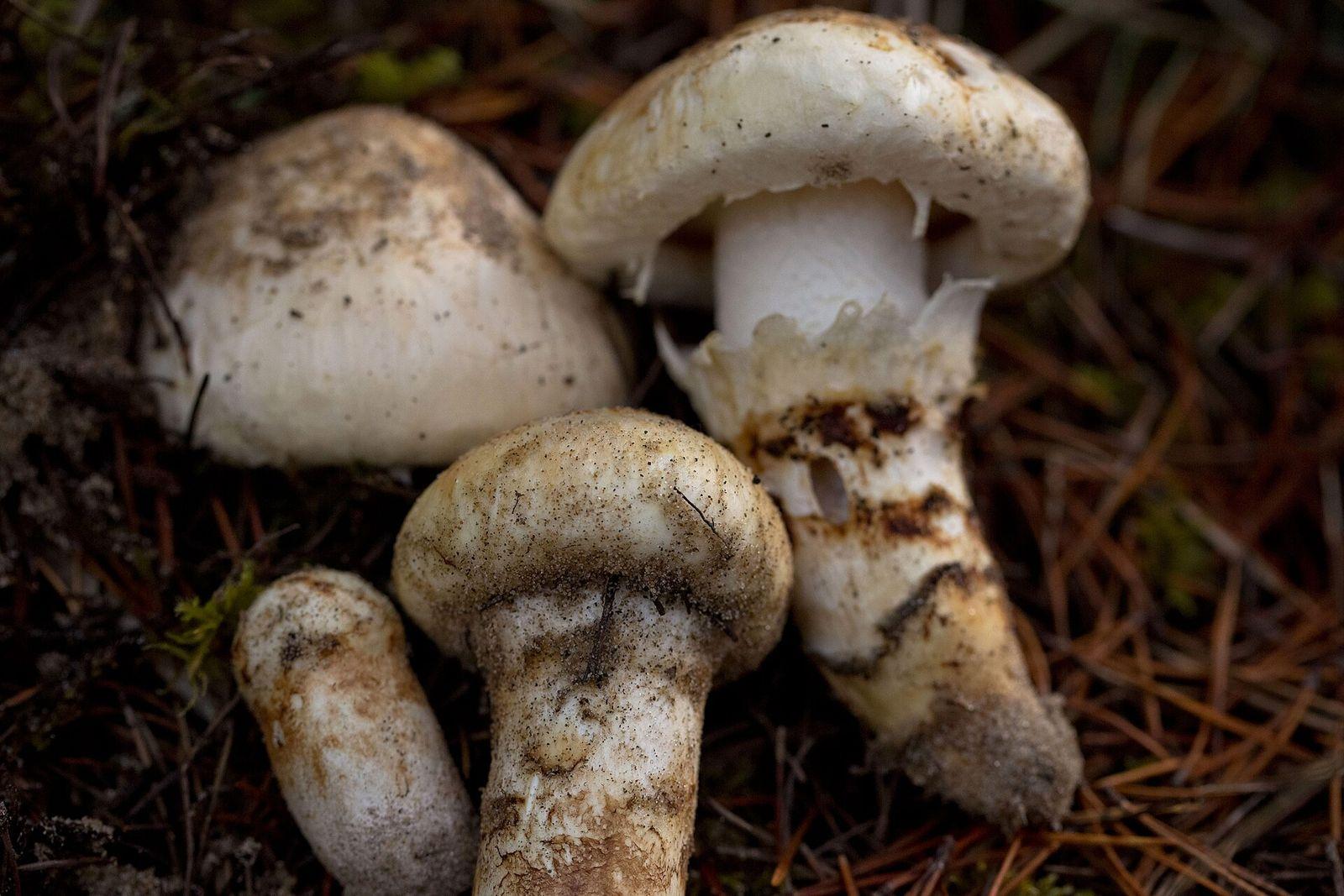
Matsutake has a spicy smell, a sheathed stem with no cup and a cap that stains brown with age. A western destroying angel has a cup and no spicy smell.
Amanita ocreata
Photo coming
Meadow mushrooms have pink to brown gills, a brown print and no cup. The western destroying angel keeps white gills and has a cup at the base.
Amanita smithiana
Photo coming
Amanita ocreata
Photo coming
Smith's amanita has a cottony cap and a rooting base with no cup. The western destroying angel has a smooth cap and a base in a white cup.
Lepiota subincarnata
Photo coming
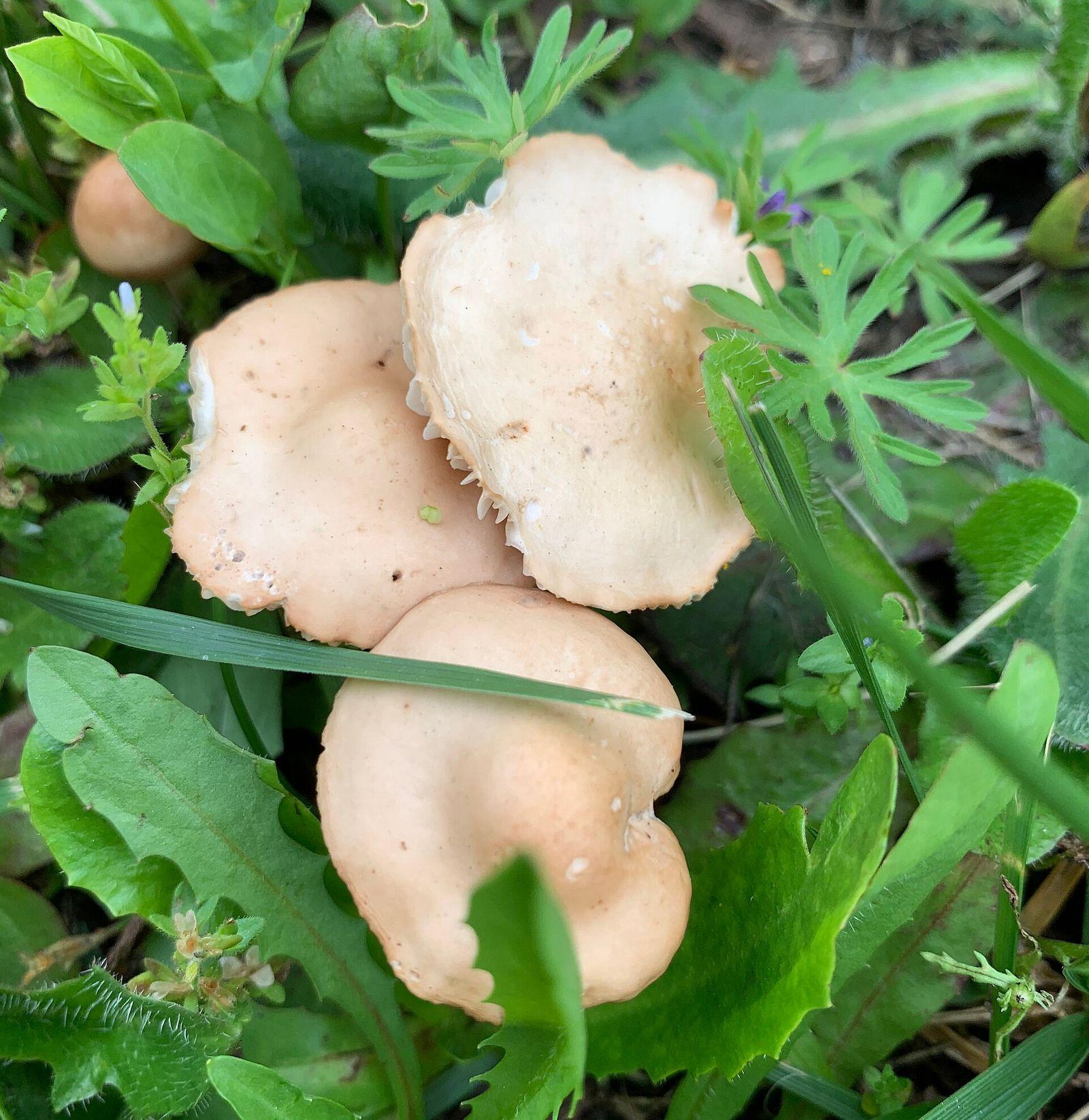
The deadly dapperling has a scaly pinkish cap, crowded white gills and a banded stem. Fairy ring mushrooms have a smooth tan cap and spaced gills.
Lepiota subincarnata
Photo coming
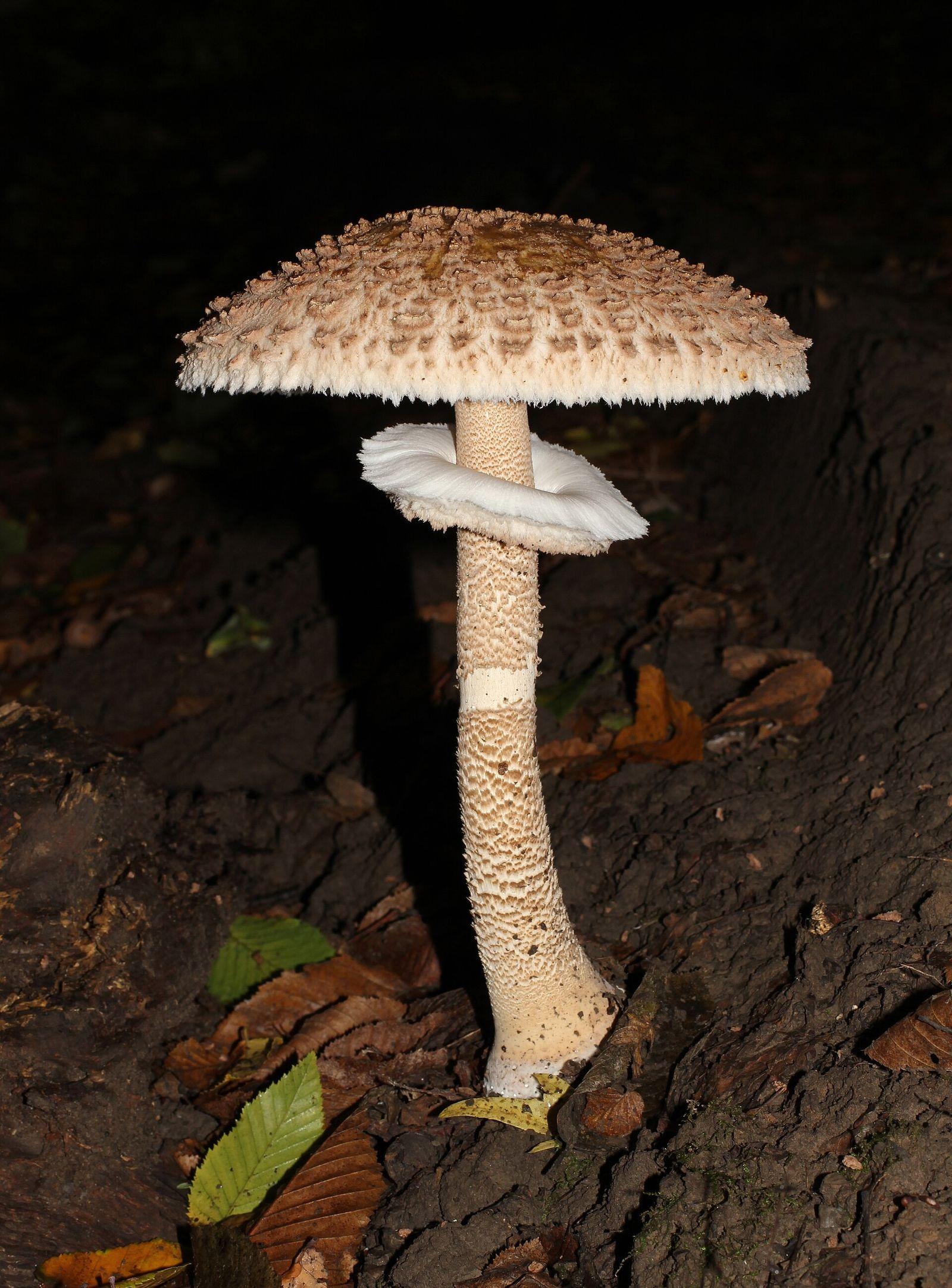
The deadly dapperling is small, under 2 inches, with a cottony ring zone. The parasol is tall, with a snakeskin stem and a thick movable ring.
Lepiota subincarnata
Photo coming
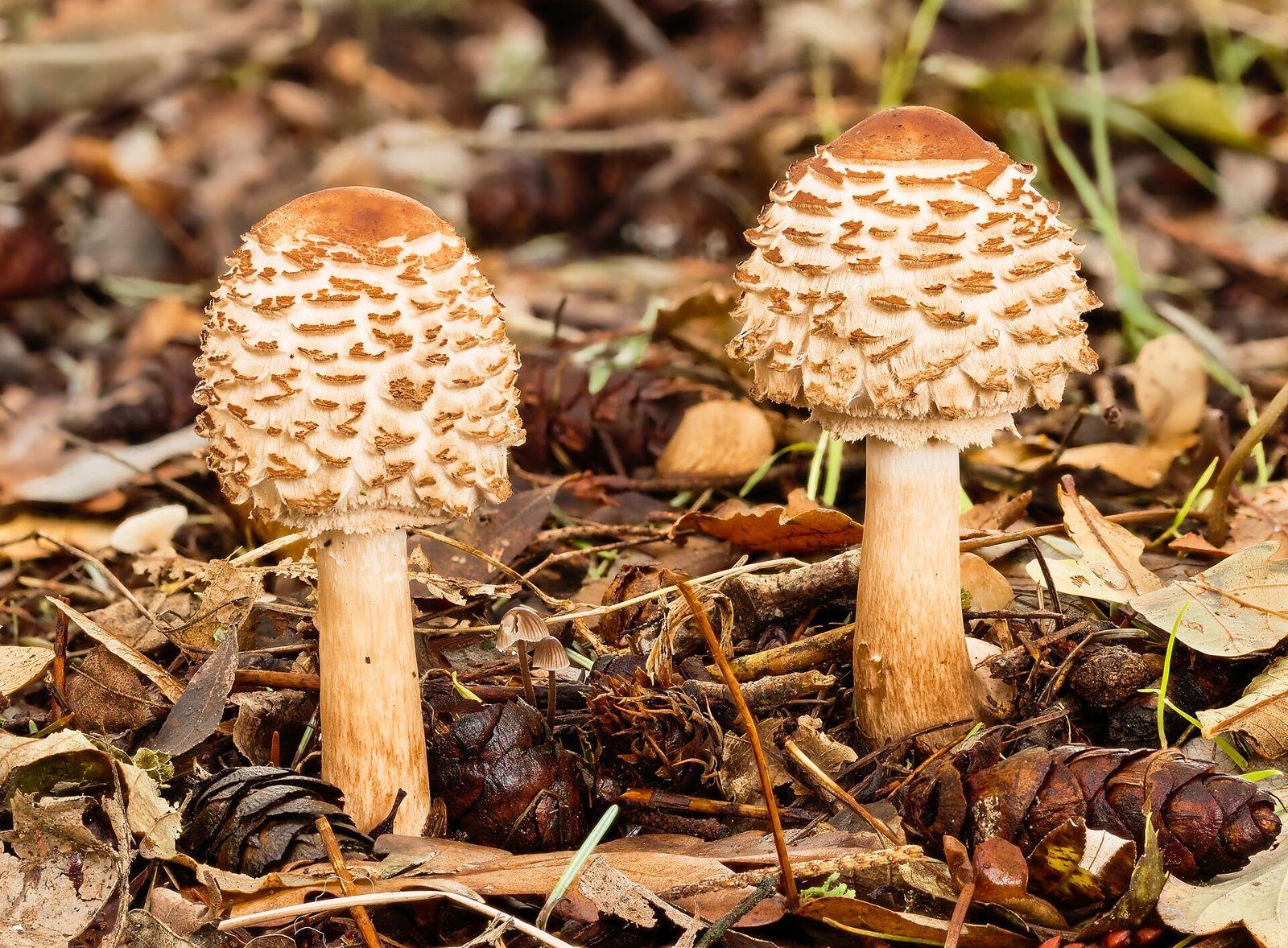
The deadly dapperling is under 2 inches with only a cottony ring zone. The shaggy parasol is large, with a thick movable ring and reddening flesh.
Pholiotina rugosa
Photo coming
Fairy ring mushrooms print white, have no ring and a tough stem. The fool's conecap prints rusty brown, has a small ring and a fragile stem.
Pholiotina rugosa
Photo coming
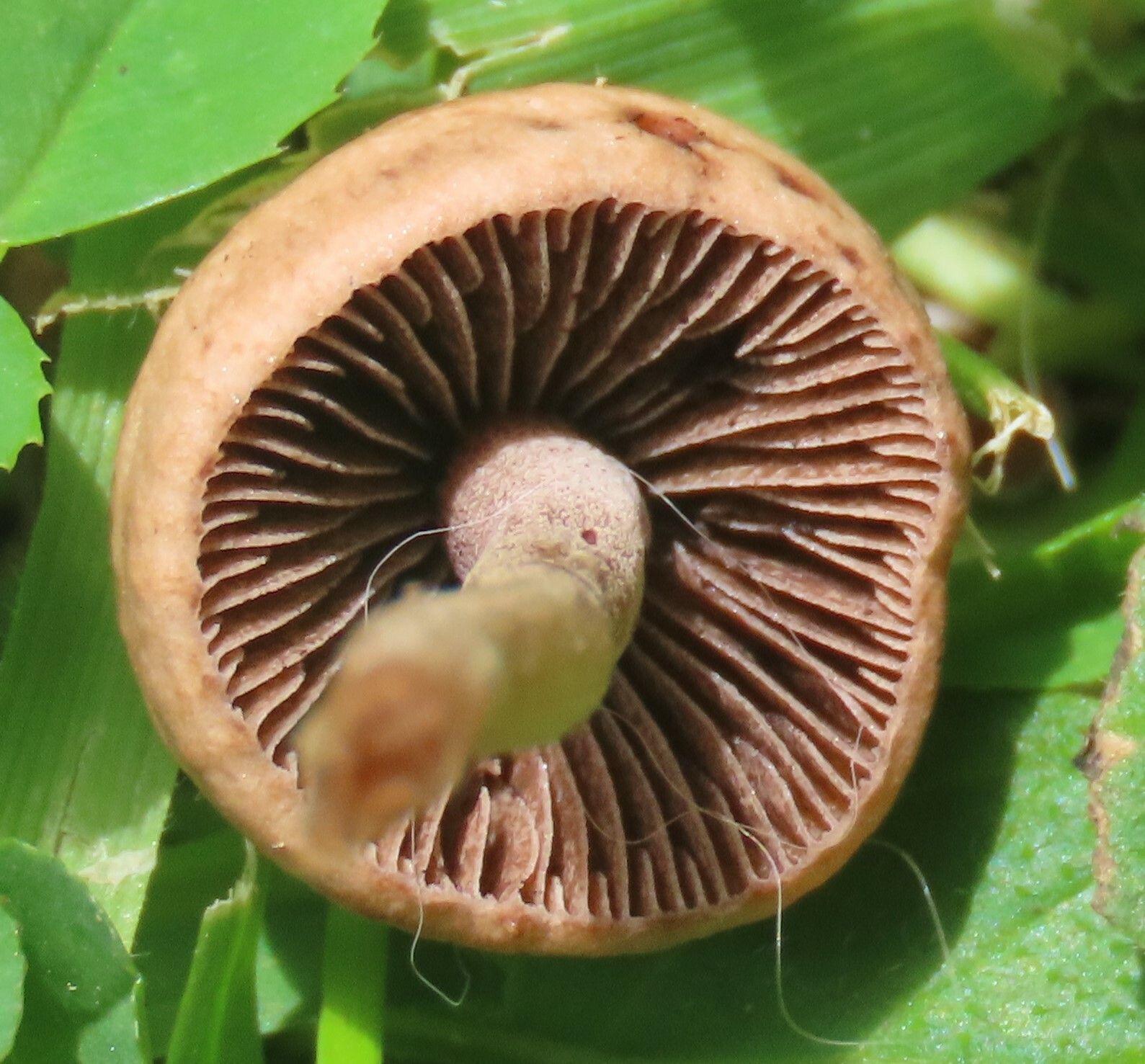
The fool's conecap has a ring and a rusty brown print. The haymaker's mushroom has no ring, mottled brown gills and a dark brown print.
12 pairs
Pairs where one side causes poisoning, from days of vomiting to kidney damage.
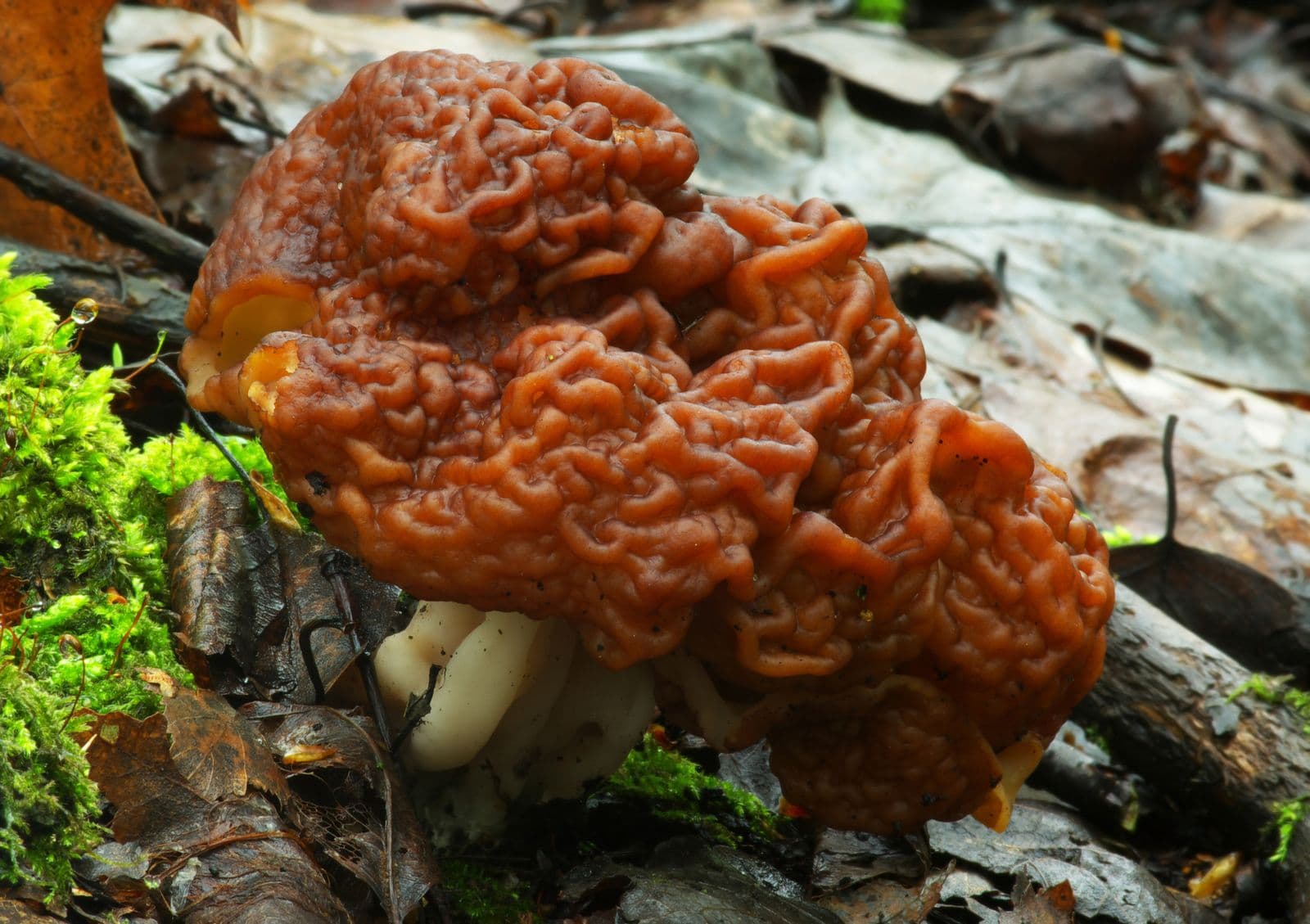
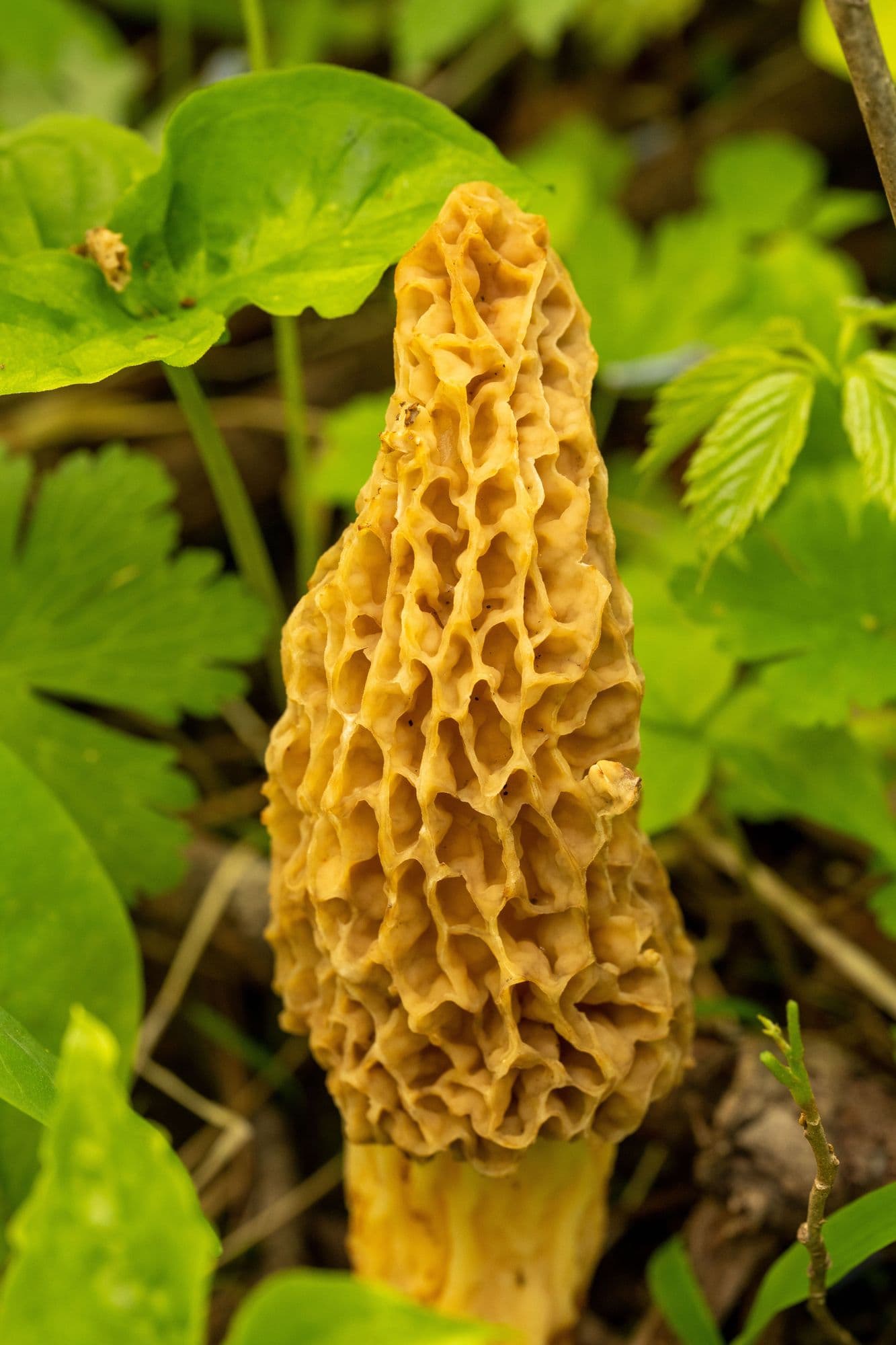
Sliced top to bottom, a true morel is hollow from cap tip to stem base. A false morel is chambered or cottony inside, with a brain-like cap.
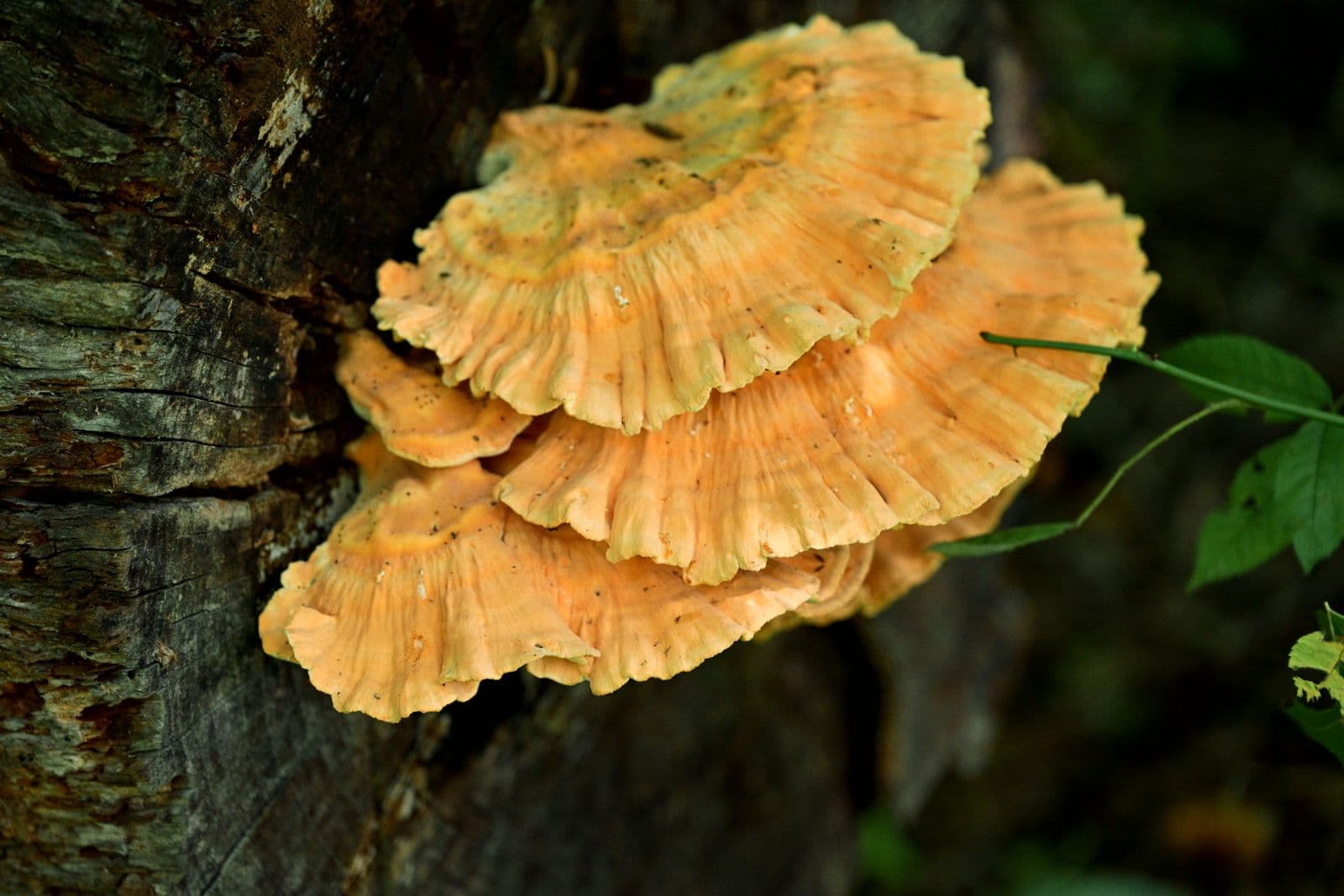
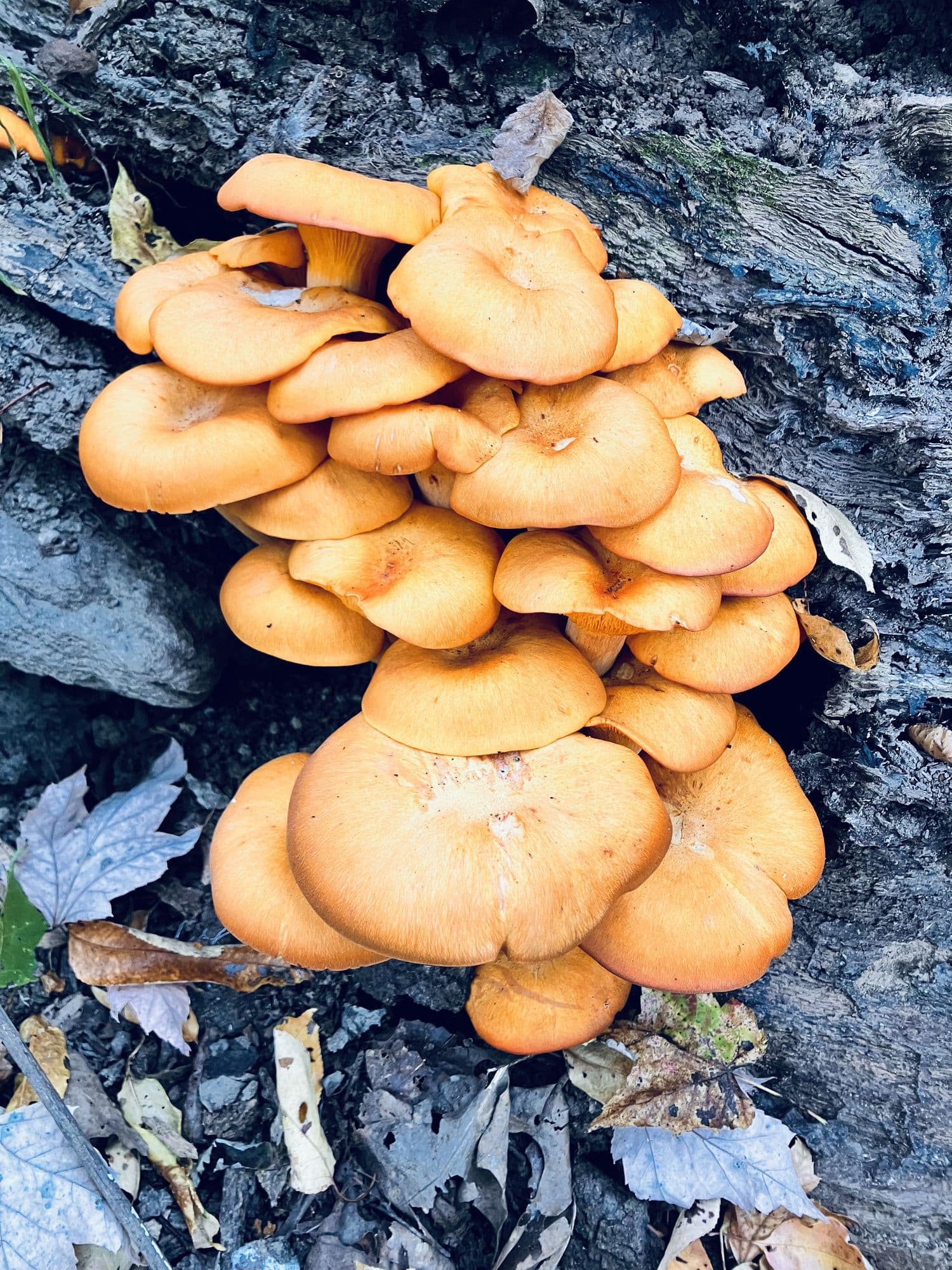
Look under the orange: chicken of the woods has yellow pores and no stems. A jack-o'-lantern has sharp orange gills on separate stems.
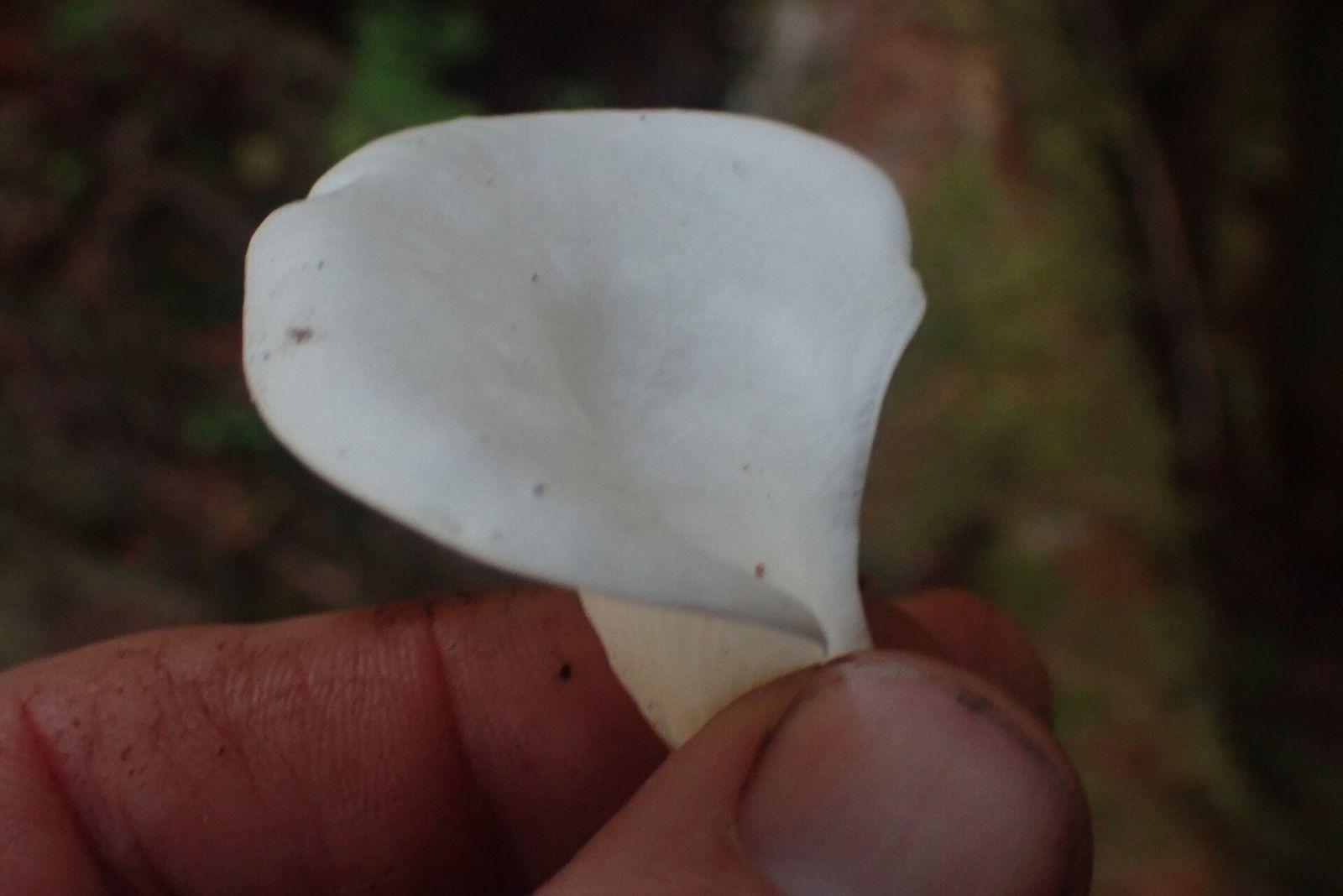
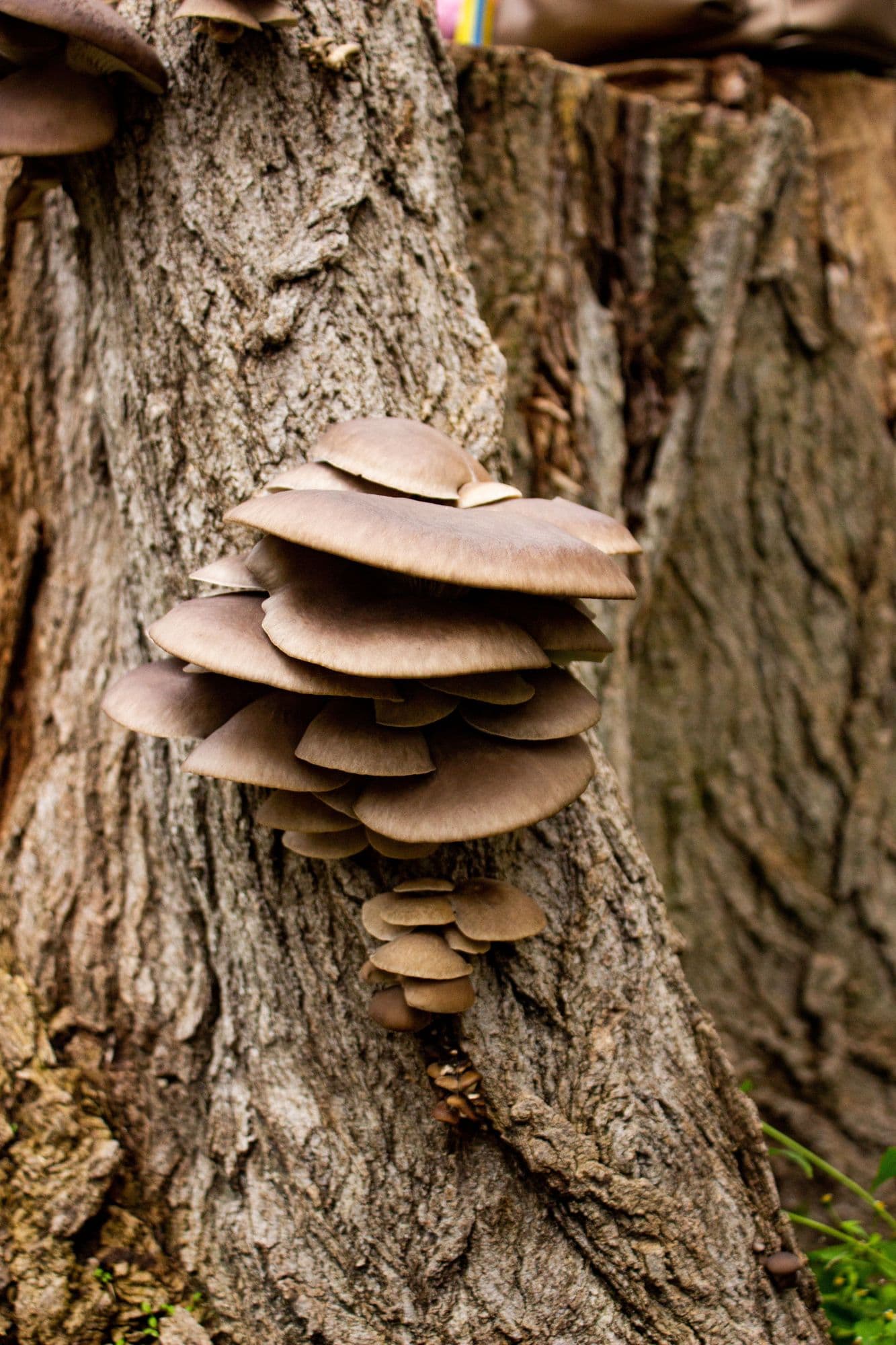
Angel wings are pure white, paper-thin and grow on conifer wood. Oyster mushrooms are thicker, often gray or tan, and grow mostly on hardwoods.
Honey mushrooms have a ring, white gills and white flesh. Jack-o'-lanterns have no ring, sharp orange gills and orange flesh.
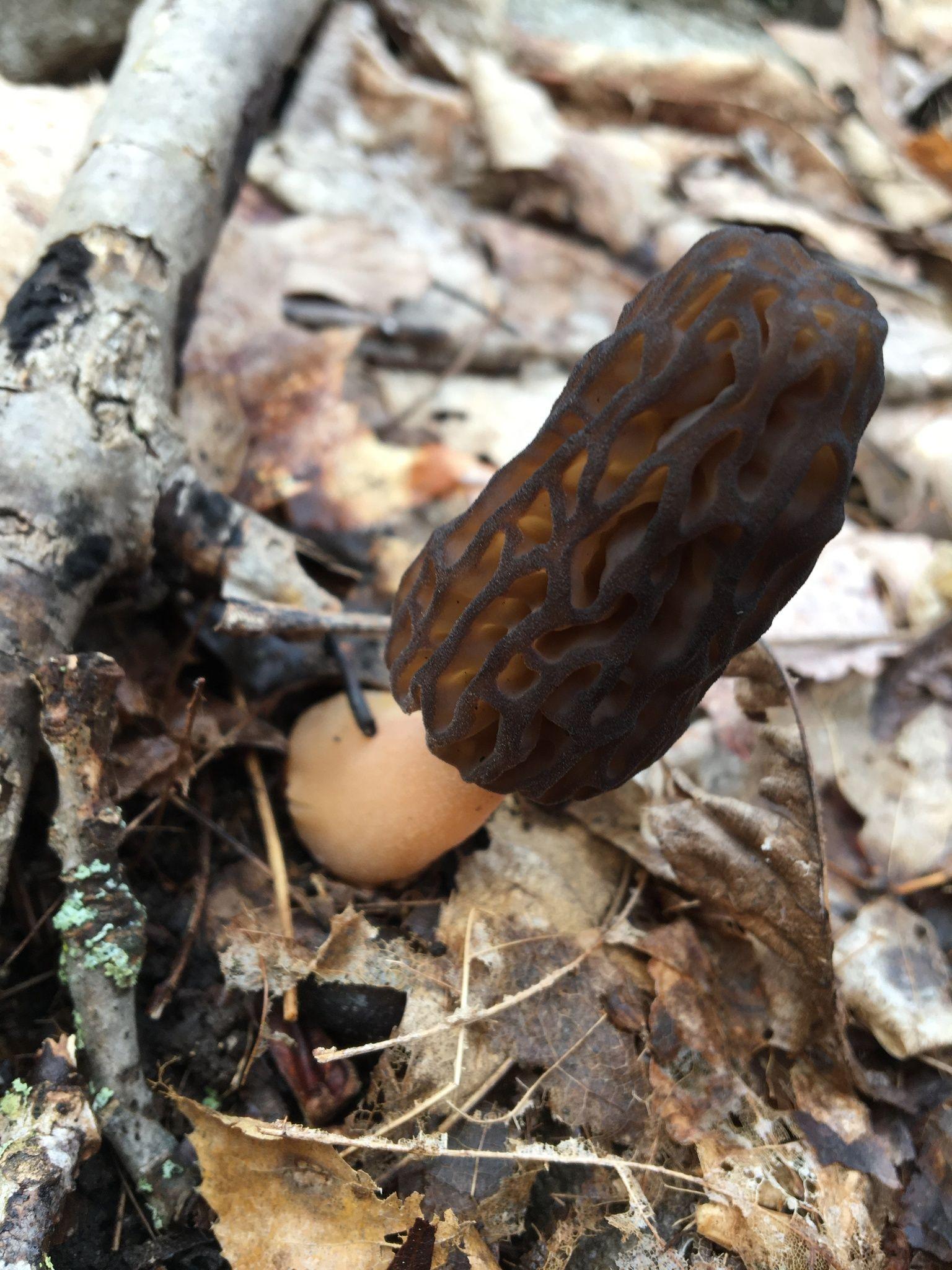
A black morel is hollow from cap tip to stem base, with pits between dark vertical ridges. A false morel is brain-like and cottony inside.
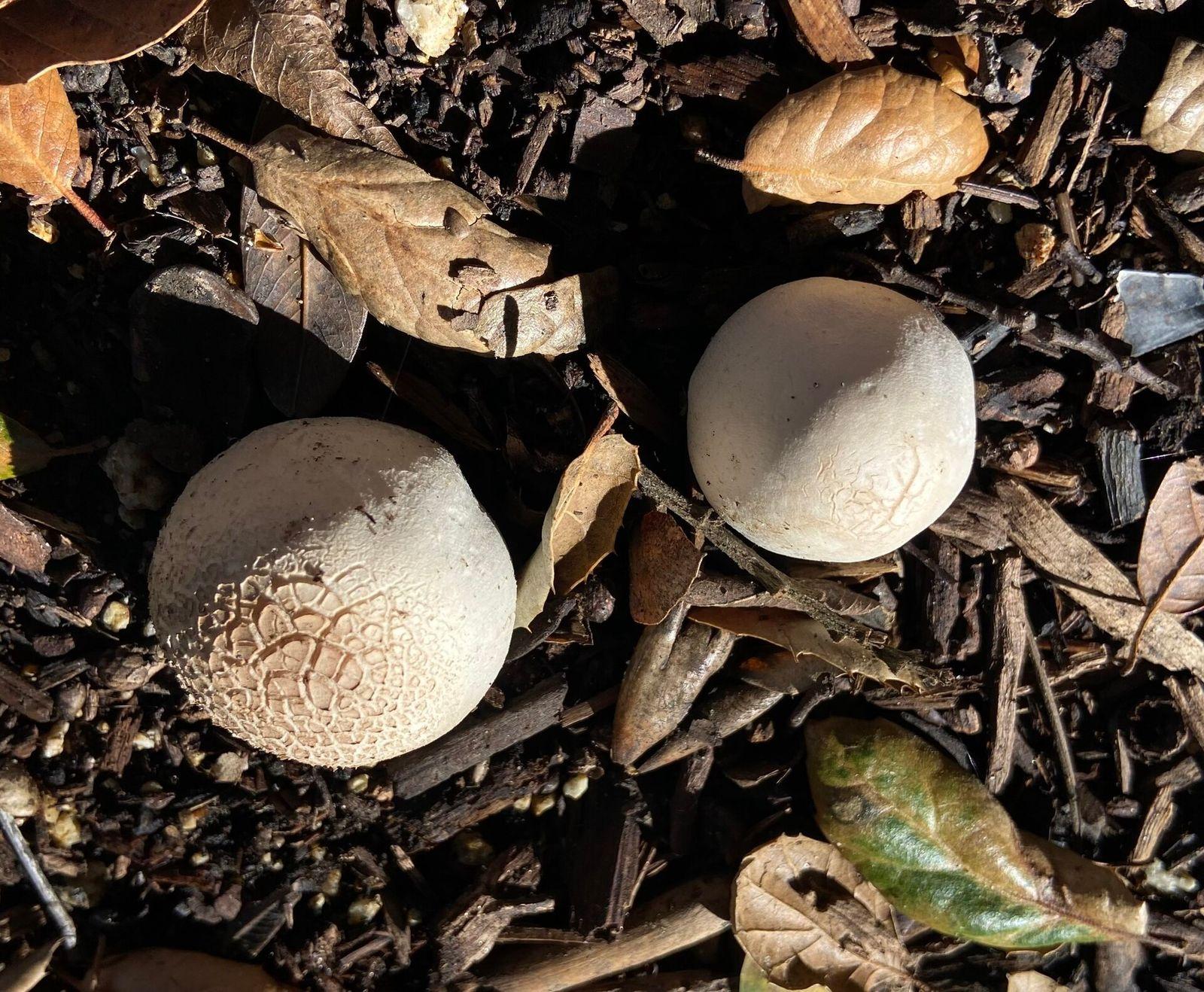
Scratched or cut at the stem base, the yellow stainer turns chrome yellow fast and smells of ink. The horse mushroom yellows slowly and smells of almond.
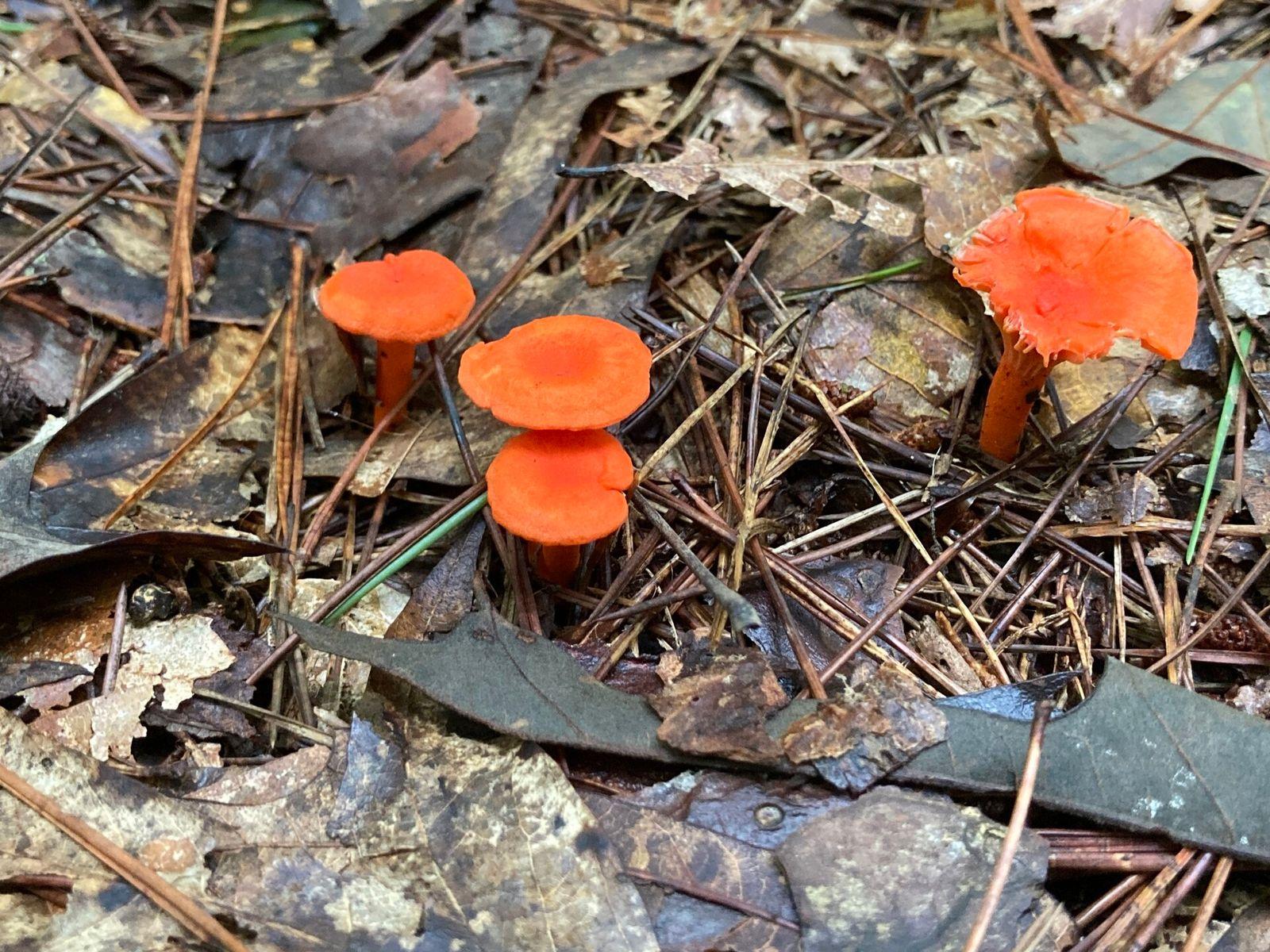
The cinnabar chanterelle is small, red and grows alone on soil with forked false gills. Jack-o'-lanterns are large, orange and clustered on wood.
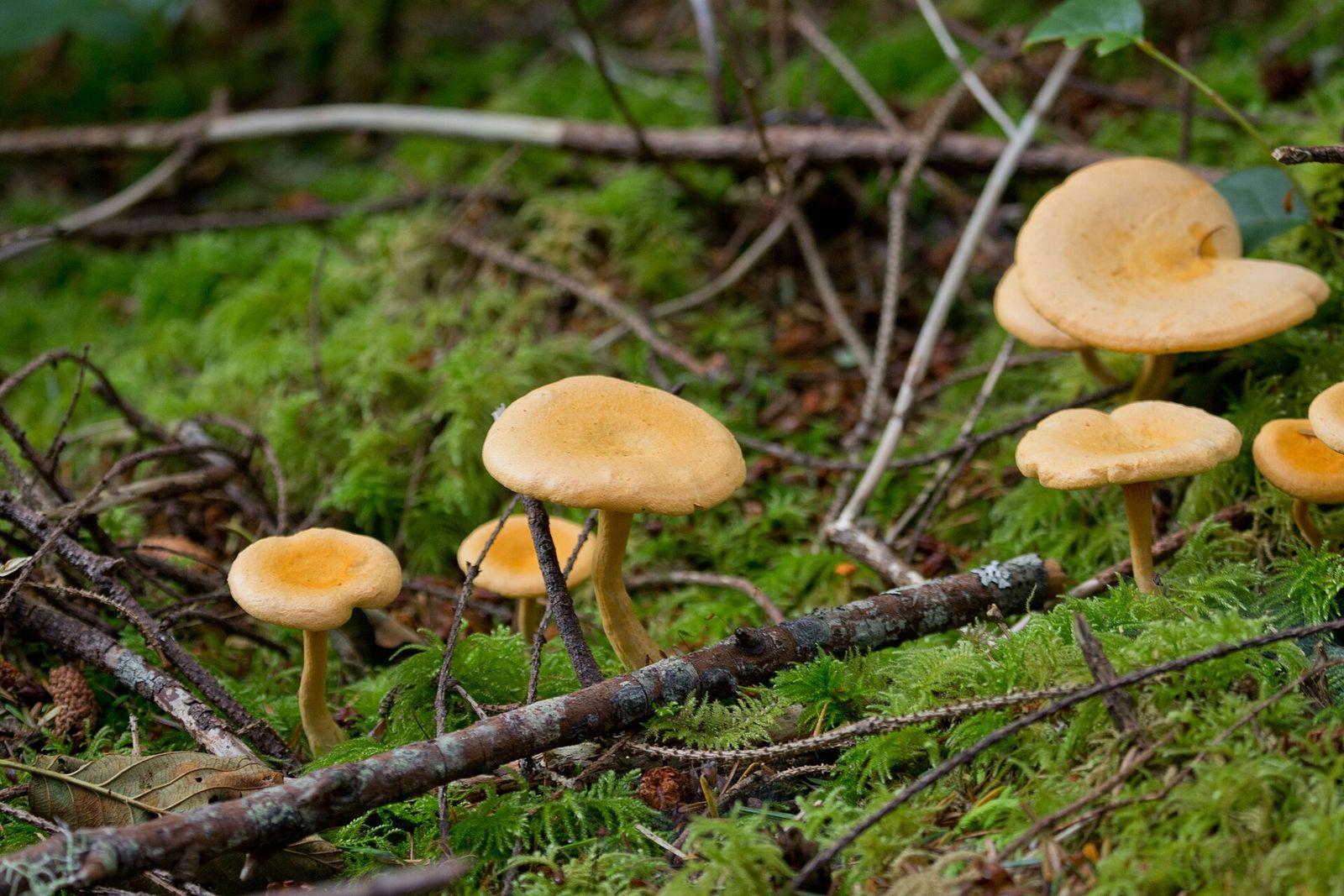
Both have true orange gills. False chanterelle gills fork repeatedly and it grows alone on conifer debris; jack-o'-lanterns cluster on hardwood.
Chanterelles have blunt forked ridges, white stringy flesh and grow from soil. Jack-o'-lanterns have sharp gills, orange flesh and cluster on wood.
Scratched or cut, a yellow stainer's cap and stem base turn chrome yellow, and it smells of ink. A meadow mushroom does not yellow and smells pleasant.
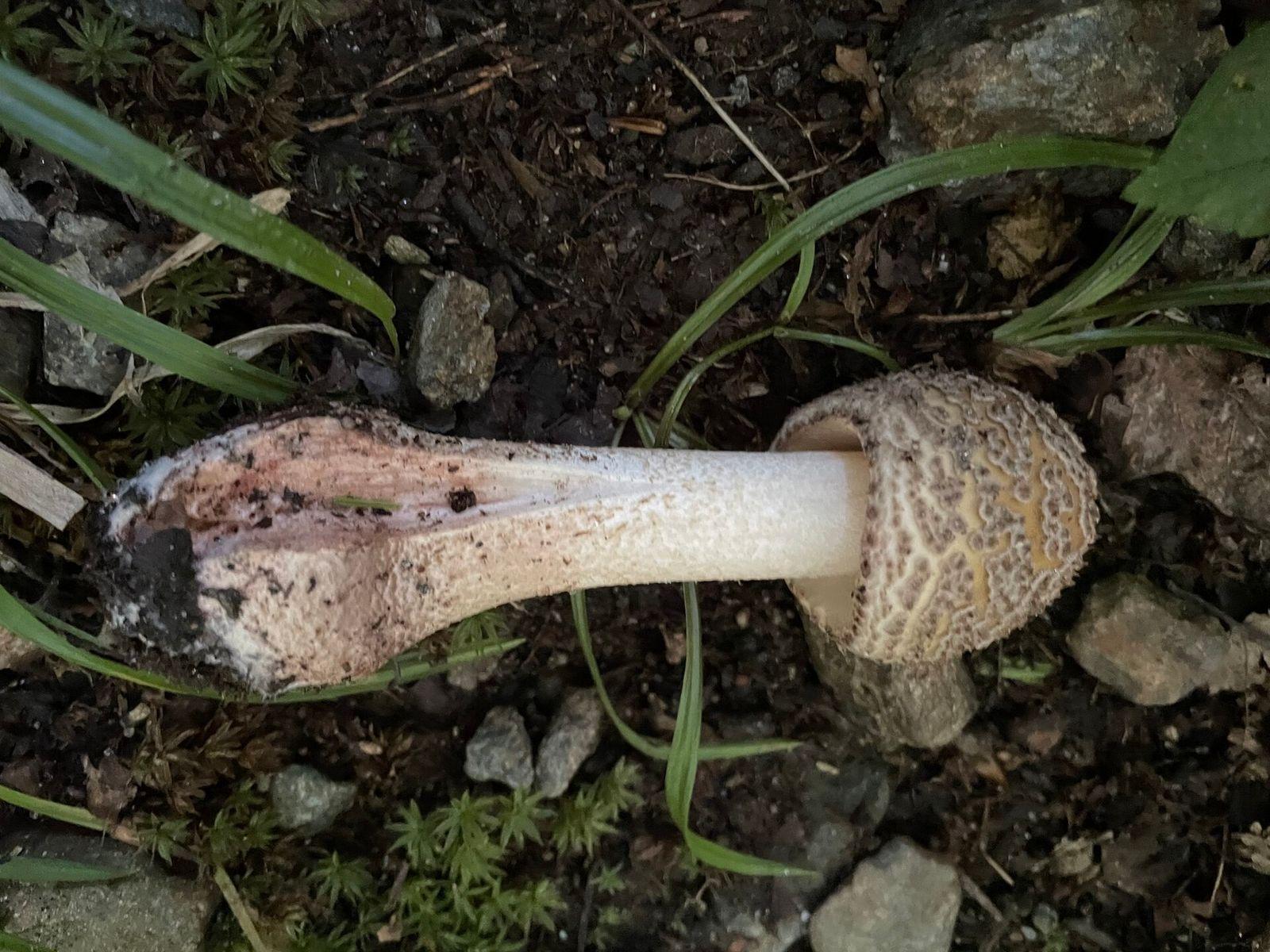
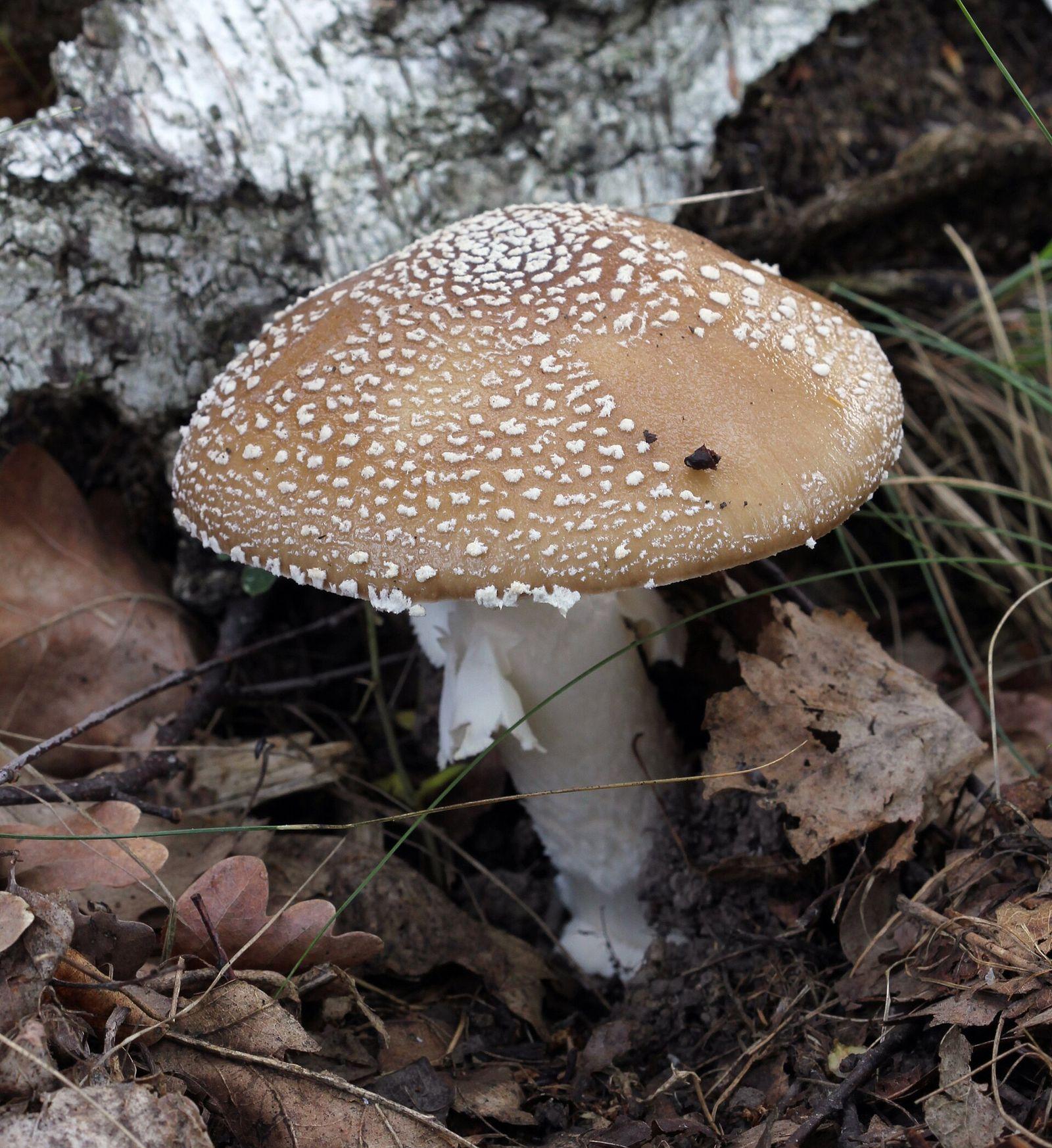
Where cut, blusher flesh slowly turns pinkish red; panther cap flesh stays white. The panther cap has pure white warts and a collared bulb.
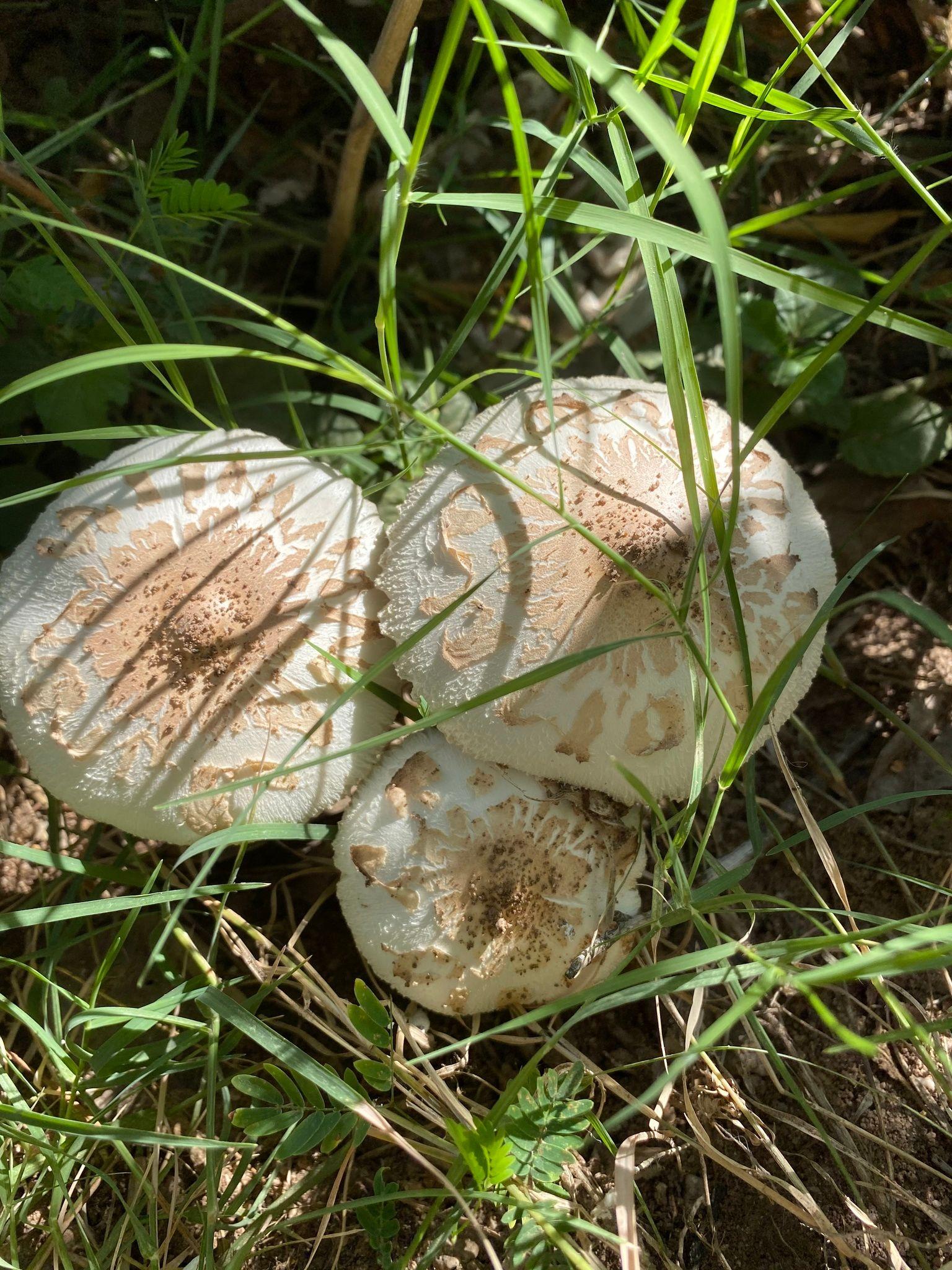
Spore prints differ: the green-spored parasol prints green and its gills age gray-green. The shaggy parasol prints white and keeps white gills.
15 pairs
Species people mix up where neither side is recorded as toxic.
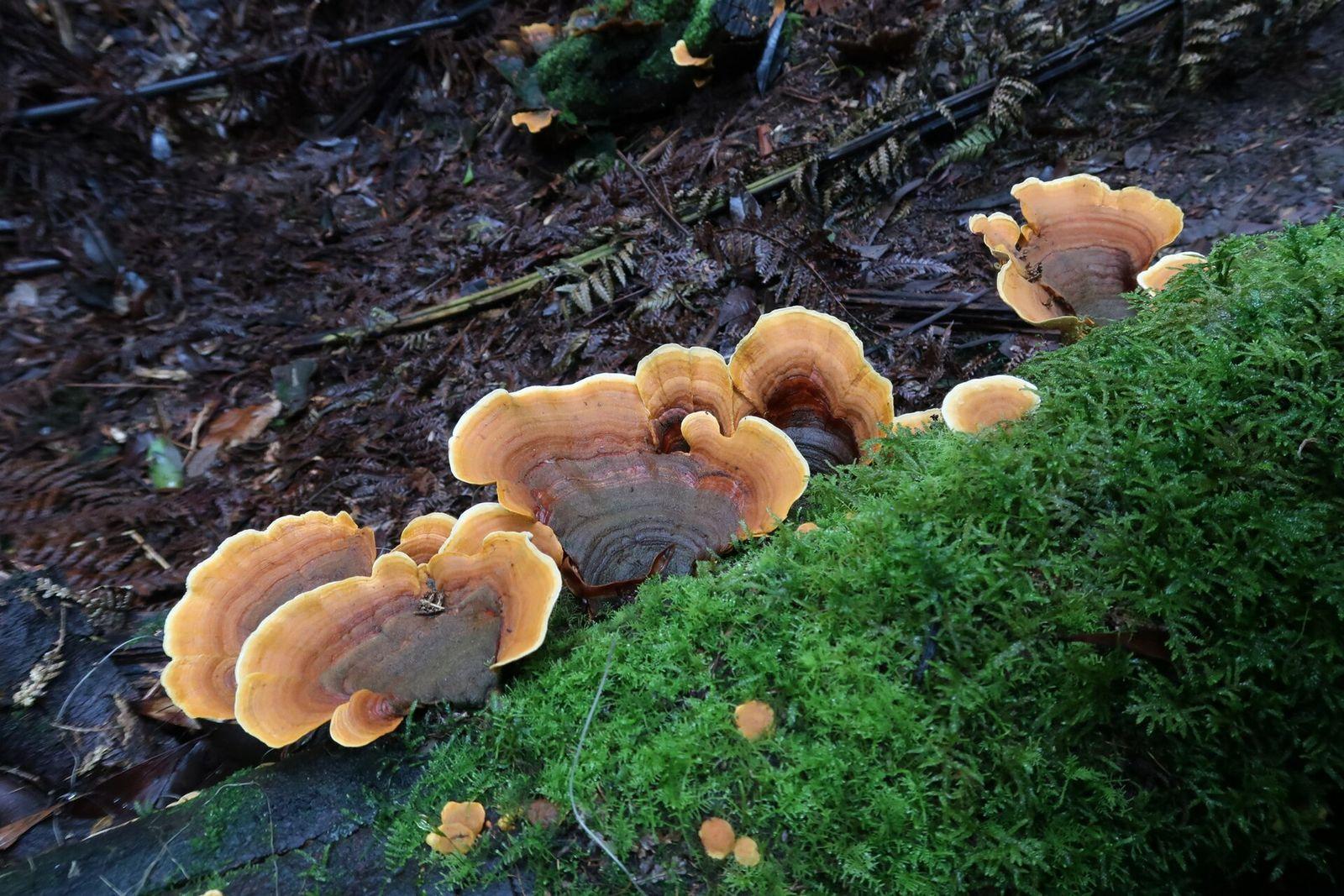
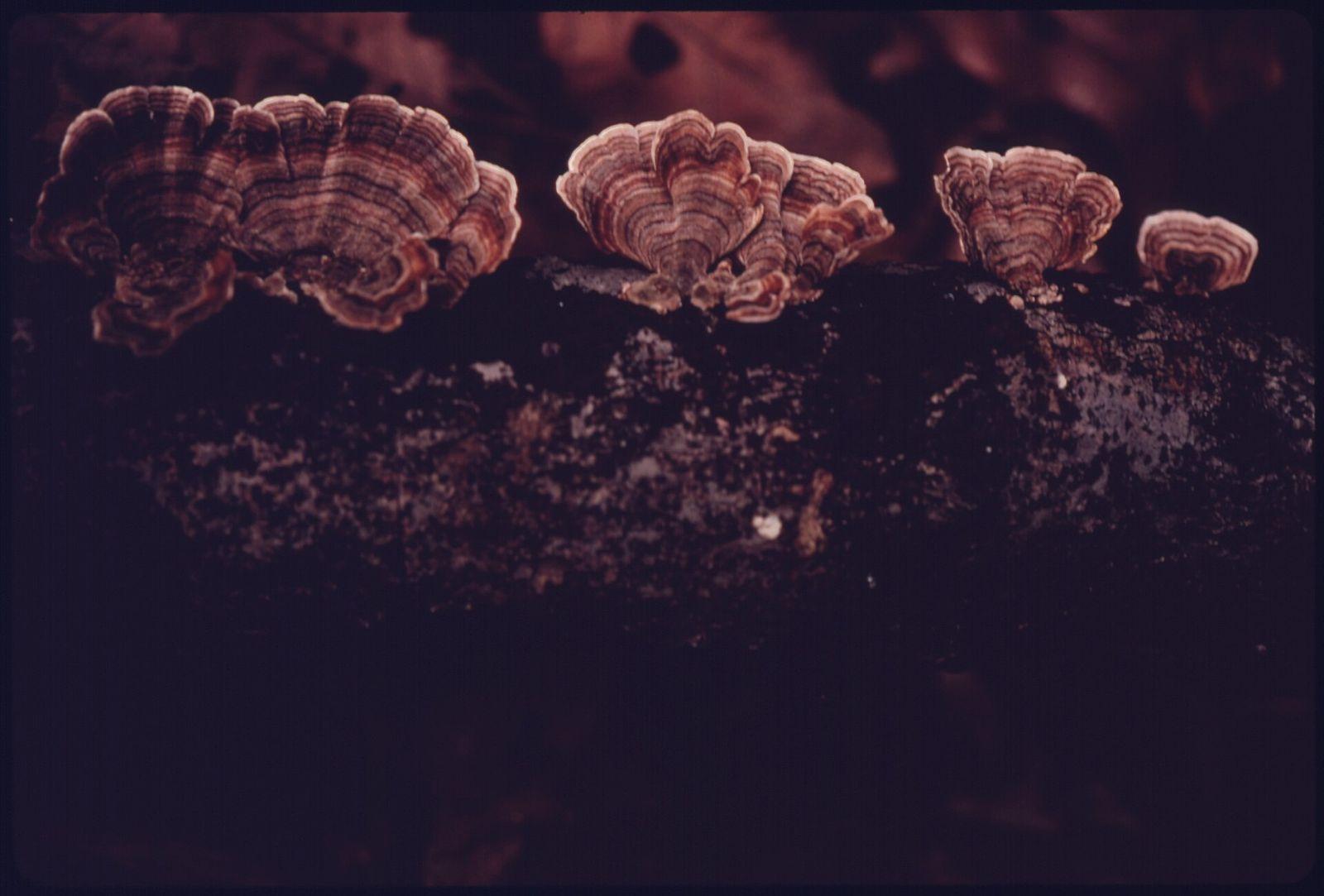
The underside settles it. Turkey tail has tiny pores on a white underside; false turkey tail is completely smooth underneath, with no pores at all.
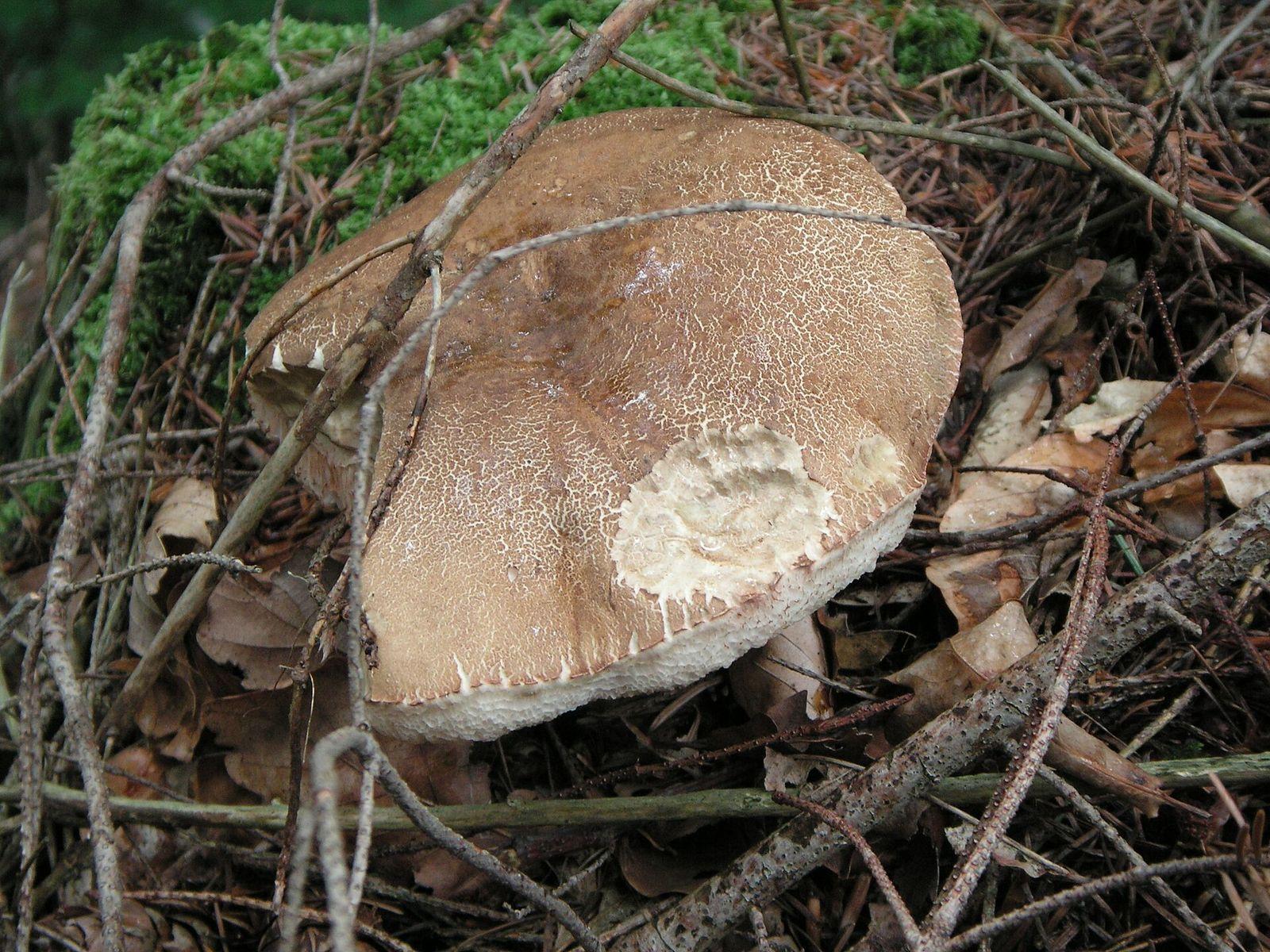
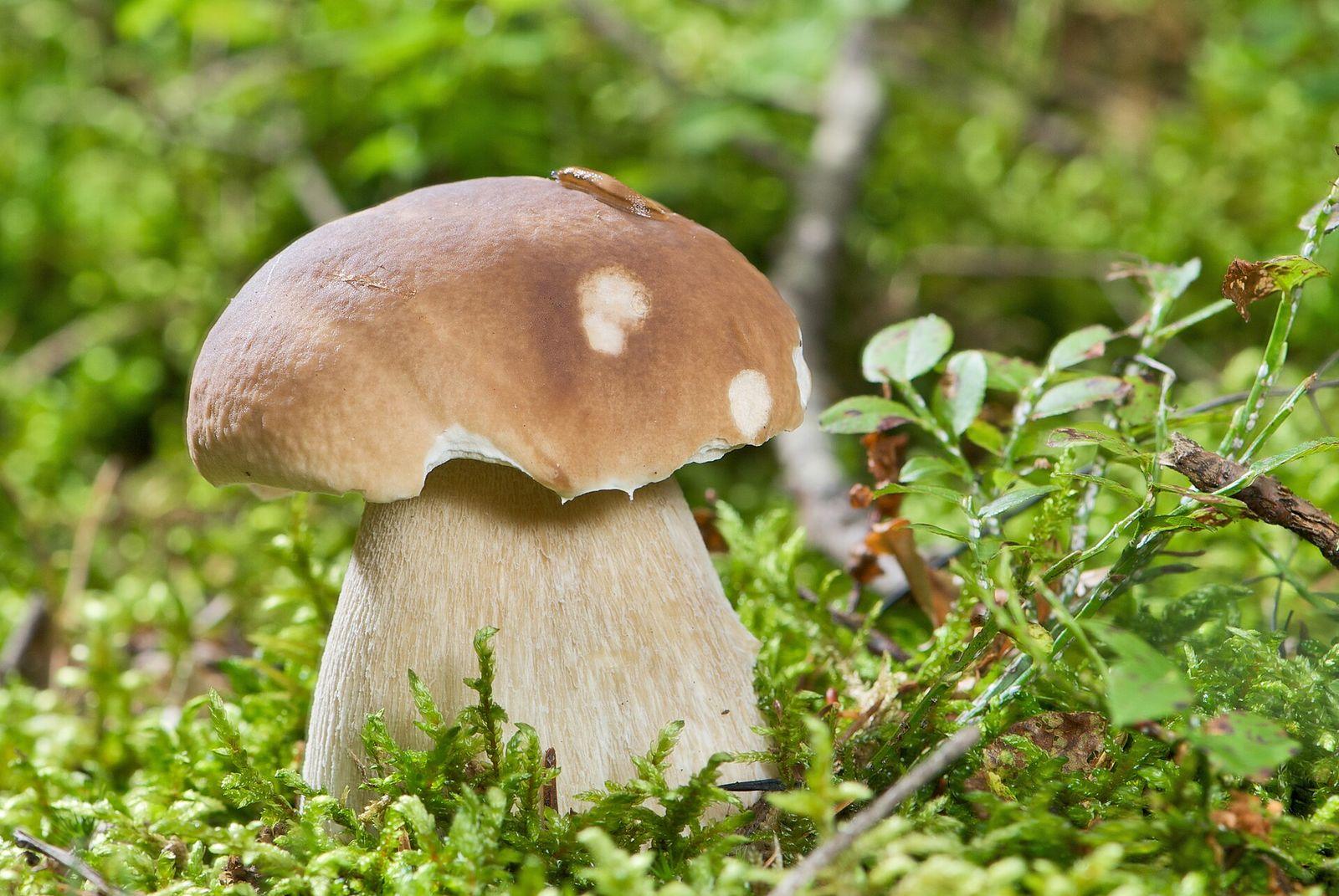
Check the pores and stem net: pink pores and a coarse brown net mean bitter bolete. King boletes have white to olive pores and a fine white net.
Shiitake has a distinct tough stem and gills that stop at it. Oyster mushrooms grow in shelves with little or no stem and gills running down.
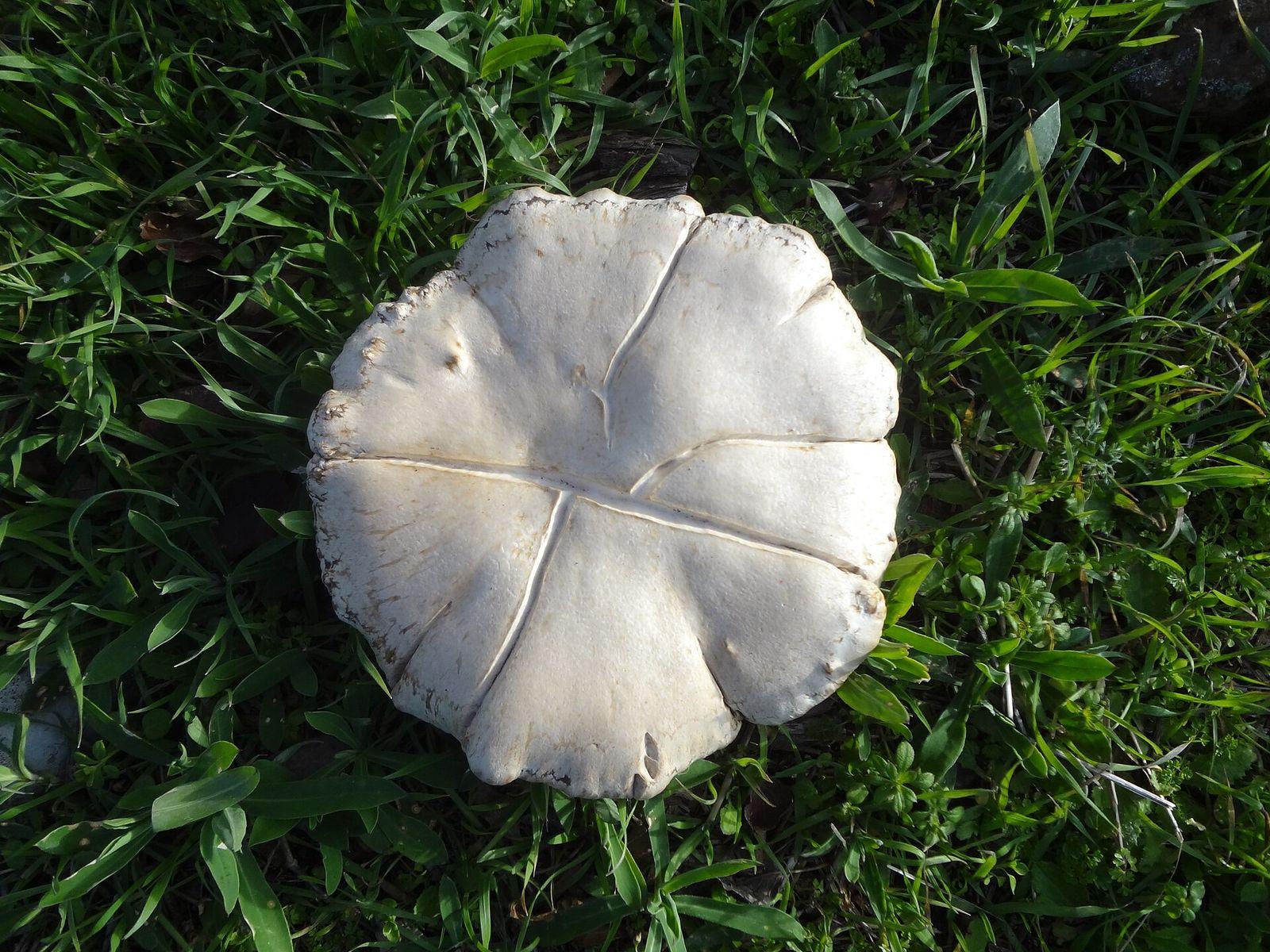
King oysters have a thick white stem bigger than the cap. Common oyster mushrooms grow in shelves on wood with little or no stem.
The parasol has a tall snakeskin-patterned stem and flesh that stays white. The shaggy parasol has a smooth stem and flesh that turns orange-red.
Black morels have dark, mostly vertical ridges and fruit earlier. Yellow morels keep pale ridges in a random honeycomb. Both are hollow inside.
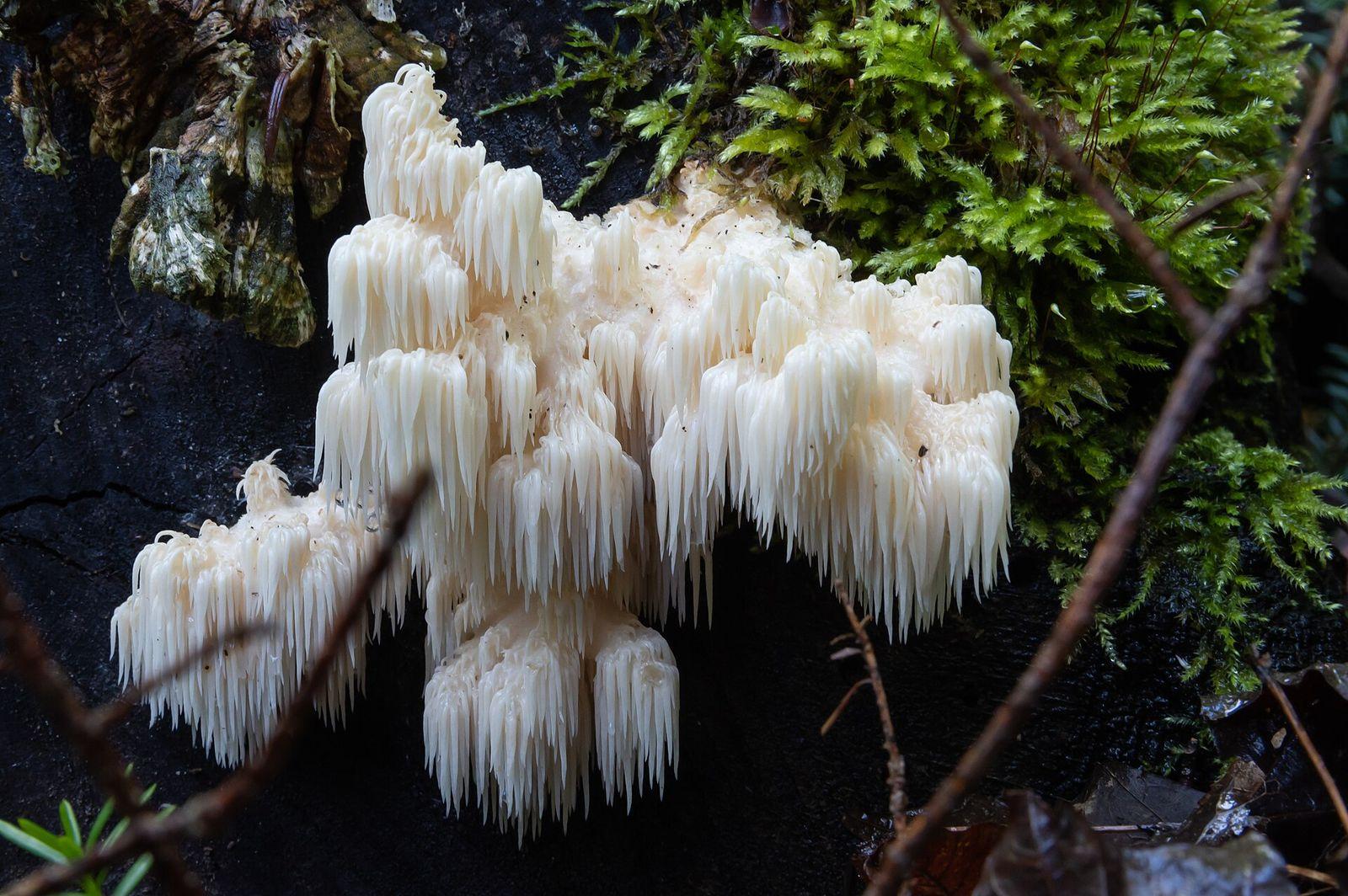
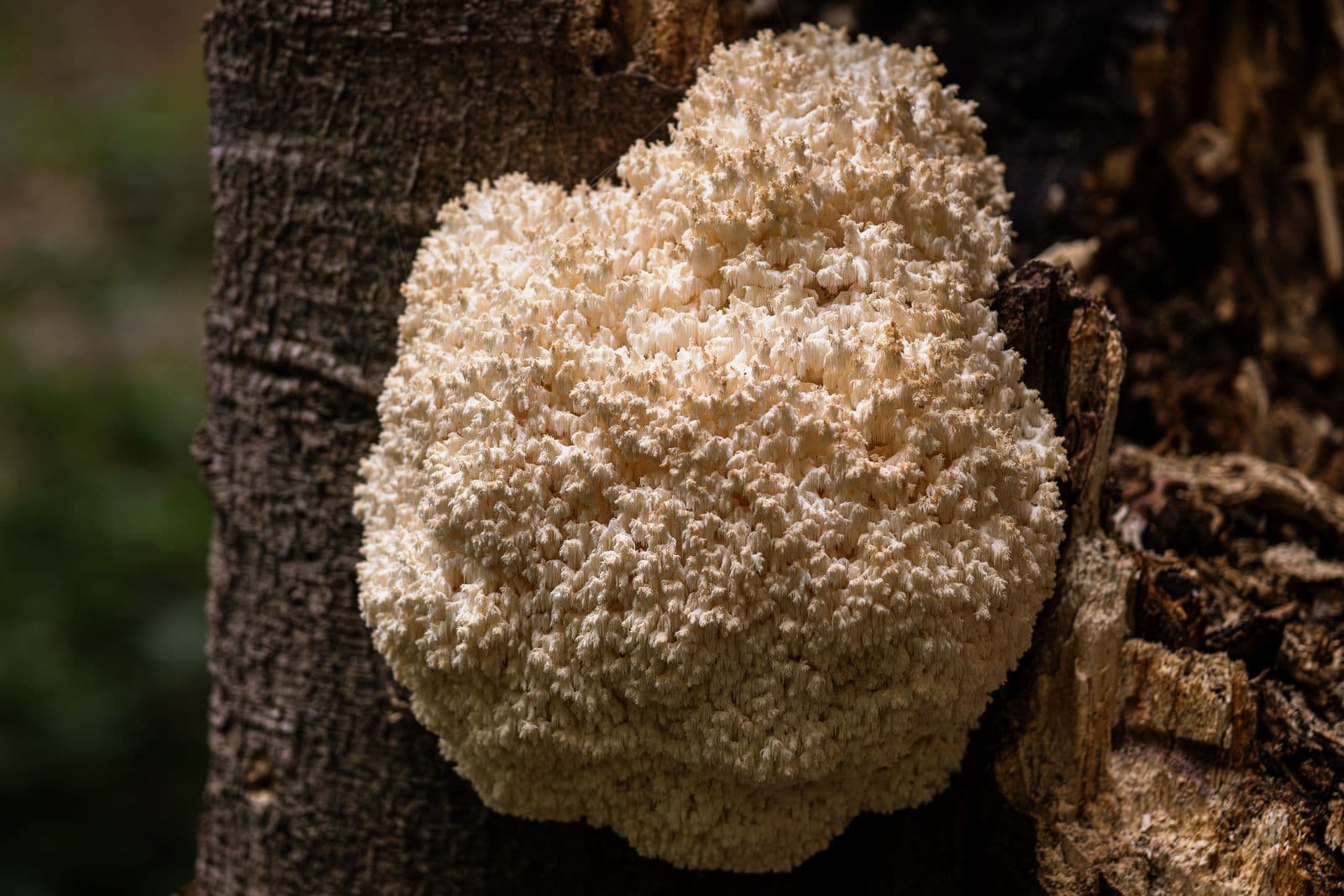
Lion's mane is one unbranched clump of long hanging spines. Bear's head tooth is branched, with its spines hanging in tufts from the branch tips.
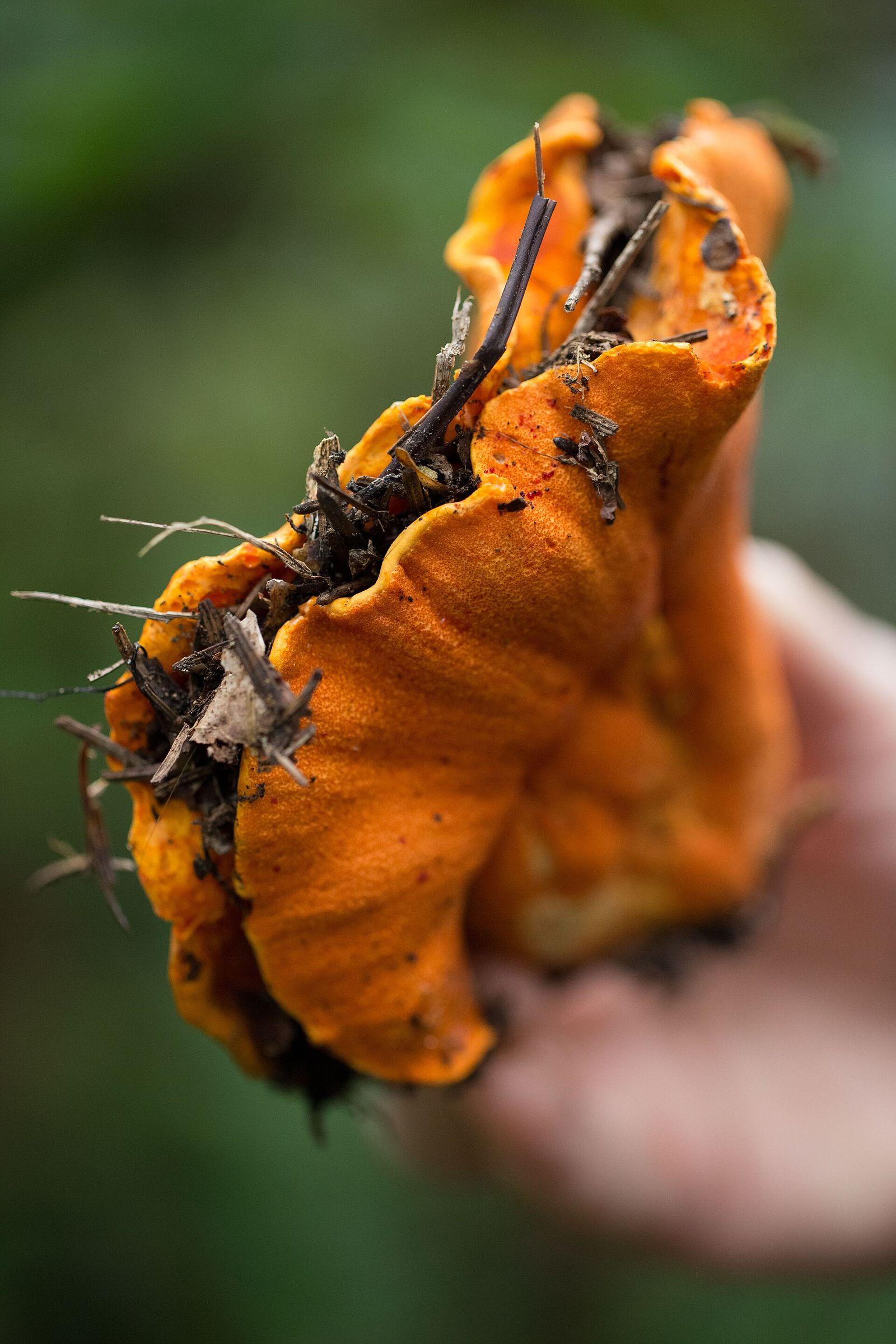
Chicken of the woods grows as orange shelves on wood with yellow pores. The lobster mushroom is a single crusted mushroom on the ground.
Leccinum insigne
Photo coming
Aspen boletes have dark scabers on the stem and grow under aspen. King boletes have a fine white net on the stem and flesh that never darkens.
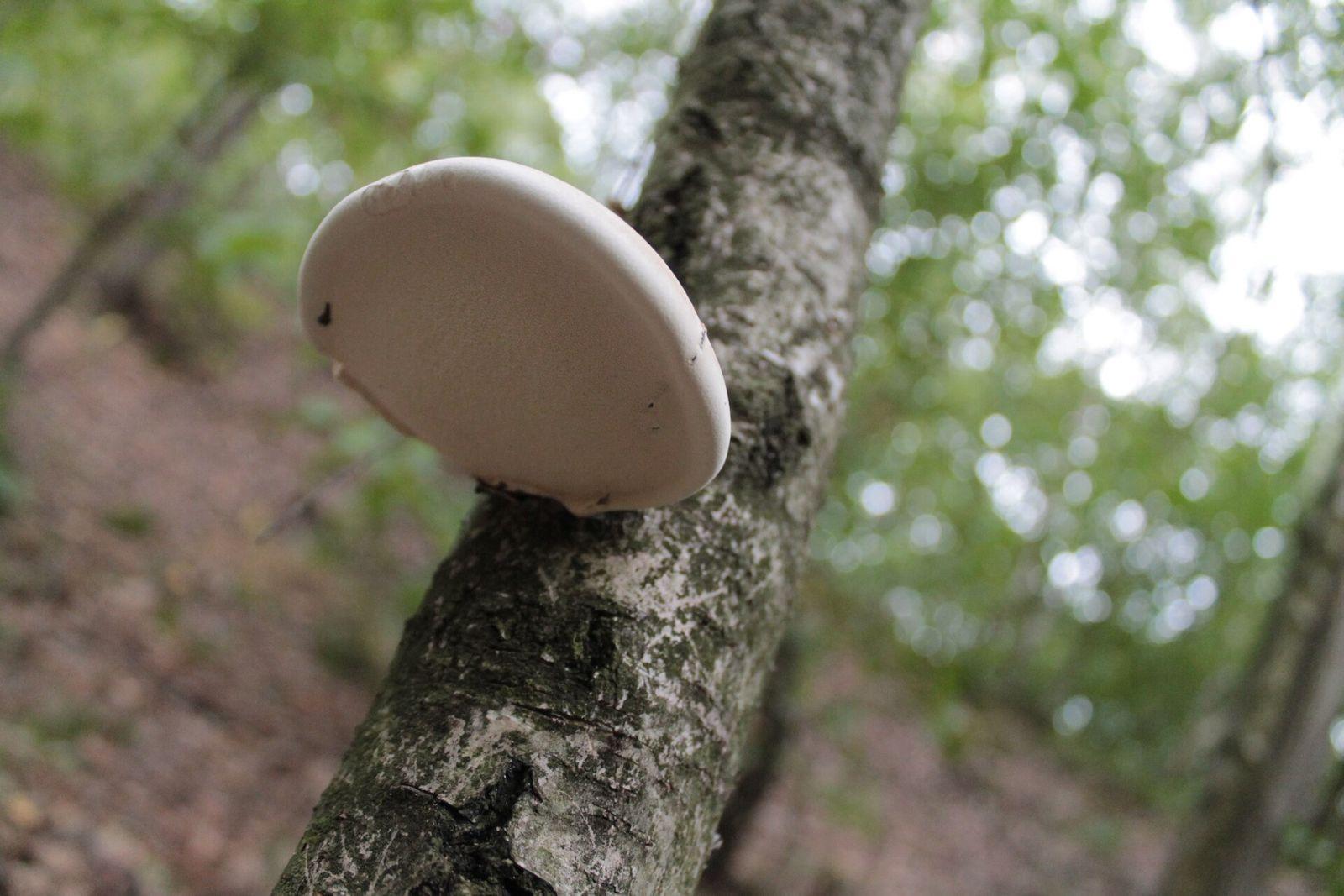
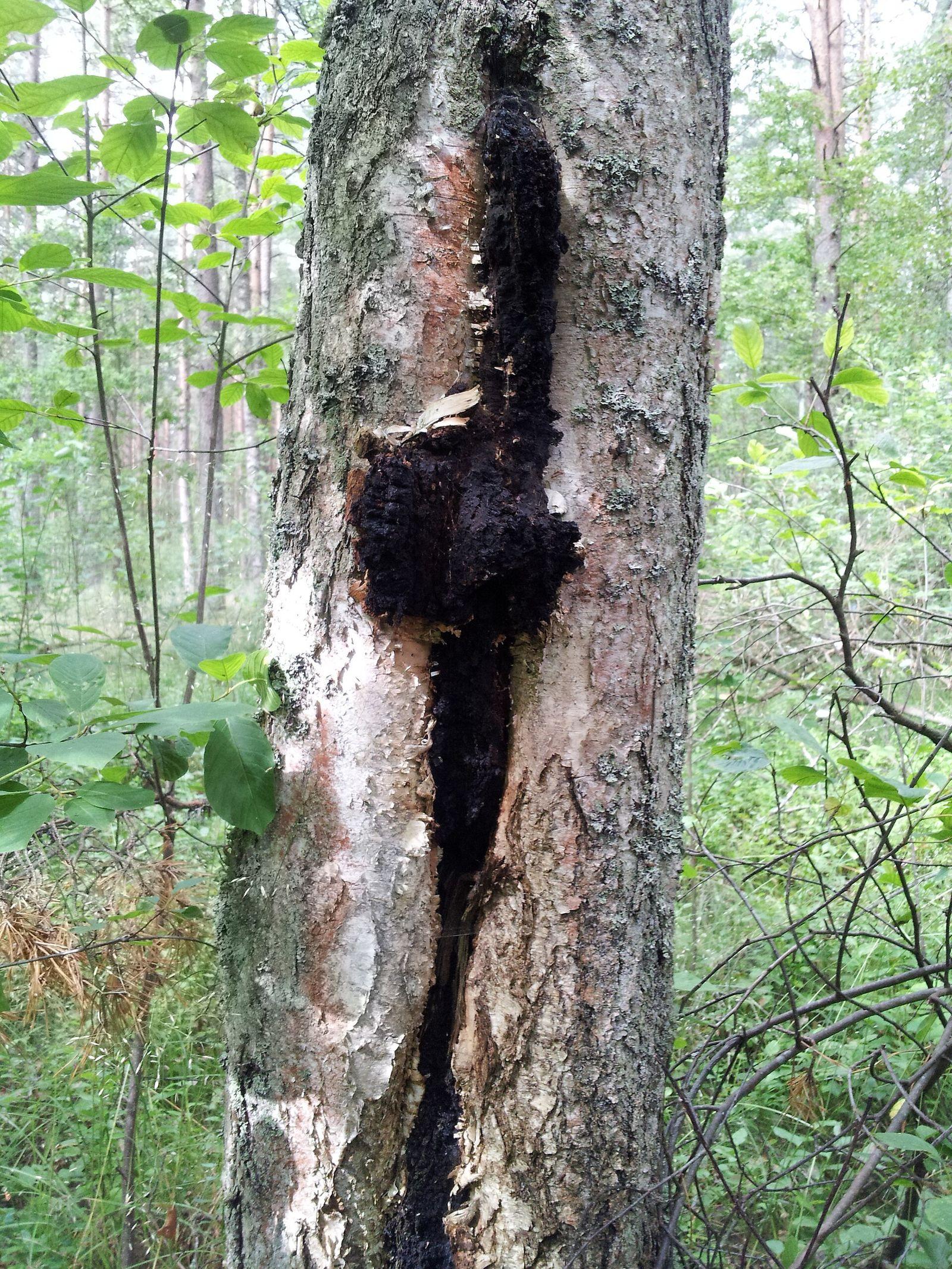
Birch polypore is a smooth pale bracket with white pores underneath. Chaga is a black, cracked lump on living birch, rusty orange inside.
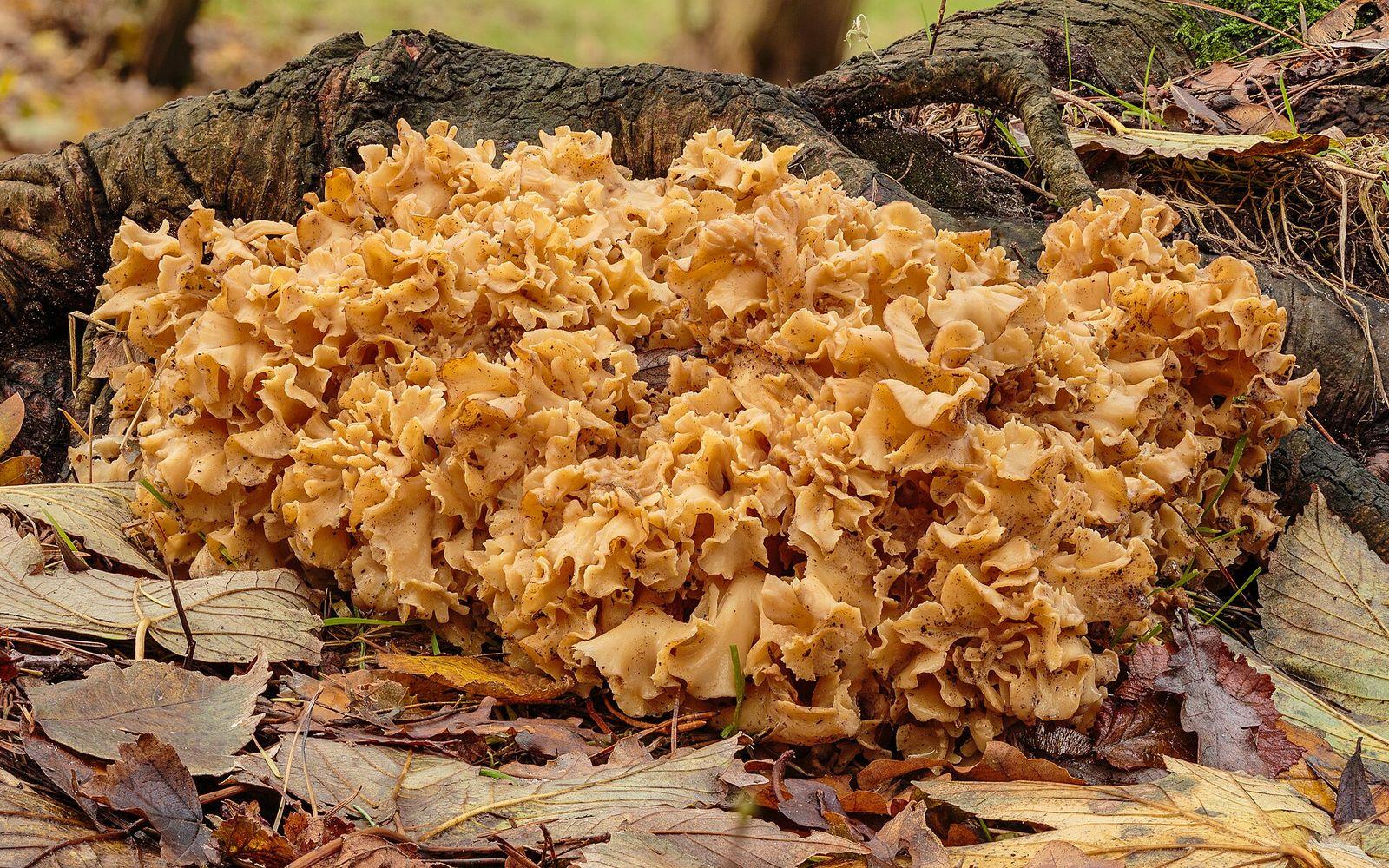
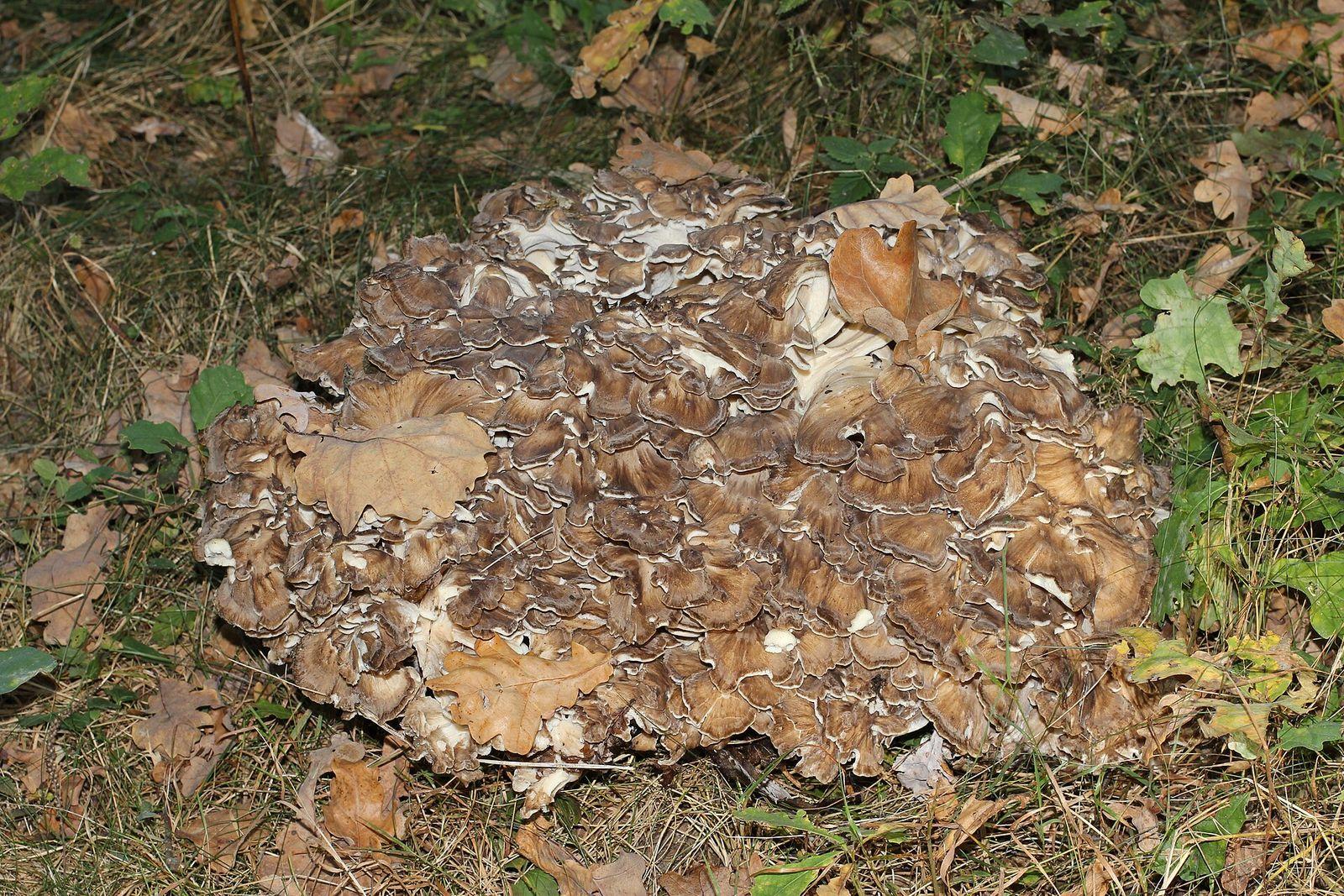
Cauliflower mushroom is a mass of flat, wavy cream lobes at the base of conifers. Hen of the woods has gray-brown caps with pores, at oaks.
Hypsizygus ulmarius
Photo coming
Elm oysters have a distinct stem and gills that stop at it. Oyster mushrooms grow in shelves with gills running down to the attachment.
False chanterelles have thin, crowded, forked true gills and soft flesh. Golden chanterelles have blunt ridges and white flesh that tears into strings.
The honey mushroom has a ring on its stem and a slightly sticky cap. The ringless honey mushroom has no ring at any age and a dry cap.
Horse mushrooms are larger, smell of almond, and have a big ring with a cogwheel underside. Meadow mushrooms have bright pink gills and a thin ring.
These pages are for learning. Nothing on Mushrooms.id is advice to eat, touch or handle any mushroom, and no page or photo can tell you whether a mushroom is safe to eat. Narrow it down with the identification key.
Waitlist
We will send one email when Mushrooms.id opens, and nothing else.
This opens your email app with the request written for you. Send it and we add you to the list. No email app? Write to hello@mushrooms.id with the subject “Add me to the Mushrooms.id waitlist”.