Edible
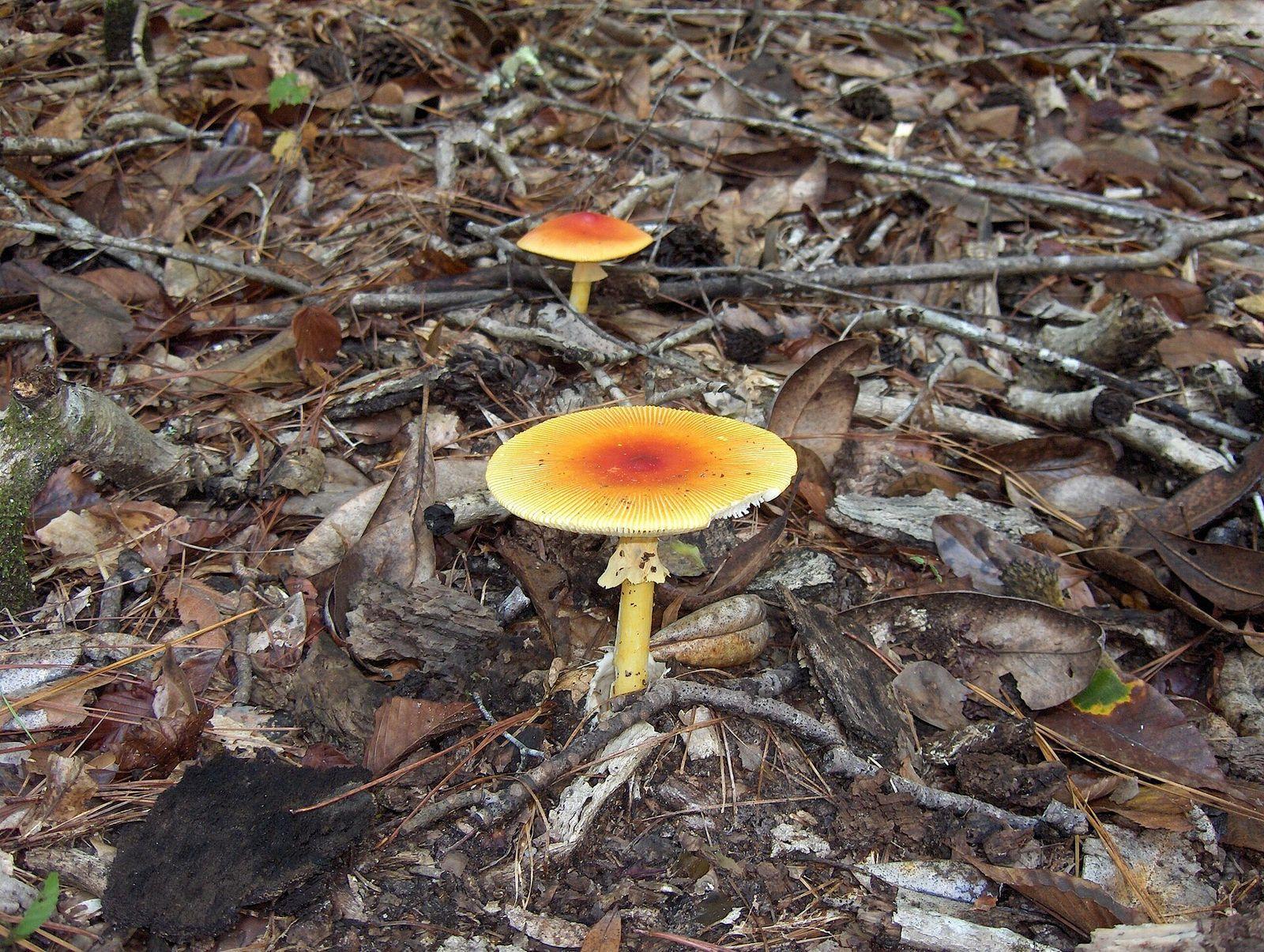
American Caesar's Mushroom
Amanita jacksonii
Bright red to orange cap with a lined edge, yellow gills, a yellow stem and ring, and a thick white sac-like cup at the base.
Species directory
Mushrooms.id will identify any mushroom from a photo and show the lookalikes to rule out. These pages are the field notes behind it, and the list keeps growing.
61 species
Field guides list these as edible. Each page names its lookalikes, the most dangerous first.
Amanita jacksonii
Bright red to orange cap with a lined edge, yellow gills, a yellow stem and ring, and a thick white sac-like cup at the base.
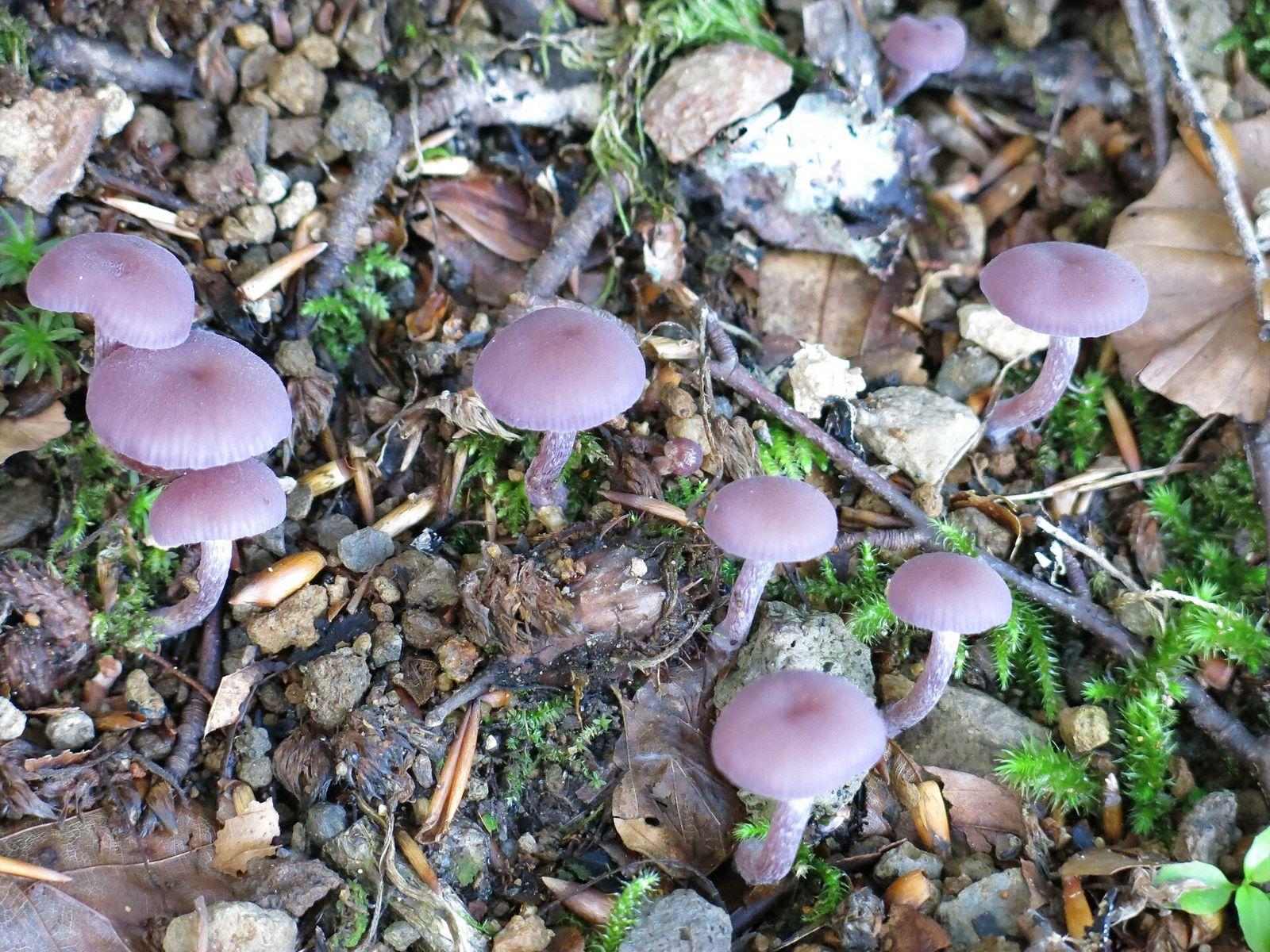
Laccaria amethystina
A small, entirely purple mushroom with thick, widely spaced gills and a white spore print.
Leccinum insigne
Photo coming
Leccinum insigne
An orange to reddish-brown cap on a whitish stem covered in small dark scabers, under aspen.
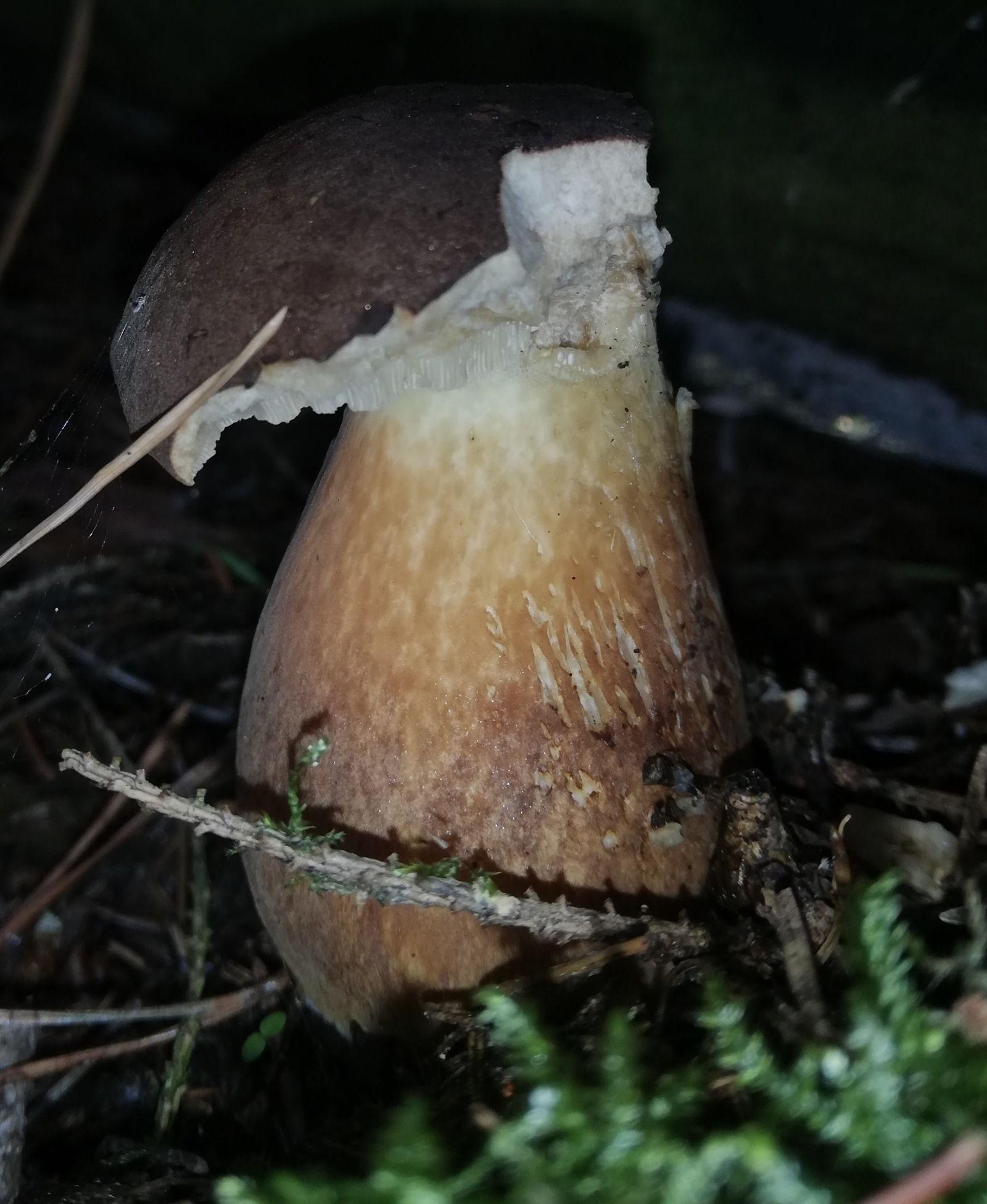
Imleria badia
A chestnut-brown cap over pale yellow pores that bruise blue-green, on a smooth brown stem with no netting.
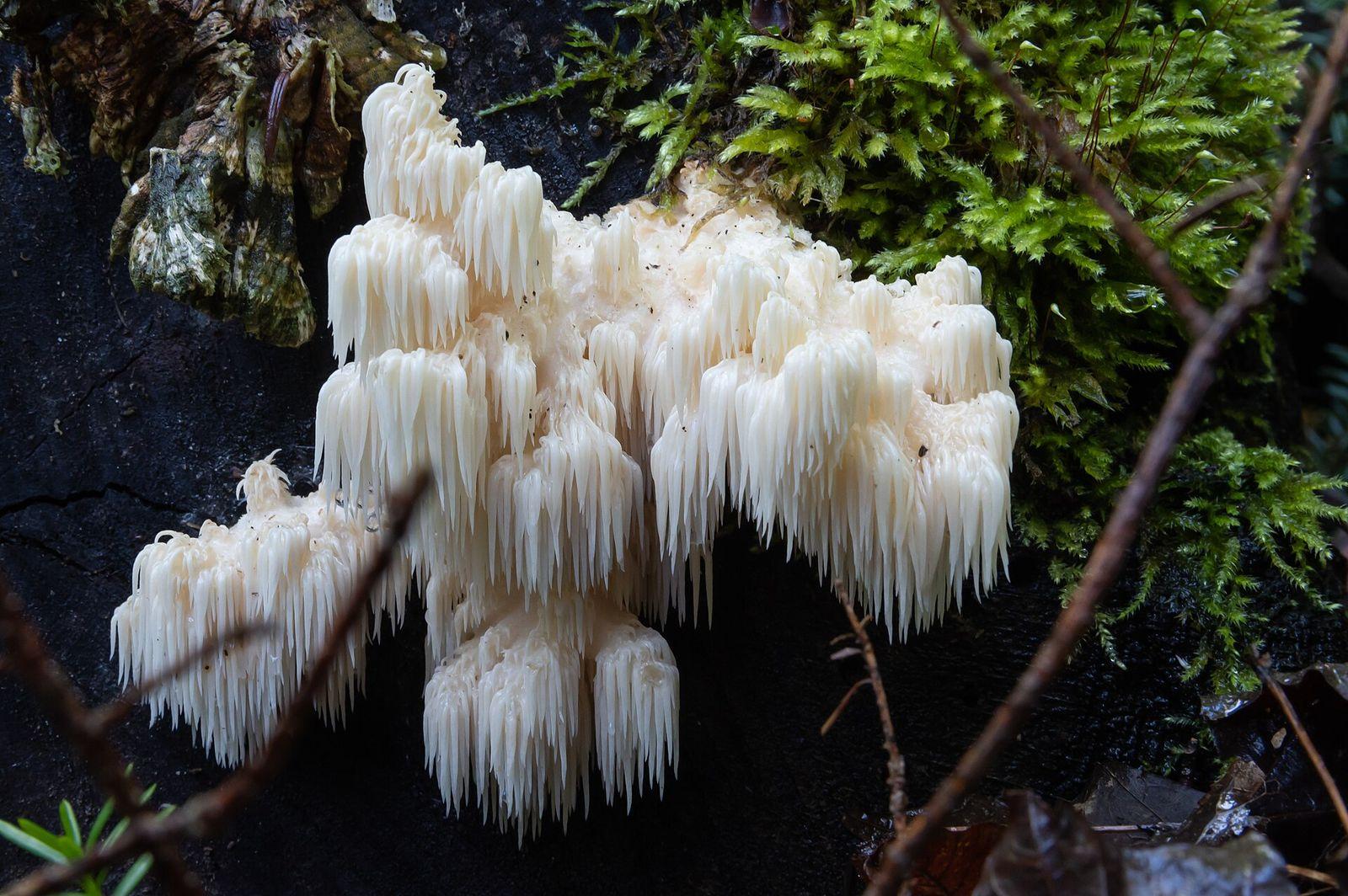
Hericium americanum
White, branched mass with long spines hanging in tufts from the branch tips.
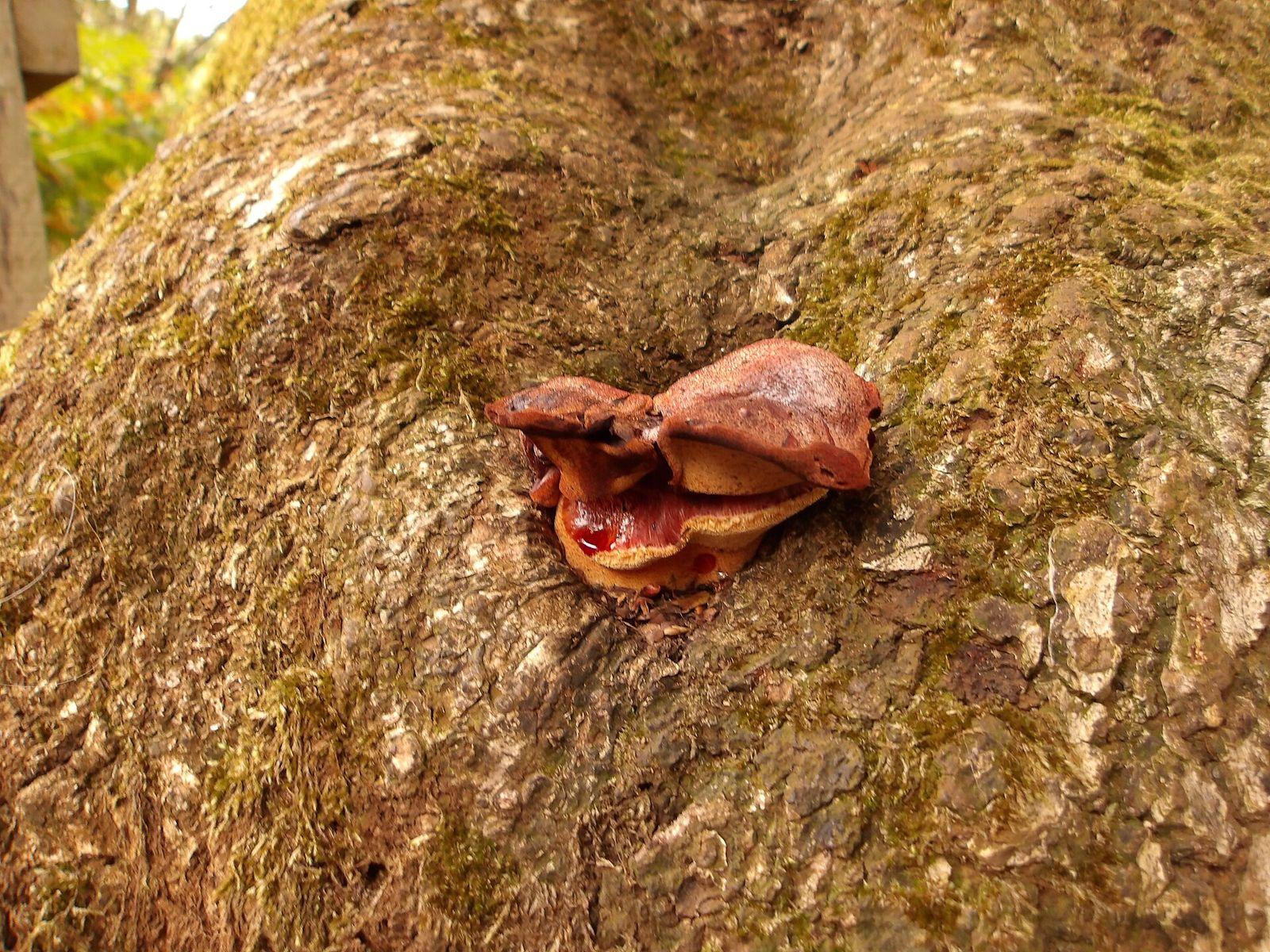
Fistulina hepatica
A blood-red, tongue-shaped bracket on oak whose cut flesh looks like raw meat and oozes red juice.
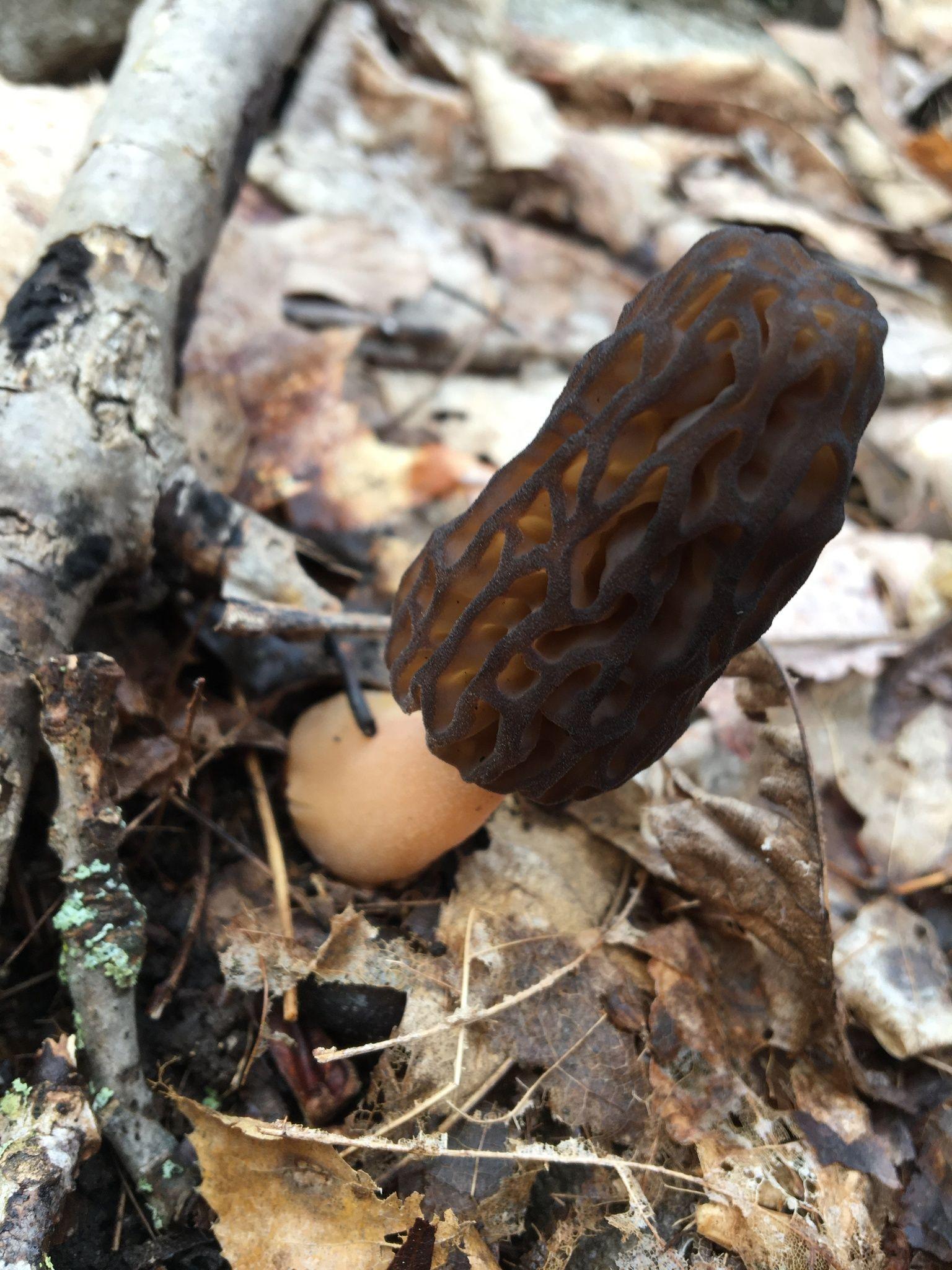
Morchella angusticeps
Conical honeycomb cap with dark, mostly vertical ridges, hollow from tip to base.
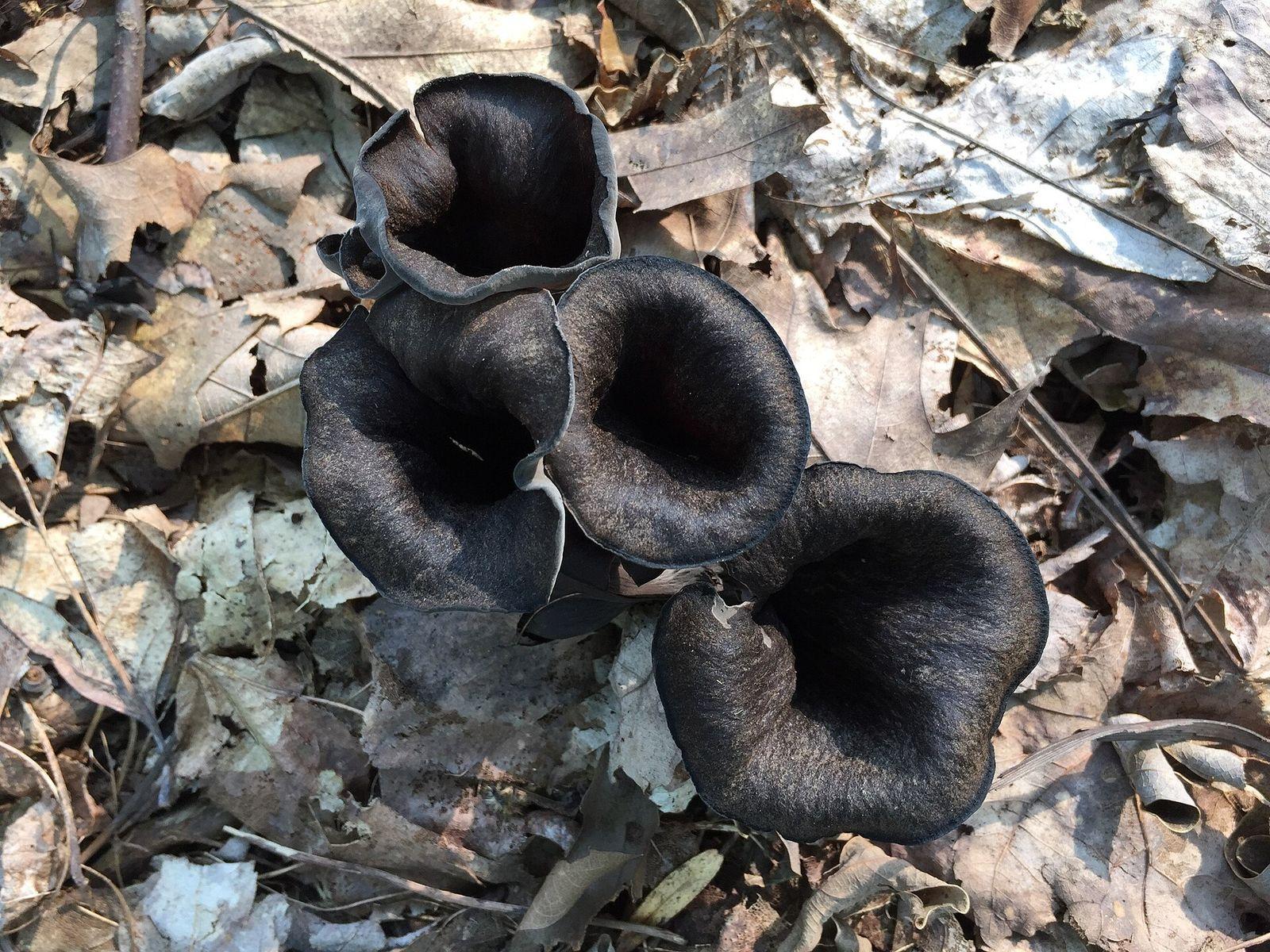
Craterellus fallax
Thin, hollow, gray-black trumpet with a smooth outer surface and no gills.
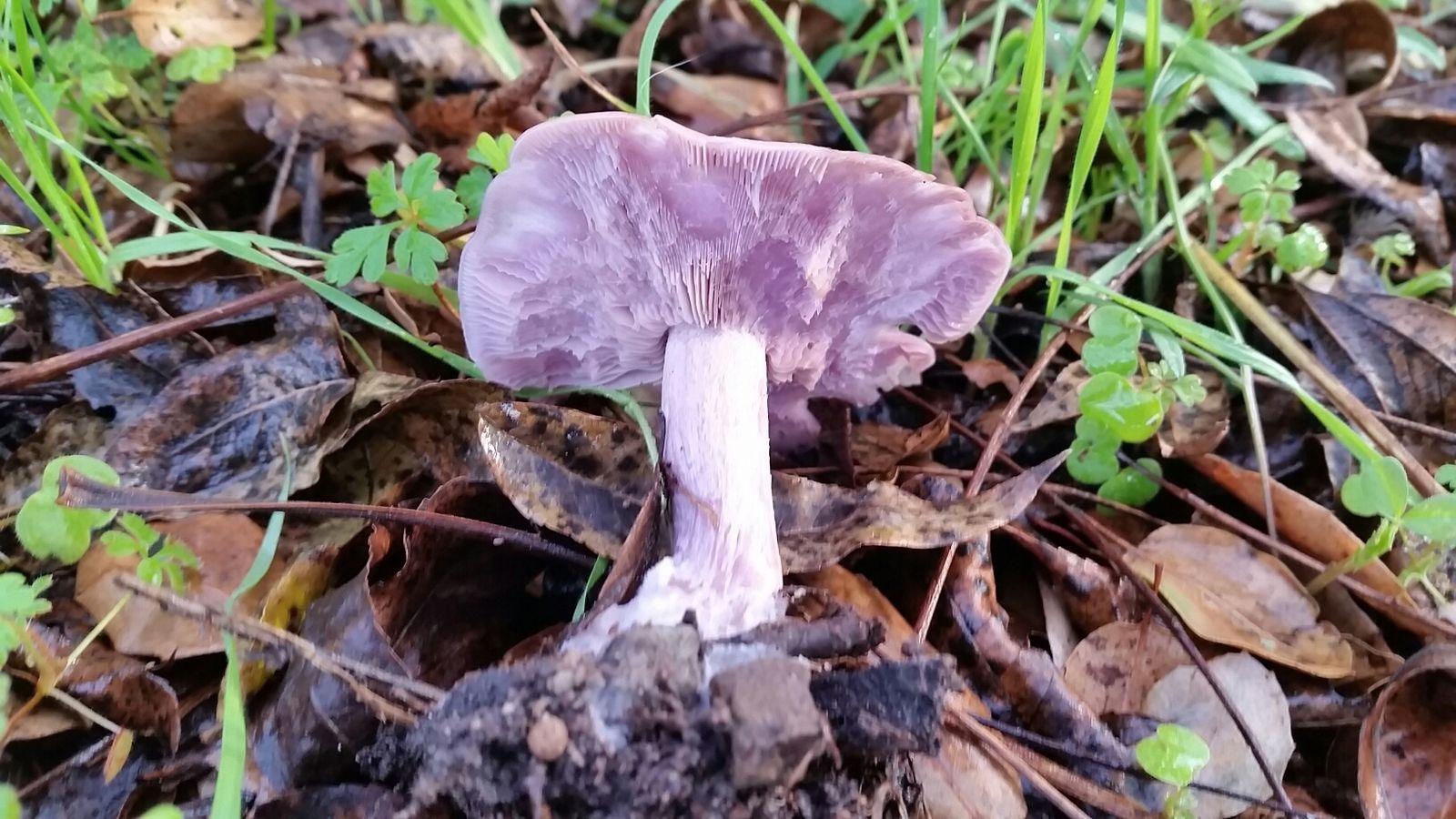
Lepista nuda
Lilac to purple gills and stem, no cobweb veil, and a pale pinkish-buff spore print.
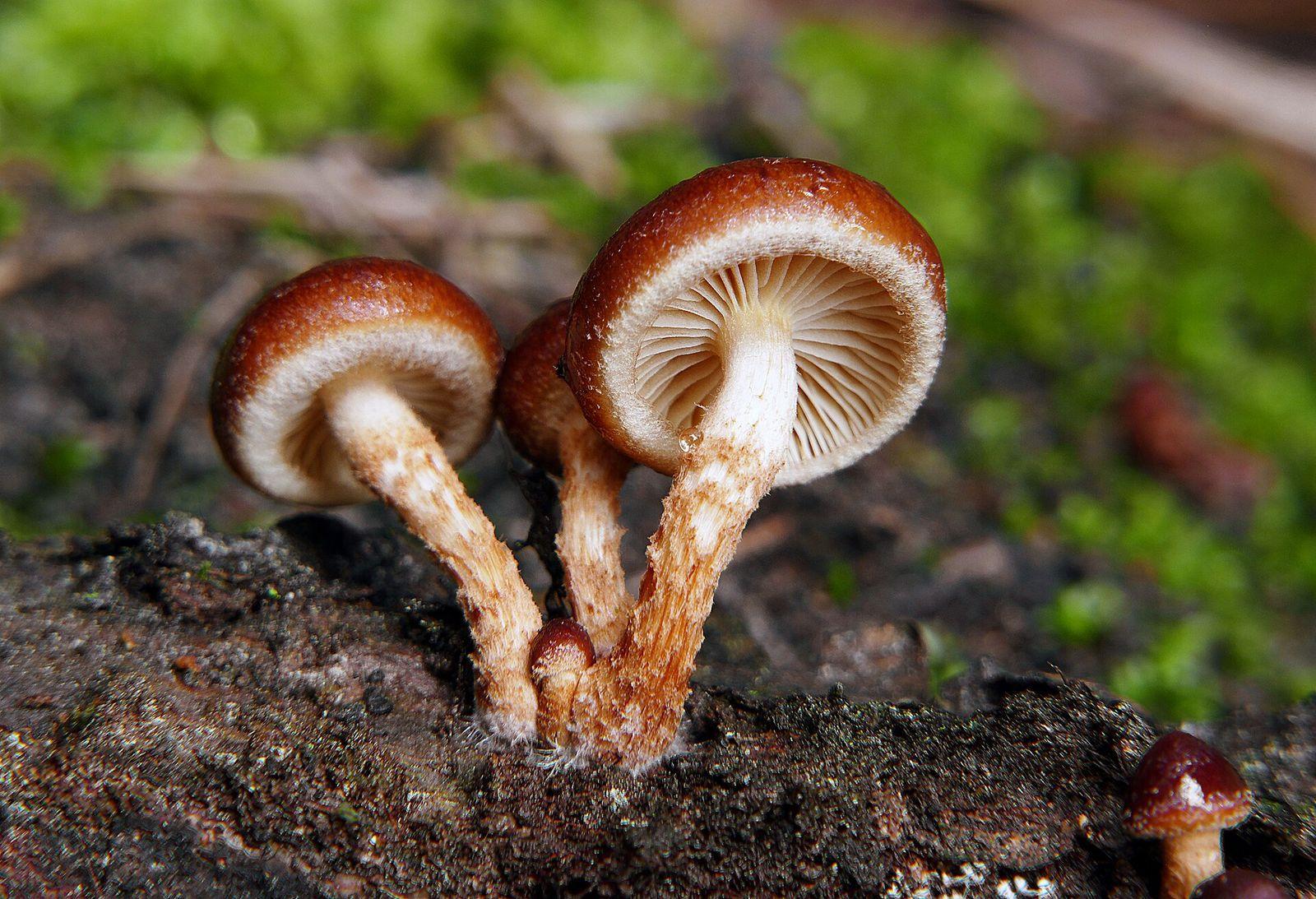
Hypholoma lateritium
Clusters of brick-red caps with a paler edge on hardwood stumps late in the fall, with grayish gills and a purple-brown spore print.
Agaricus bisporus
Photo coming
Agaricus bisporus
Free gills that turn from pink to chocolate brown, a ring on the stem, and no cup at the base.
Lactarius rubidus
Photo coming
Lactarius rubidus
Small orange-brown milk cap with thin, watery latex that smells strongly of maple syrup once dried.
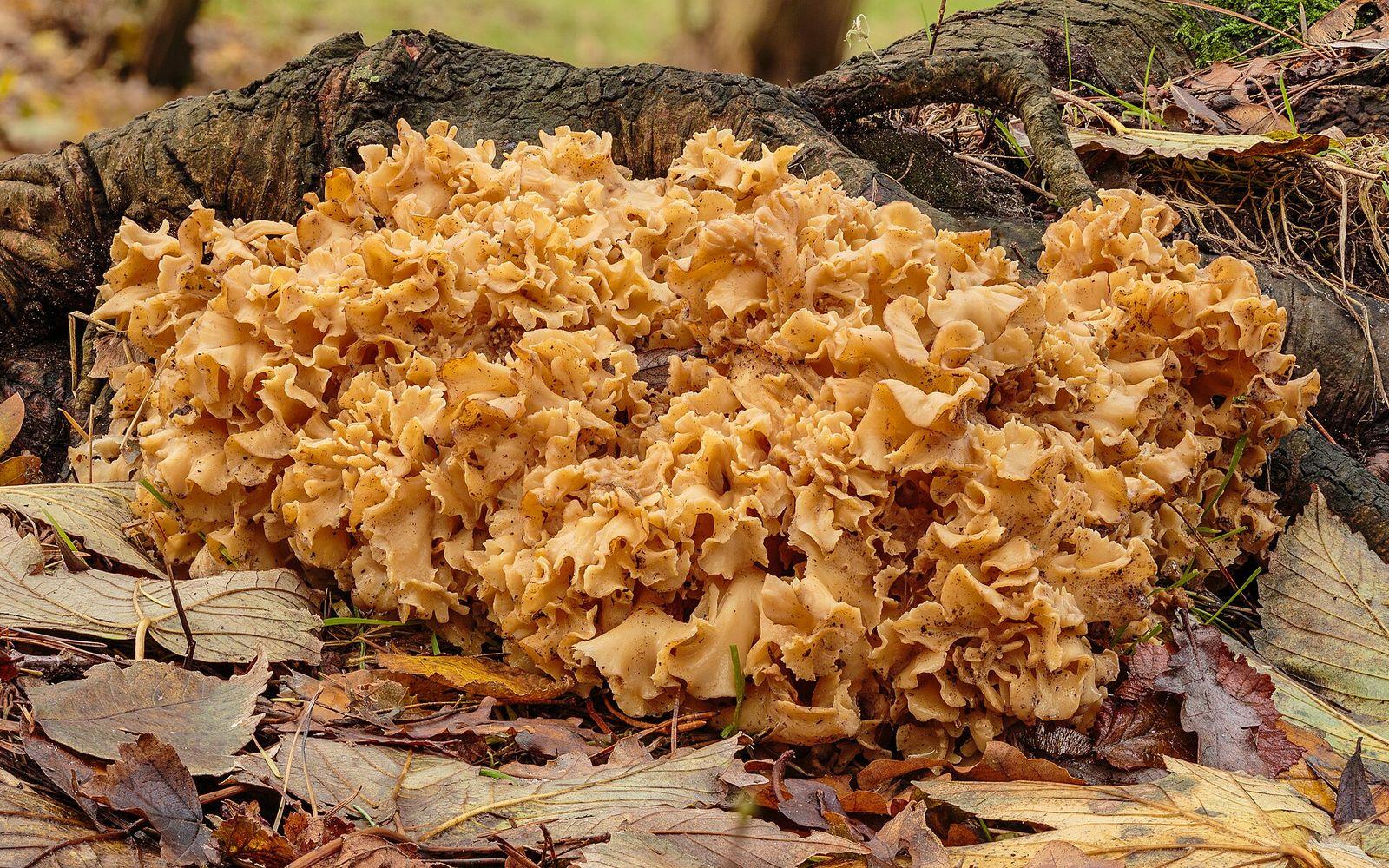
Sparassis americana
Rounded mass of flat, wavy, cream-colored lobes like a sea sponge, at the base of a conifer.
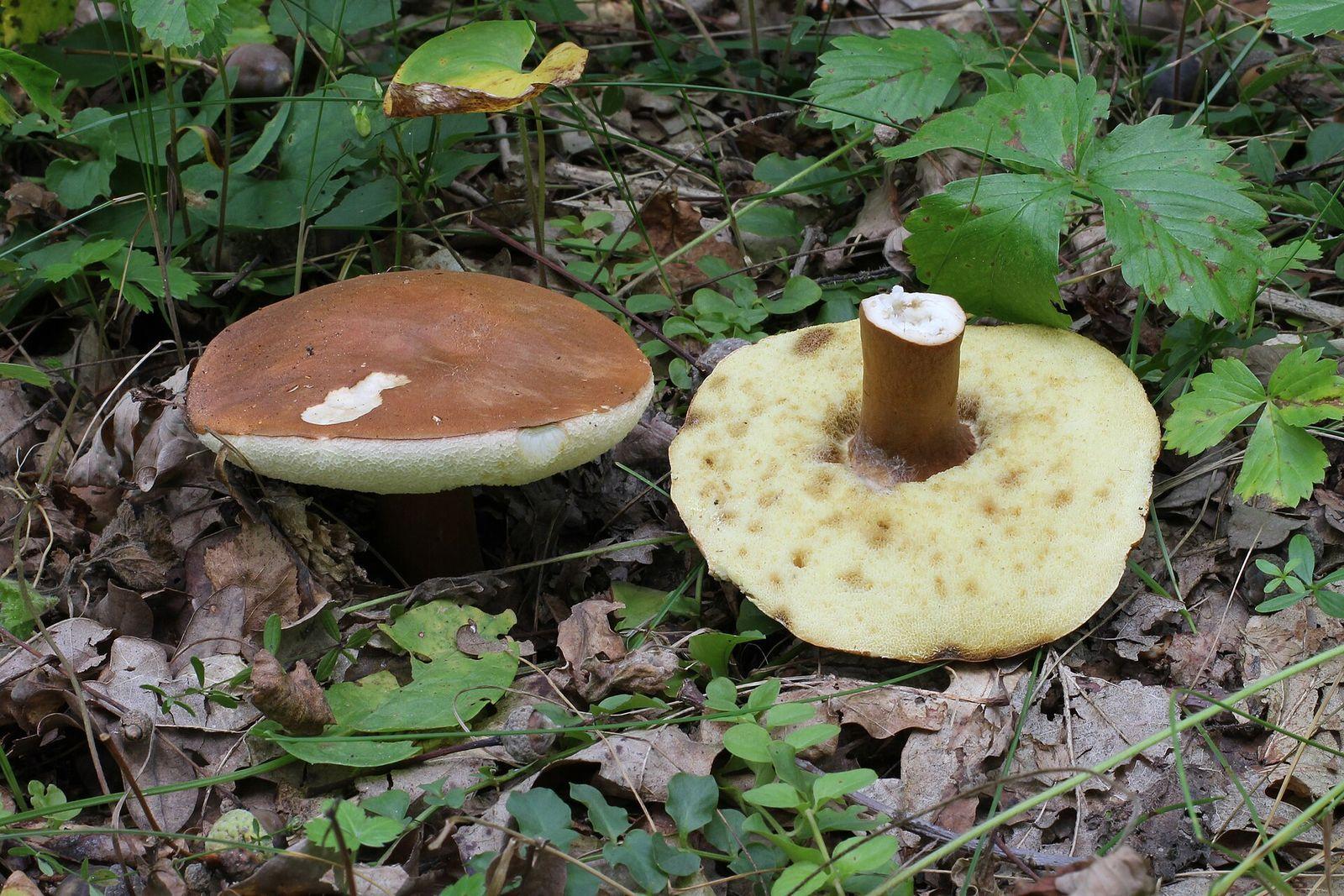
Gyroporus castaneus
A small, rusty-brown bolete with a brittle stem that becomes hollow and a pale yellow spore print.
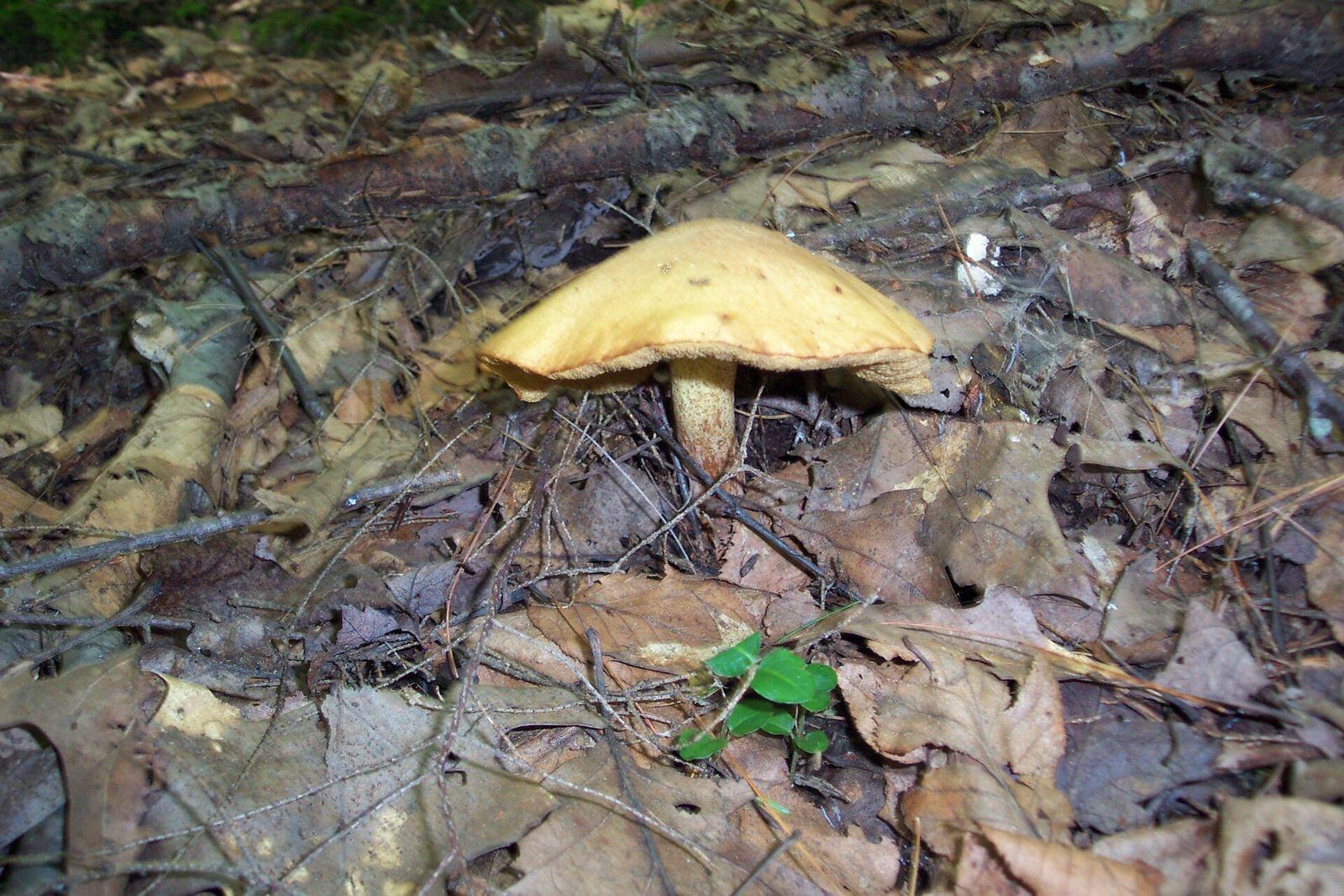
Suillus americanus
A bright yellow, sticky cap with reddish streaks, large angular yellow pores and a thin stem with reddish dots, under eastern white pine.
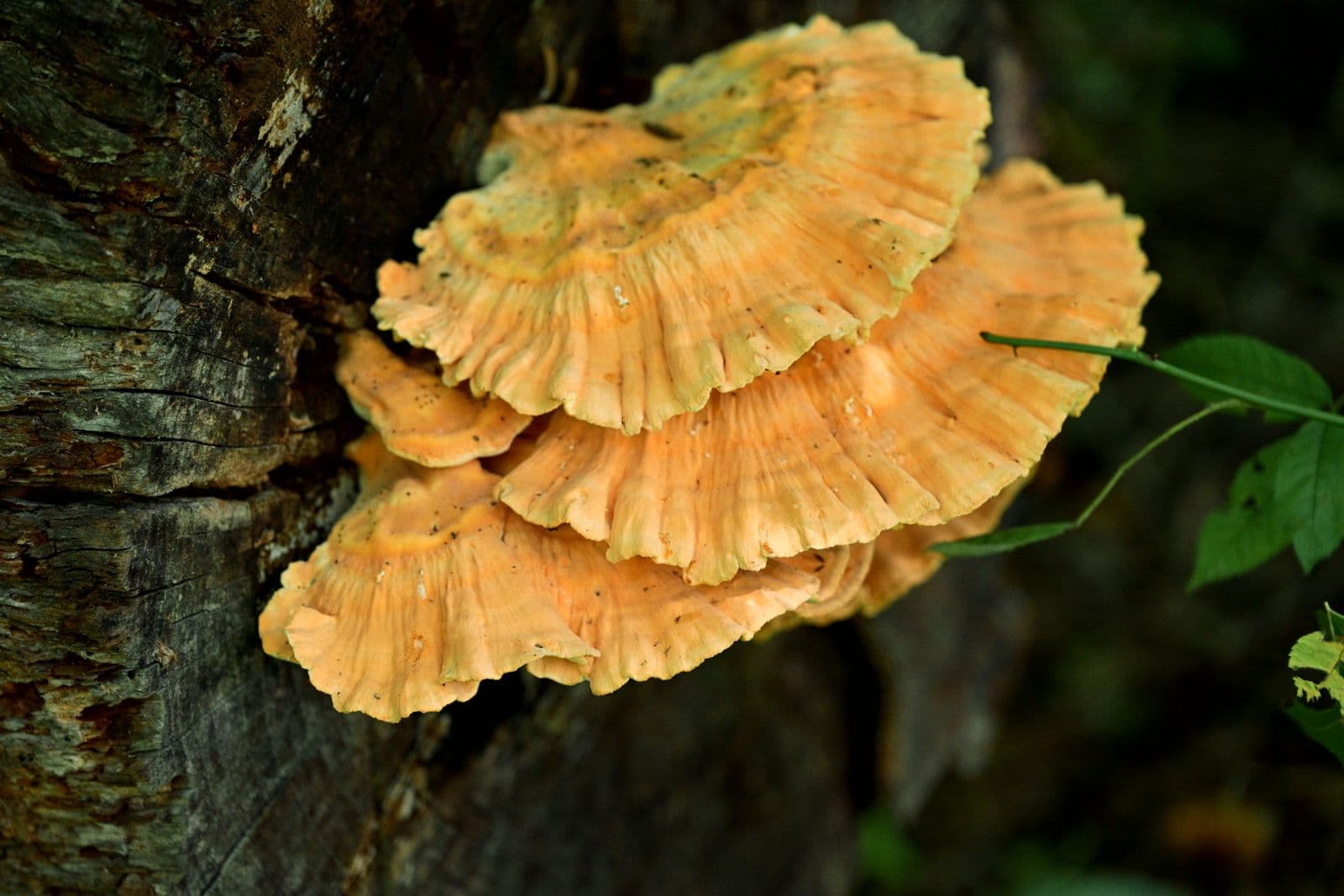
Laetiporus sulphureus
Overlapping orange shelves on wood with a bright sulfur-yellow pore surface underneath.
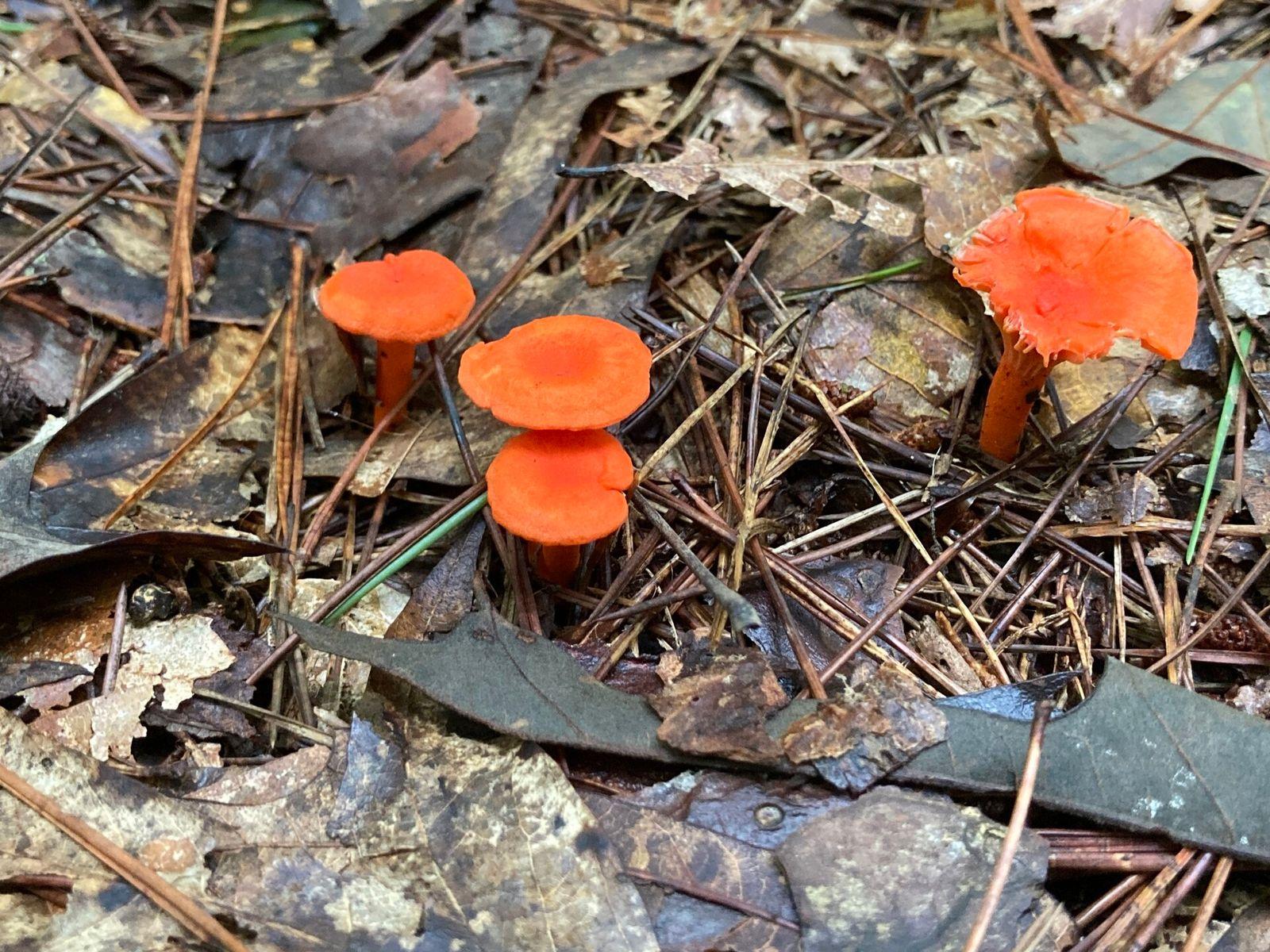
Cantharellus cinnabarinus
Small, cinnabar-red chanterelle with pinkish-red forked false gills.
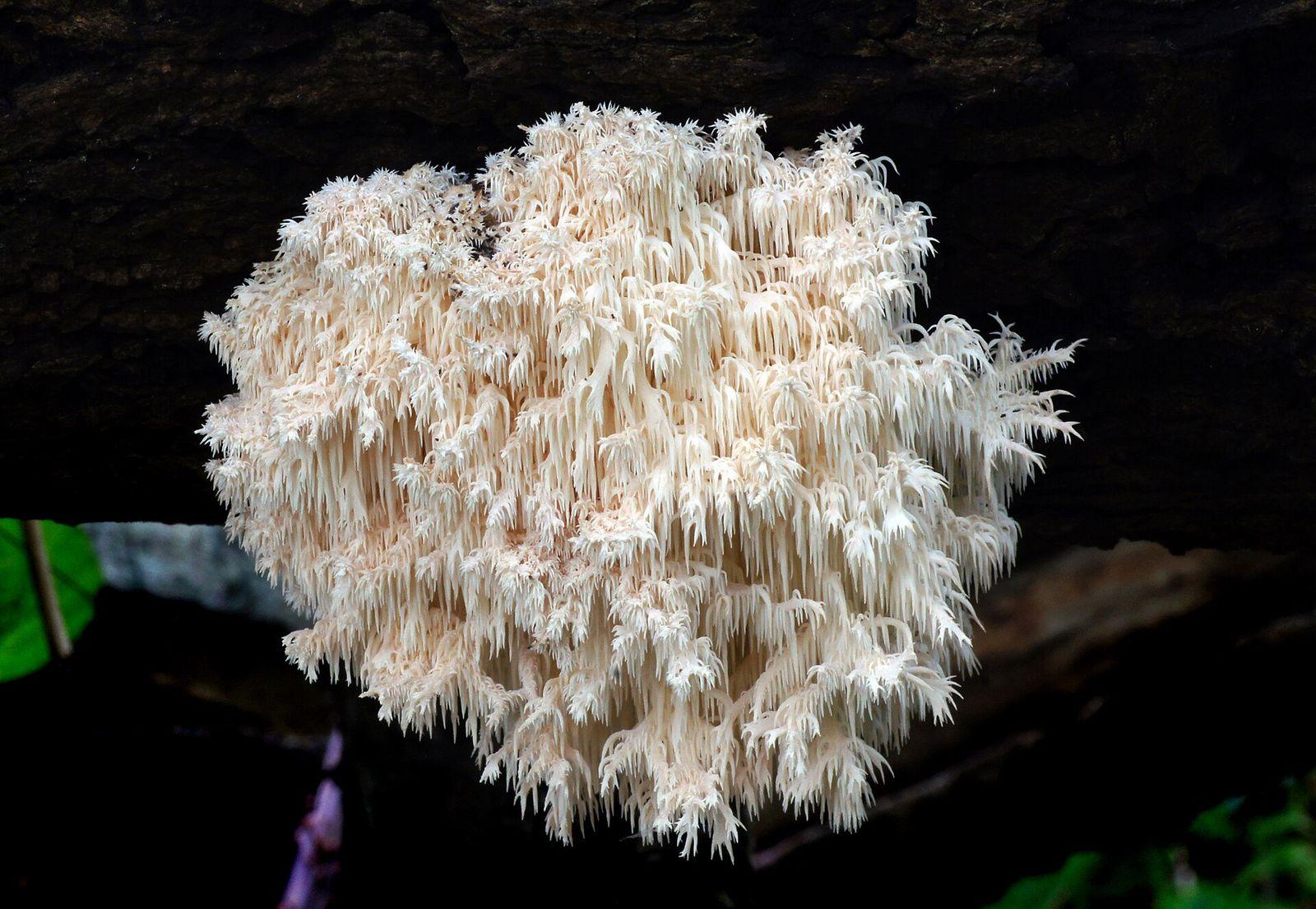
Hericium coralloides
White, finely branched fungus with short spines in rows along the branches, like icicles.
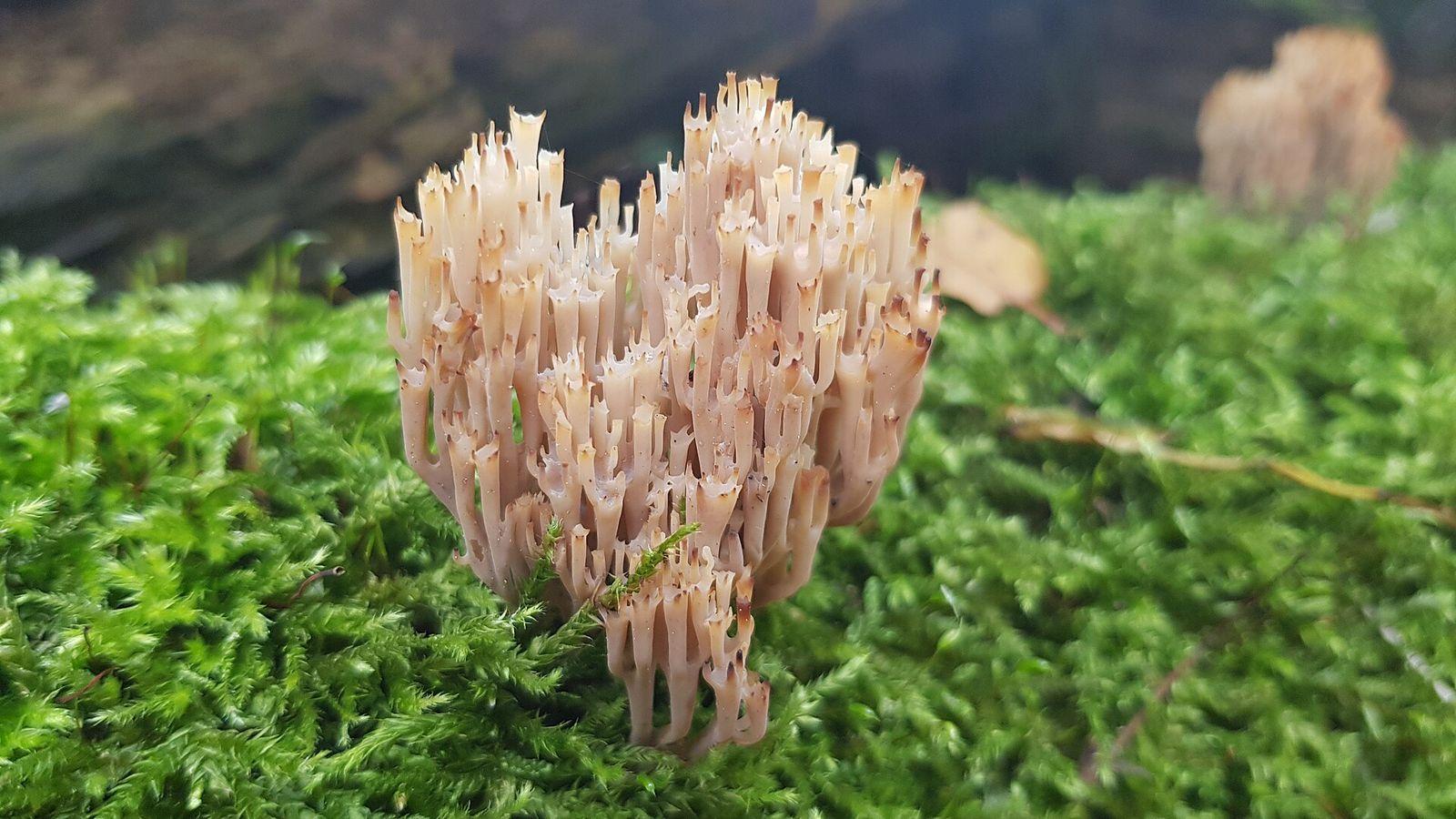
Artomyces pyxidatus
Pale branched coral on dead wood, each branch tip ending in a small crown of points.
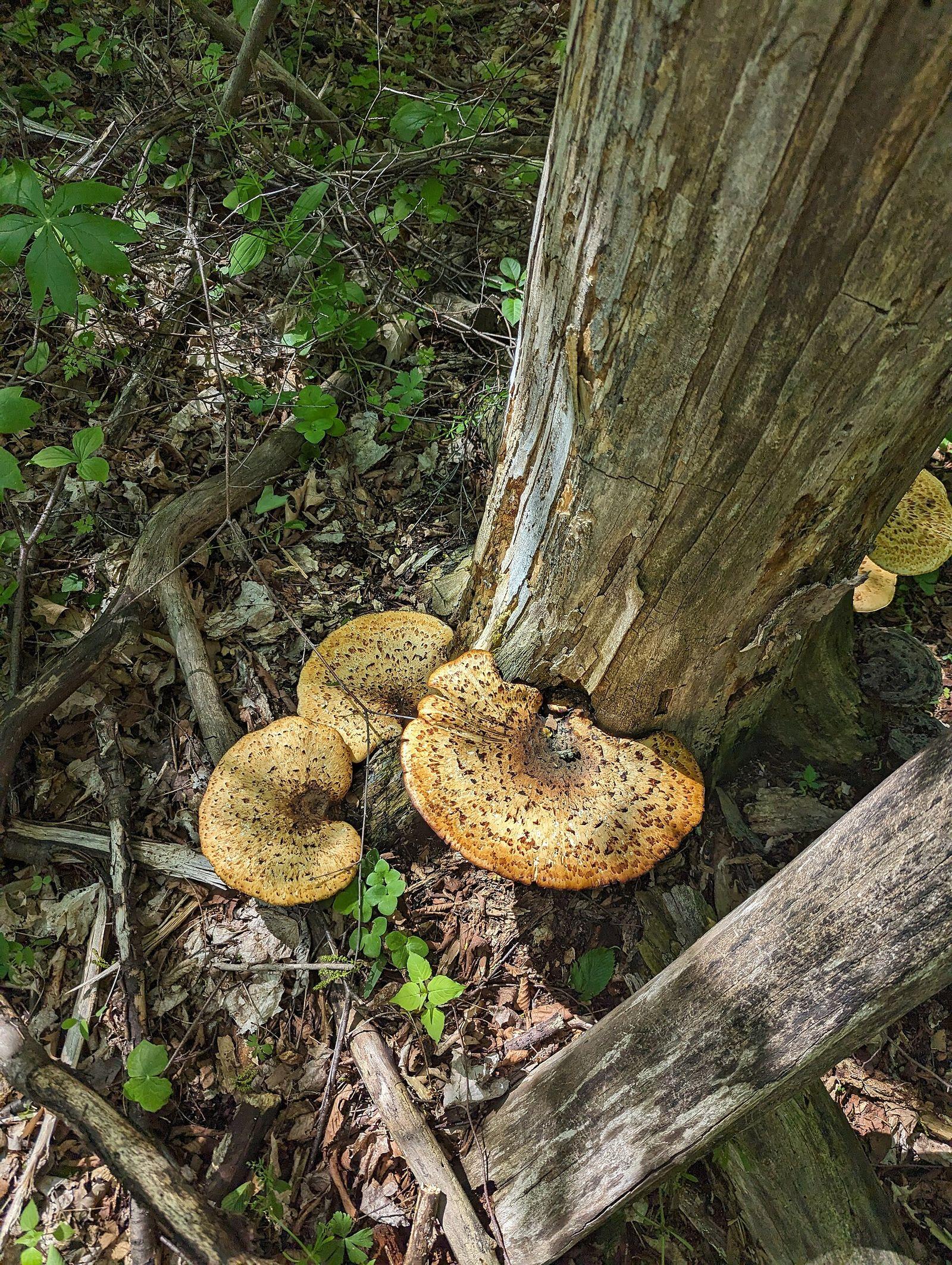
Cerioporus squamosus
Cream bracket covered in brown, feathery scales, with large angular pores and a smell of watermelon rind.
Hypsizygus ulmarius
Photo coming
Hypsizygus ulmarius
Large whitish cap with a distinct stem and gills that attach to it without running down.
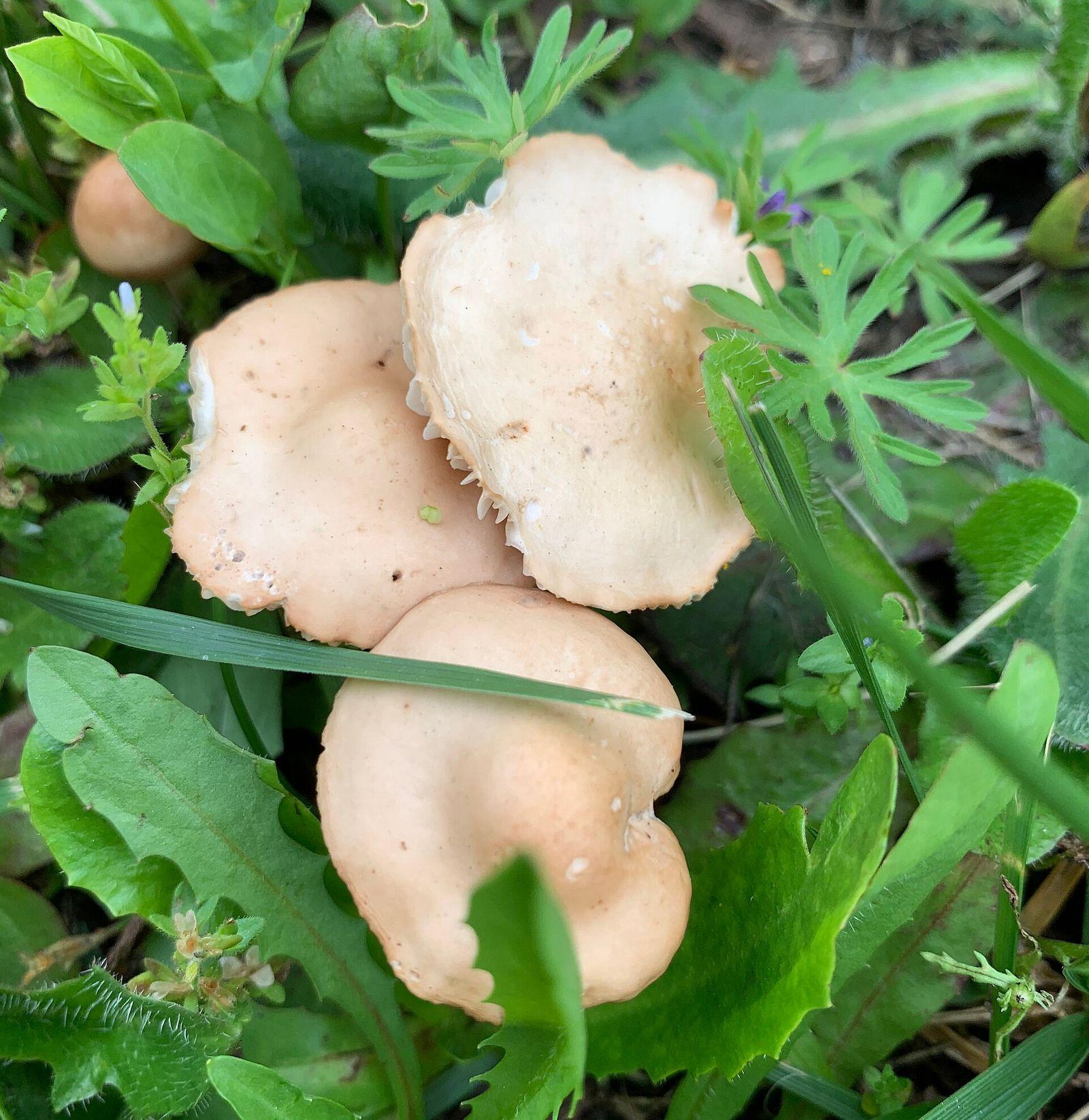
Marasmius oreades
Tan, bell-shaped caps in rings in grass, widely spaced gills, and a tough, wiry stem that twists without snapping.
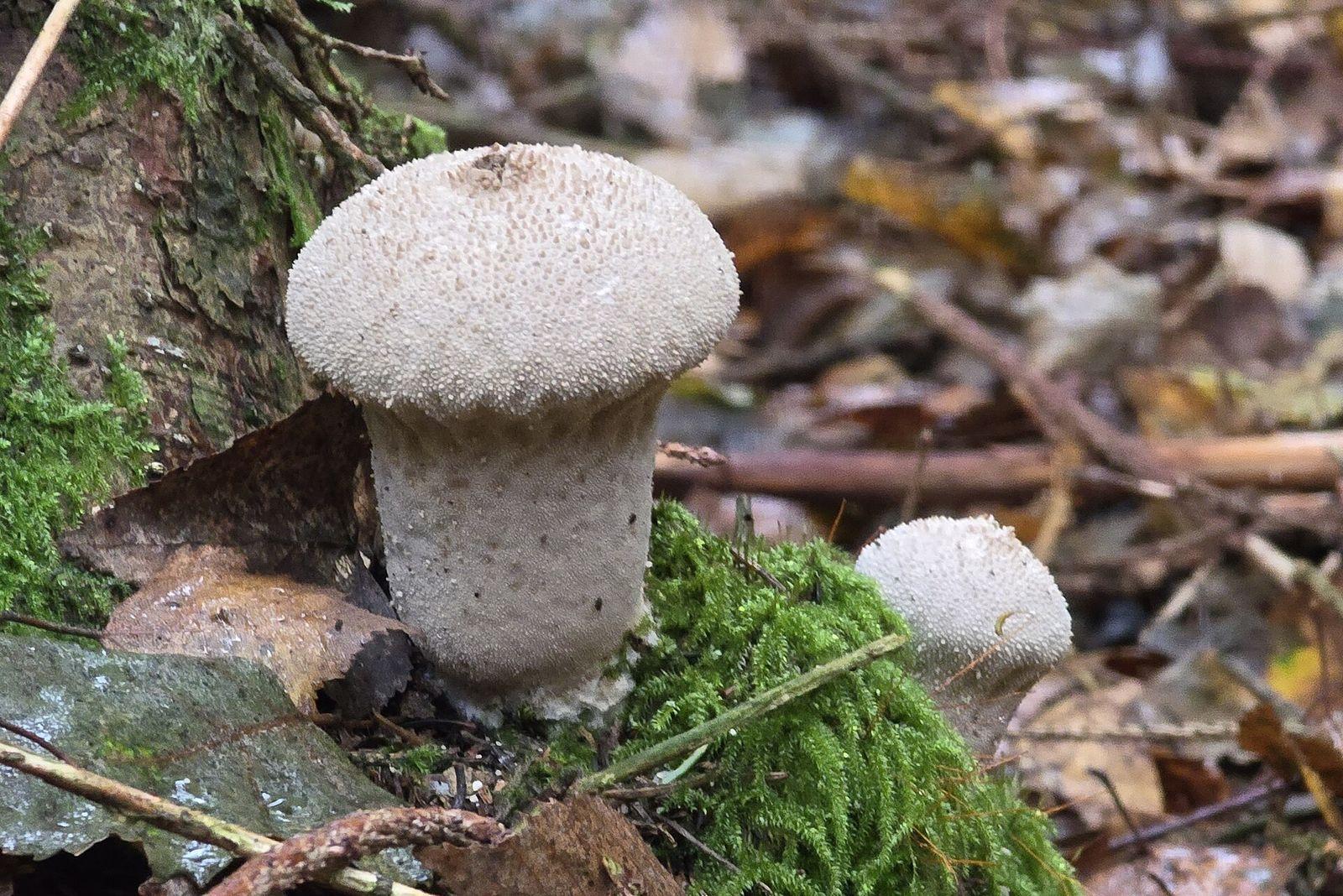
Lycoperdon perlatum
A small white, top-shaped puffball covered in cone-shaped spines that rub off and leave a net of tiny scars.
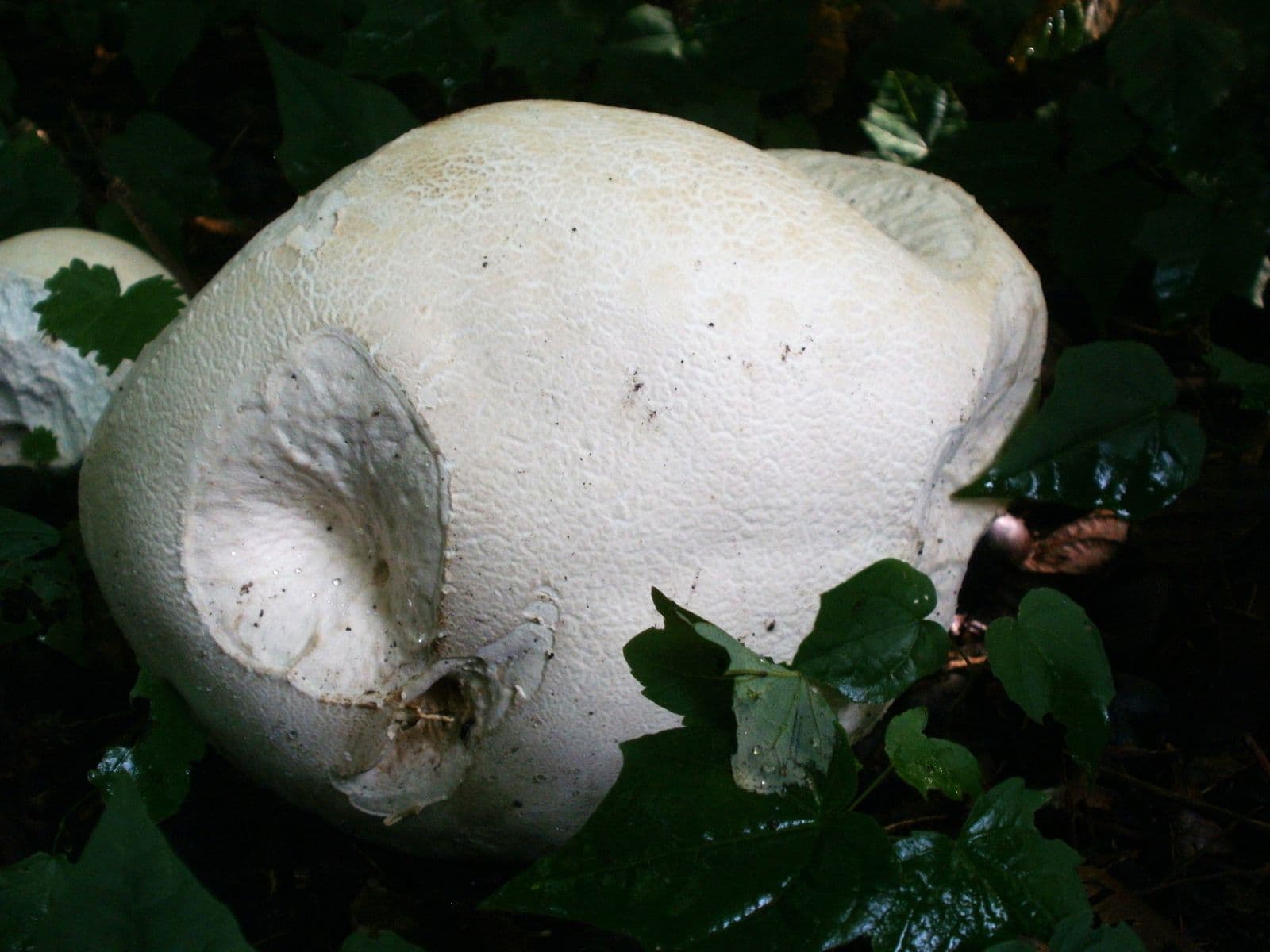
Calvatia gigantea
A smooth white ball the size of a soccer ball or larger, solid and uniformly white inside with no trace of a cap, gills or stem.
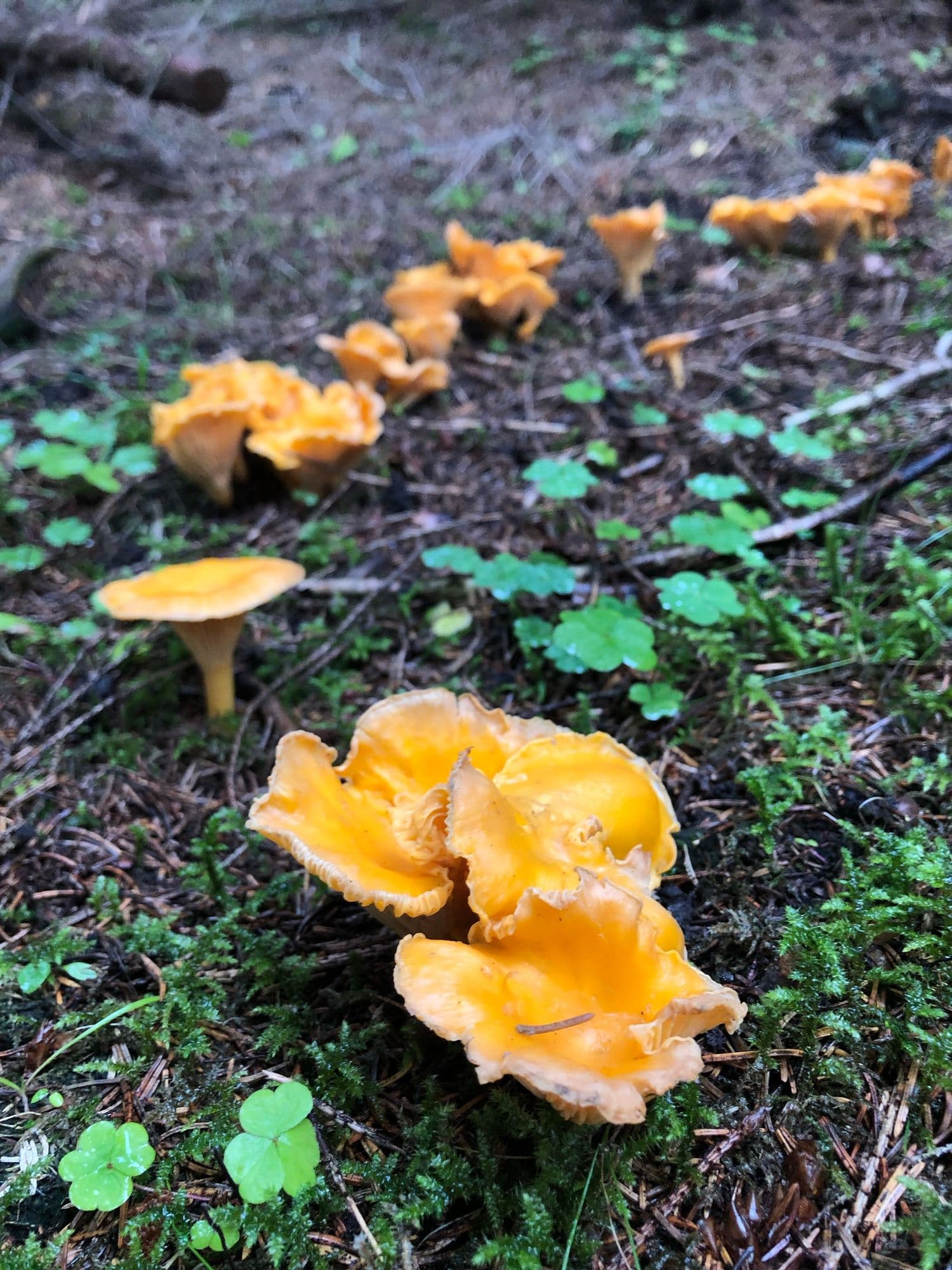
Cantharellus cibarius
Egg-yolk yellow to orange vase with blunt, forked ridges instead of true gills.
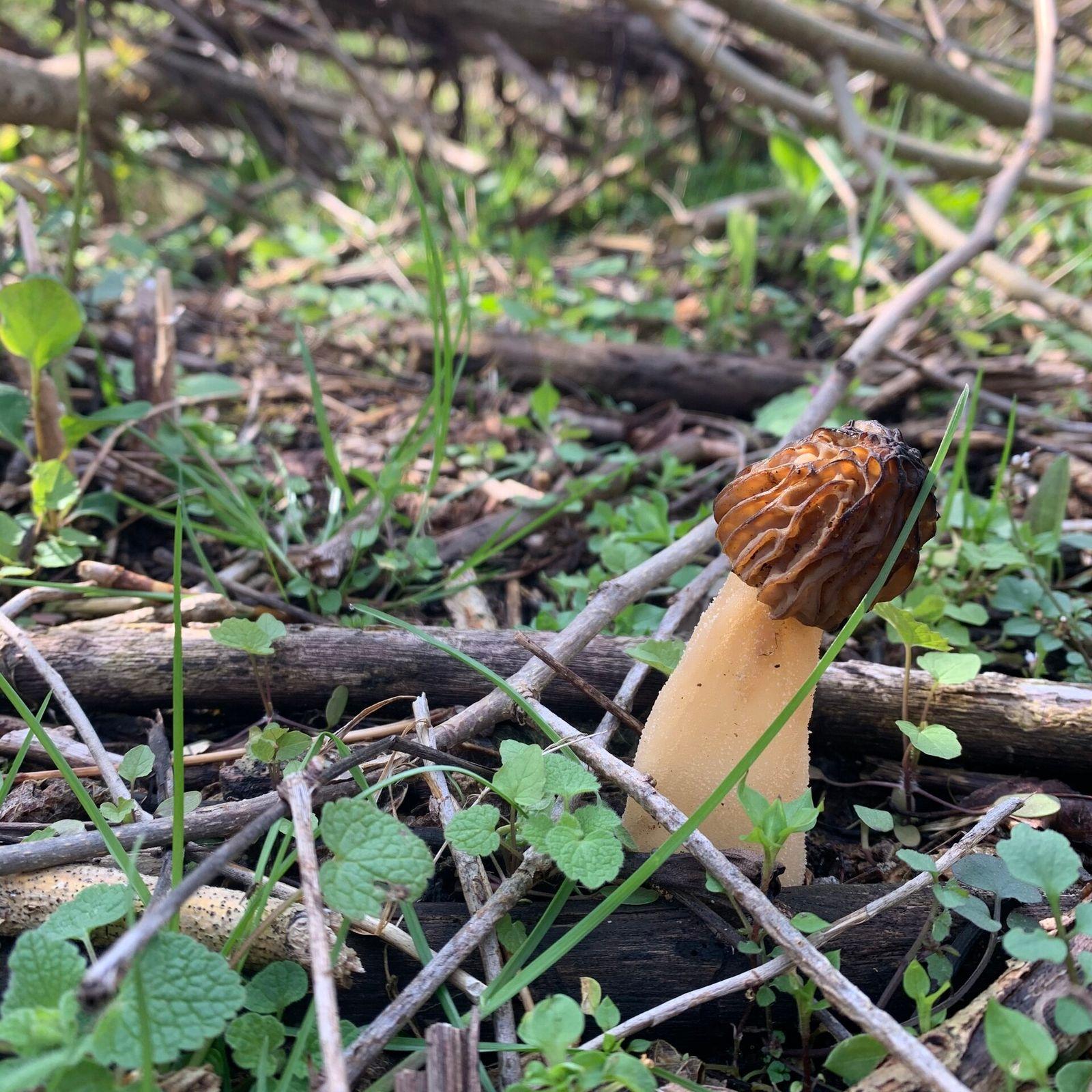
Morchella punctipes
Small pitted cap attached about halfway up, its lower half hanging free over a long hollow stem.
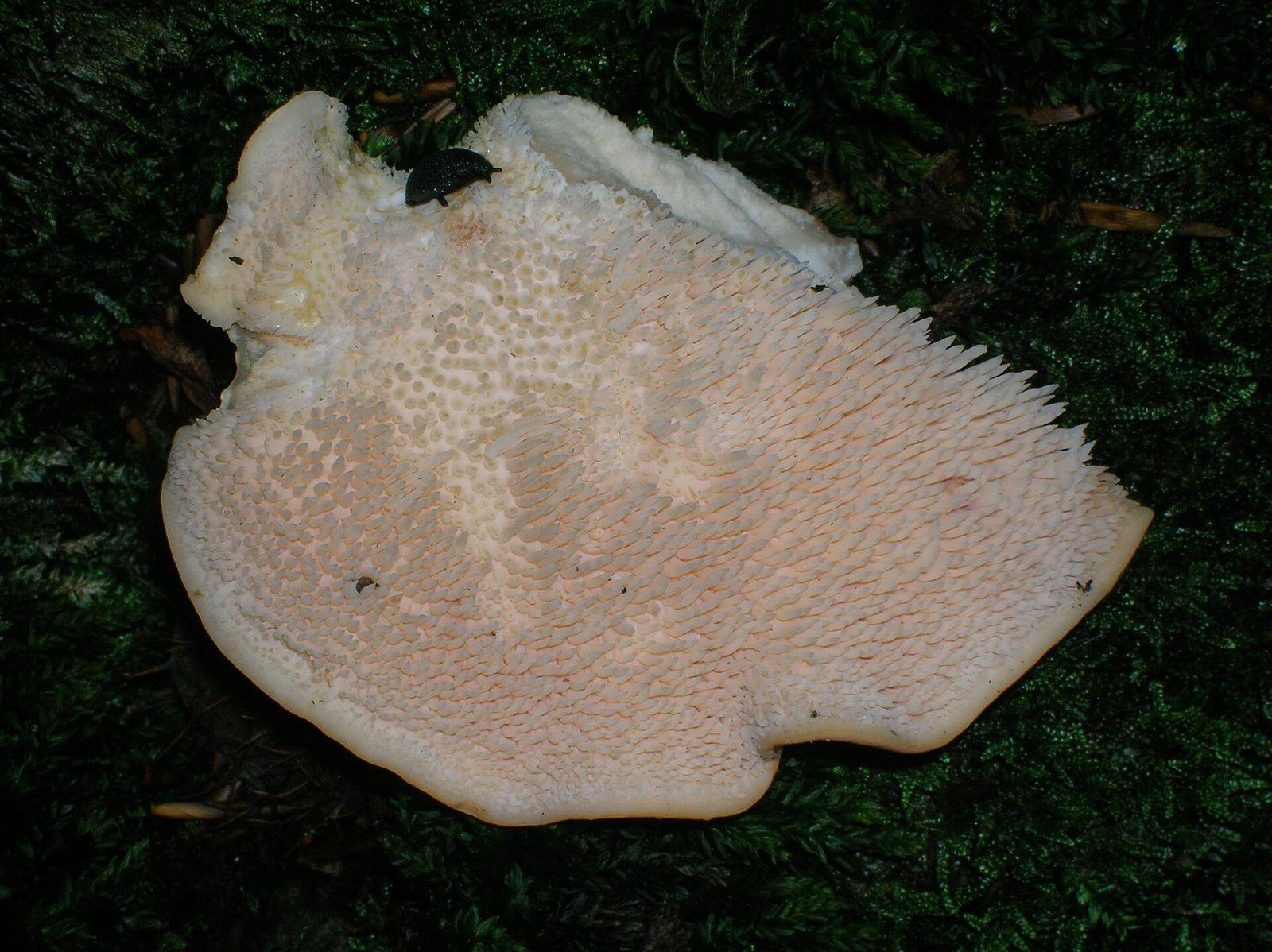
Hydnum repandum
Soft, crowded spines hang from the underside of the cap instead of gills or pores.
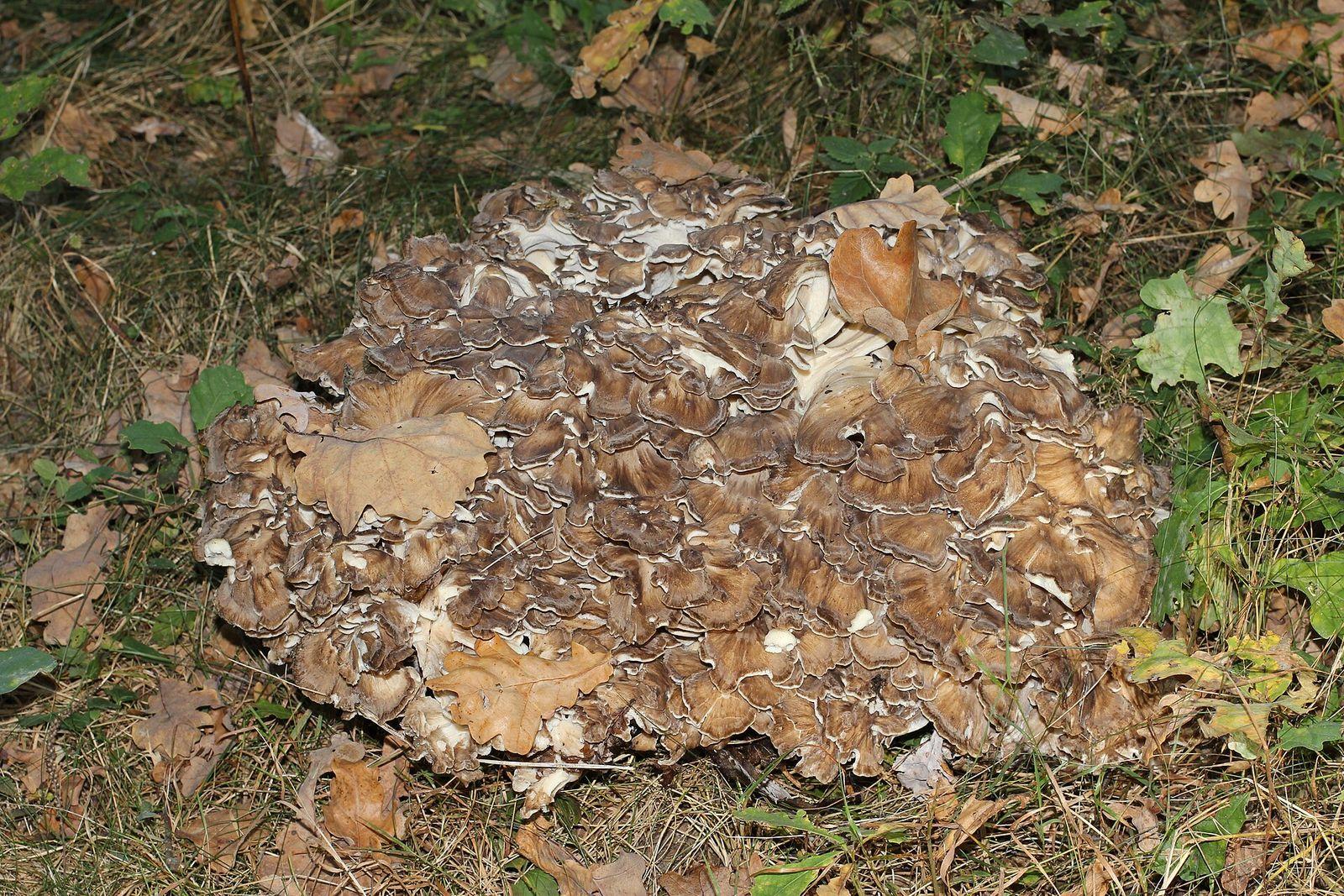
Grifola frondosa
Large gray-brown rosette of overlapping spoon-shaped caps at the base of an oak.
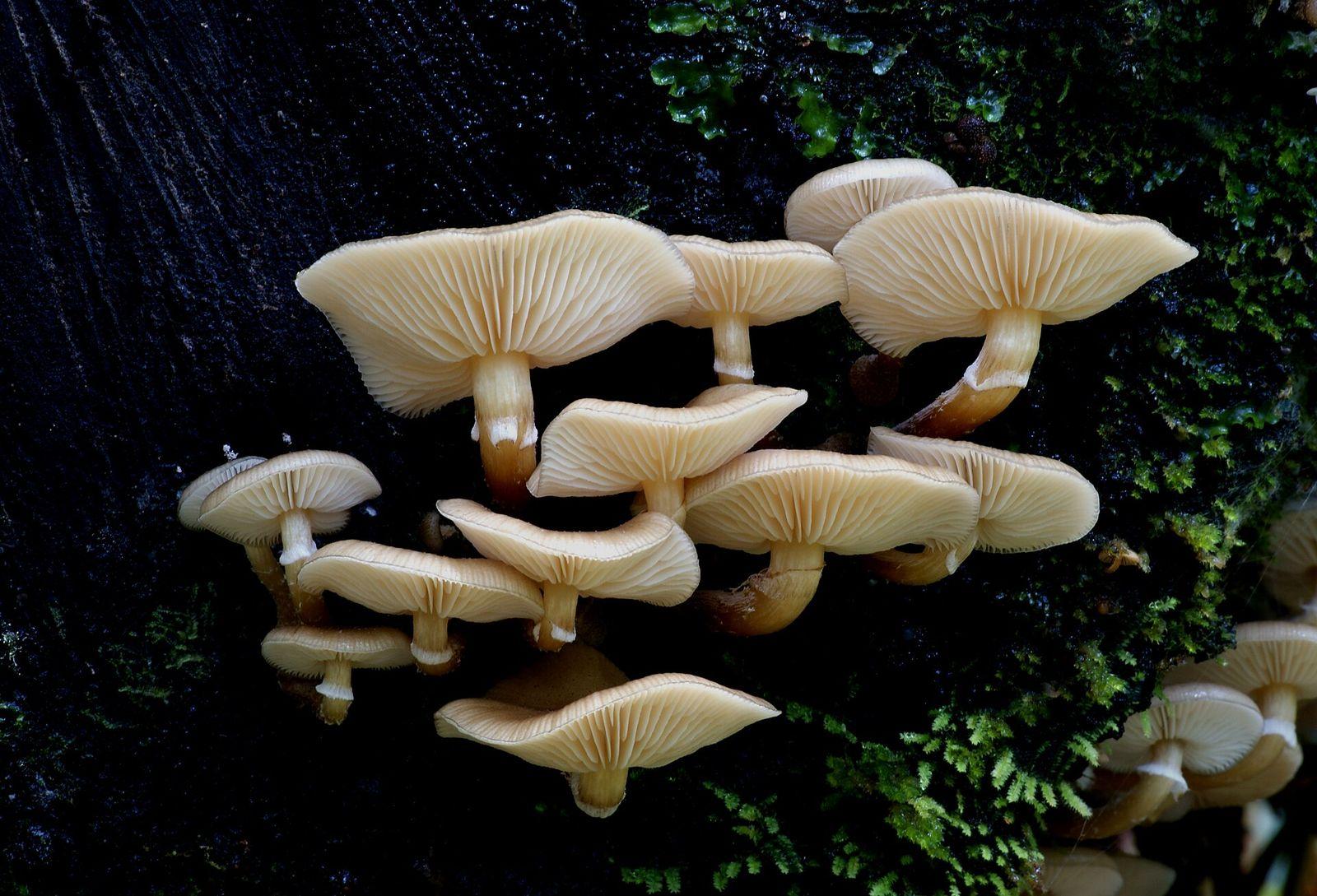
Armillaria mellea
Dense clusters of honey-colored caps on wood, with a ring on the stem and a white spore print.
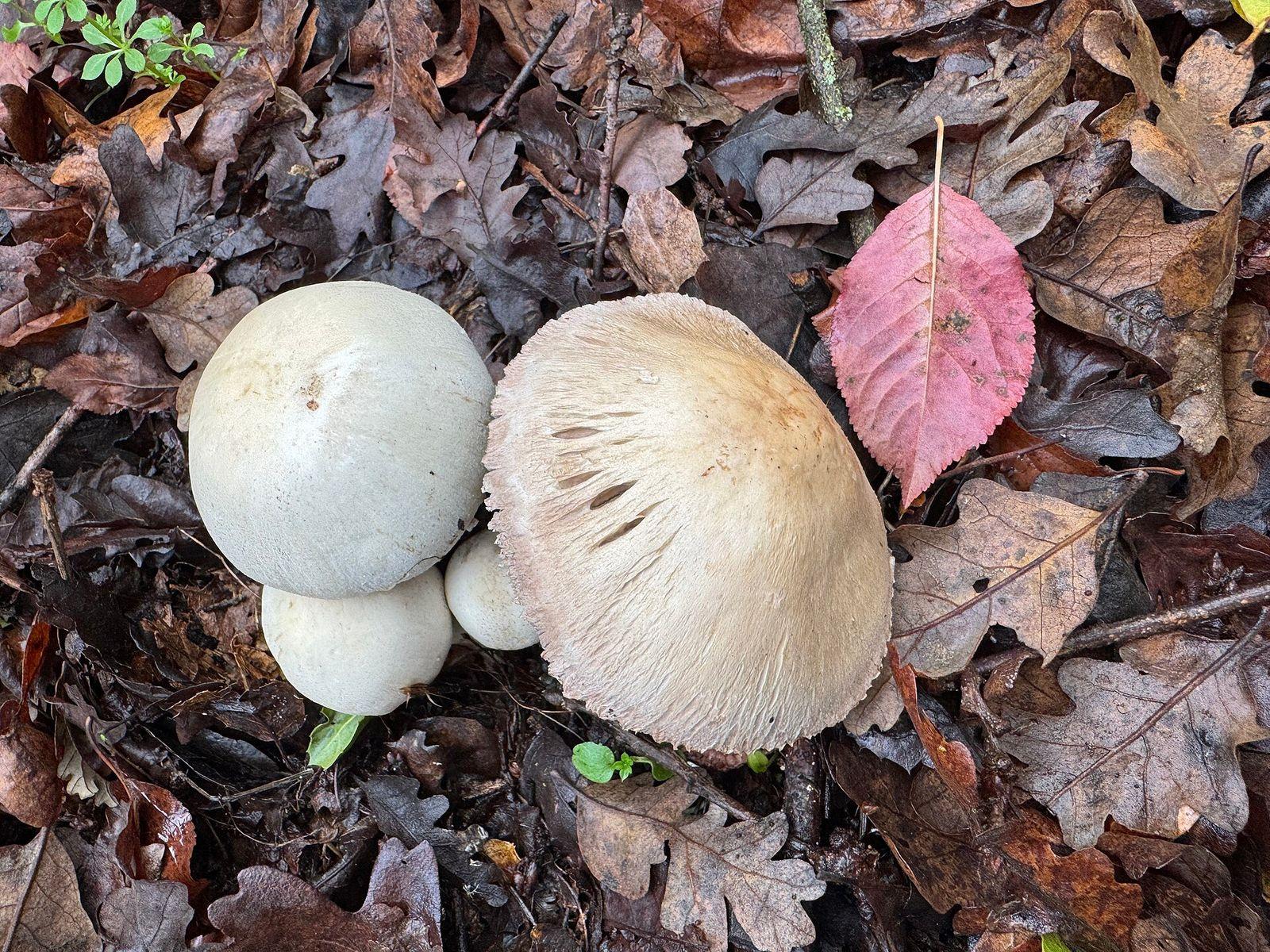
Agaricus fissuratus
Large white cap that slowly bruises yellowish, grayish pink to brown gills, a large ring with a cogwheel pattern beneath, and an anise smell.
Lactarius indigo
Photo coming
Lactarius indigo
Blue all over, and cut flesh bleeds blue milk that slowly turns green.
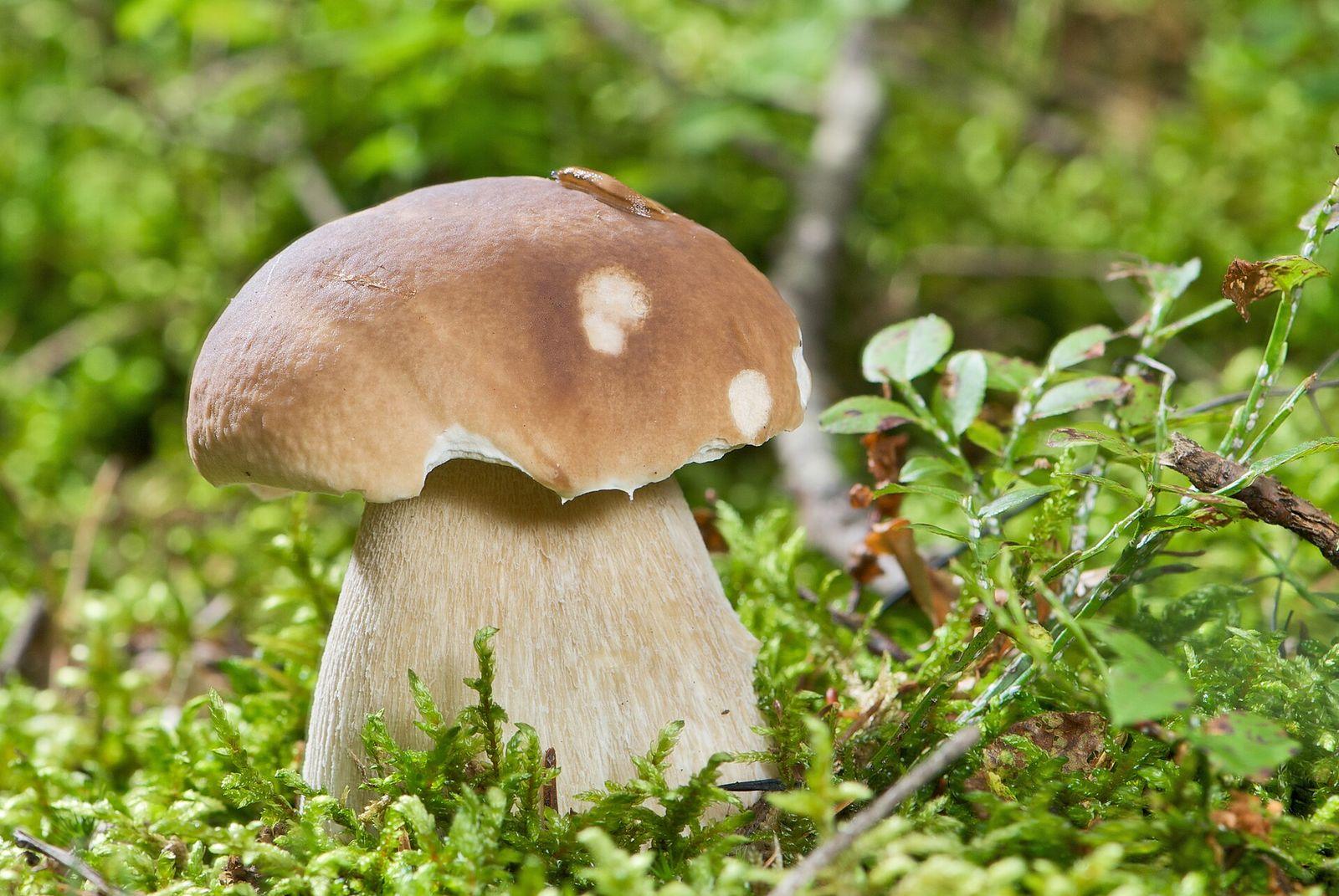
Boletus edulis
A brown bun-shaped cap over white to olive-yellow pores that do not bruise blue, on a fat stem with fine white netting near the top.
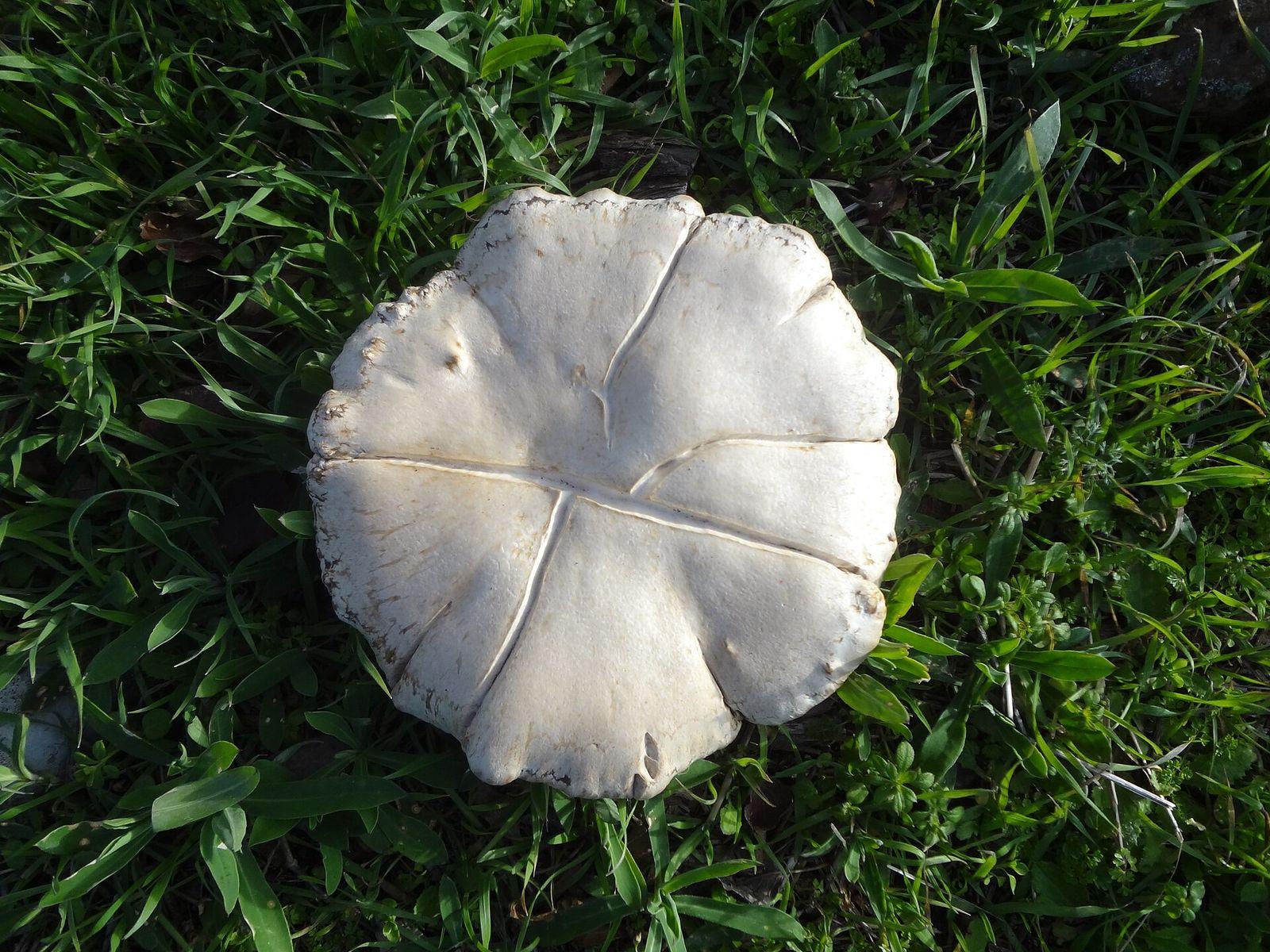
Pleurotus eryngii
Thick white stem, much larger than its small brown cap, with gills running down the stem.
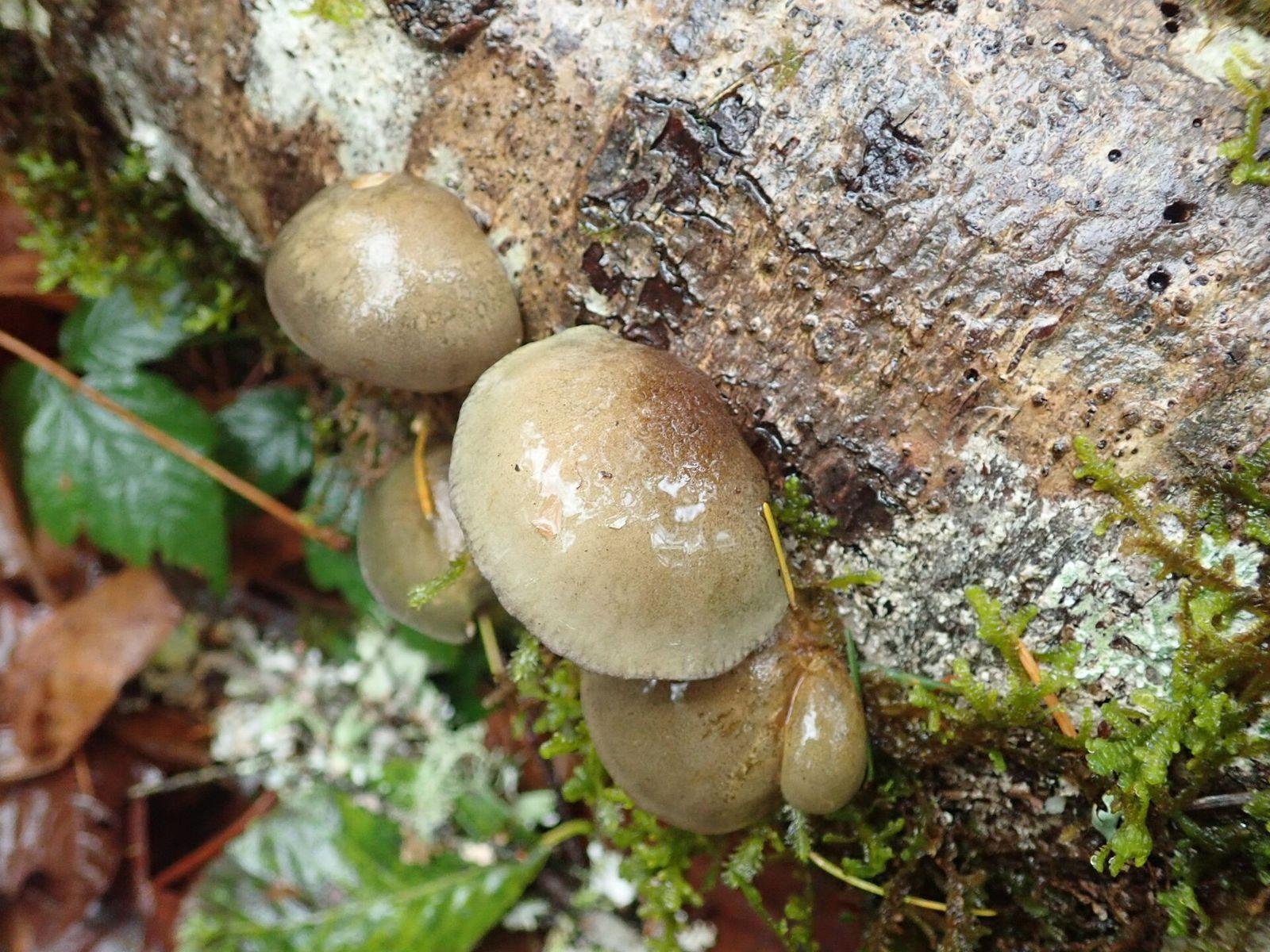
Sarcomyxa serotina
Greenish-yellow to olive oyster-like caps with a gelatinous layer under the skin, after frost.
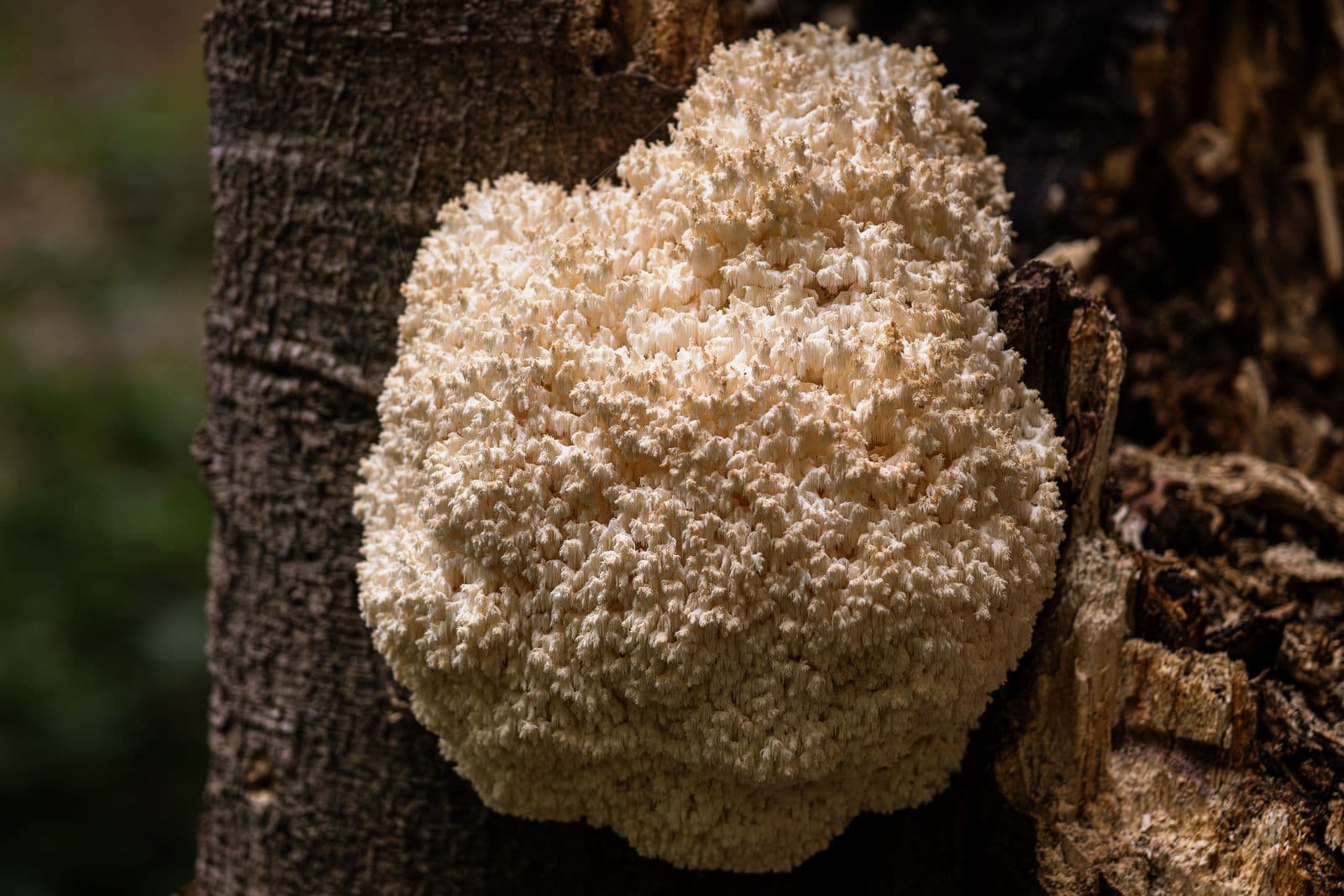
Hericium erinaceus
A single white, unbranched clump of long hanging spines on hardwood.
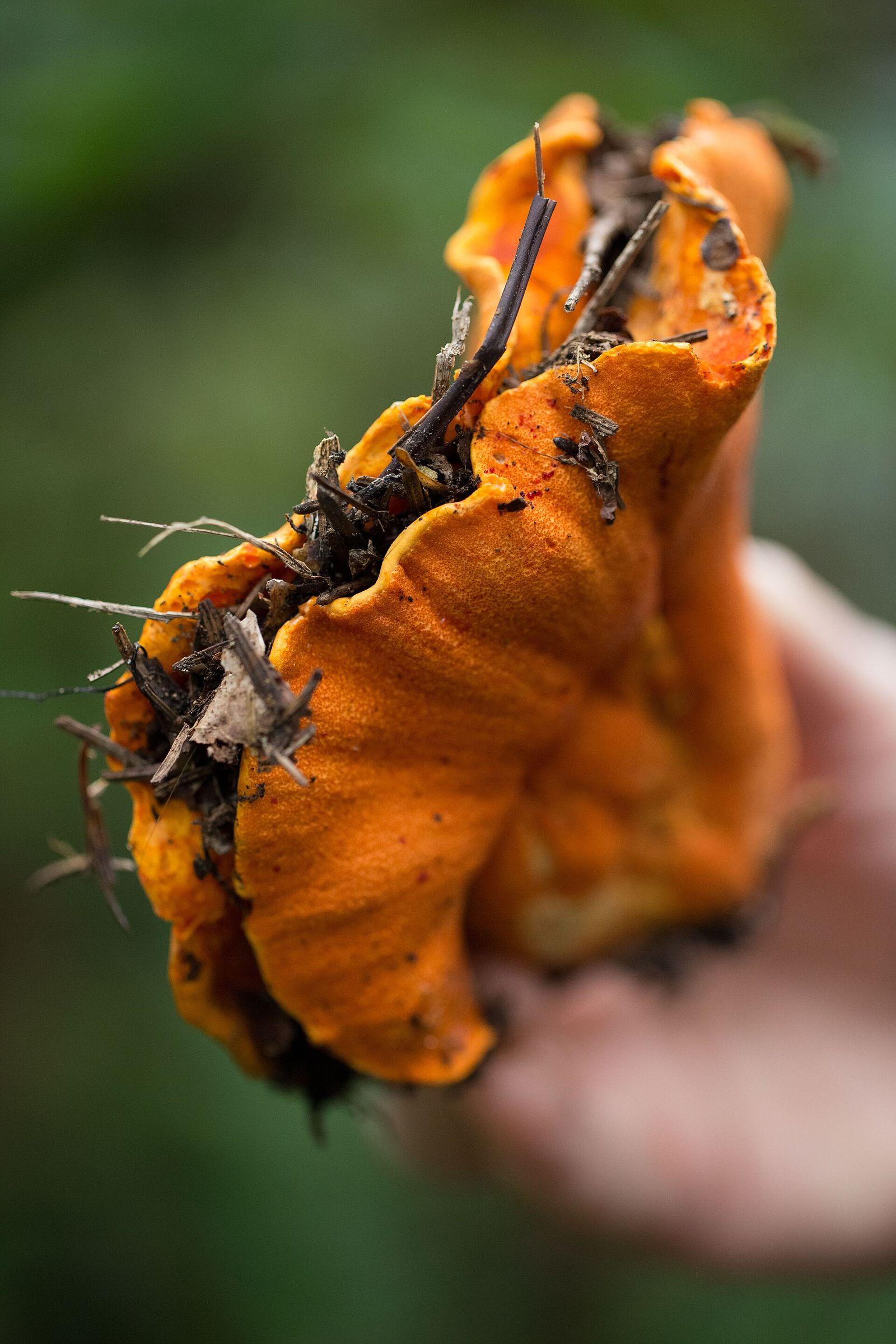
Hypomyces lactifluorum
A misshapen mushroom covered in a bright orange-red crust, with the gills reduced to blunt ridges and firm white flesh inside.
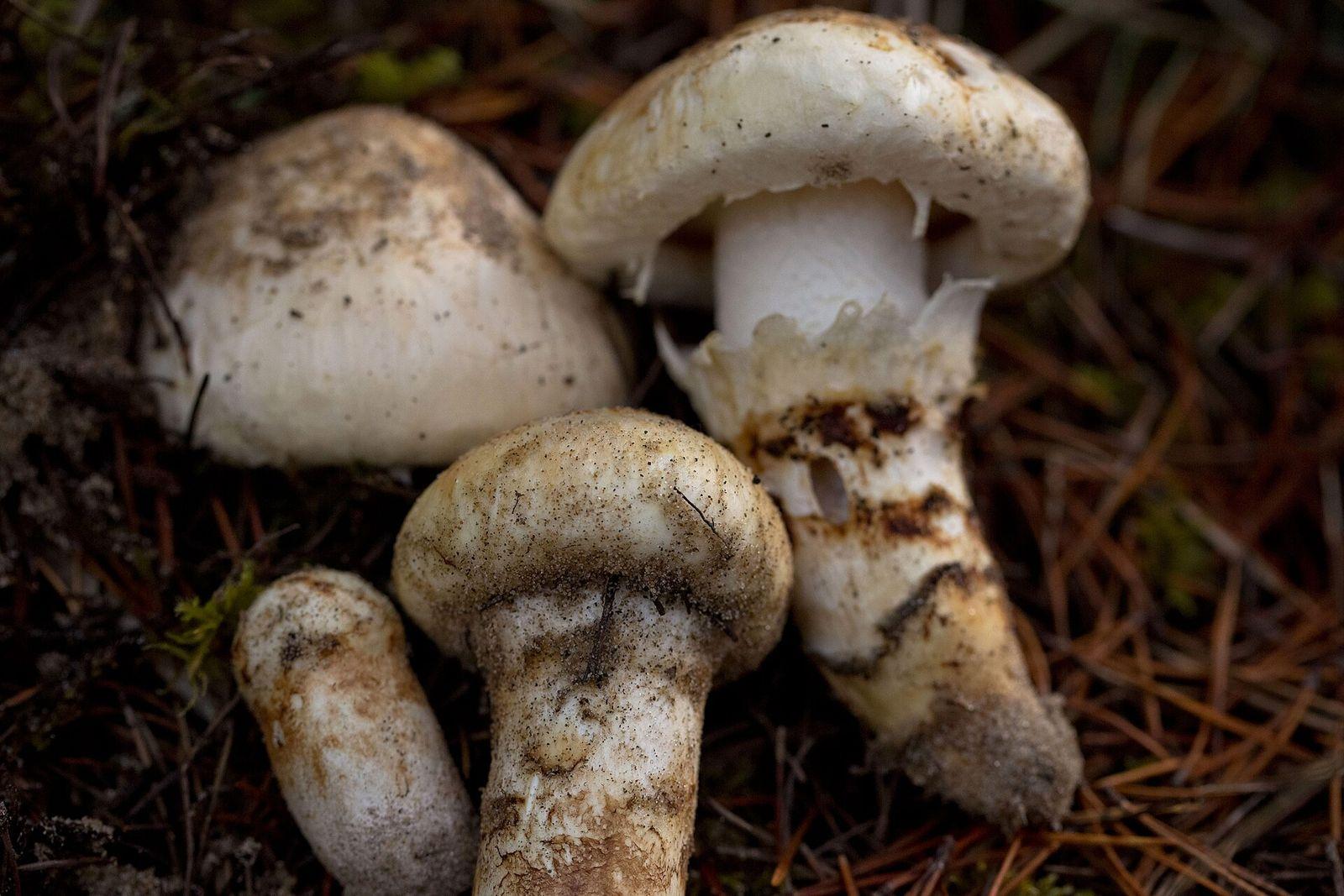
Tricholoma murrillianum
A firm white mushroom with a sheathing ring on the stem and a strong, spicy, cinnamon-like smell.
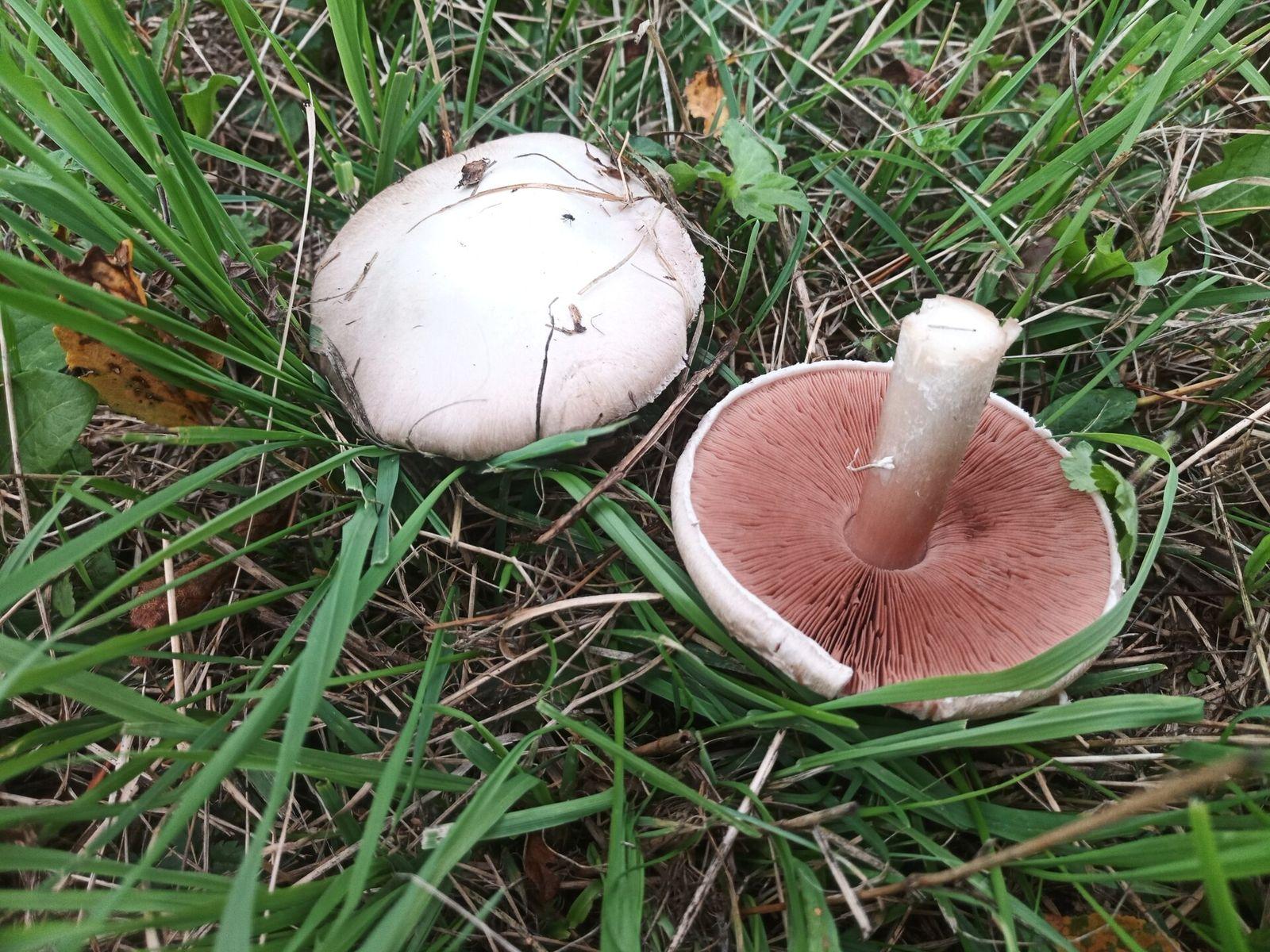
Agaricus campestris
White cap on a short stem, with bright pink gills that turn chocolate brown, growing in grass.
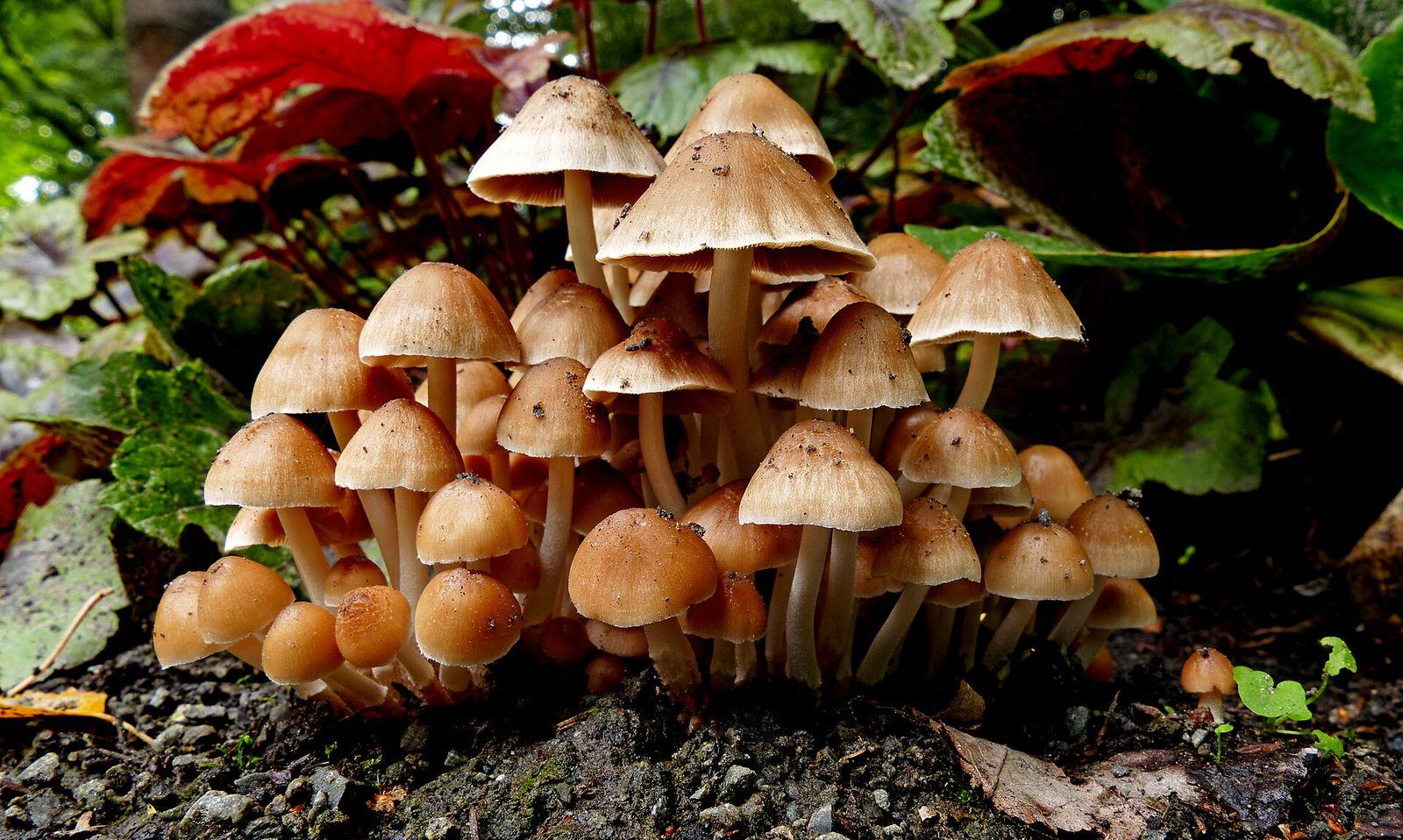
Coprinellus micaceus
Small honey-brown, finely grooved caps dusted with glittering granules, in clusters on or near rotting wood.
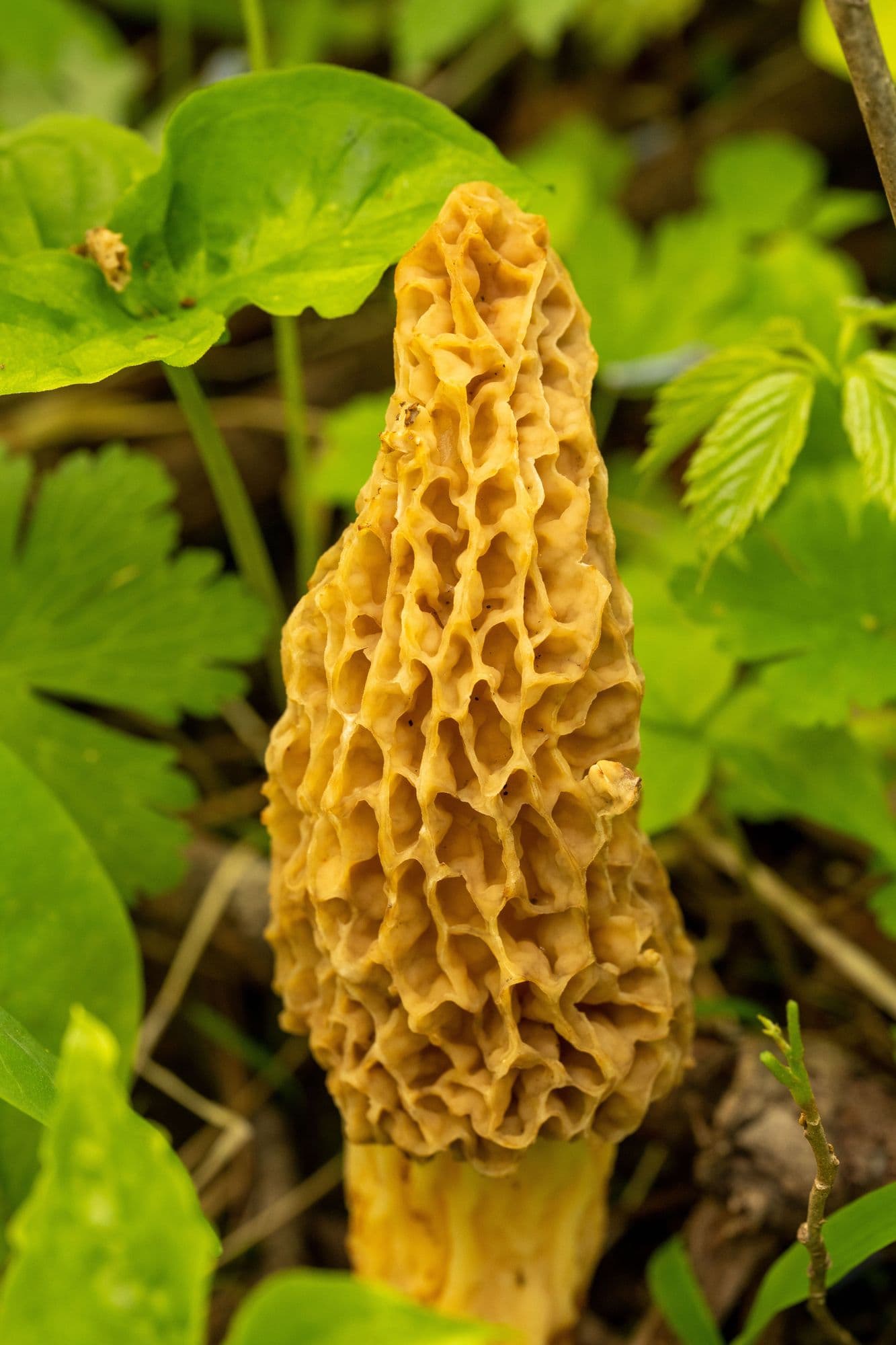
Morchella esculentoides
Honeycomb cap, completely hollow inside when sliced.
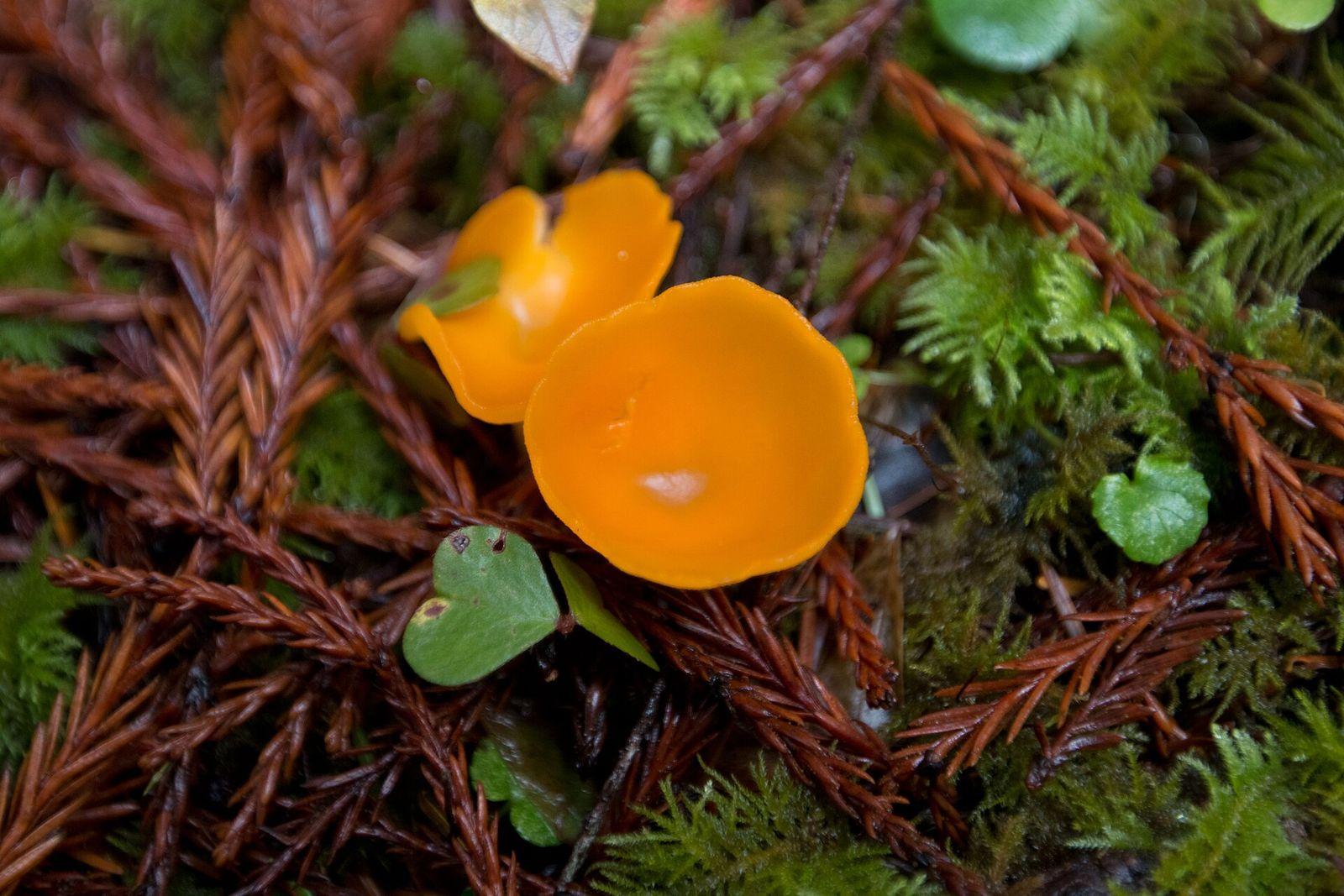
Aleuria aurantia
A bright orange, brittle cup on bare soil that looks like a discarded piece of orange peel.
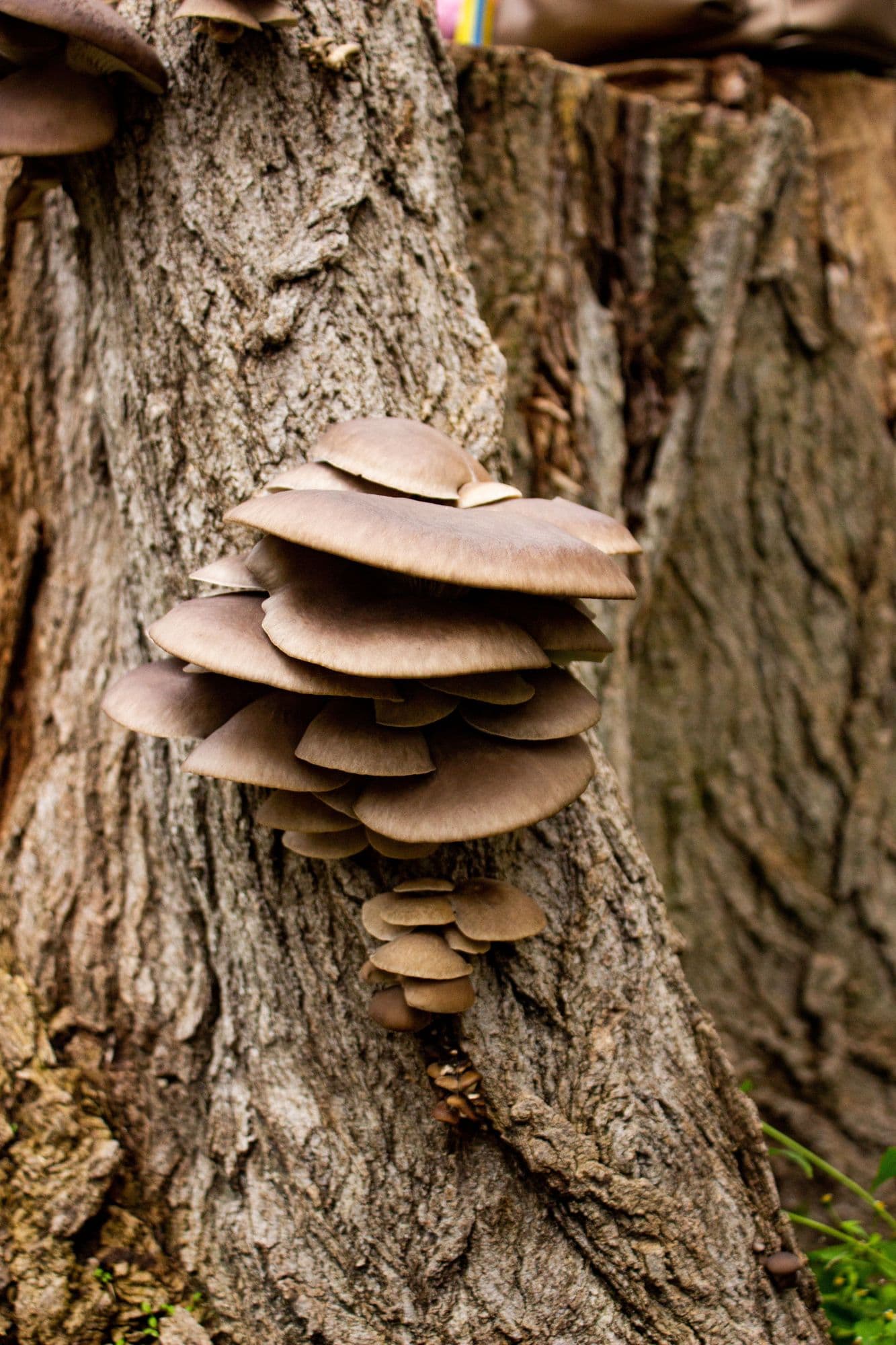
Pleurotus ostreatus
Fan-shaped caps in overlapping shelves on dead hardwood, with white gills running down to a short stub of a stem.
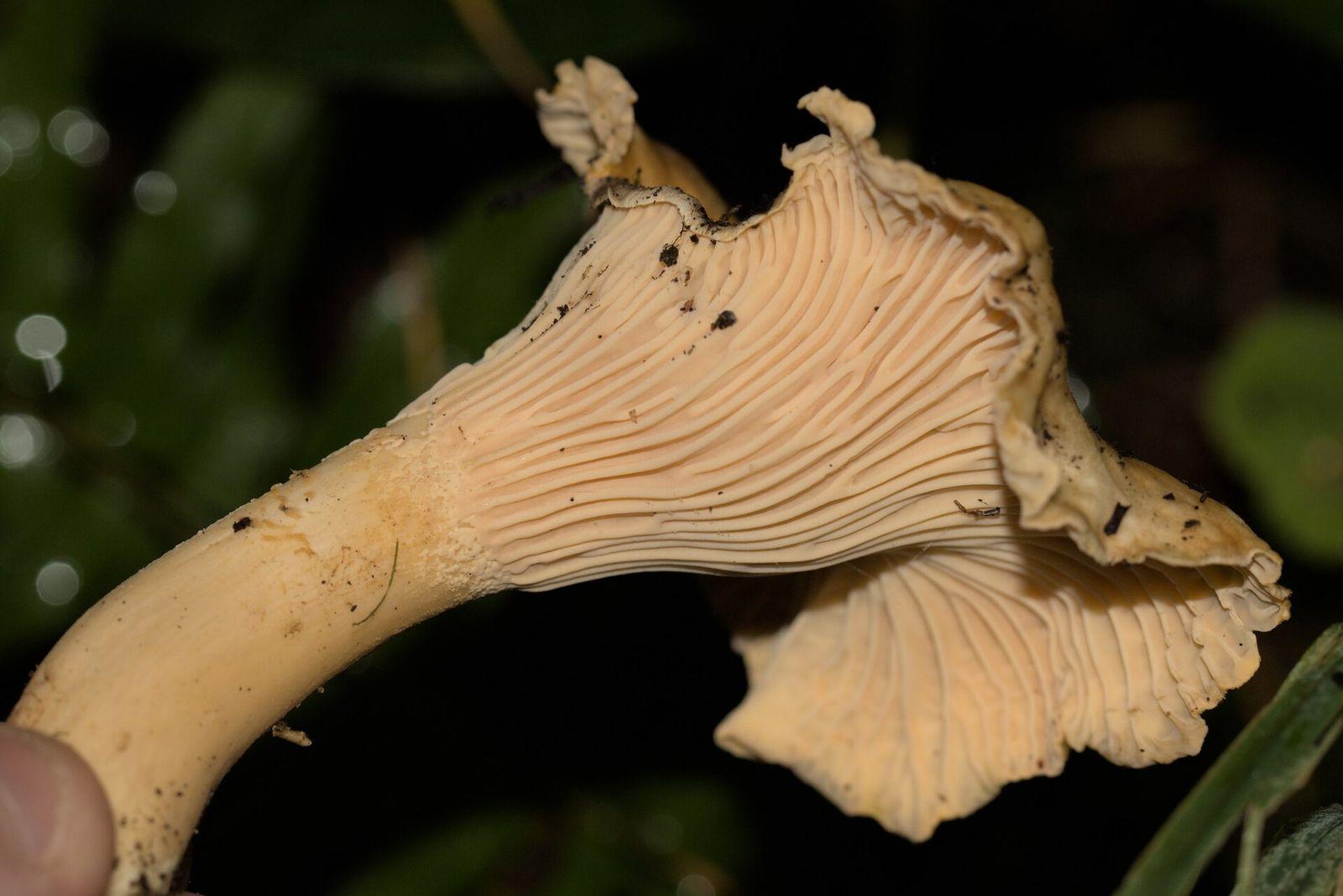
Cantharellus formosus
Golden-orange vase with pinkish-tinged forked ridges, under Douglas-fir and hemlock in the Pacific Northwest.
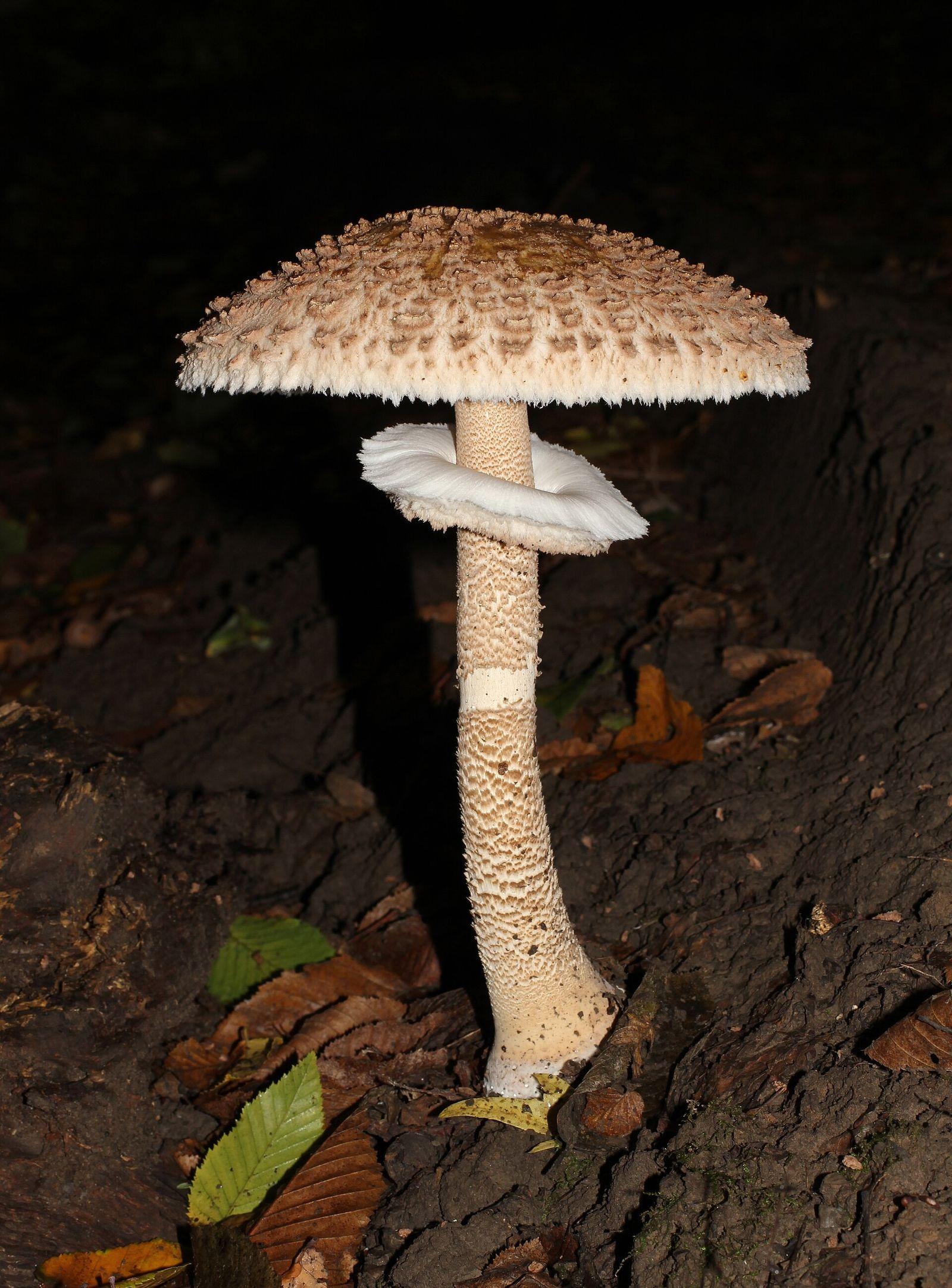
Macrolepiota procera
Tall, slender stem with a brown snakeskin pattern, a broad scaly cap with a dark central bump, and a thick movable ring.
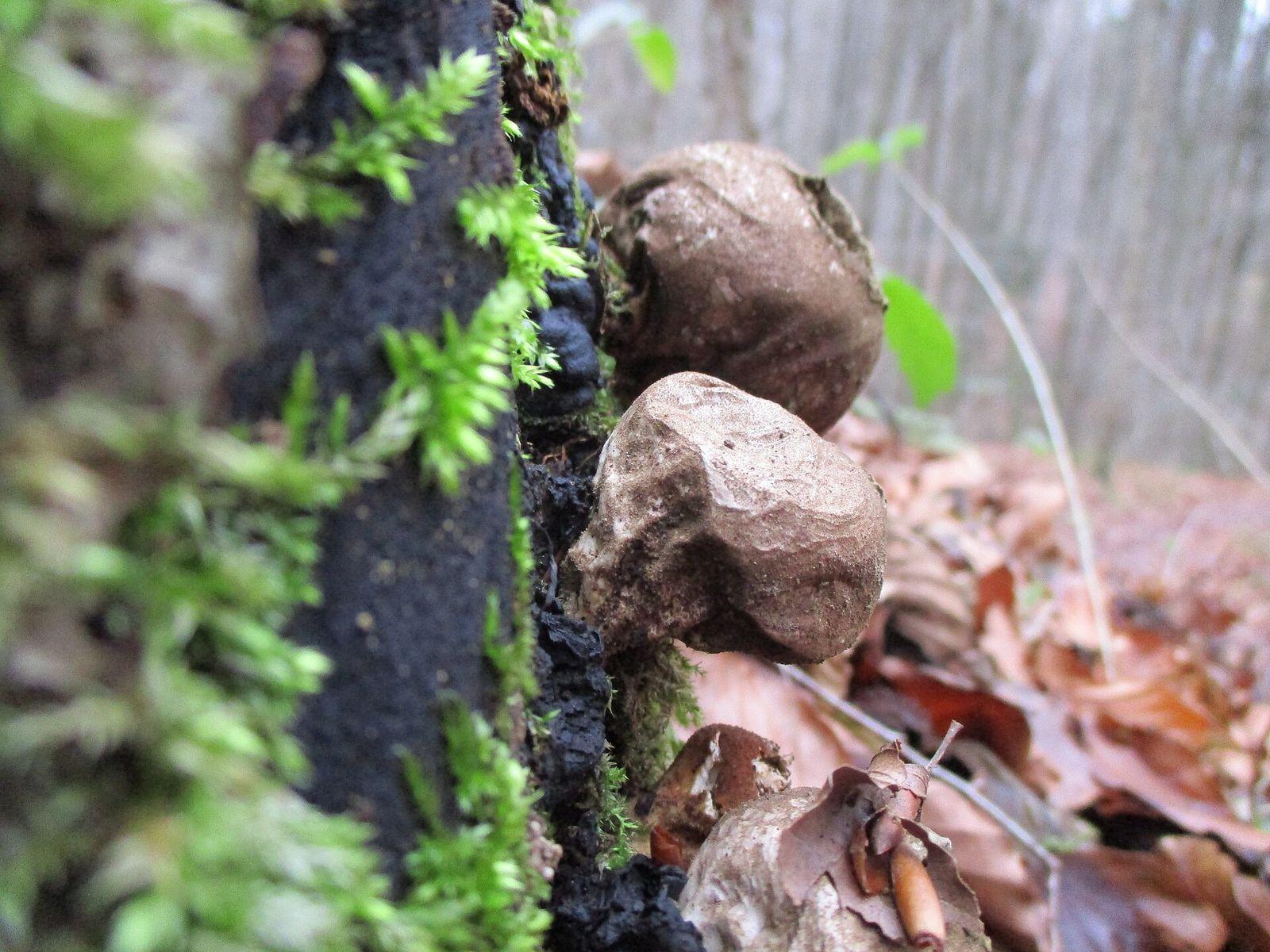
Apioperdon pyriforme
Small pear-shaped puffballs in dense clusters on rotting wood, joined at the base by white cords.
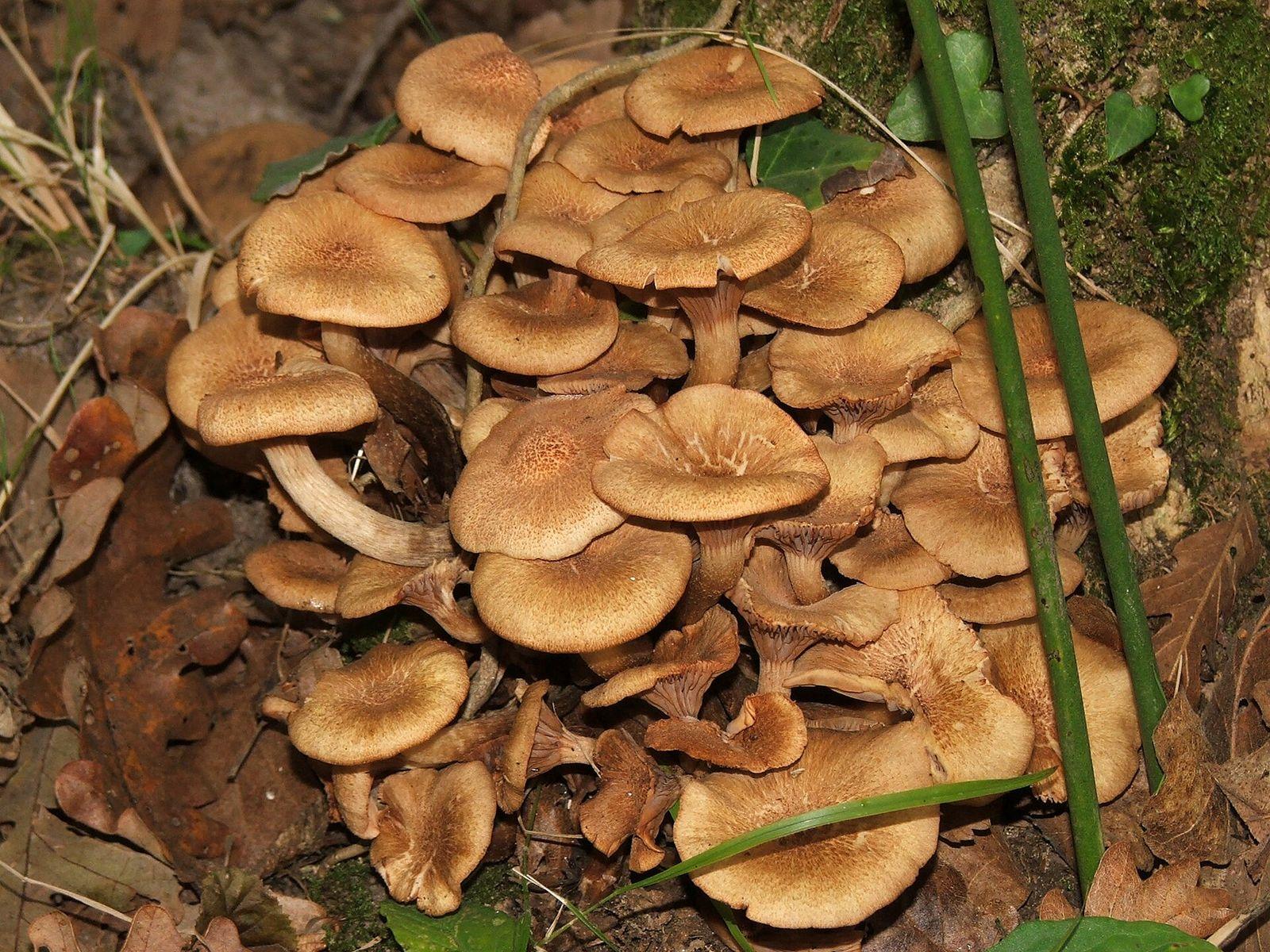
Desarmillaria caespitosa
Large clusters of dry, honey-brown caps at the base of hardwoods, with no ring on the stem and a white spore print.
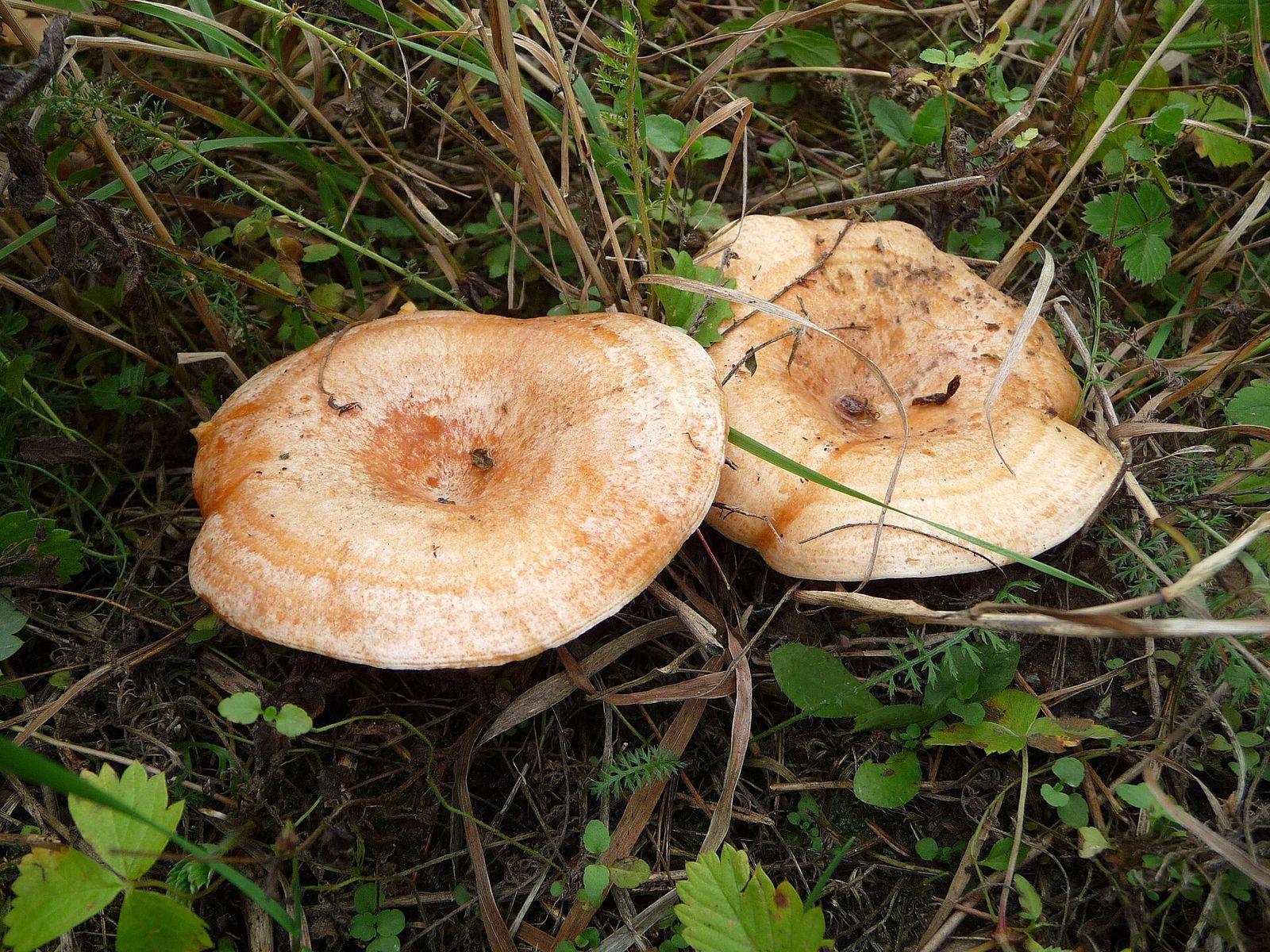
Lactarius deliciosus
Carrot-orange milk oozes from cut gills and slowly turns green.
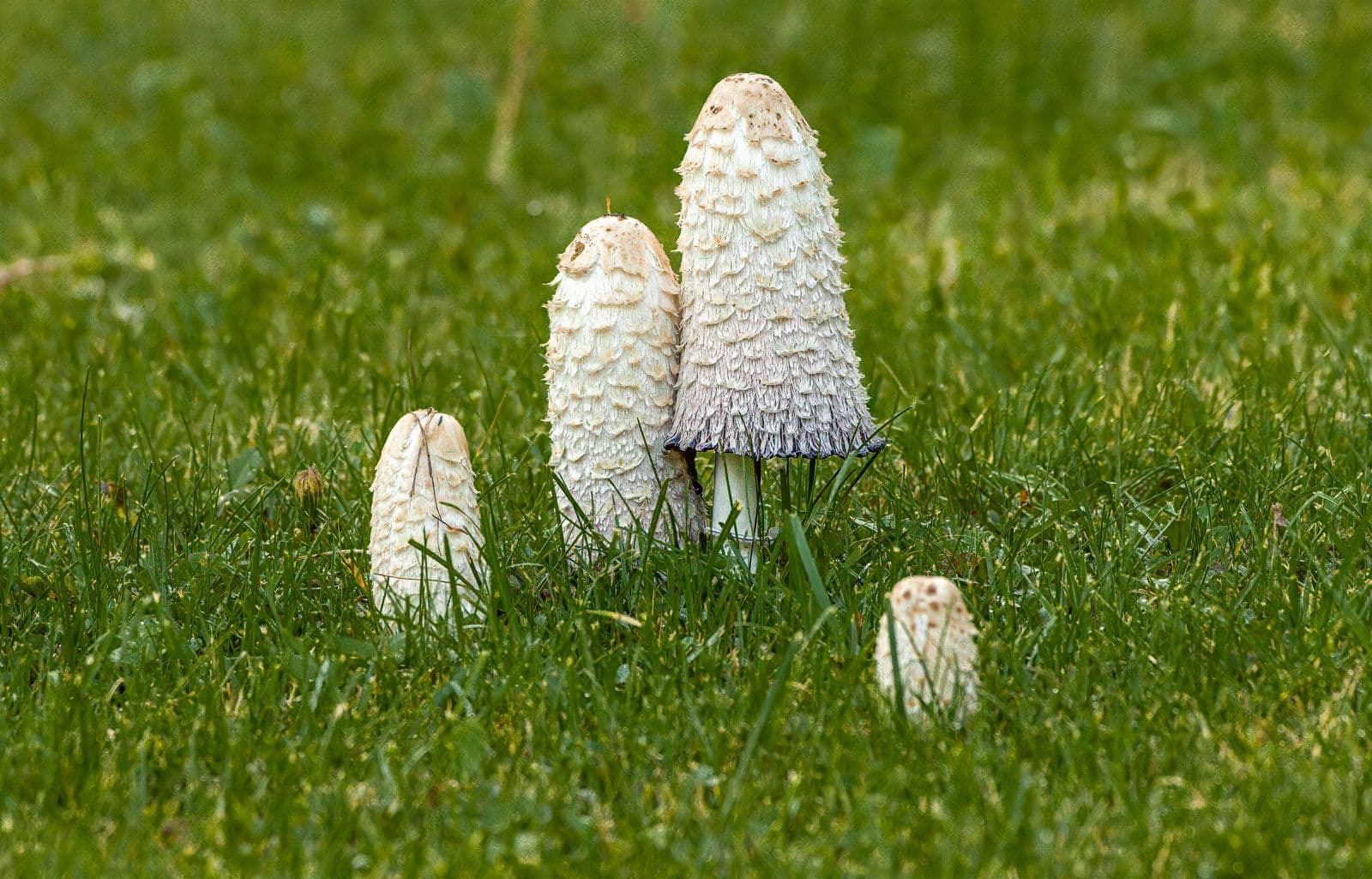
Coprinus comatus
Tall white cylindrical cap covered in shaggy scales, with gills that dissolve into black ink from the bottom edge up.
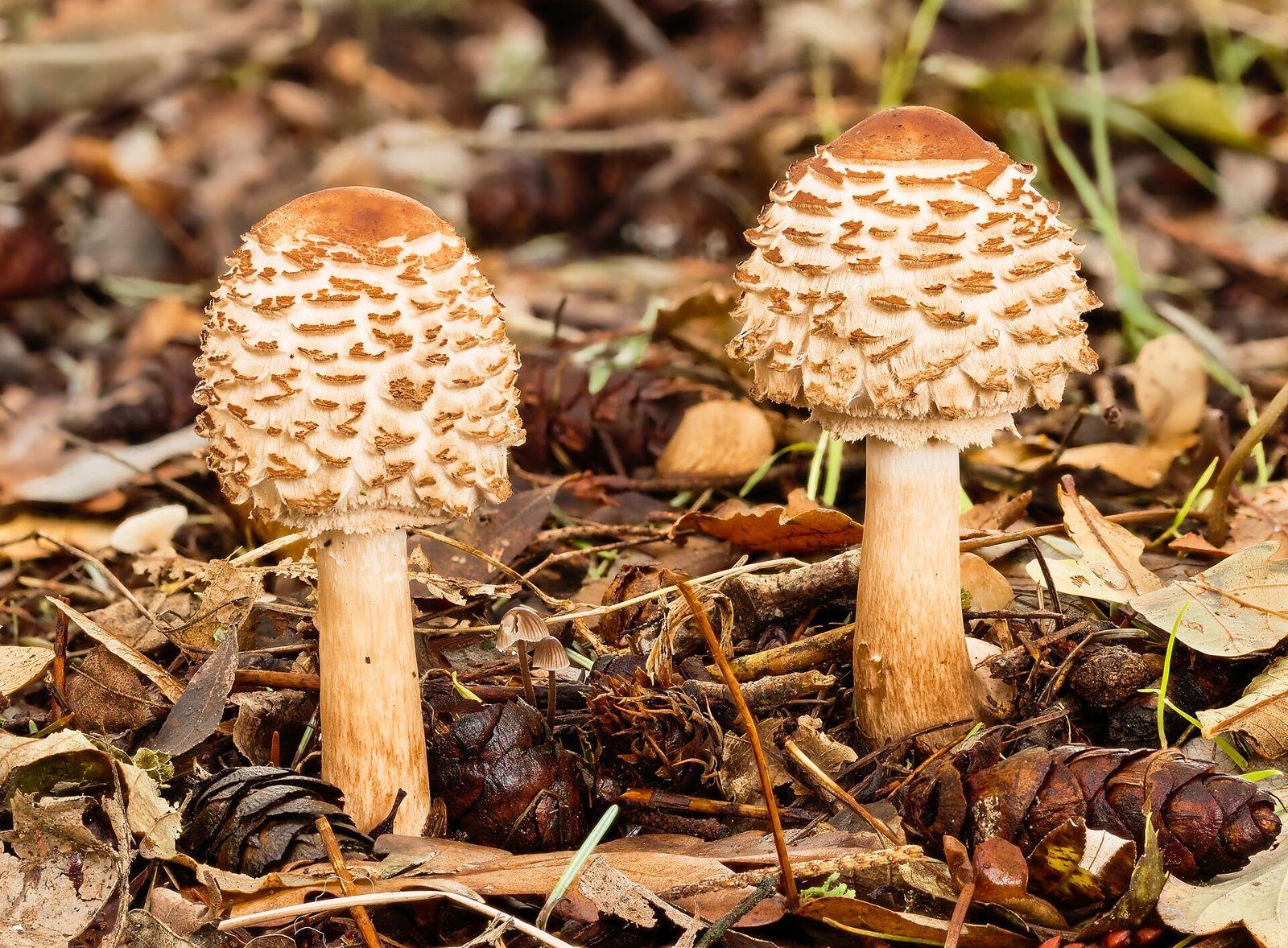
Chlorophyllum rhacodes
Coarse, shaggy brown scales on a pale cap, a smooth stem with an abrupt bulb, and flesh that turns orange to red when cut.
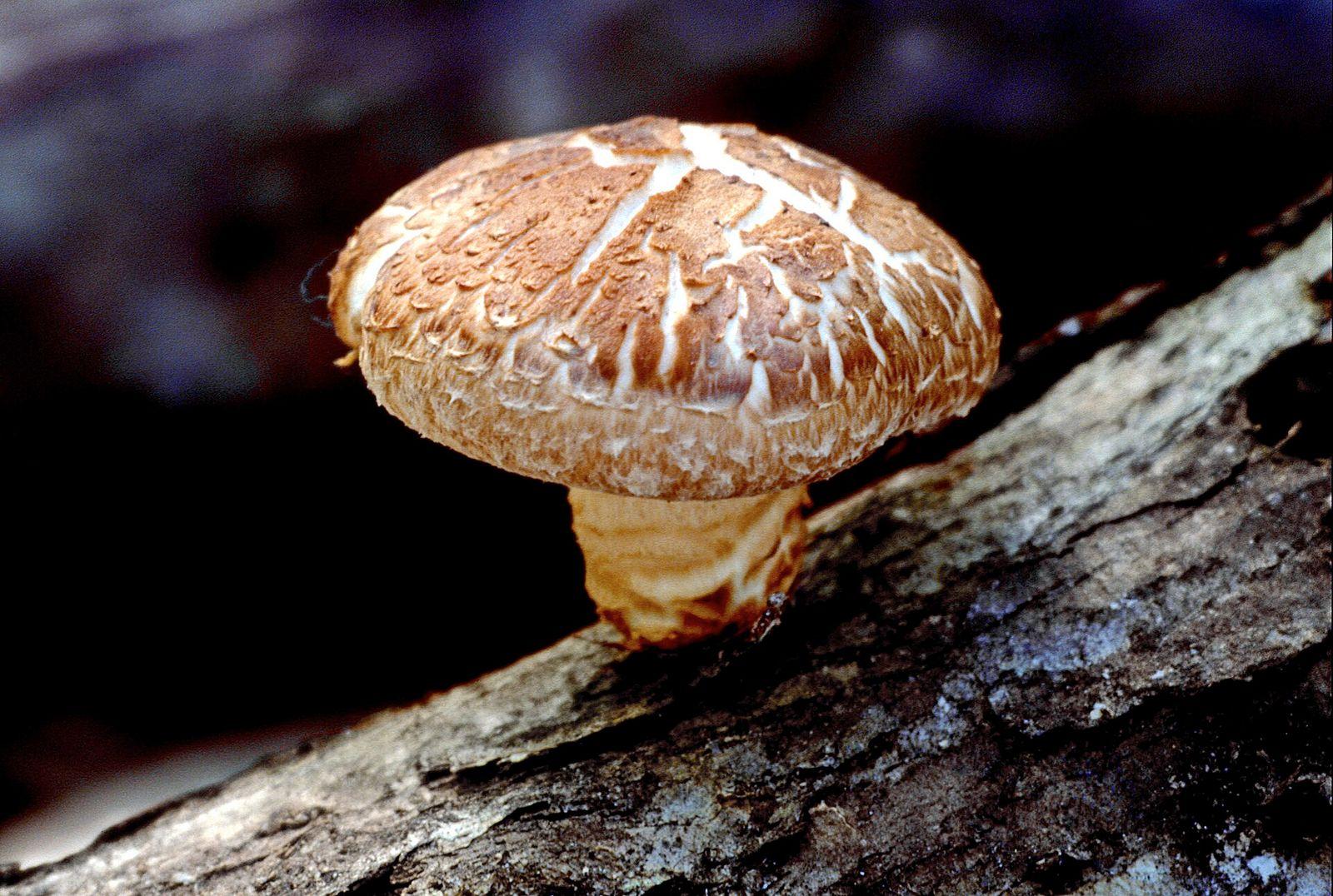
Lentinula edodes
A brown cap with whitish fibers at the edge, white gills with ragged edges, and a tough, fibrous stem.
Entoloma abortivum
Photo coming
Entoloma abortivum
Whitish, lumpy, irregular balls with marbled pinkish insides, growing near honey mushrooms.
Russula xerampelina
Photo coming
Russula xerampelina
A red to purple Russula whose stem bruises yellow then brown and which smells of shrimp or crab with age.
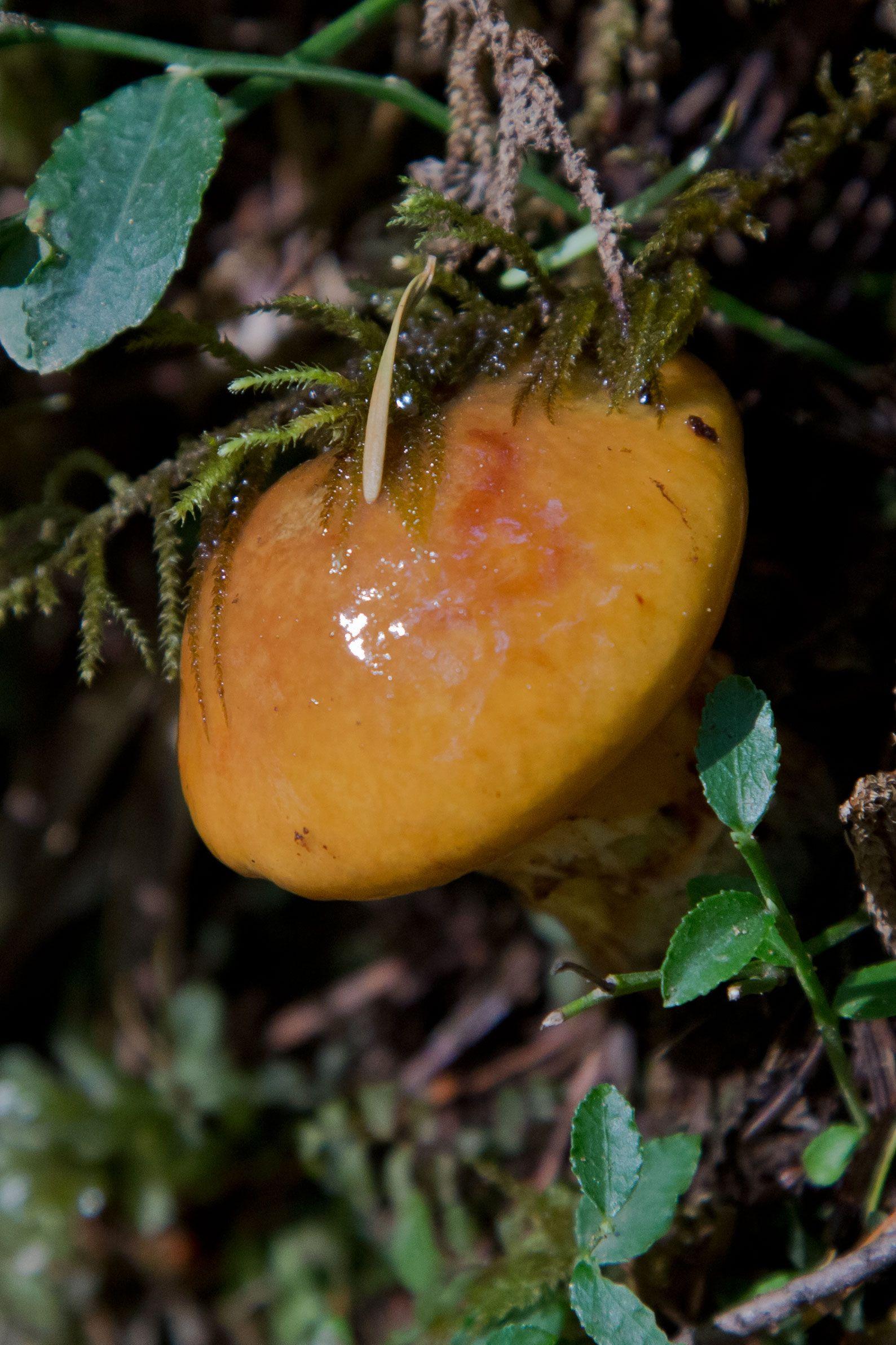
Suillus luteus
A slimy brown cap over yellow pores, and a large membranous ring that is purplish underneath, under pines.
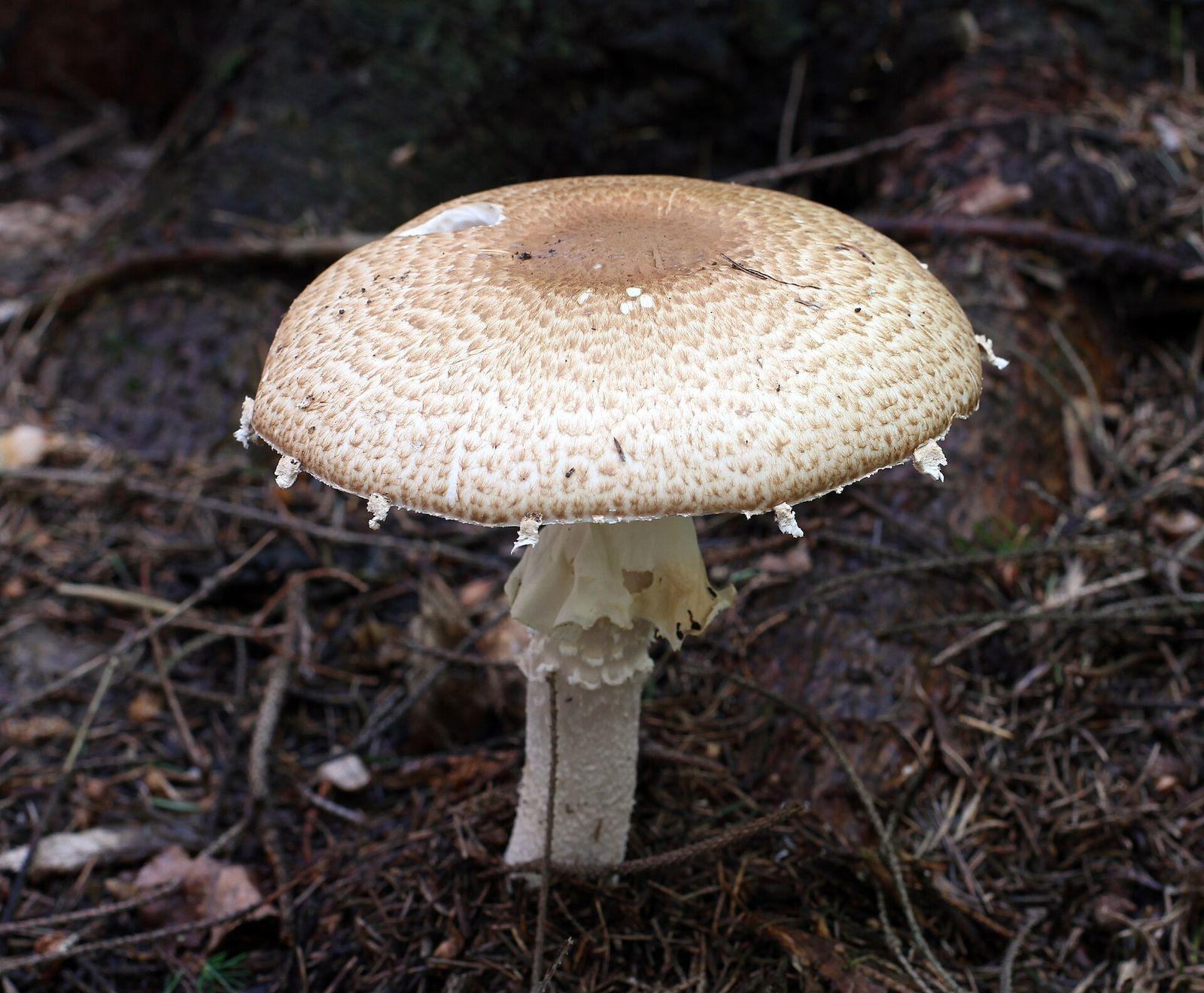
Agaricus augustus
Large cap covered in golden brown fibrous scales, bruising yellow, with a big skirt-like ring and a strong almond smell.
Baorangia bicolor
Photo coming
Baorangia bicolor
A rose-red cap and stem with bright yellow pores that bruise blue slowly.
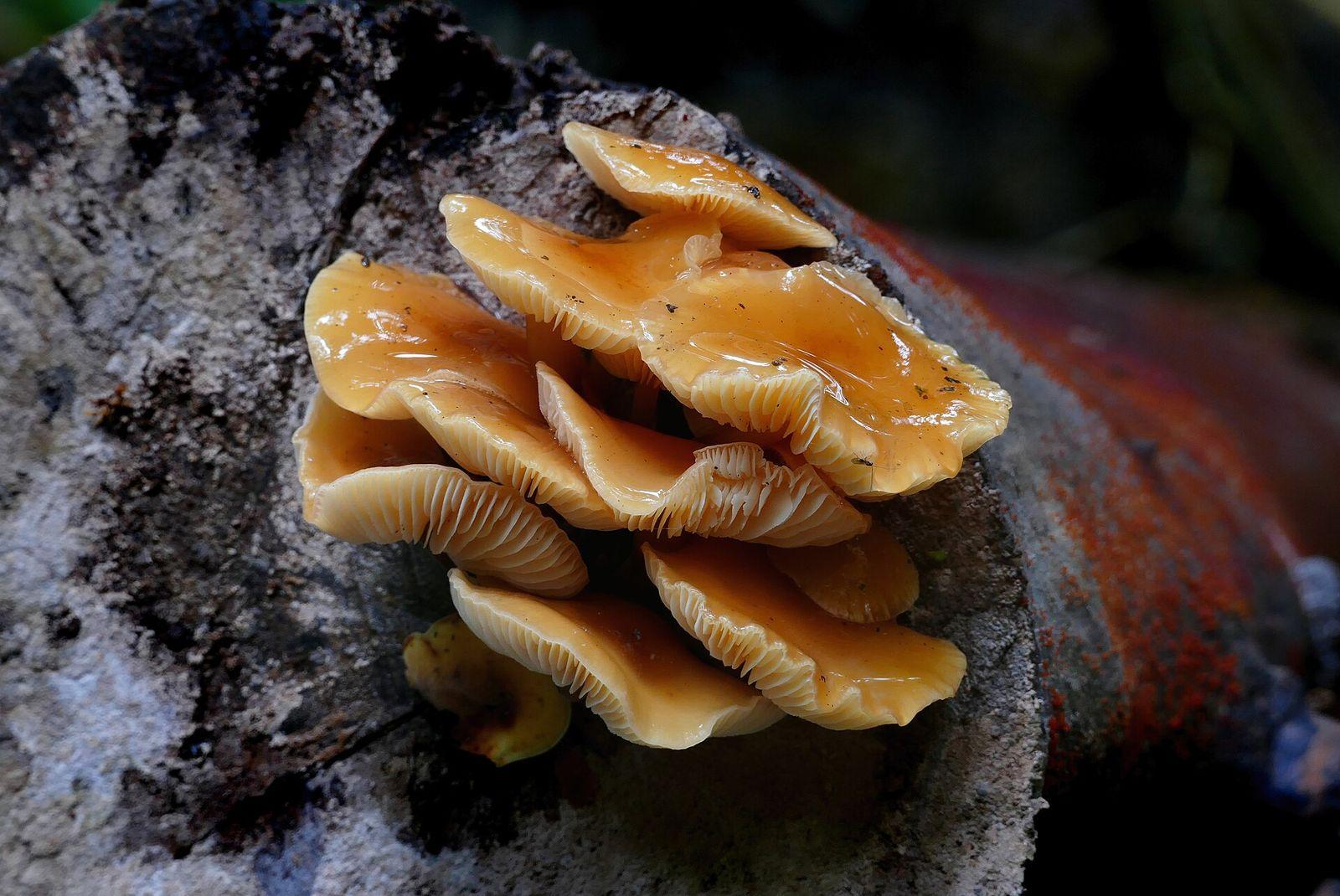
Flammulina velutipes
Sticky orange-brown caps on dead hardwood in cold weather, on stems that turn dark brown and velvety from the base up.
Laetiporus cincinnatus
Photo coming
Laetiporus cincinnatus
Pinkish-orange rosette at the base of an oak, with a white pore surface underneath.
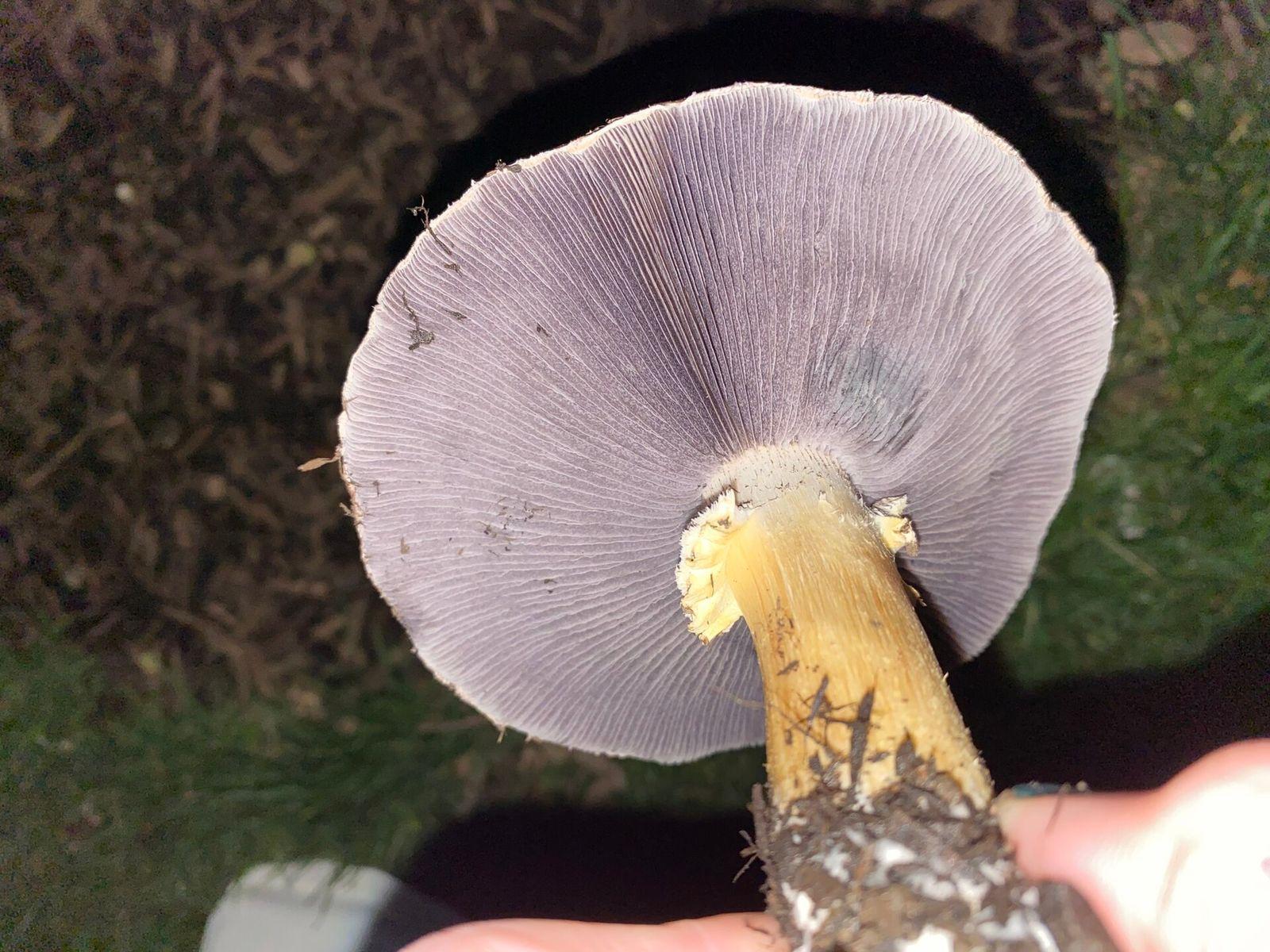
Stropharia rugosoannulata
A wine-red cap over purple-gray gills, with a thick ring whose underside is split into claw-like segments.
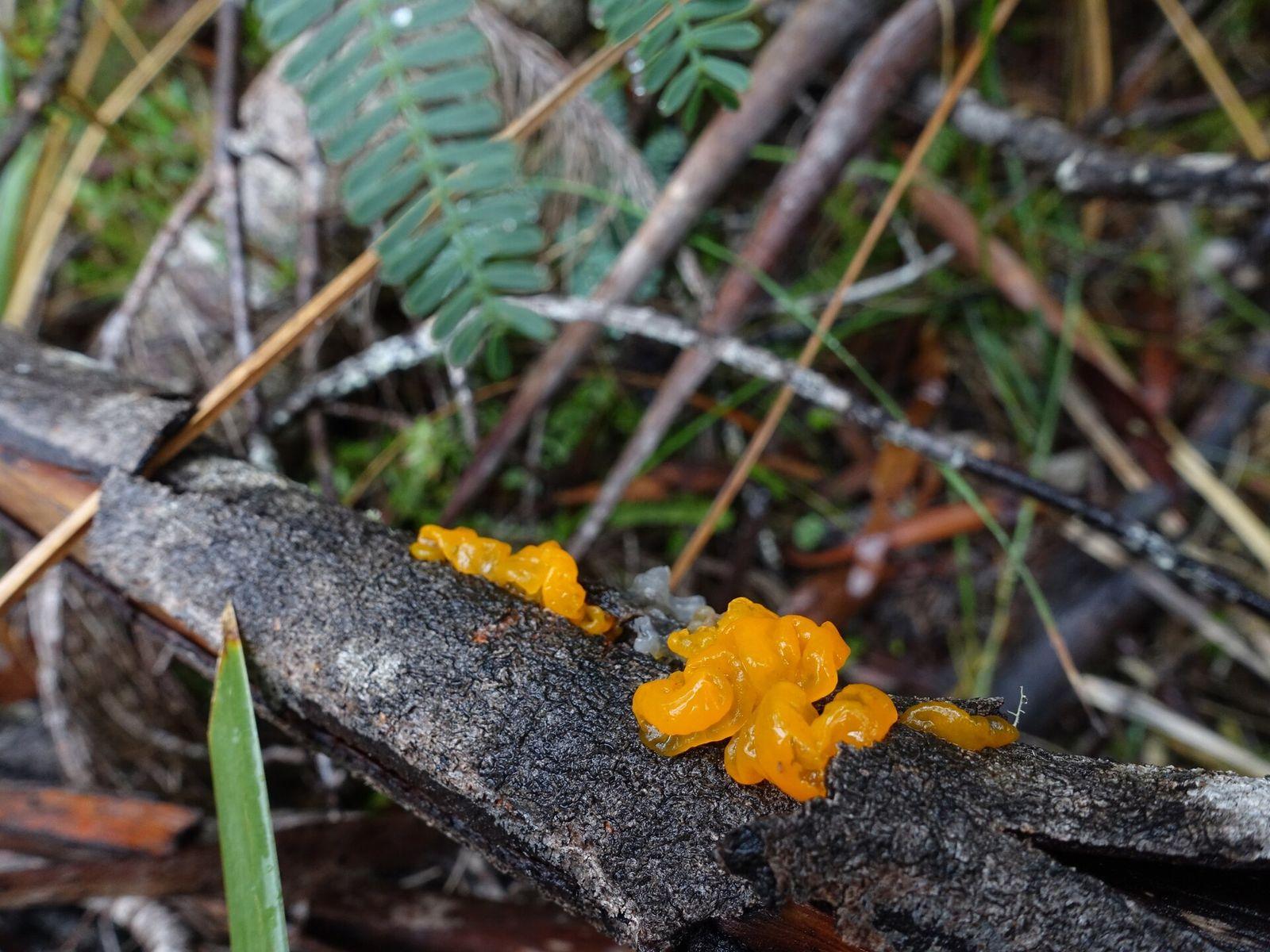
Tremella mesenterica
A bright yellow to orange, wobbly, brain-like jelly on dead hardwood branches.
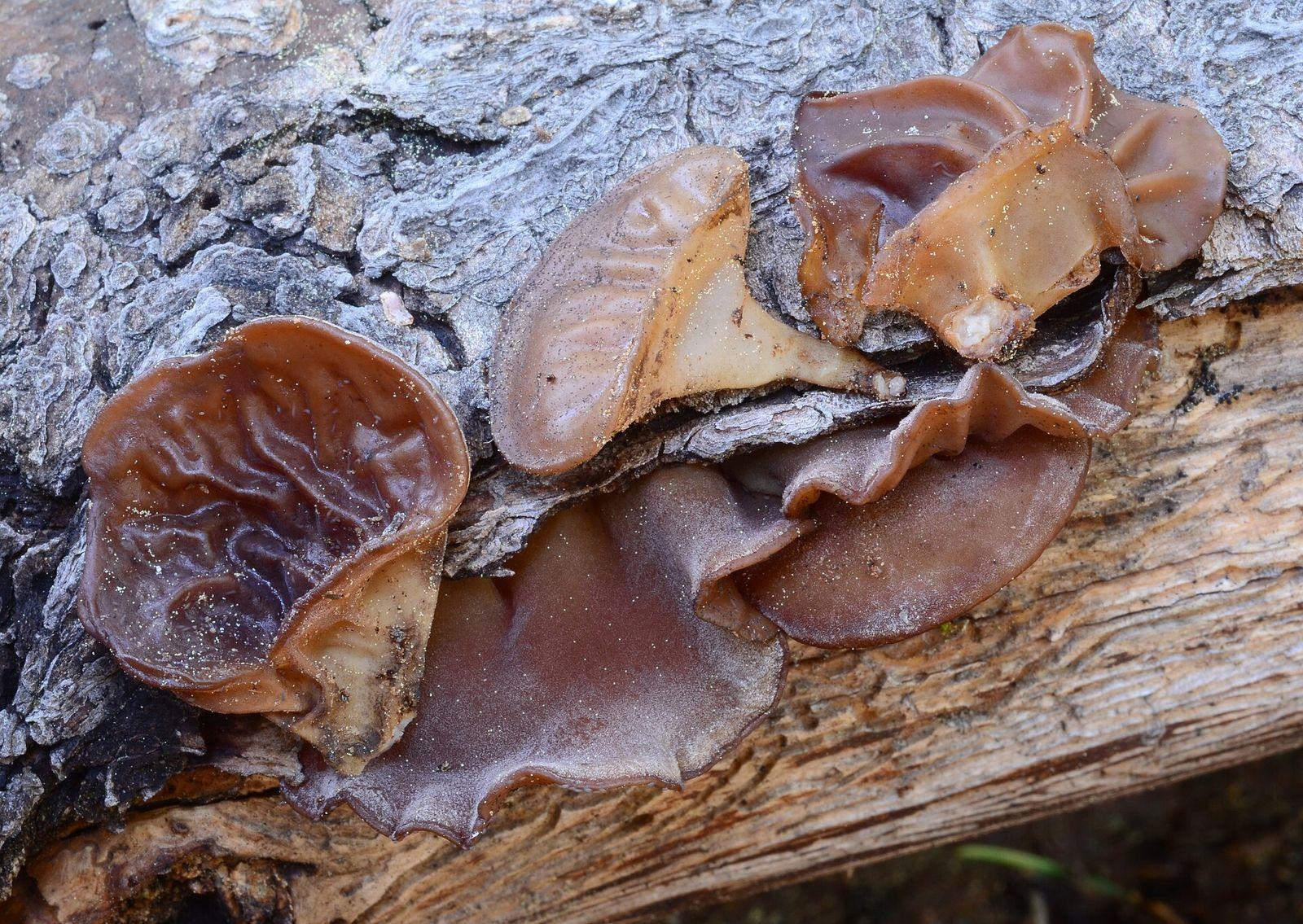
Auricularia americana
A rubbery, brown, ear-shaped jelly fungus on dead wood, finely hairy on the back.
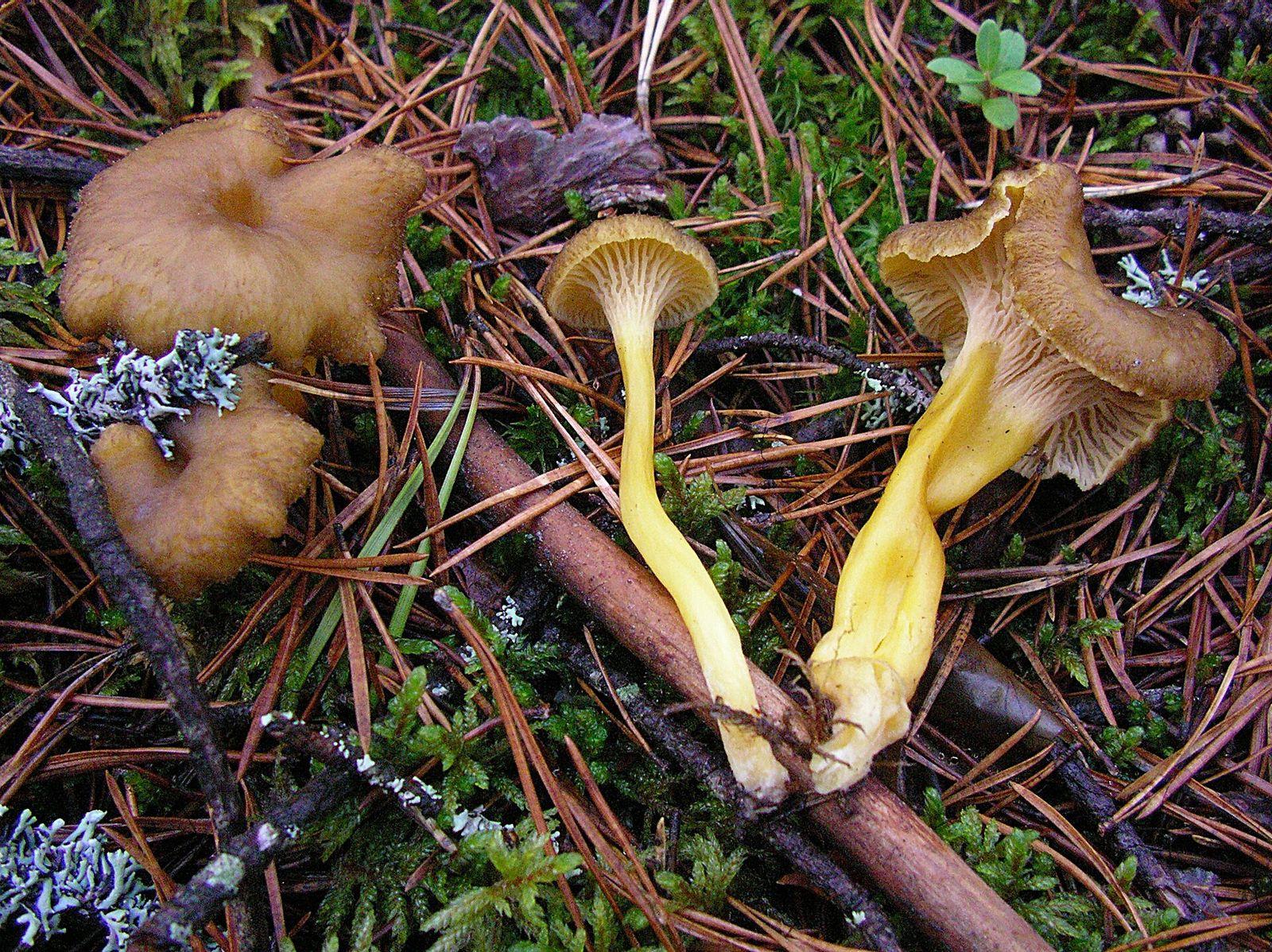
Craterellus tubaeformis
Small brown funnel cap over grayish false gills and a hollow yellow-orange stem.
14 species
People mistake these for edible species, and some of them are toxic.
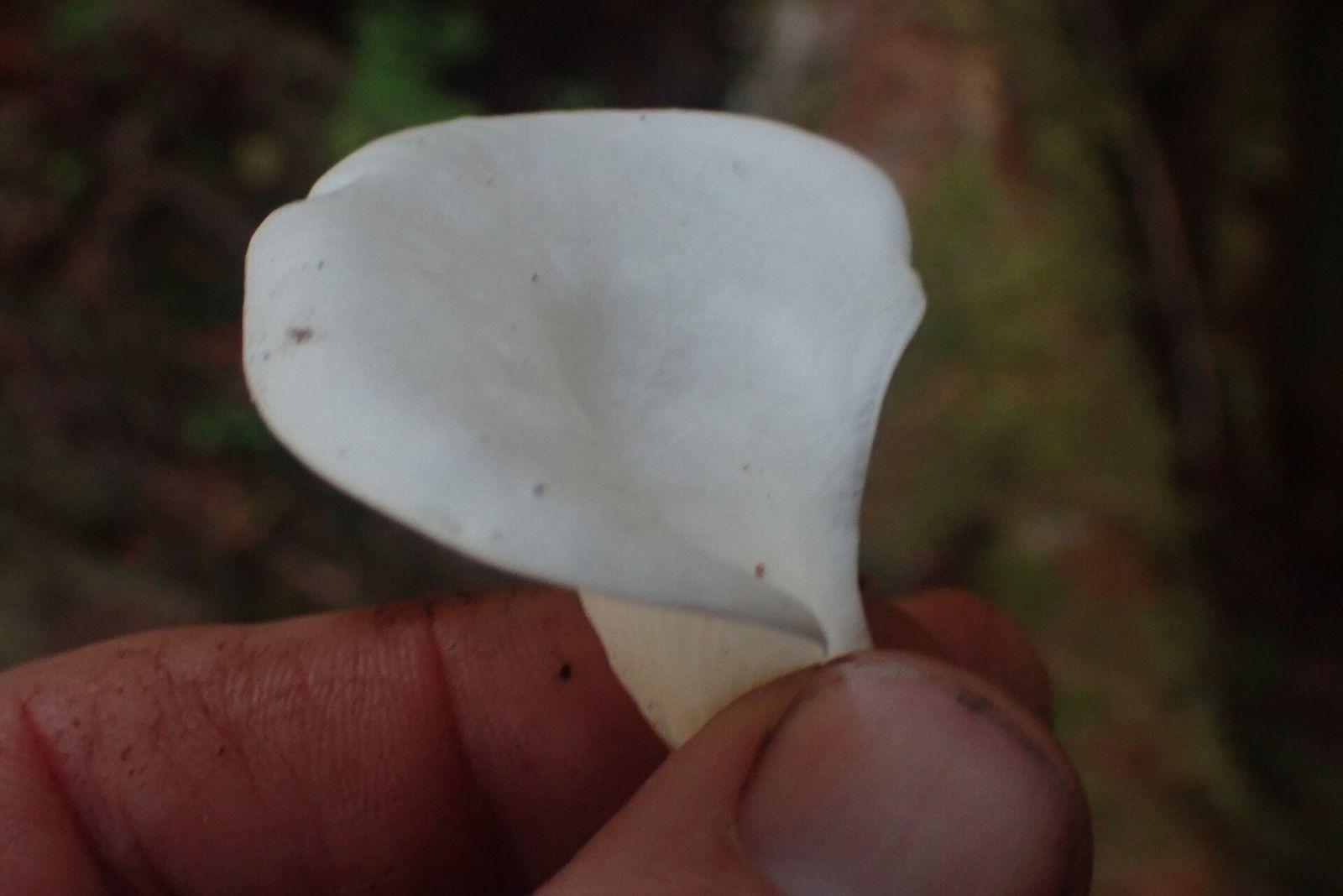
Pleurocybella porrigens
Thin, pure white, fan-shaped caps in overlapping groups on dead conifer wood.
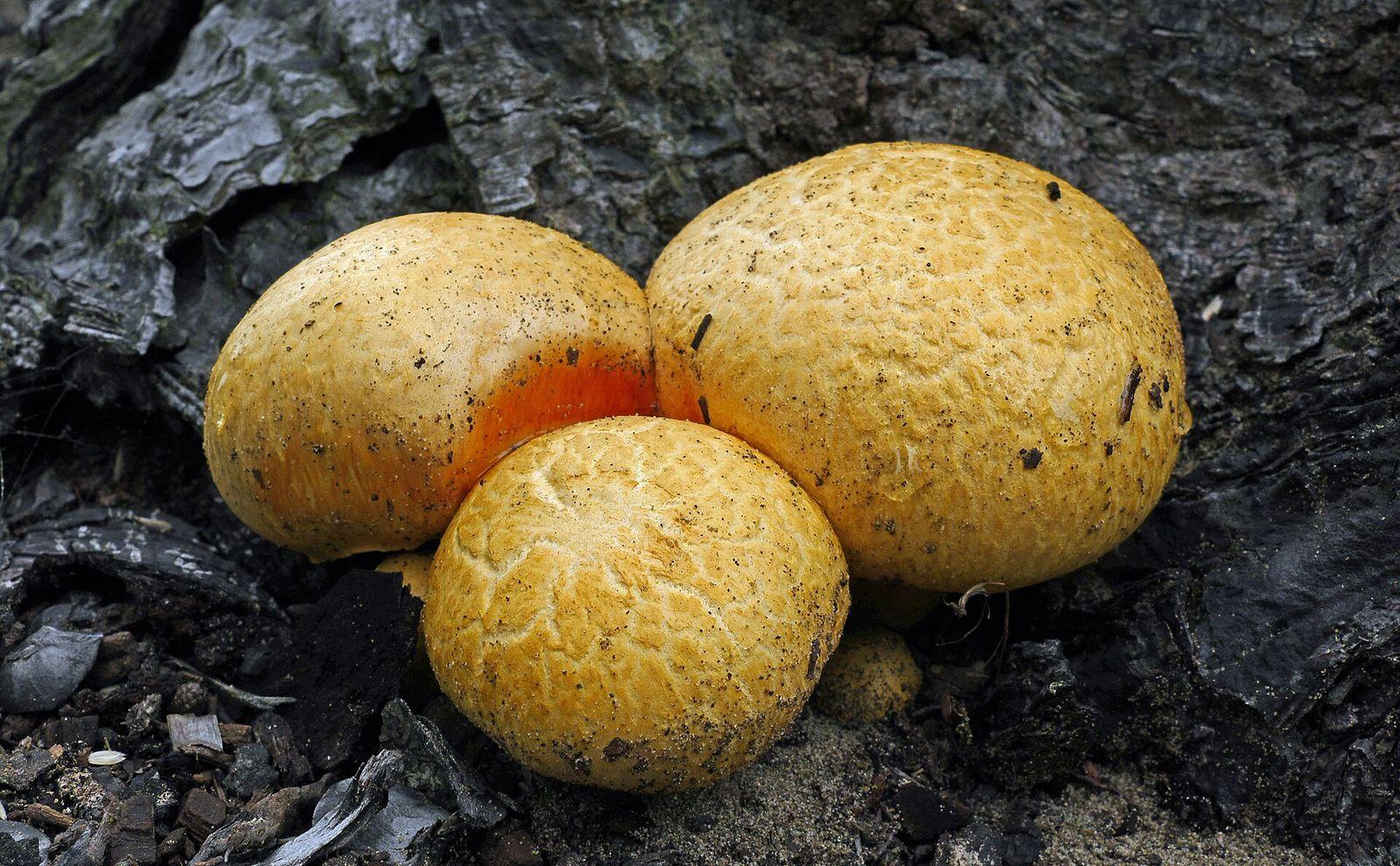
Gymnopilus junonius
A large, orange-yellow cluster on wood with a ring on a thick stem and a rusty orange spore print.
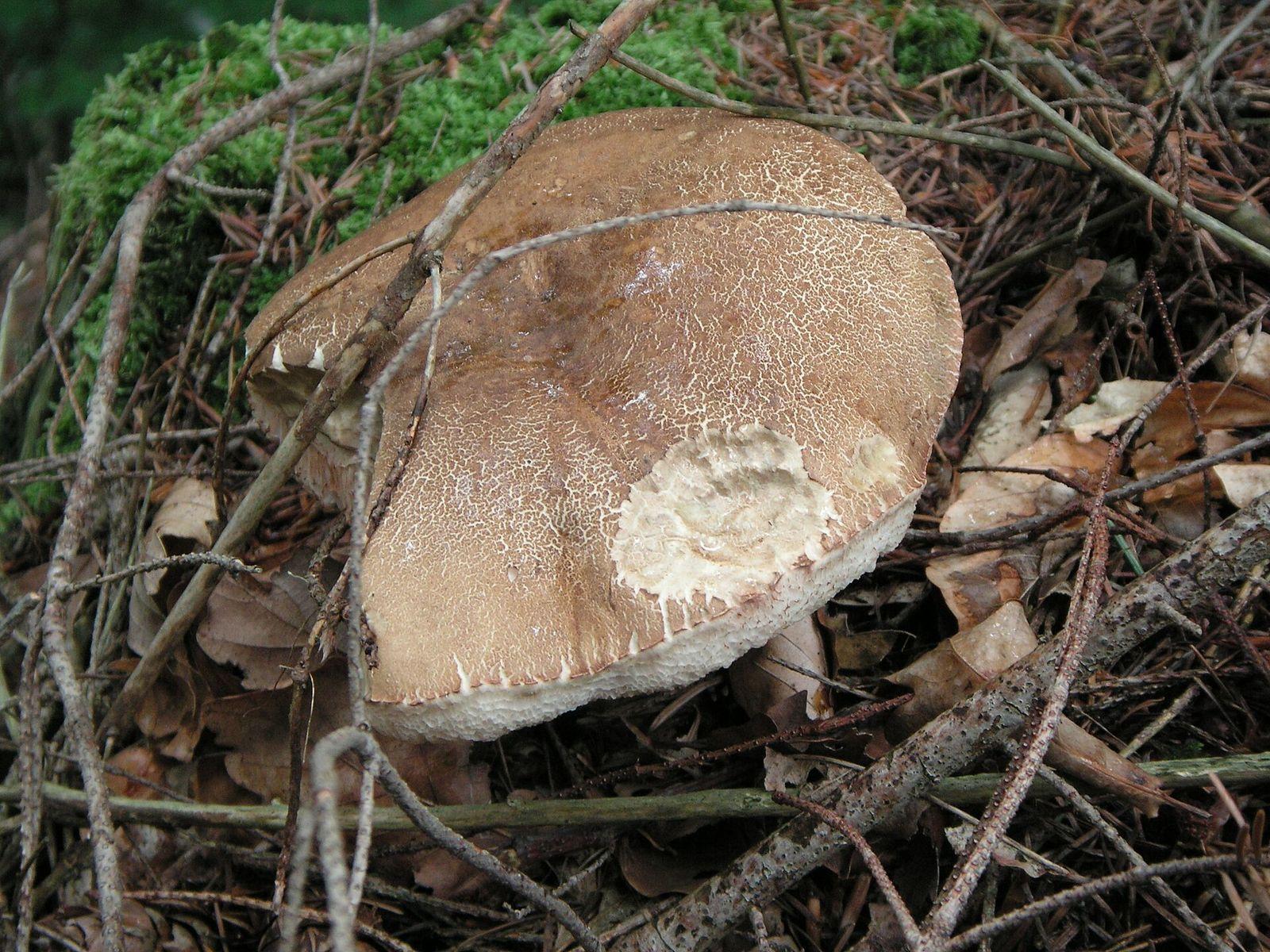
Tylopilus felleus
A brown bolete with pinkish pores and a coarse, dark brown net on the stem.
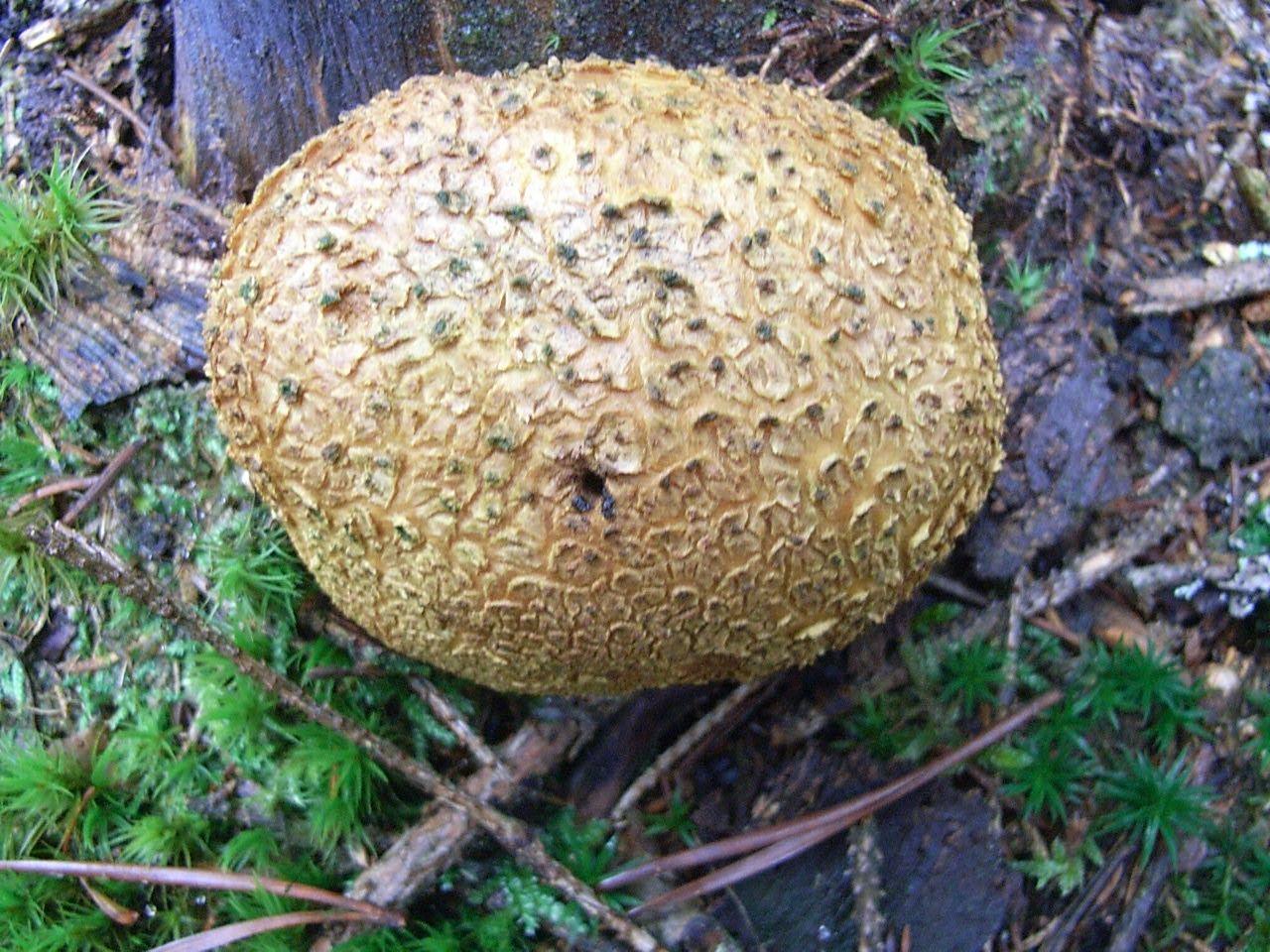
Scleroderma citrinum
A hard, thick-skinned ball with a scaly yellow-brown surface that is purple-black inside, not white.
Verpa bohemica
Photo coming
Verpa bohemica
Wrinkled thimble-shaped cap attached only at the top of a cotton-filled stem.
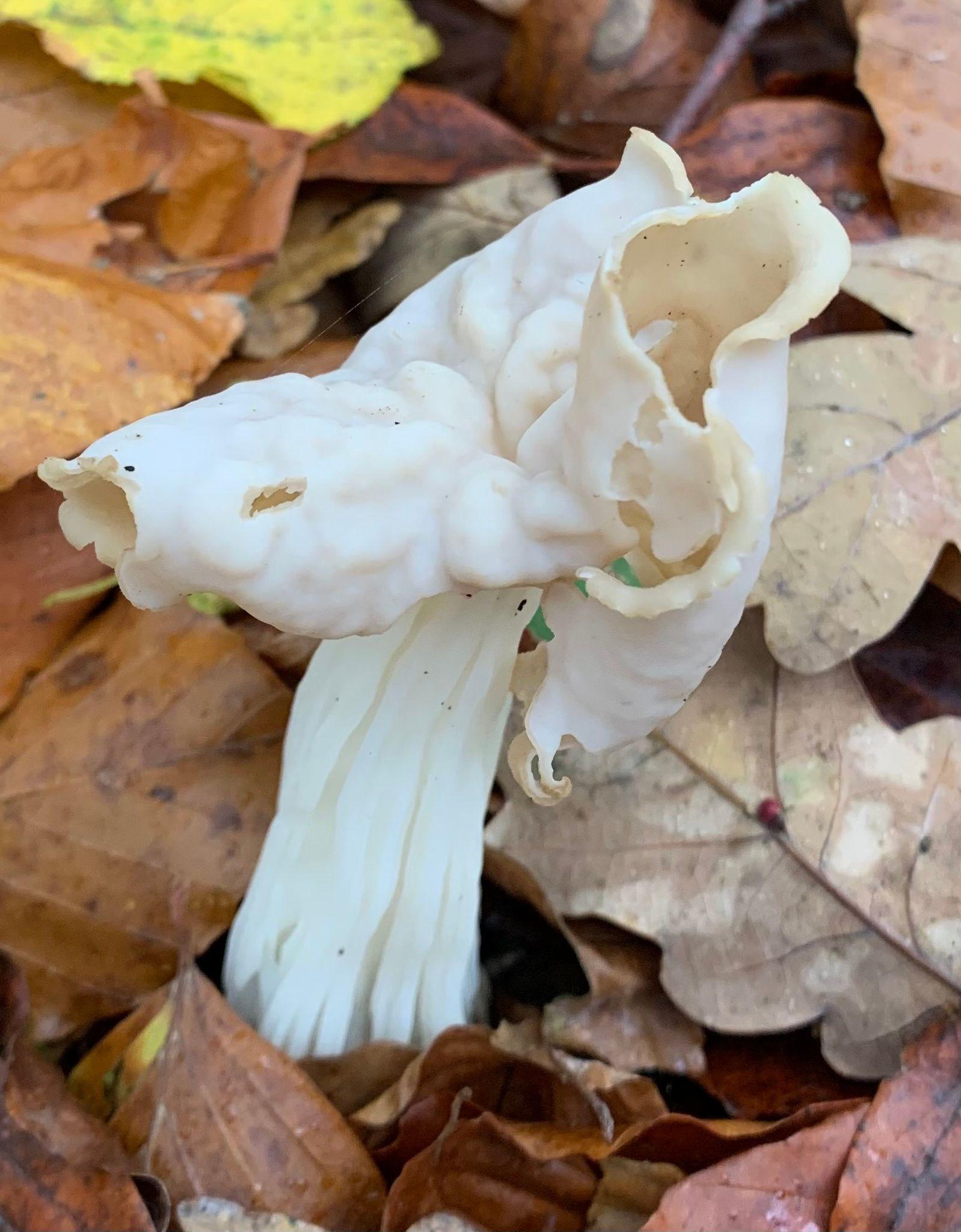
Helvella crispa
Whitish, floppy saddle-shaped cap on a deeply ribbed, chambered white stem.
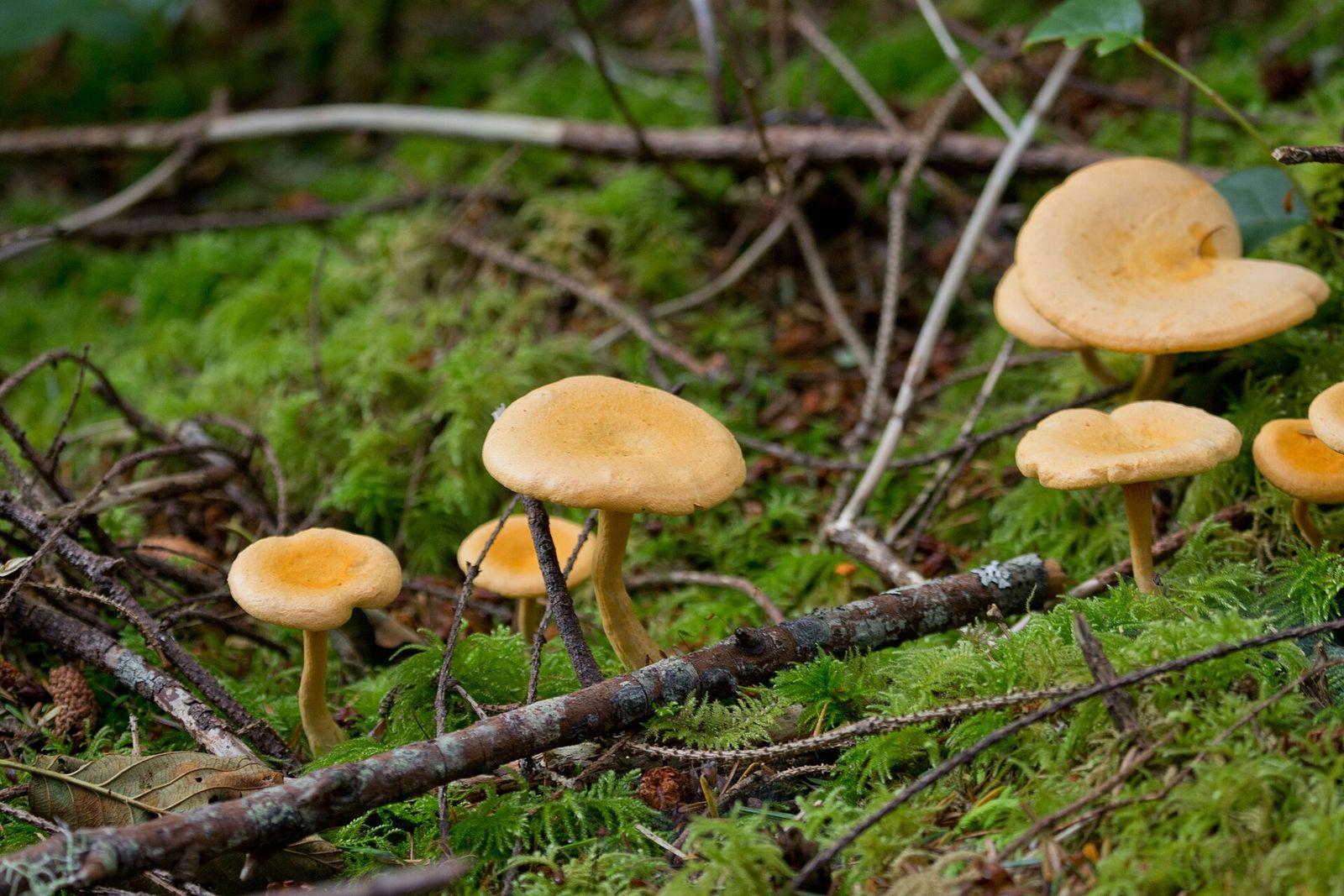
Hygrophoropsis aurantiaca
Orange cap with thin, crowded, repeatedly forked true gills, on rotting conifer wood or duff.
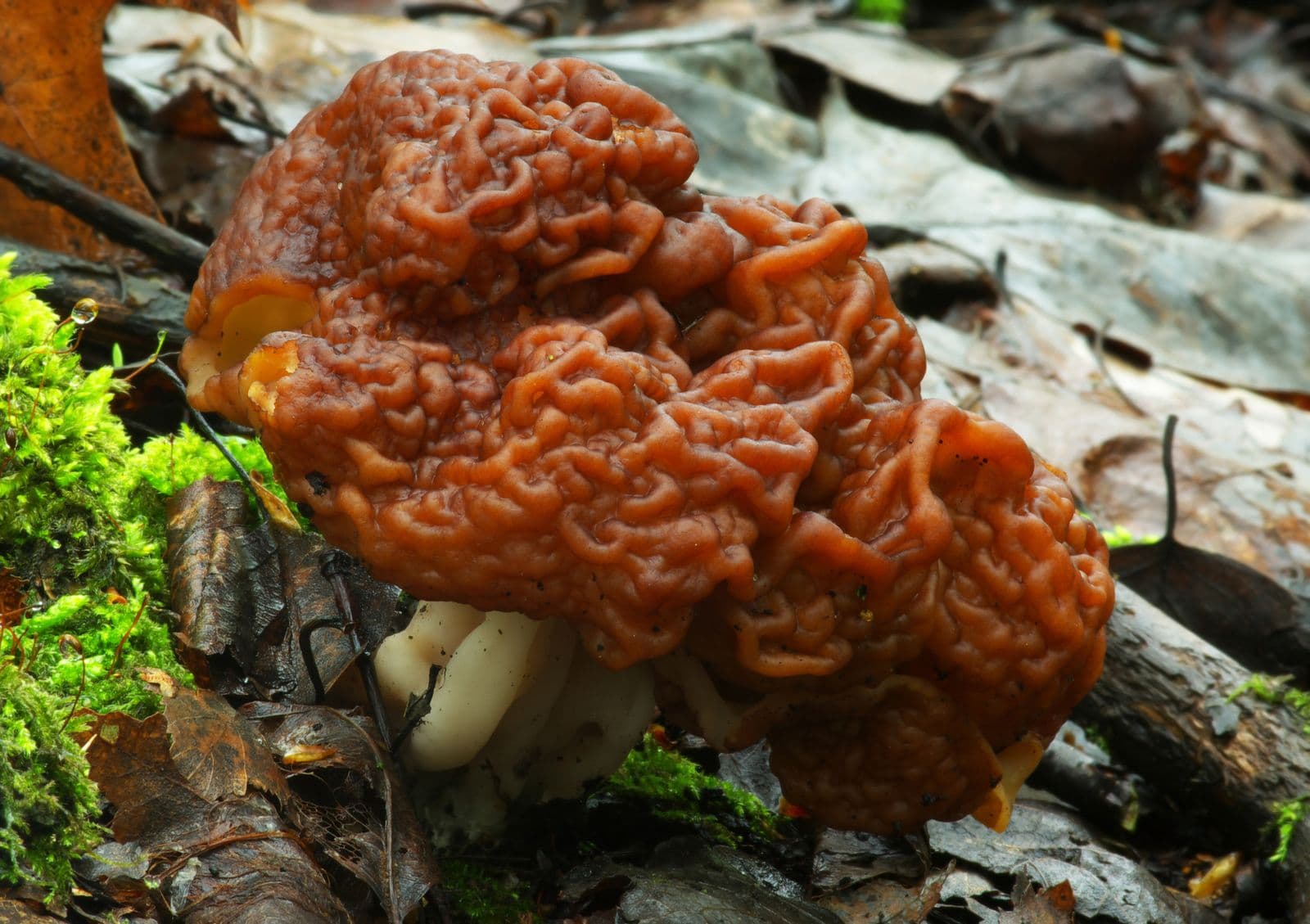
Gyromitra esculenta
Wrinkled, brain-like reddish-brown cap that is chambered or cottony inside, not hollow.
Clitocybe rivulosa
Photo coming
Clitocybe rivulosa
Small white to buff caps in grass, with crowded gills that run down a short stem.
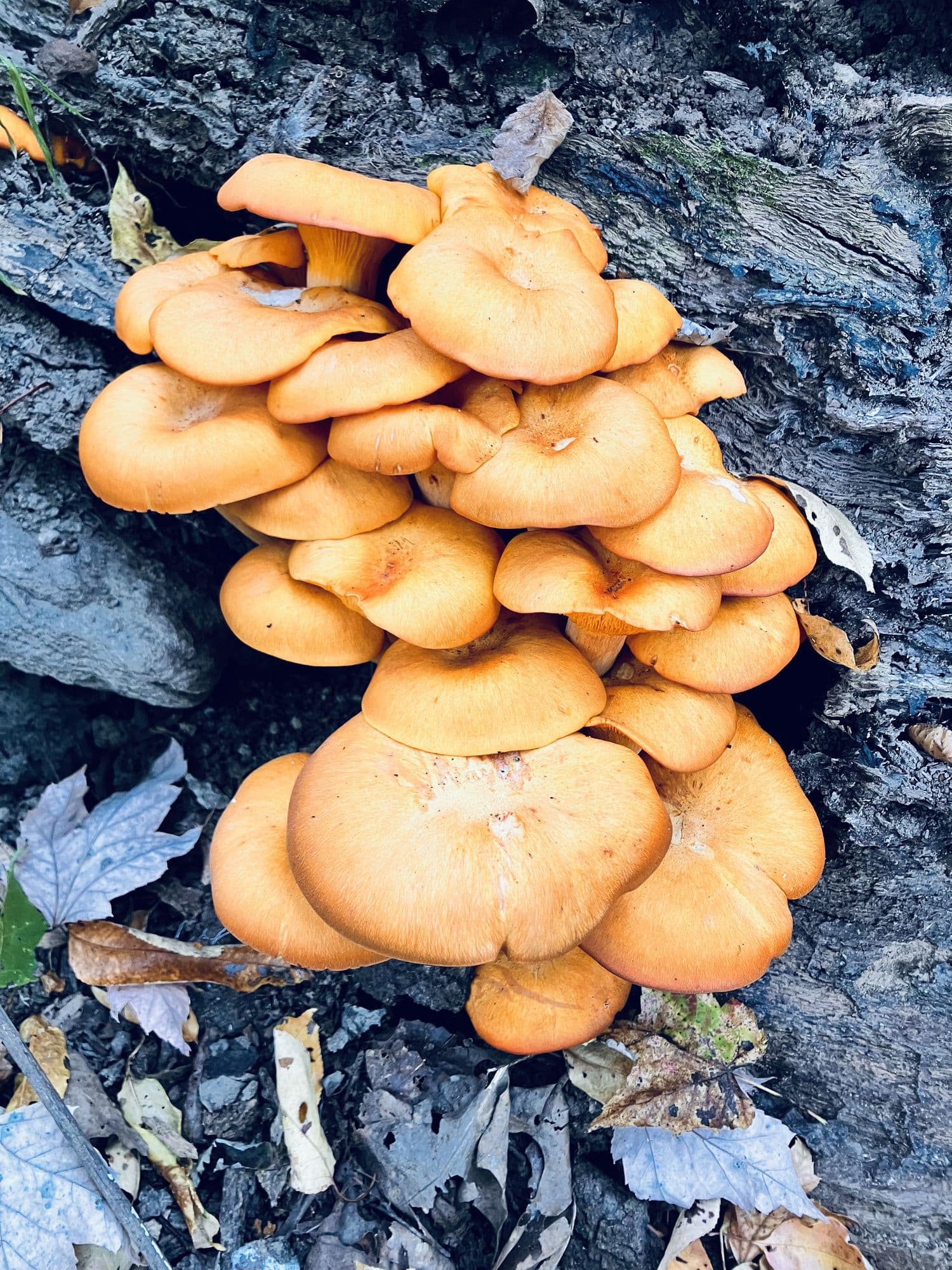
Omphalotus illudens
Bright orange clusters on wood with sharp true gills and orange flesh.
Turbinellus floccosus
Photo coming
Turbinellus floccosus
Tall orange trumpet with a scaly, hollow top and a cream, wrinkled underside.
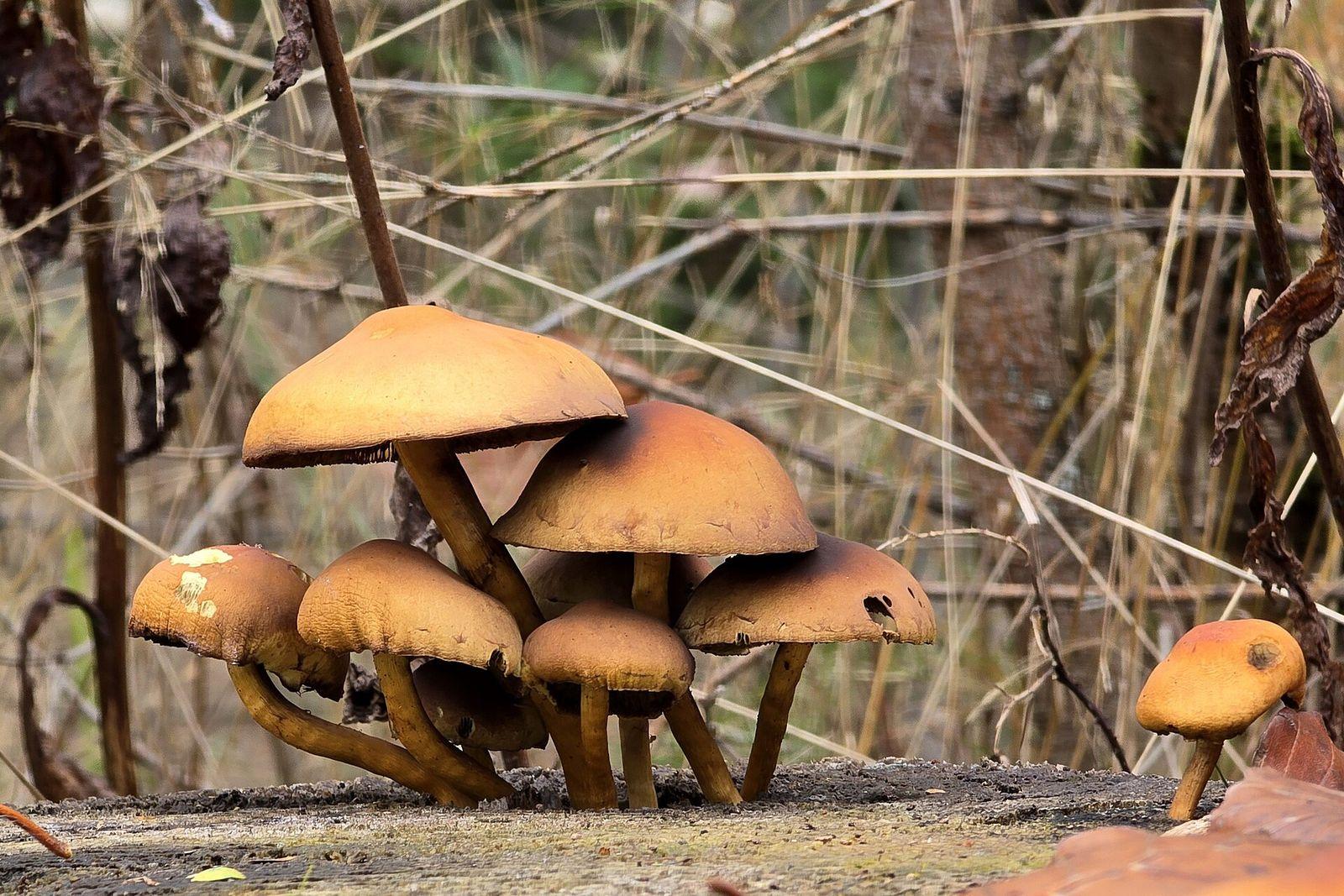
Hypholoma fasciculare
Dense clusters of sulfur-yellow caps on dead wood, with greenish-yellow gills that darken to purple-brown.
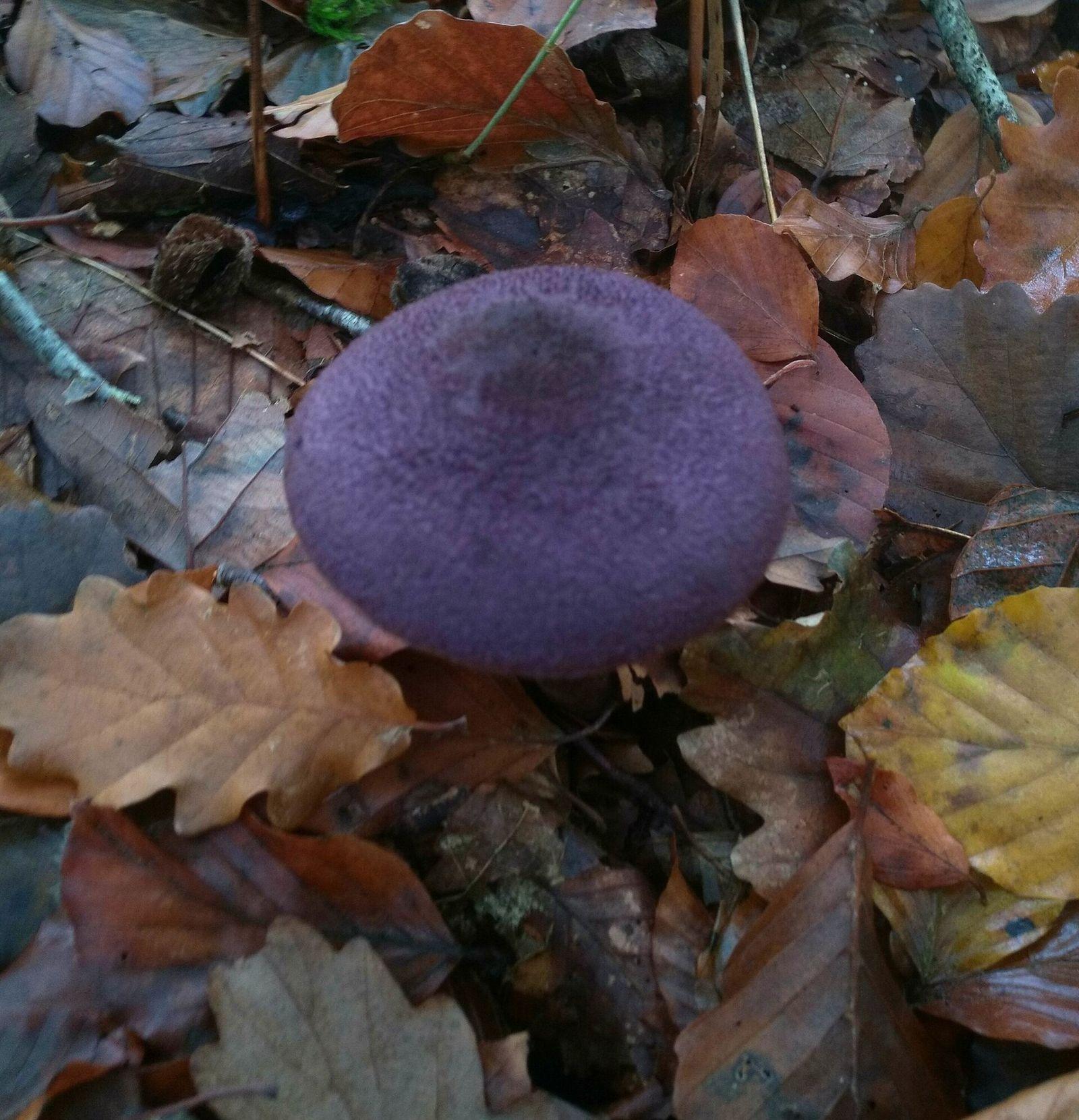
Cortinarius violaceus
Dark violet all over, with a finely scaly cap, a cobweb veil when young and a rusty brown spore print.
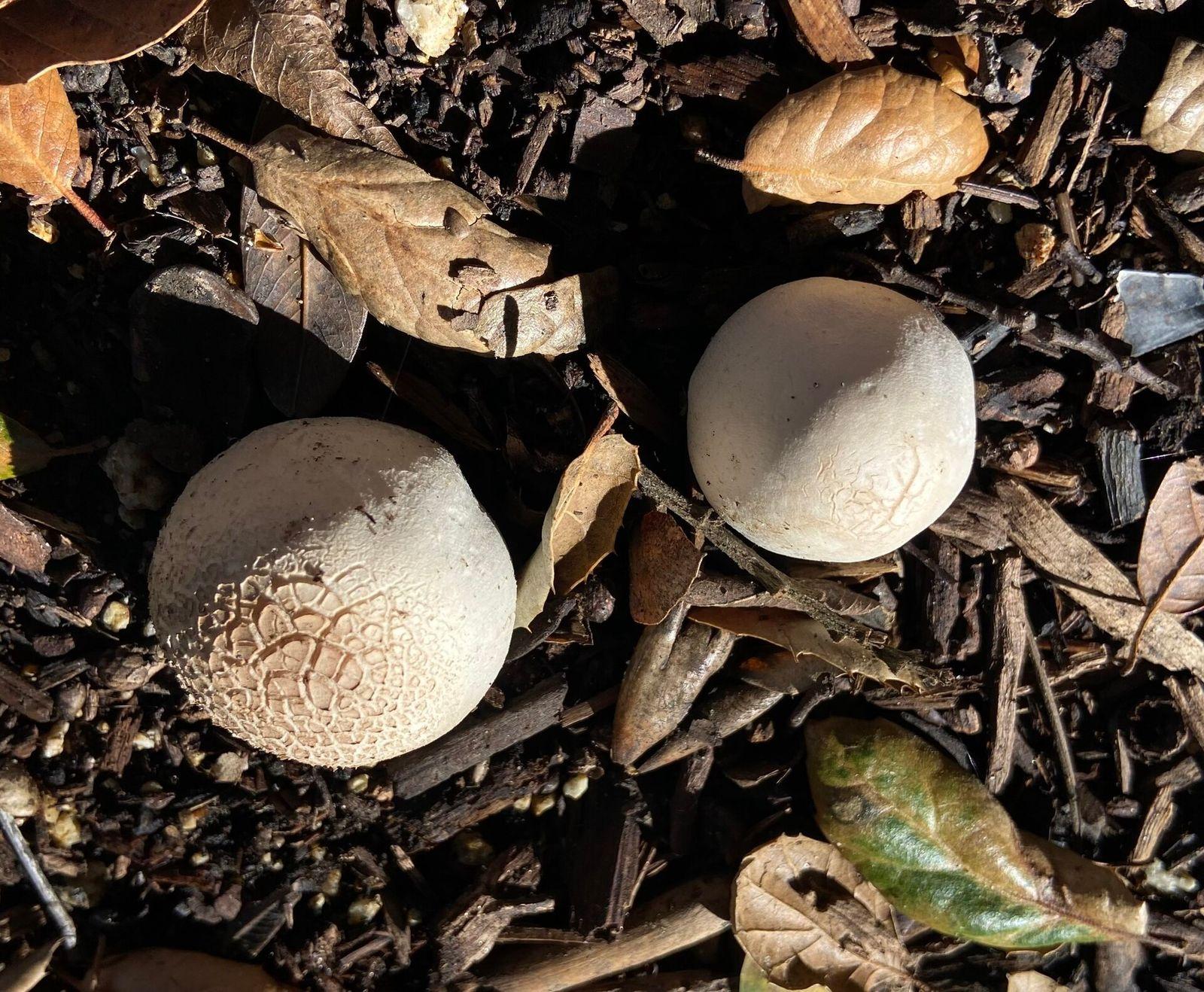
Agaricus xanthodermus
White Agaricus whose cap edge and stem base turn bright chrome yellow within seconds of being scratched or cut, with an ink or phenol smell.
12 species
These cause illness when eaten, and several cause serious poisoning.
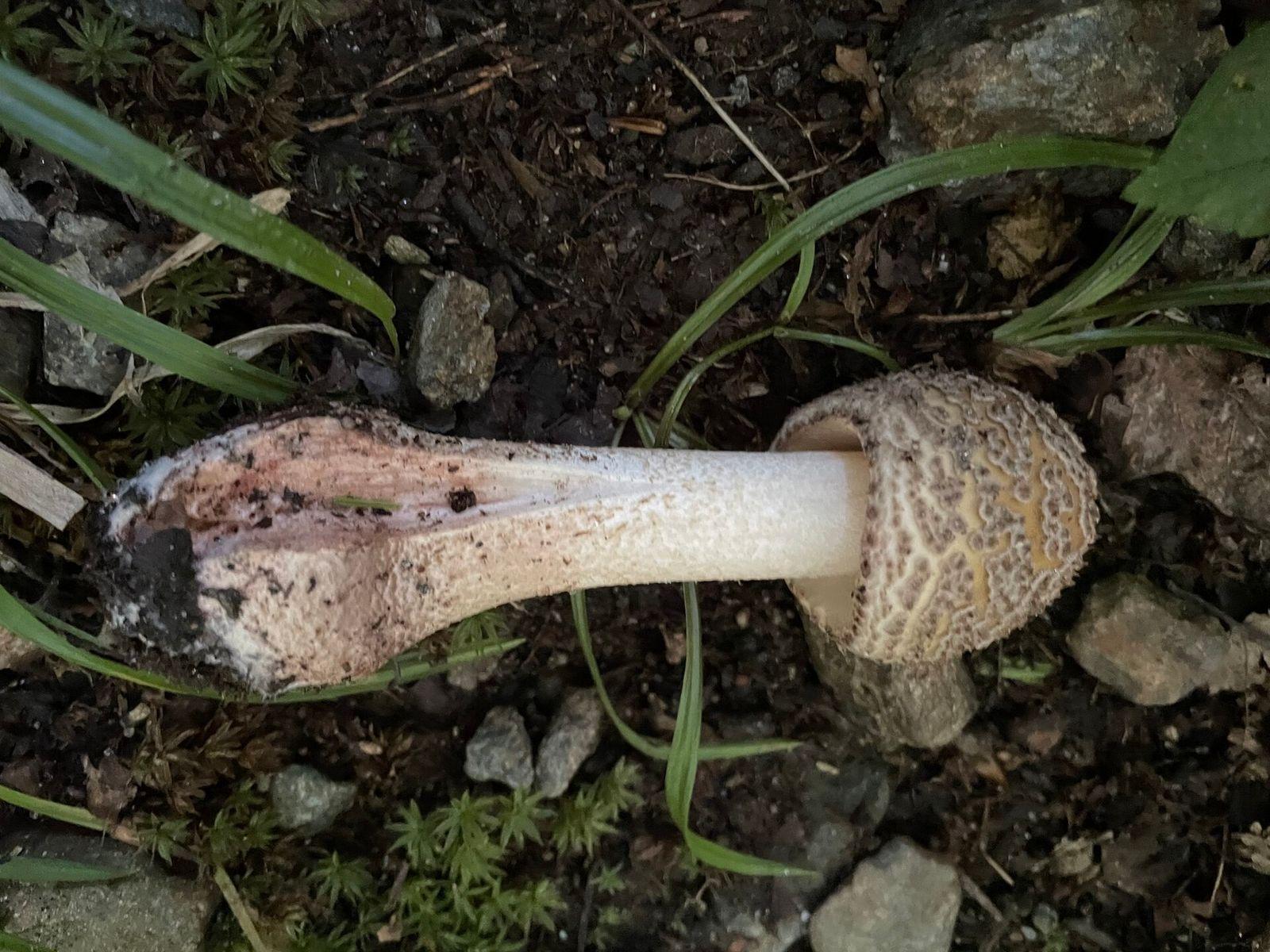
Amanita rubescens
Dull reddish brown cap with grayish to pinkish warts, and flesh that slowly turns pinkish red where it is cut, bruised or eaten by insects.
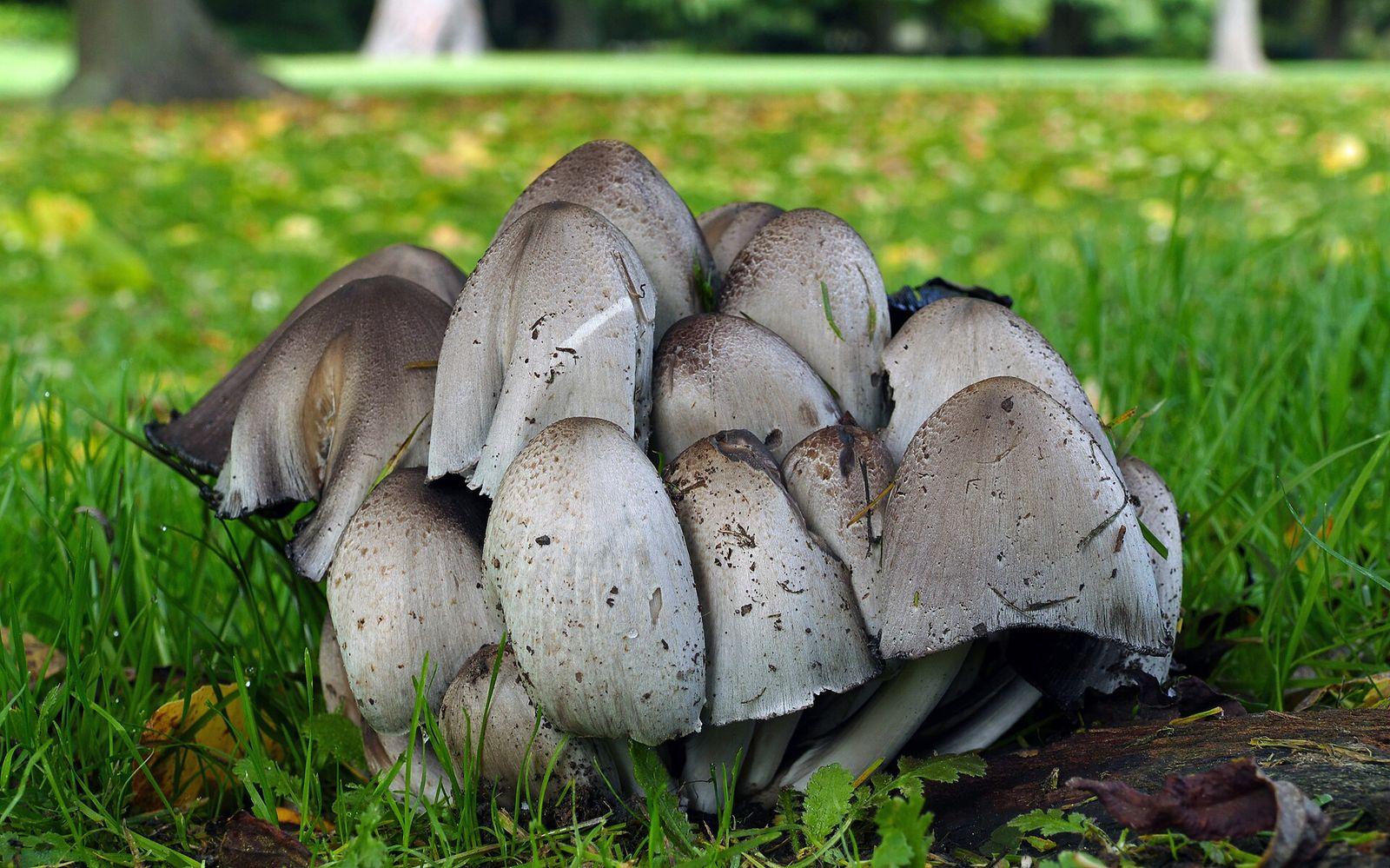
Coprinopsis atramentaria
Gray-brown, finely lined, bell-shaped caps in tight clusters whose gills melt into black ink.
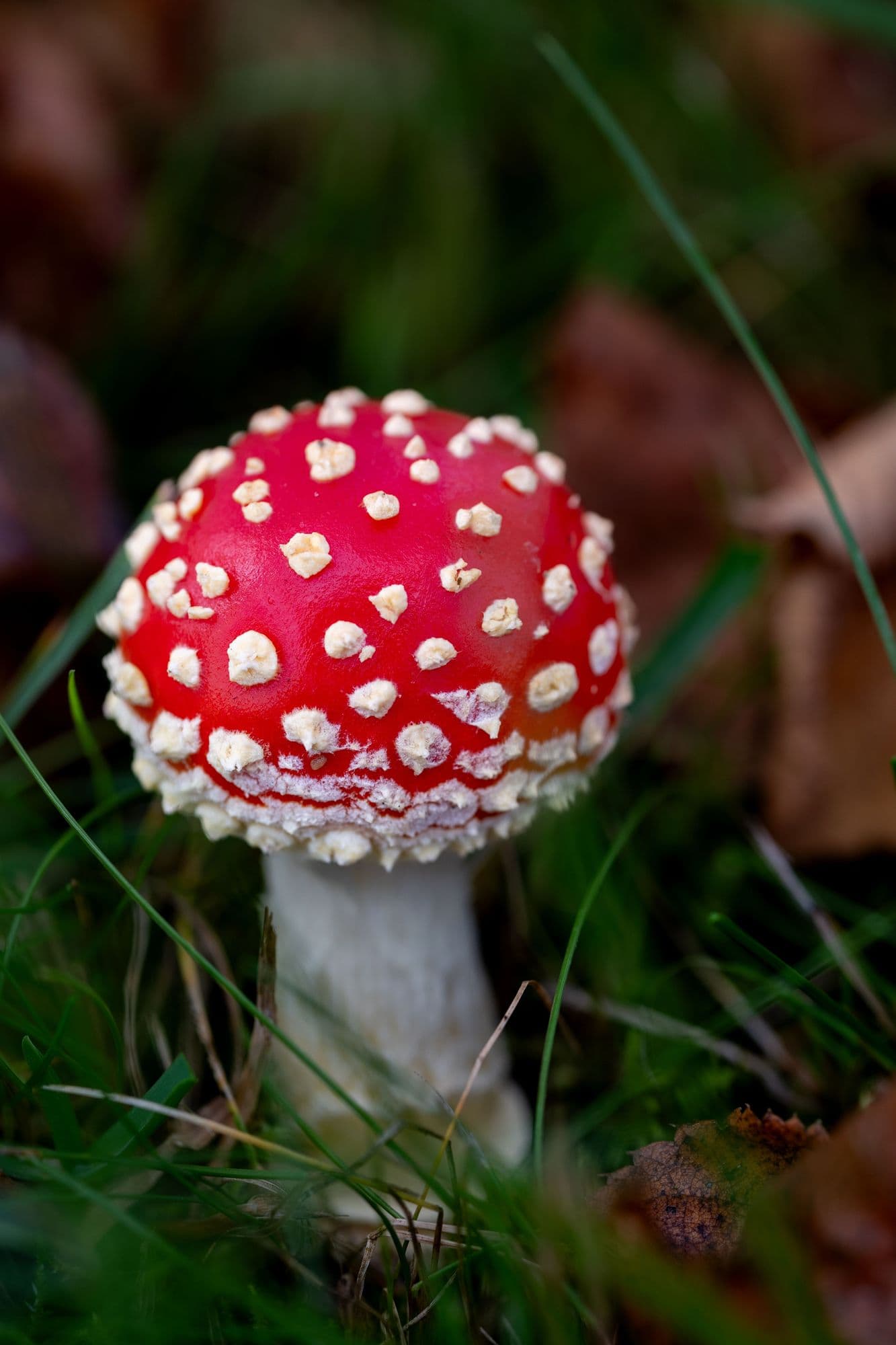
Amanita muscaria
Red, orange or yellow cap scattered with white to yellowish warts, white gills, a ring, and rings of scales above a bulb at the base.
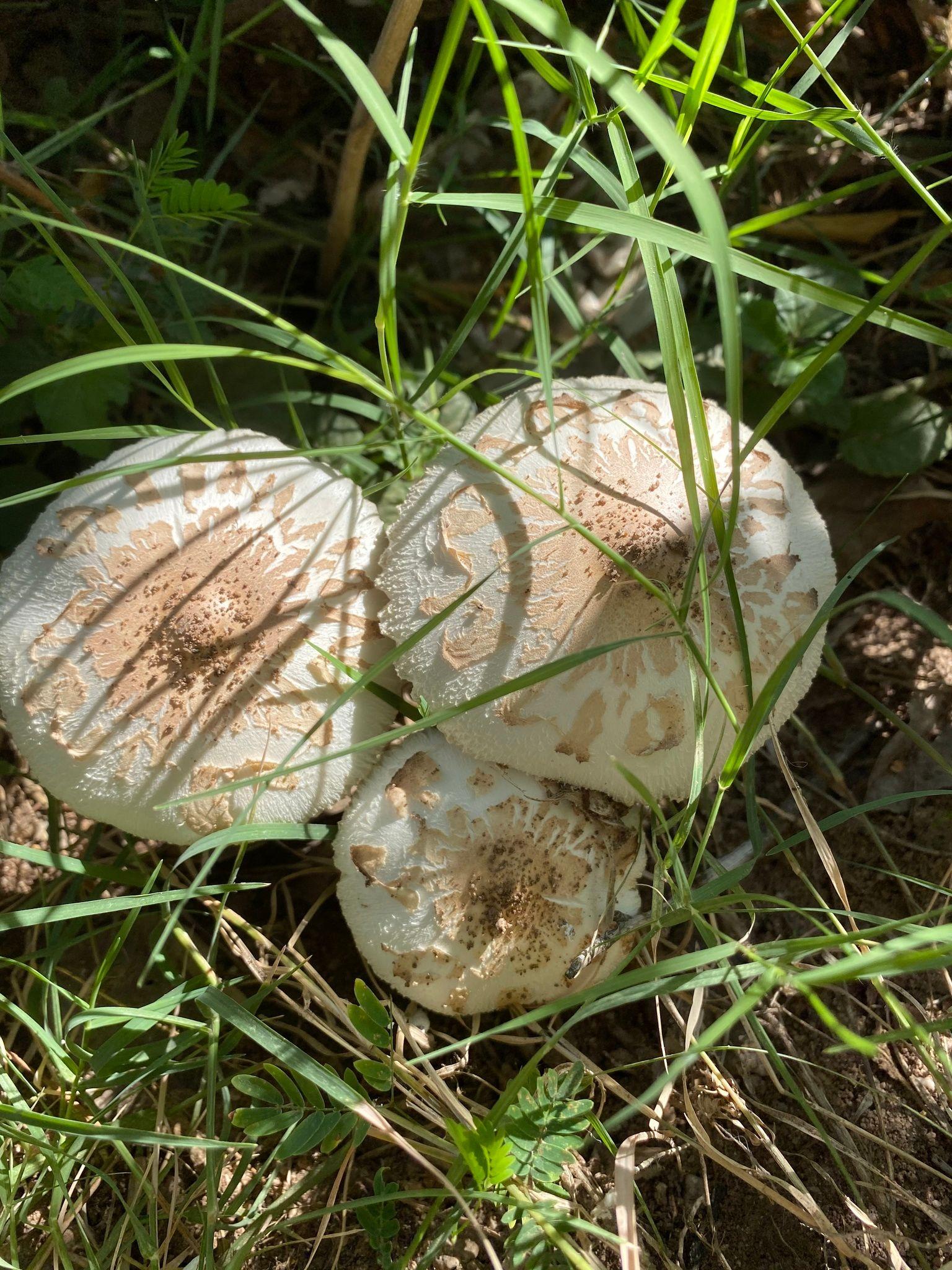
Chlorophyllum molybdites
Large white cap with brown scales on lawns, gills that turn gray-green with age, and a green spore print.
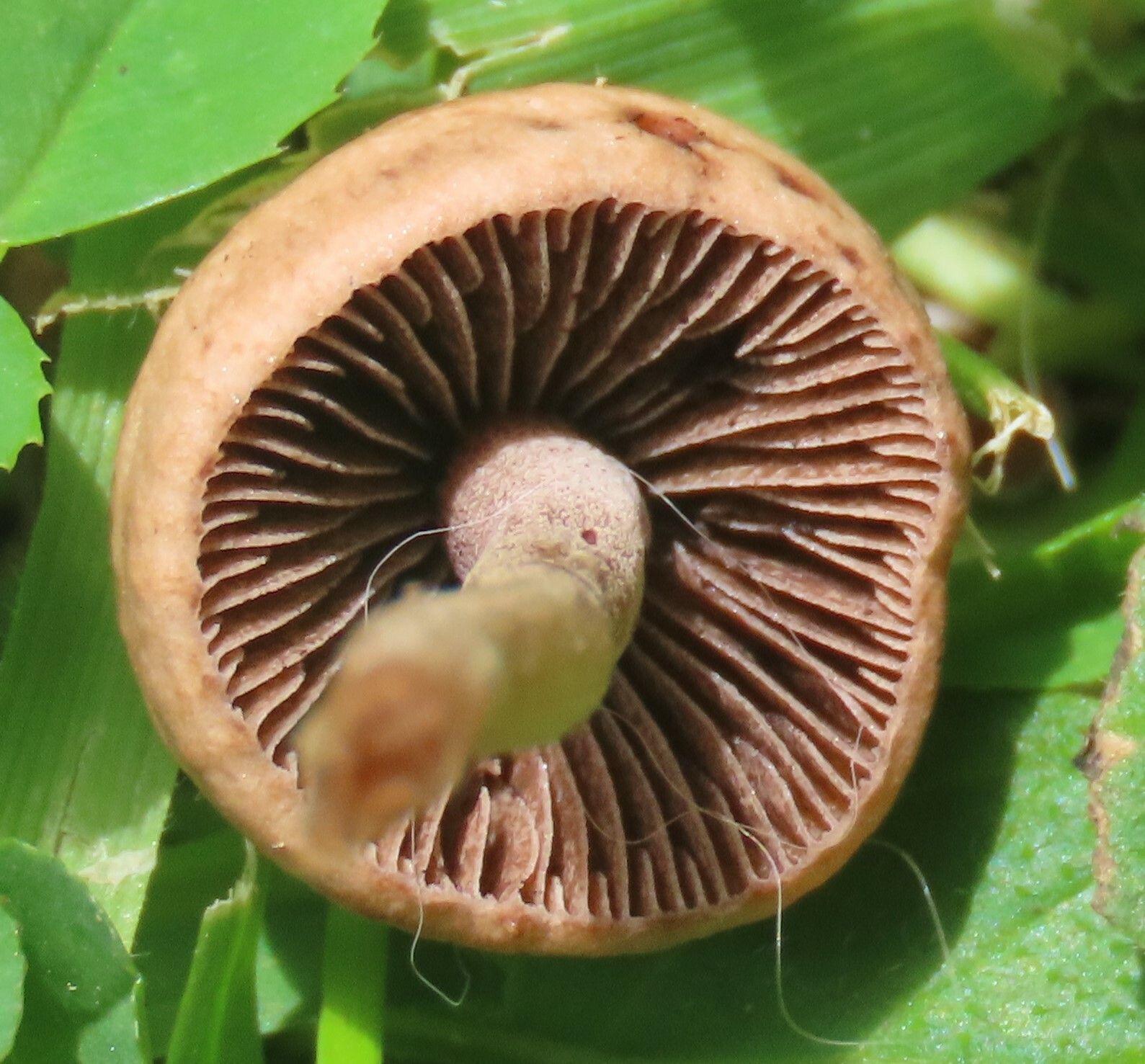
Panaeolus foenisecii
A small brown bell-shaped cap in lawns that dries paler in bands, with mottled brown gills and a dark brown spore print.
Entoloma sinuatum
Photo coming
Entoloma sinuatum
A large gray cap with yellowish gills that turn pink, a pink spore print and a mealy smell.
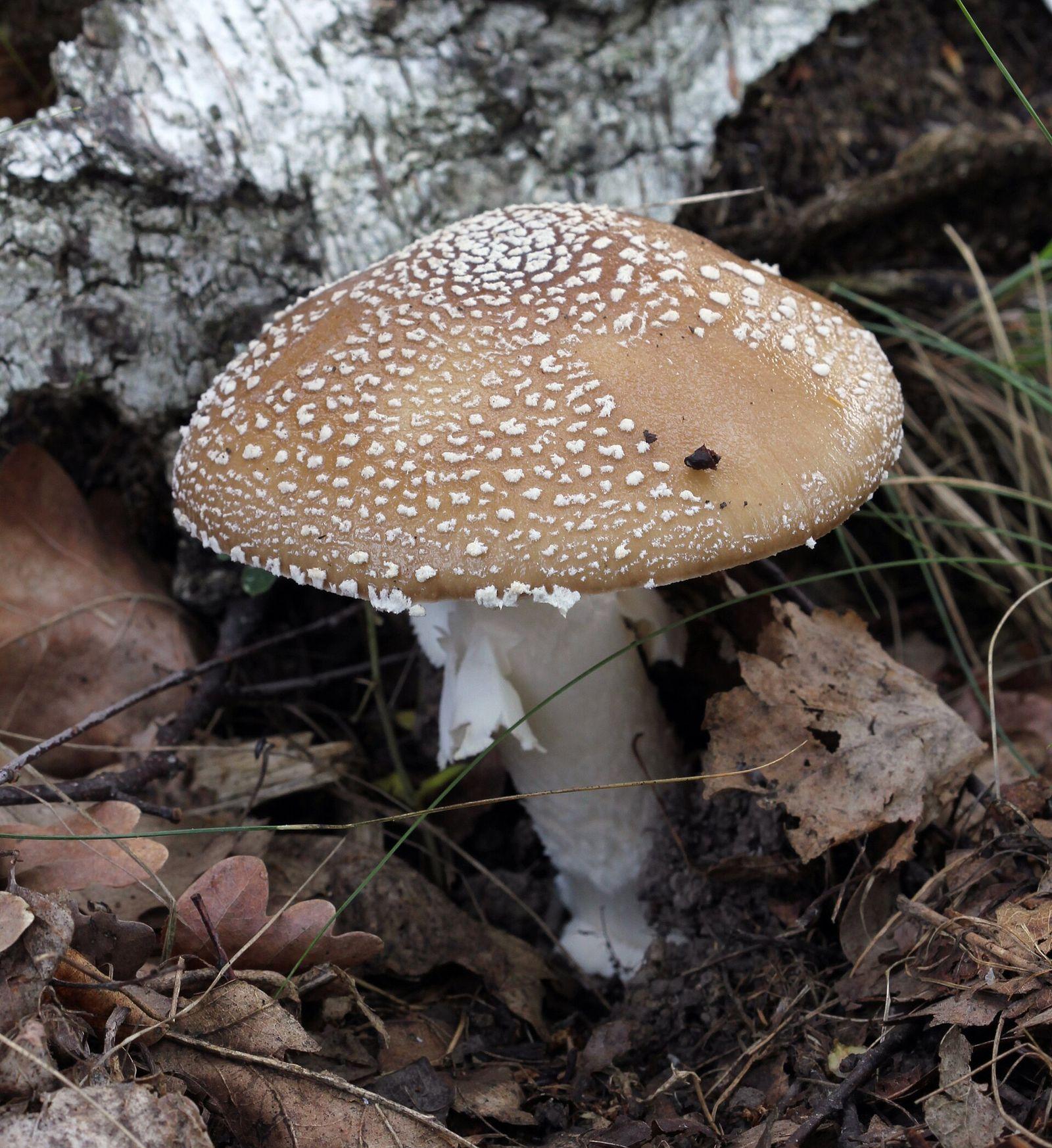
Amanita pantherina
Brown cap with neat white warts and a lined edge, white gills, a ring, and a bulb with a rolled collar at the top.
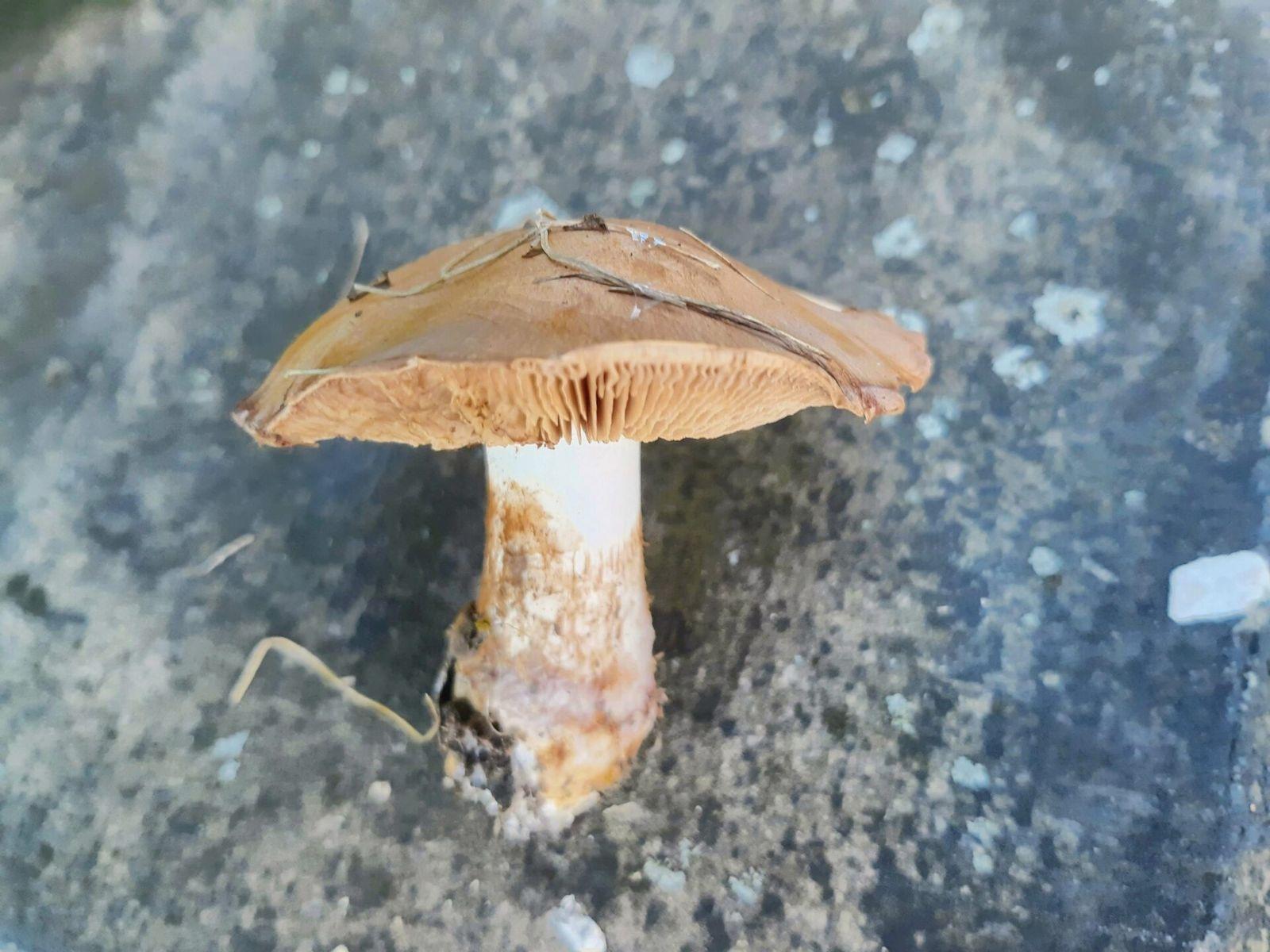
Hebeloma crustuliniforme
Pale tan, sticky cap; in damp weather the gill edges carry tiny beads of water, and it smells of radish.
Amanita smithiana
Photo coming
Amanita smithiana
Large white amanita with soft, cottony patches on the cap, a ragged ring, and a shaggy, tapering root-like base, under Pacific Northwest conifers.
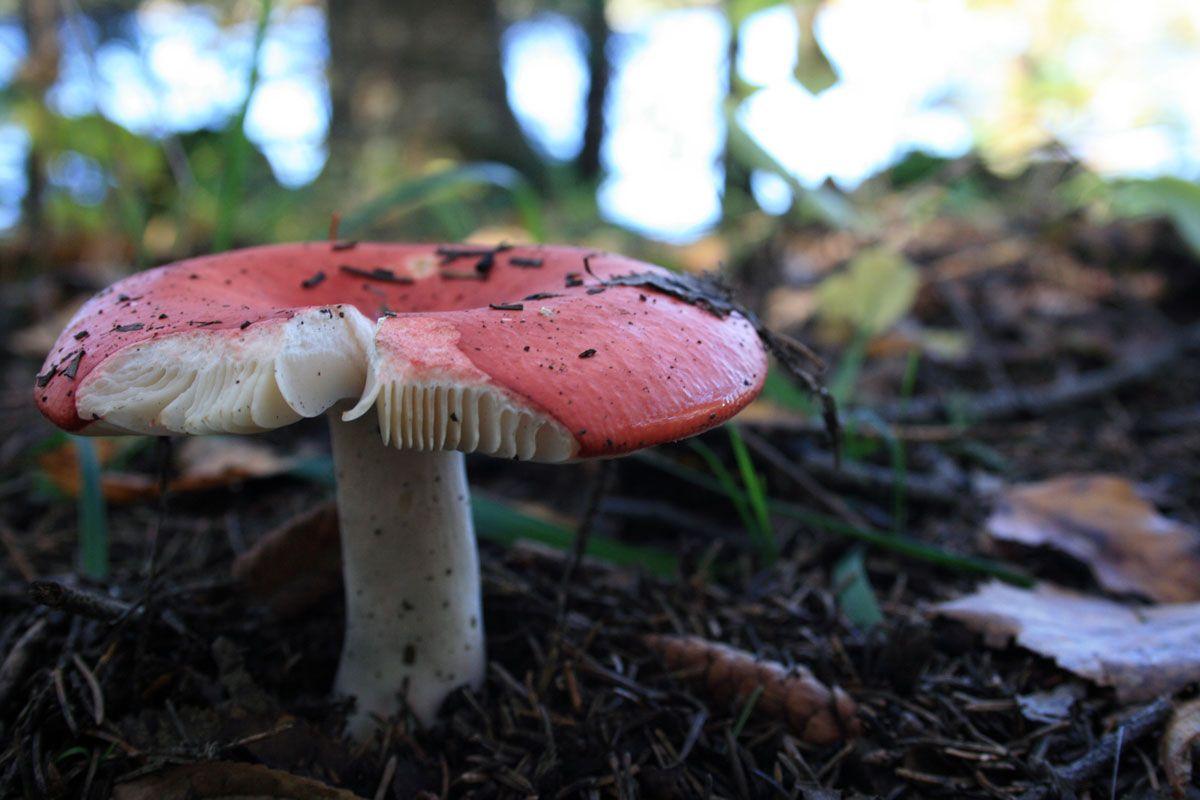
Russula emetica
Bright scarlet cap over pure white gills and a pure white, brittle stem.
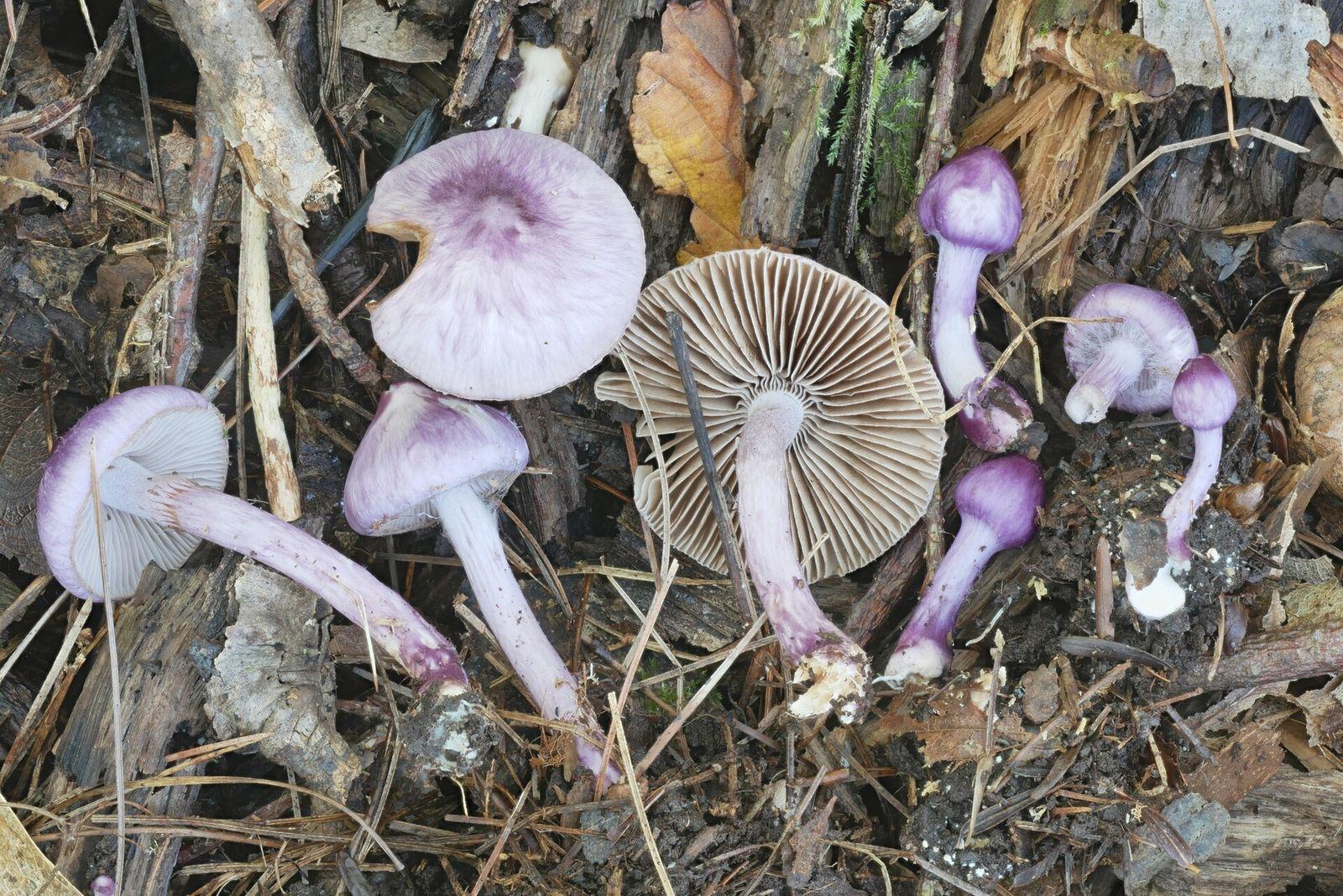
Inocybe geophylla
Small, silky white cap with a pointed center, over gills that turn clay brown.
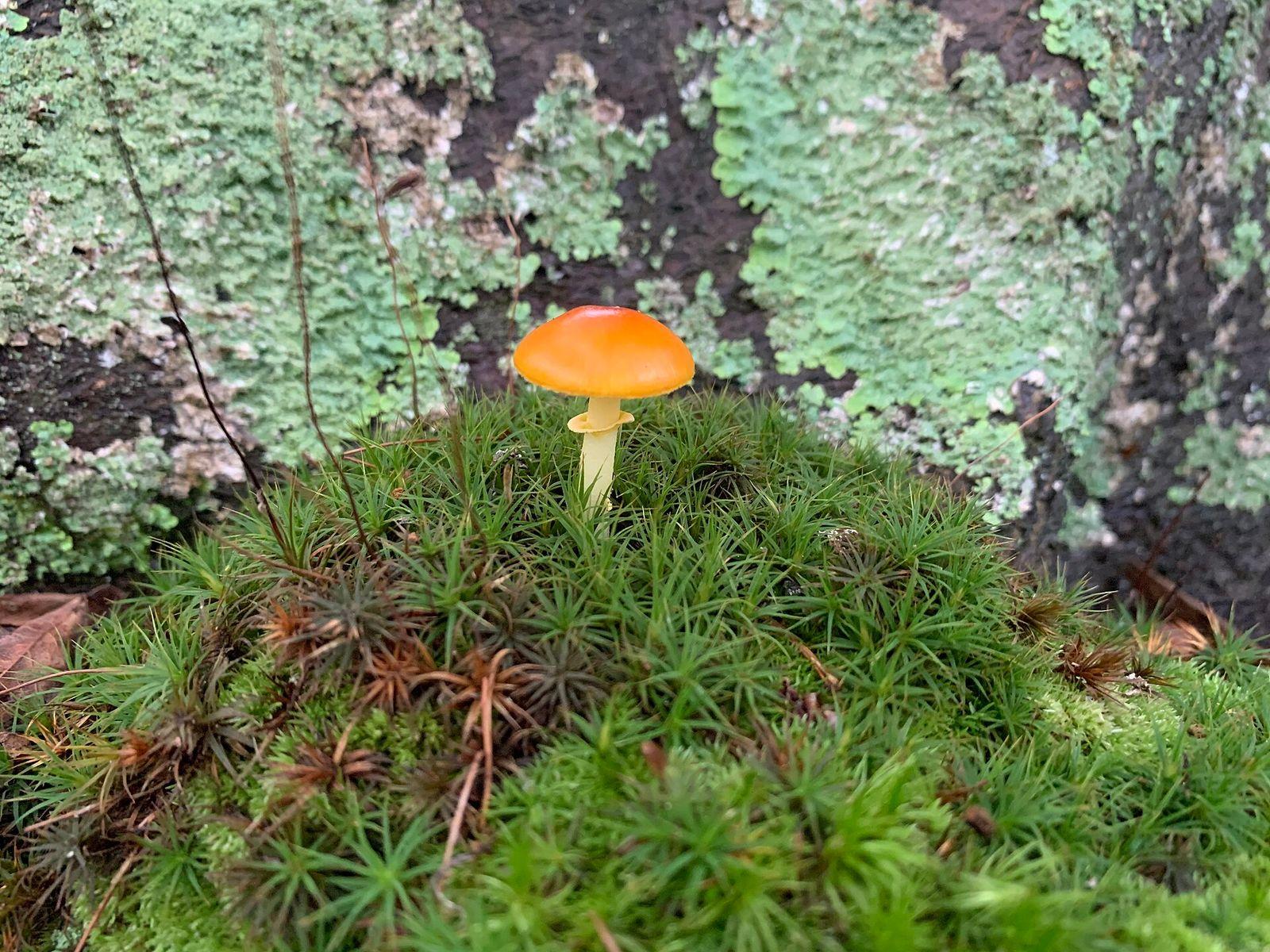
Amanita flavoconia
Small bright yellow to orange cap with loose yellow powdery patches, white gills, a yellow ring, and yellow powder left in the soil at the base.
8 species
These have killed people. Each page names what they get mistaken for.
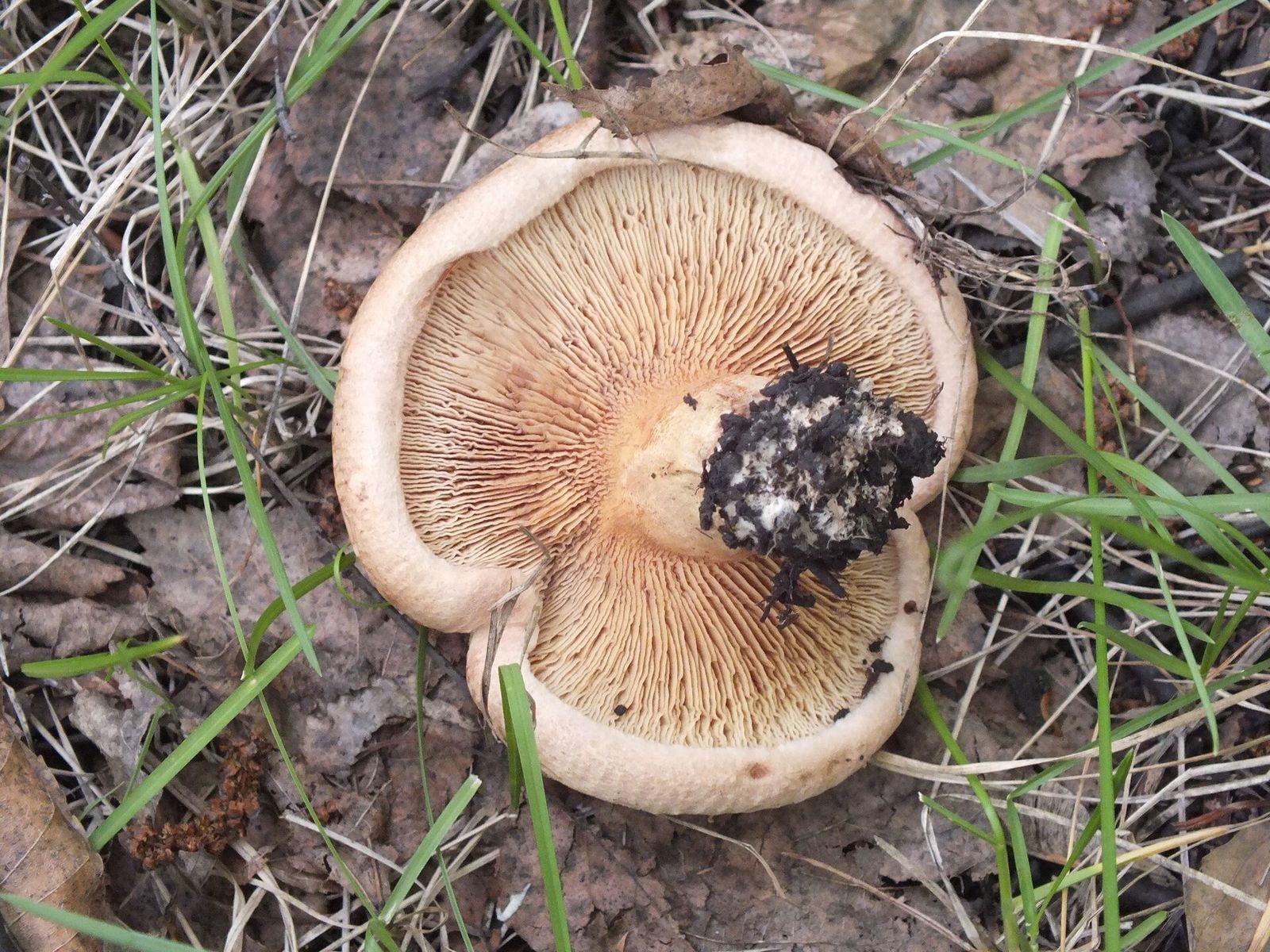
Paxillus involutus
A brown cap with a strongly inrolled, felty edge and crowded gills that run down the stem, peel easily from the cap and bruise dark brown.
Lepiota subincarnata
Photo coming
Lepiota subincarnata
Small pale cap broken into concentric pinkish brown scales, white free gills, and a white spore print.
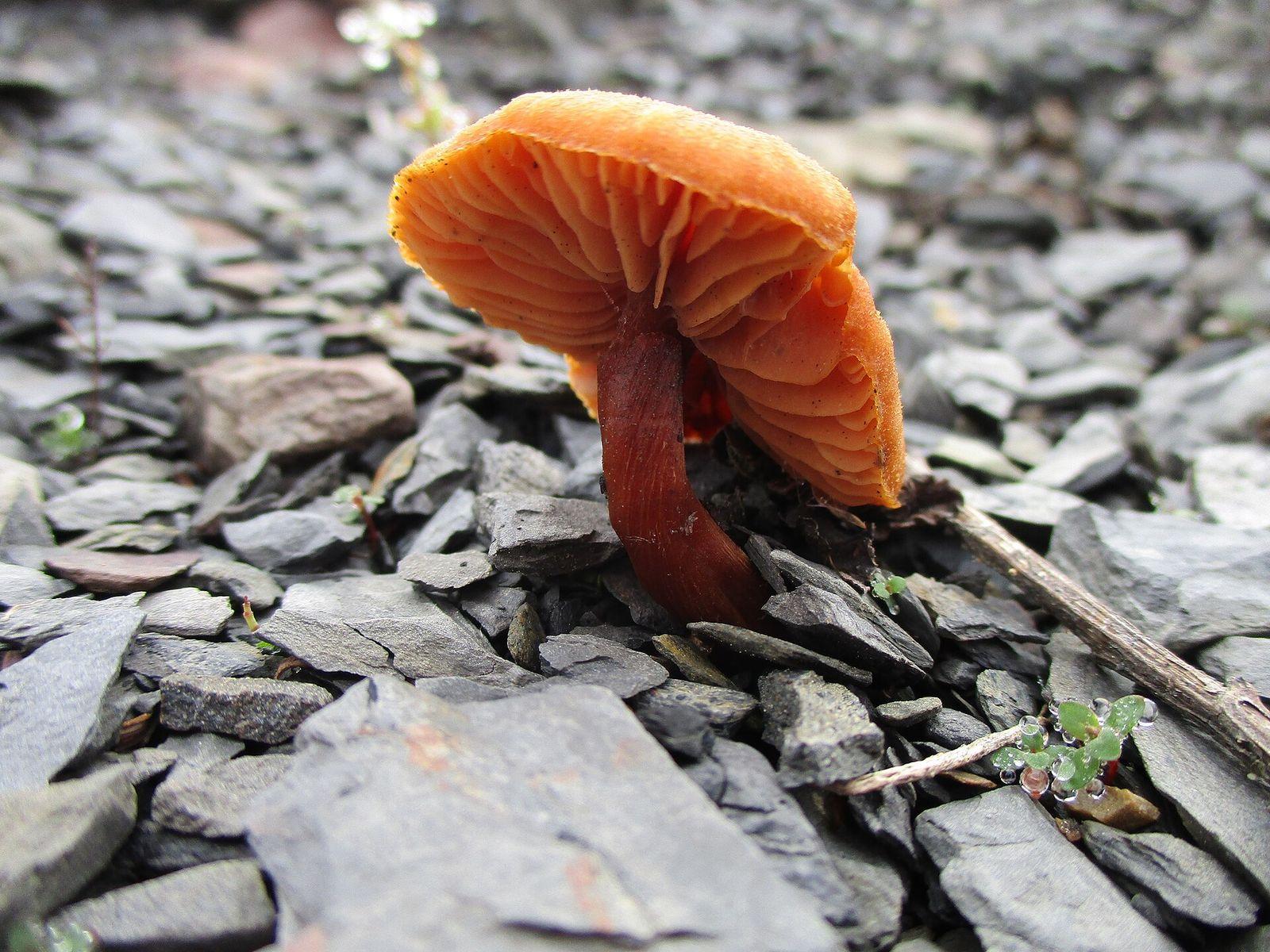
Galerina marginata
Small honey-brown caps in clusters on rotting wood, with rusty brown gills, a thin ring on the stem, and a rusty brown spore print.
Cortinarius rubellus
Photo coming
Cortinarius rubellus
Orange-brown, pointed cap, rusty brown gills, and yellowish bands of veil on the stem, in mossy conifer woods.
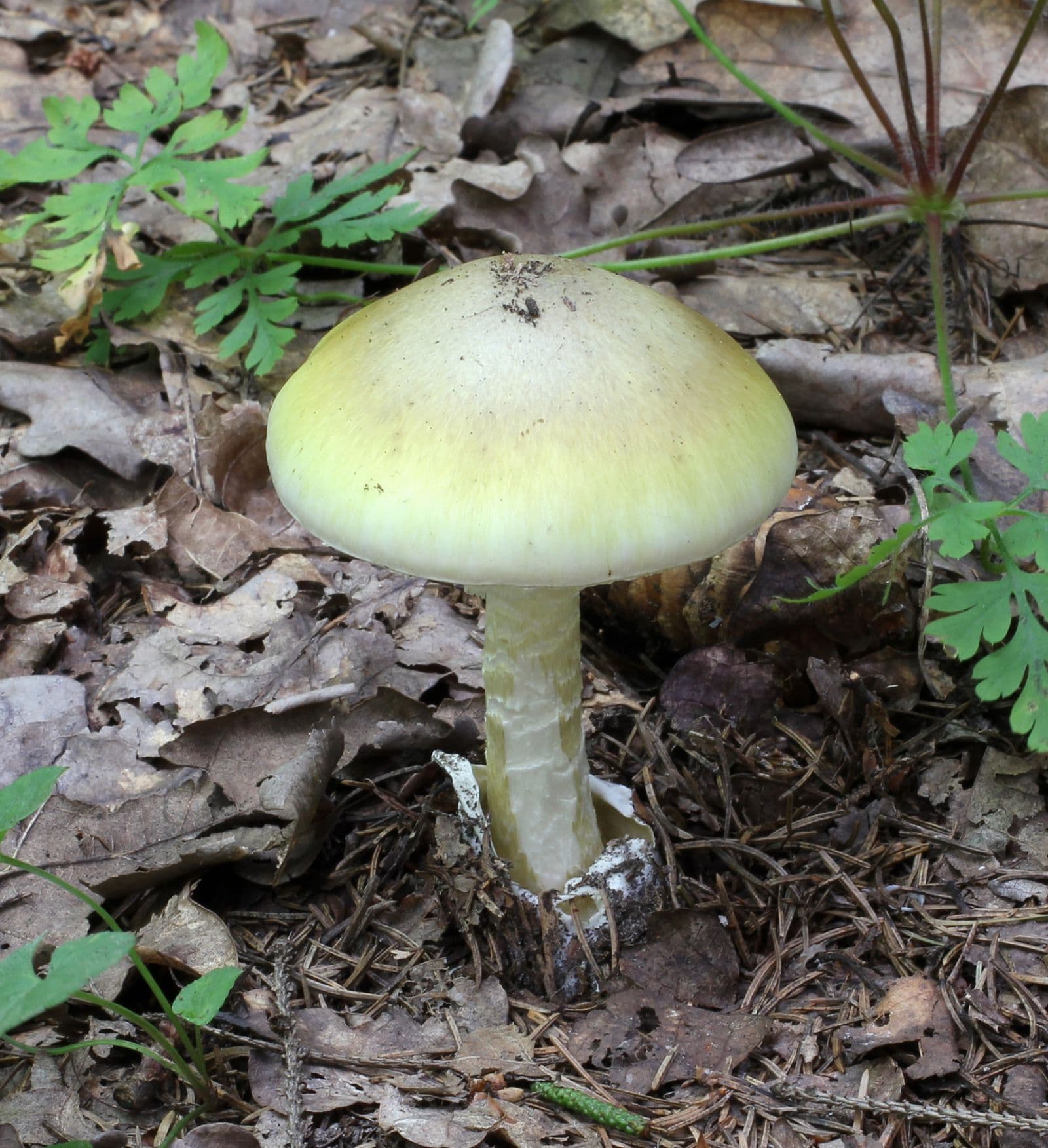
Amanita phalloides
Greenish to yellow-olive cap, white gills, a skirt-like ring, and a white sac-like cup around the base of the stem.
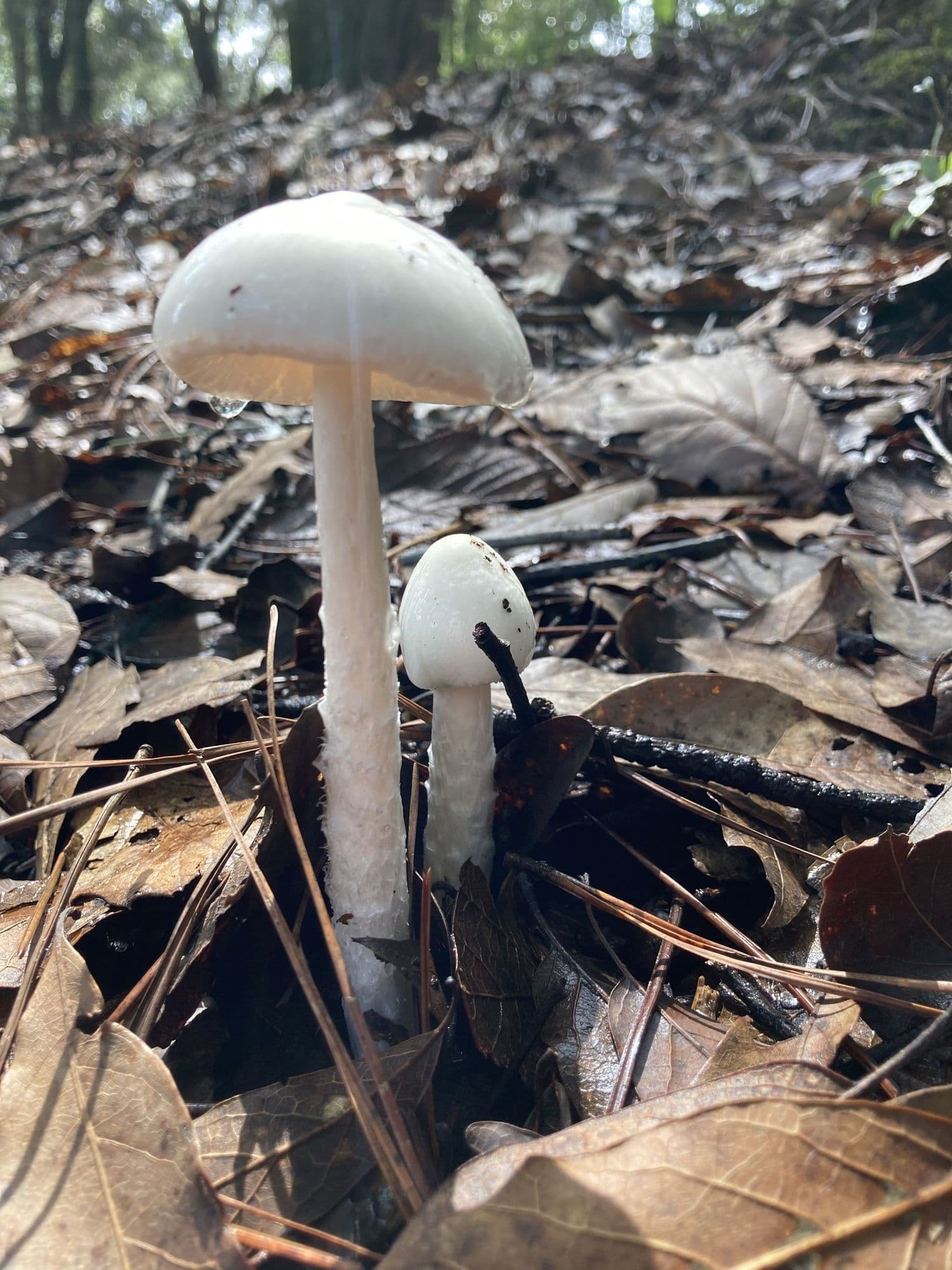
Amanita bisporigera
Pure white all over, with white gills, a skirt-like ring, and a white sac-like cup around a bulb at the base.
Pholiotina rugosa
Photo coming
Pholiotina rugosa
Tiny orange-brown conical cap on a thin stem with a small movable ring, in lawns, mulch and wood chips.
Amanita ocreata
Photo coming
Amanita ocreata
Large white to pale tan cap, white gills, a thin ring, and a thin, white, sac-like cup at the base, fruiting under oaks in late winter and spring.
12 species
Field guides list these as inedible because they are too tough, bitter or small to eat.
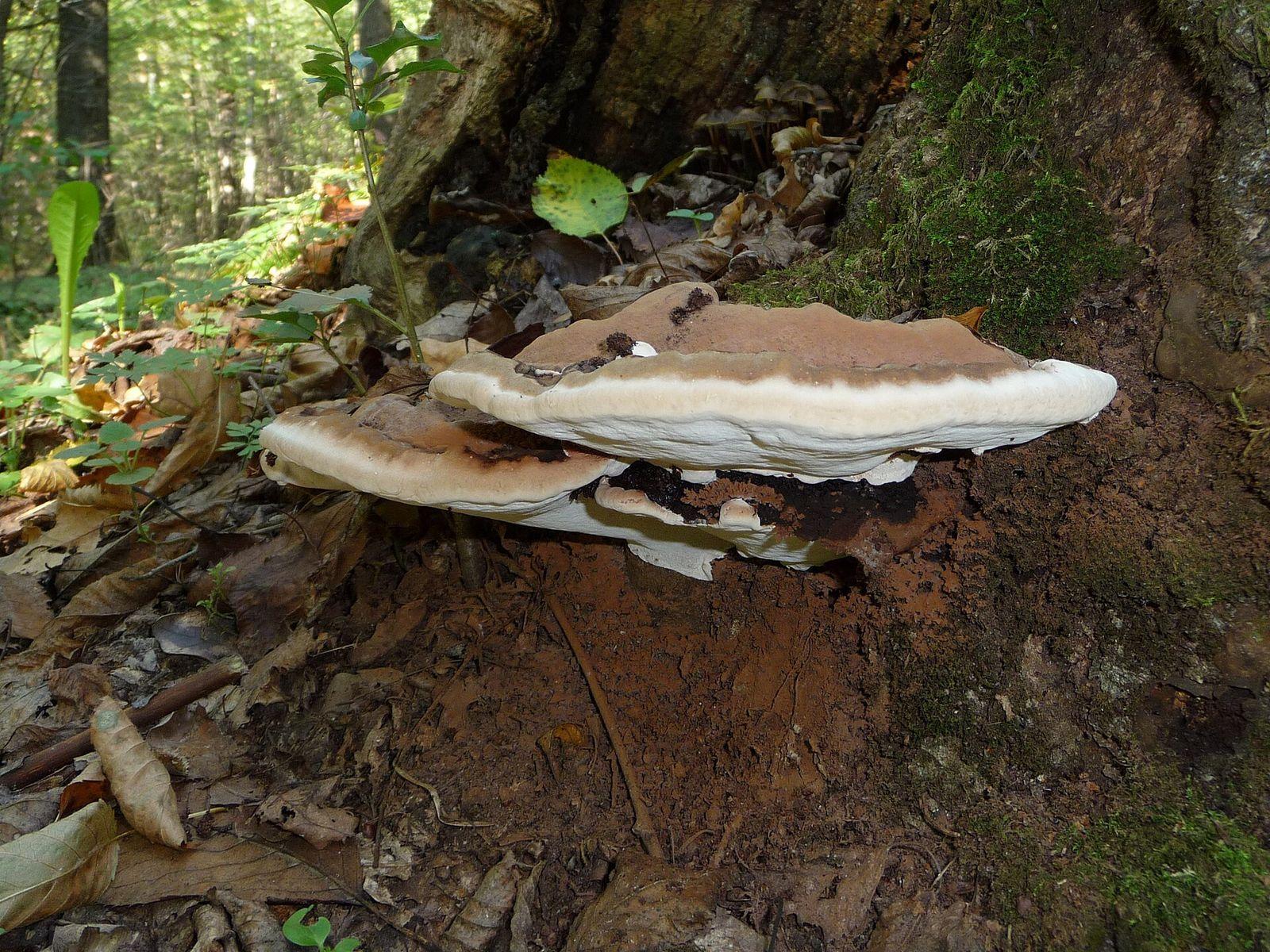
Ganoderma applanatum
A large, flat, hard bracket whose white underside turns dark brown instantly where scratched.
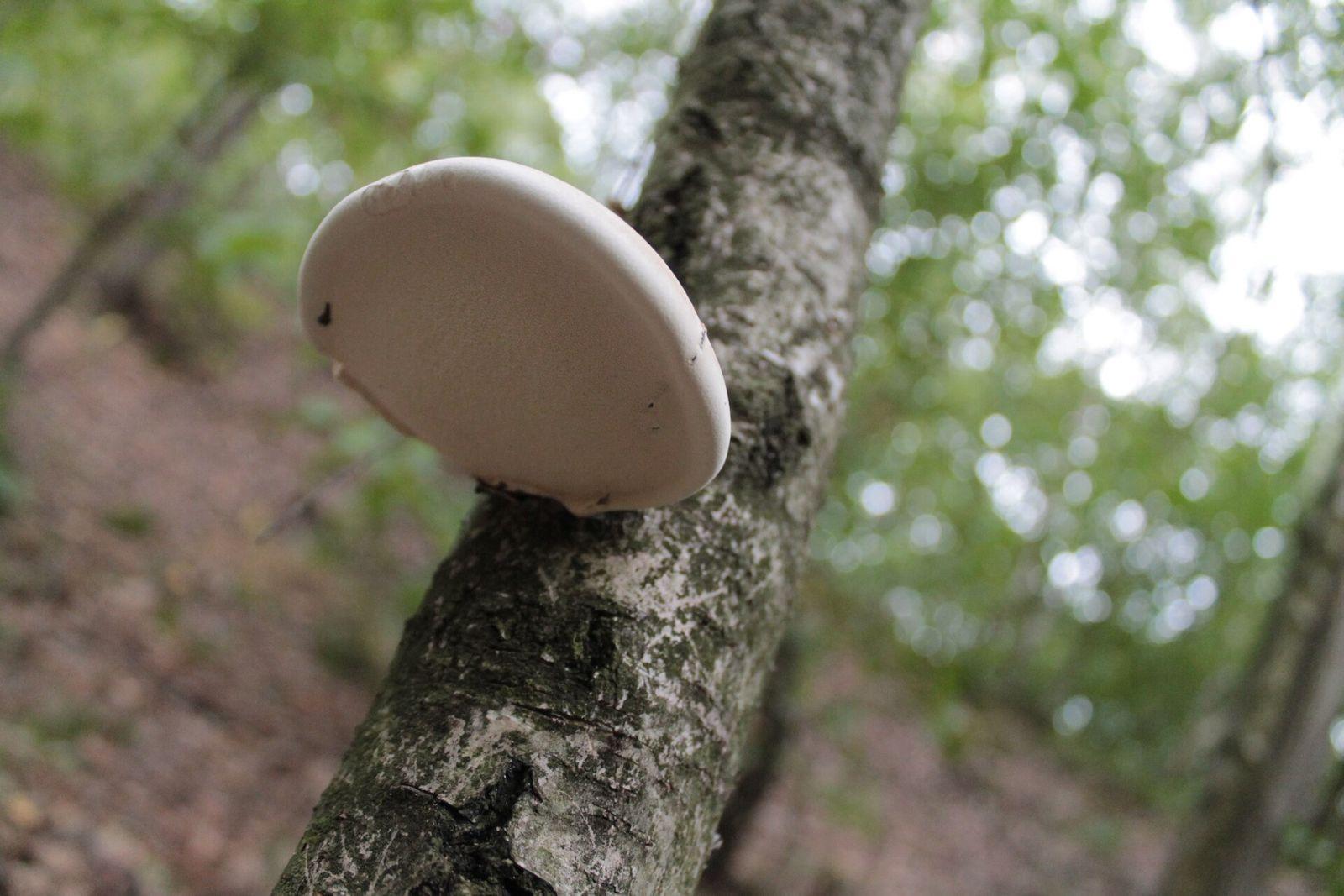
Fomitopsis betulina
A smooth, pale, kidney-shaped bracket that grows only on birch, with a rolled edge overhanging white pores.
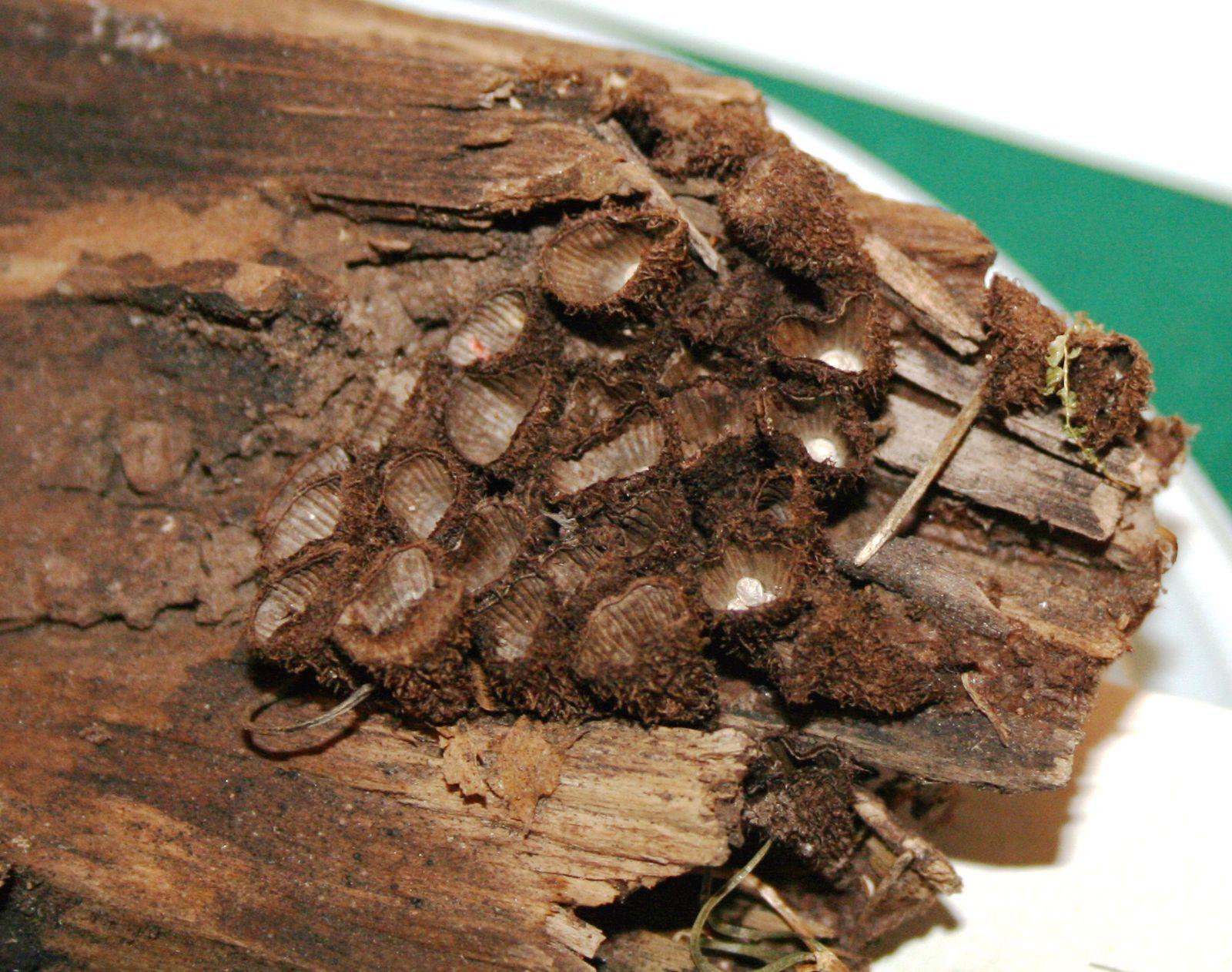
Cyathus striatus
A tiny, hairy brown cup with grooved inner walls, holding gray egg-like capsules.
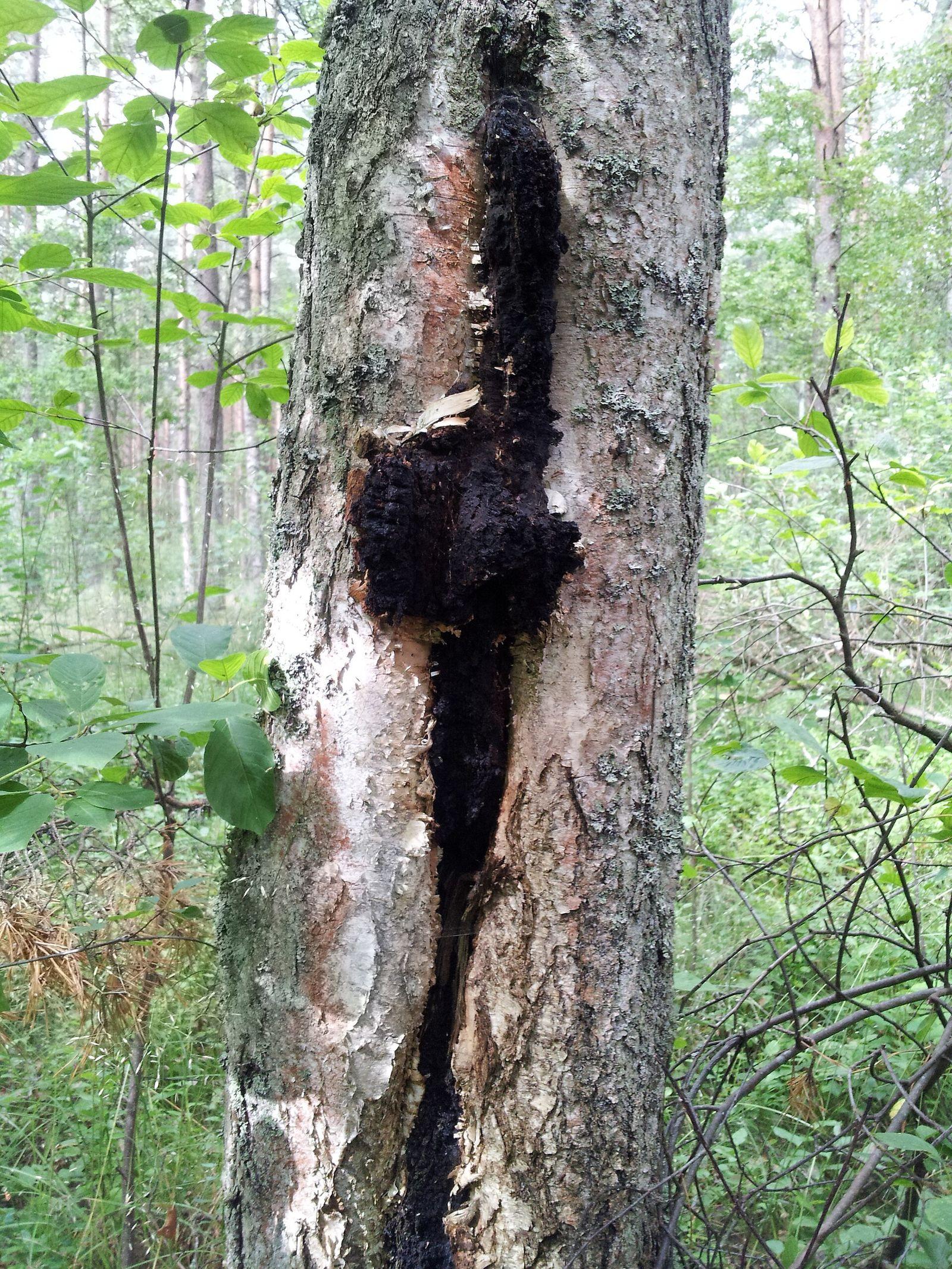
Inonotus obliquus
A black, deeply cracked, charcoal-like lump on a living birch, rusty orange-brown inside.
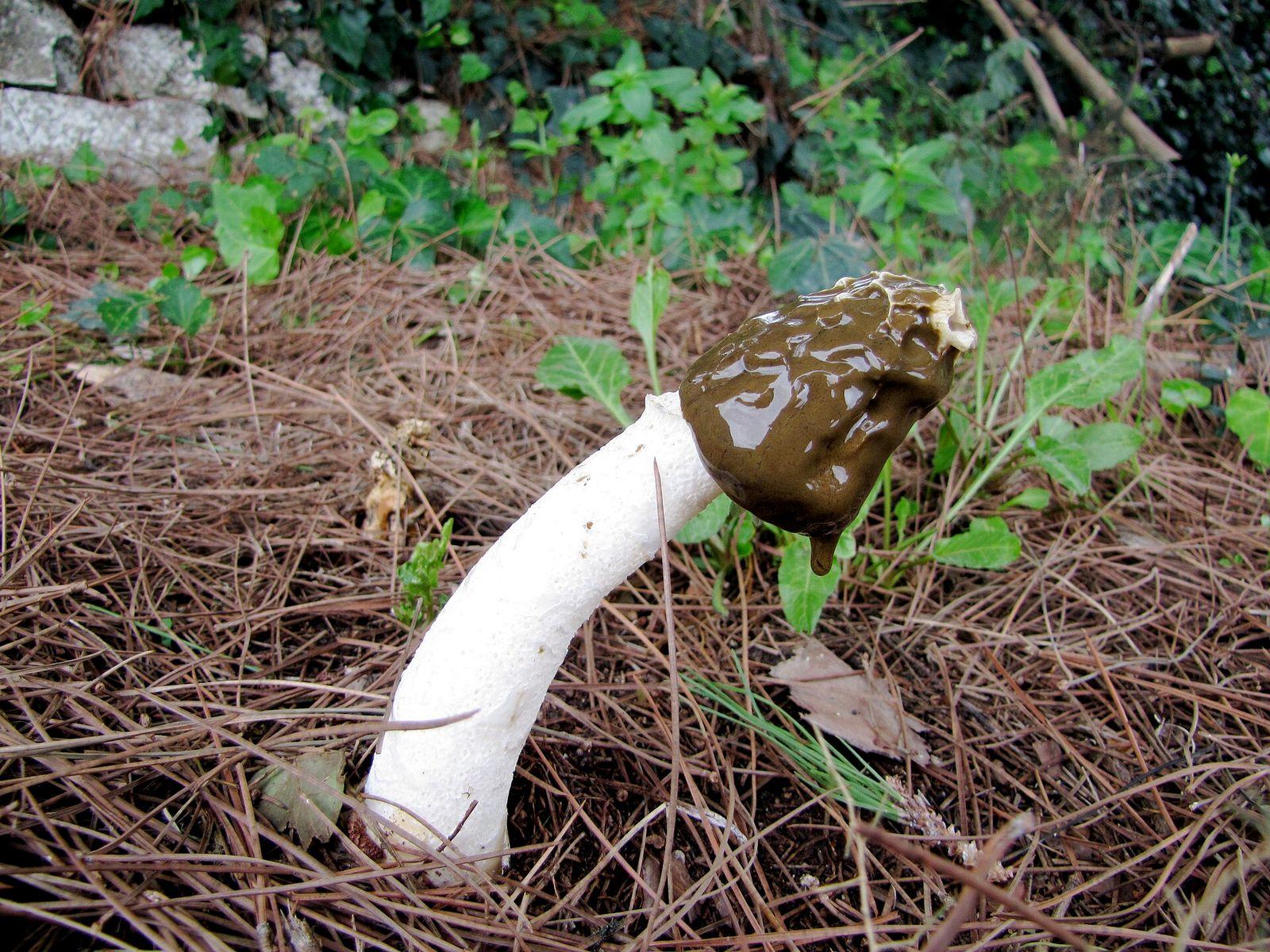
Phallus impudicus
A white, spongy stalk topped by a head coated in olive-brown slime that smells of rotting meat.
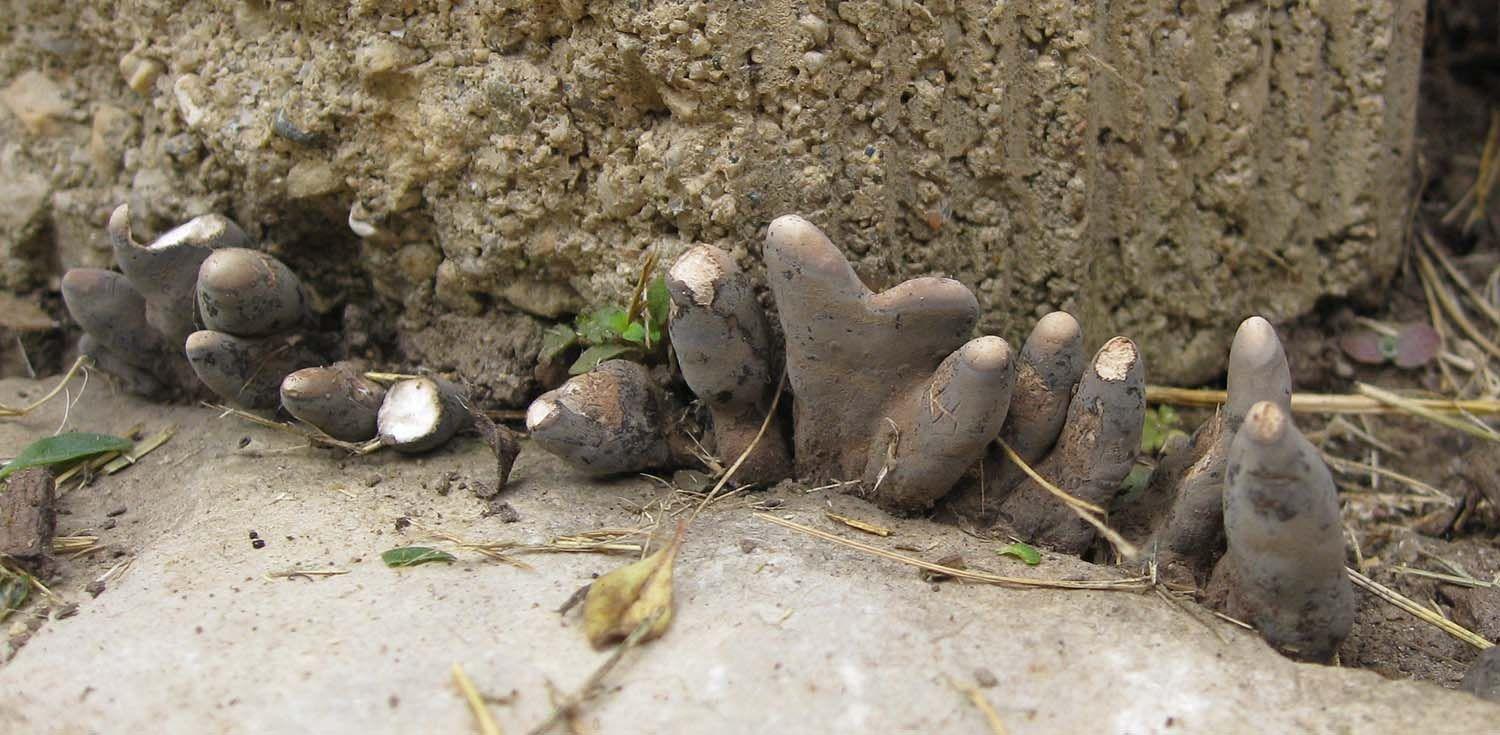
Xylaria polymorpha
Black, club-shaped fingers rising from the base of a stump, white inside.
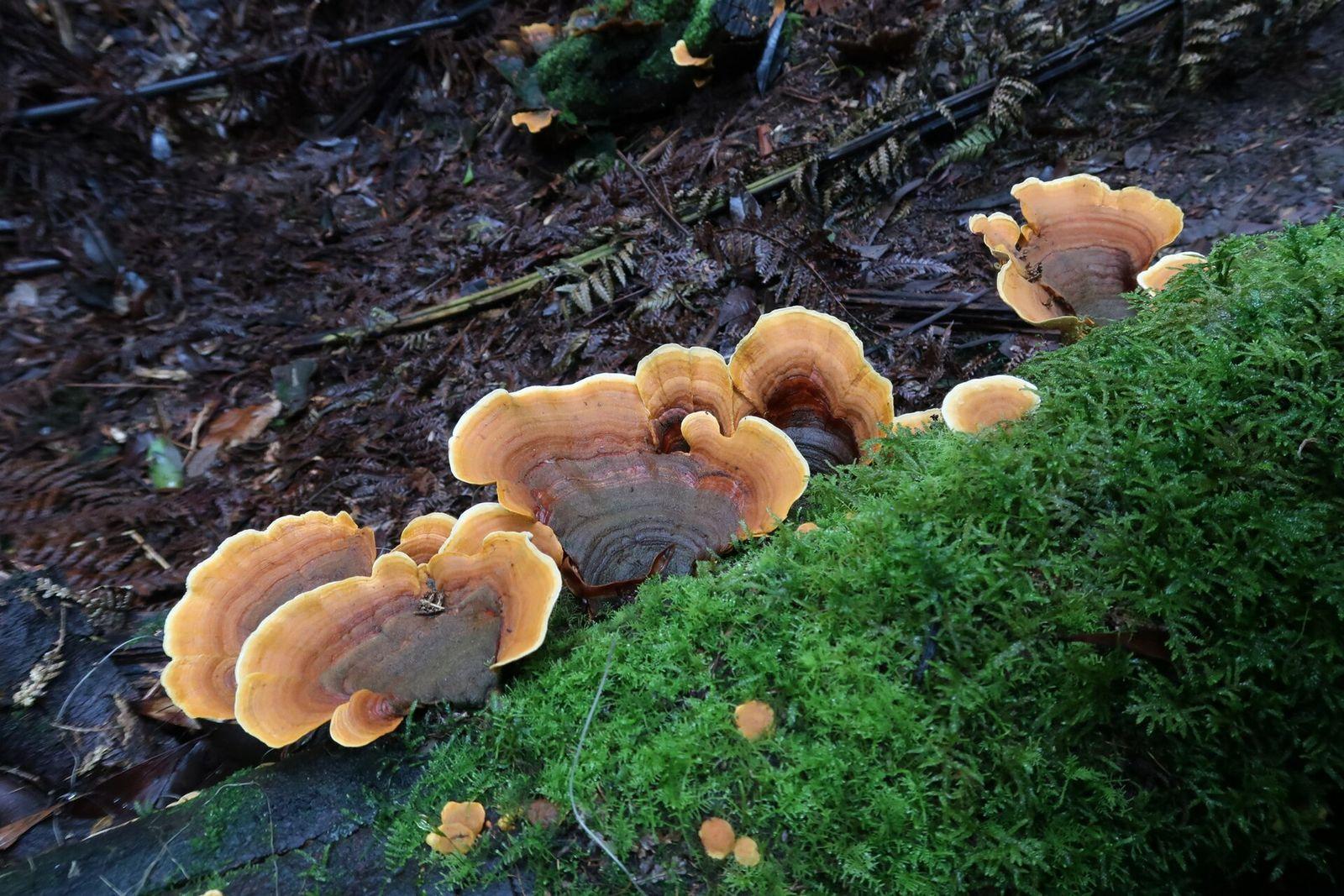
Stereum ostrea
A thin, banded bracket like turkey tail, but with a completely smooth underside and no pores.
Ganoderma tsugae
Photo coming
Ganoderma tsugae
A shiny, lacquered red to mahogany bracket on hemlock, with a white pore surface.
Sarcoscypha austriaca
Photo coming
Sarcoscypha austriaca
A scarlet red cup with a pale, whitish outside, on buried sticks in late winter and early spring.
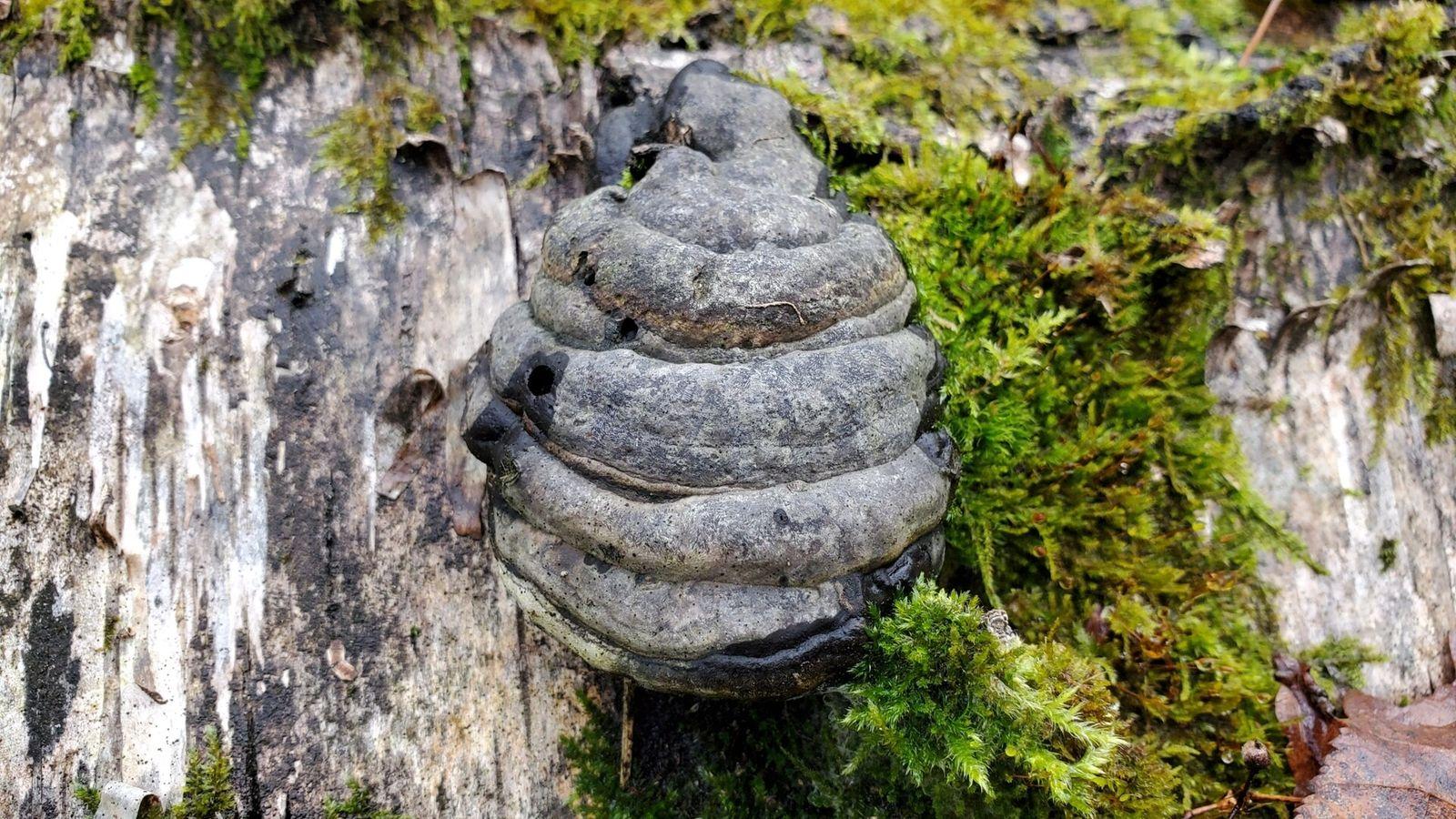
Fomes fomentarius
A gray, hoof-shaped, ridged and rock-hard bracket on birch or other hardwoods.
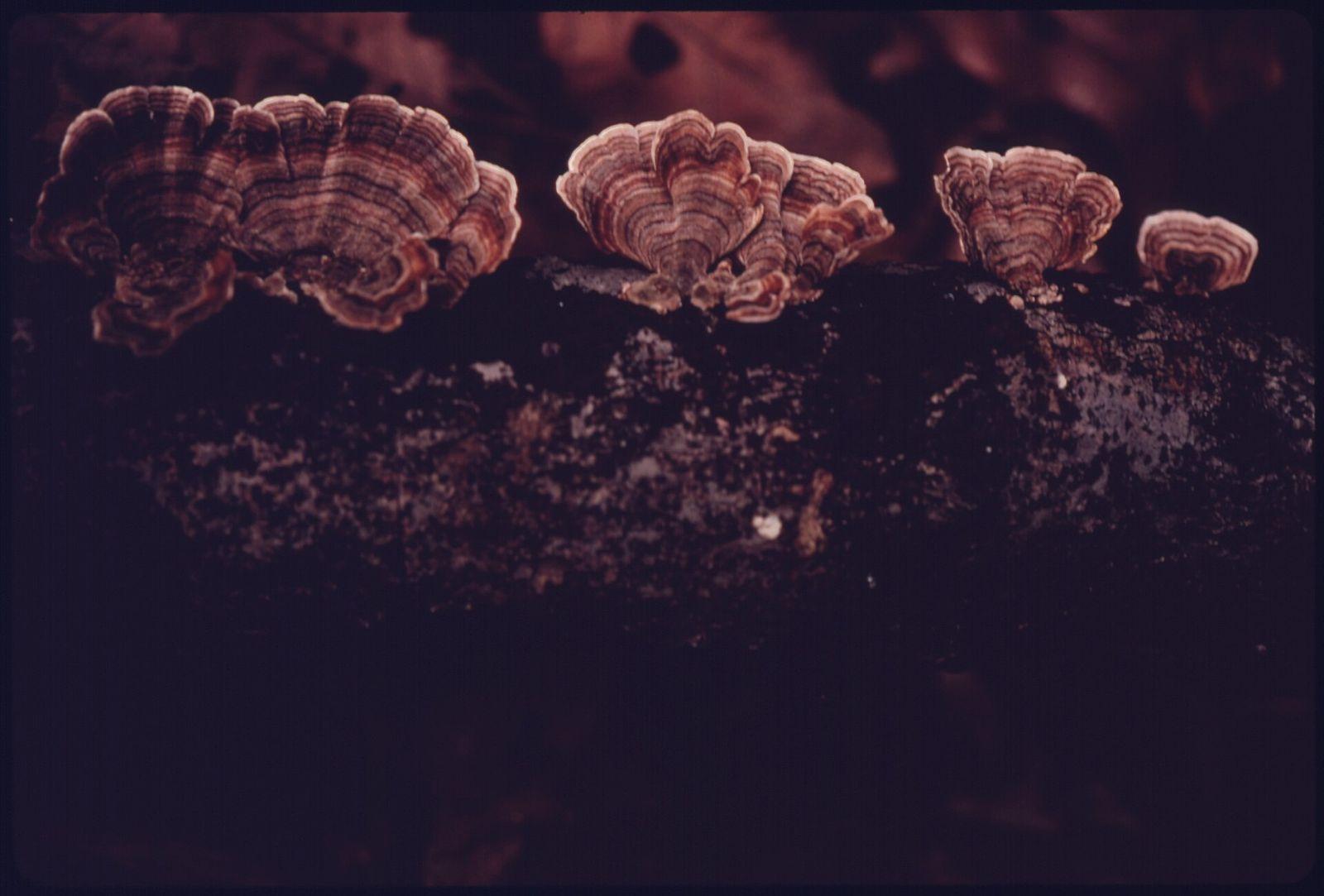
Trametes versicolor
Thin, velvety, multicolored banded brackets with a white underside of tiny pores.
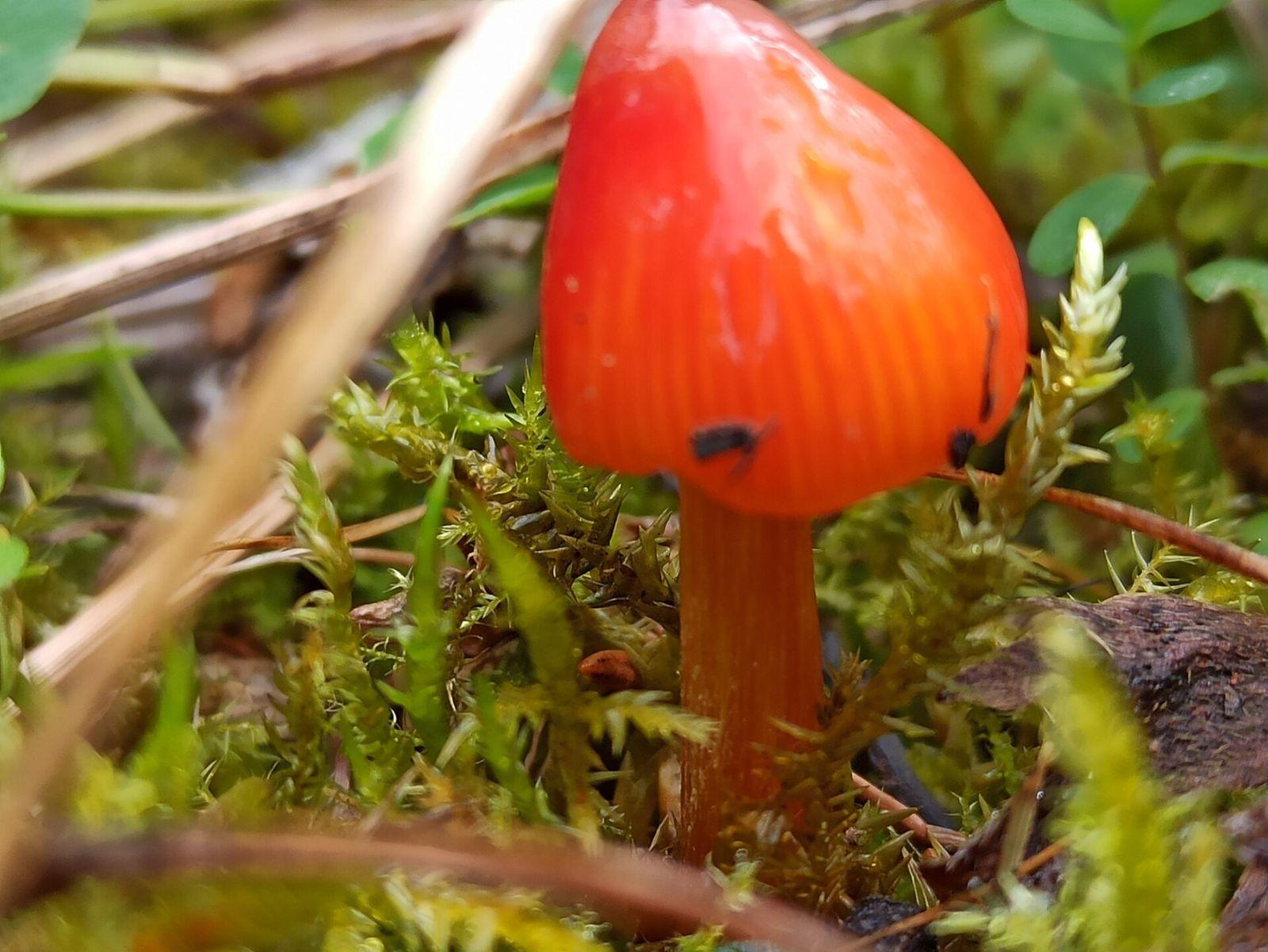
Hygrocybe conica
A pointed red, orange or yellow waxy cap that turns black where handled and with age.
These pages are for learning. Nothing on Mushrooms.id is advice to eat, touch or handle any mushroom. Tags state what the field guides record, and a photo cannot settle edibility. Read how we think about safety.
Waitlist
We will send one email when Mushrooms.id opens, and nothing else.
This opens your email app with the request written for you. Send it and we add you to the list. No email app? Write to hello@mushrooms.id with the subject “Add me to the Mushrooms.id waitlist”.