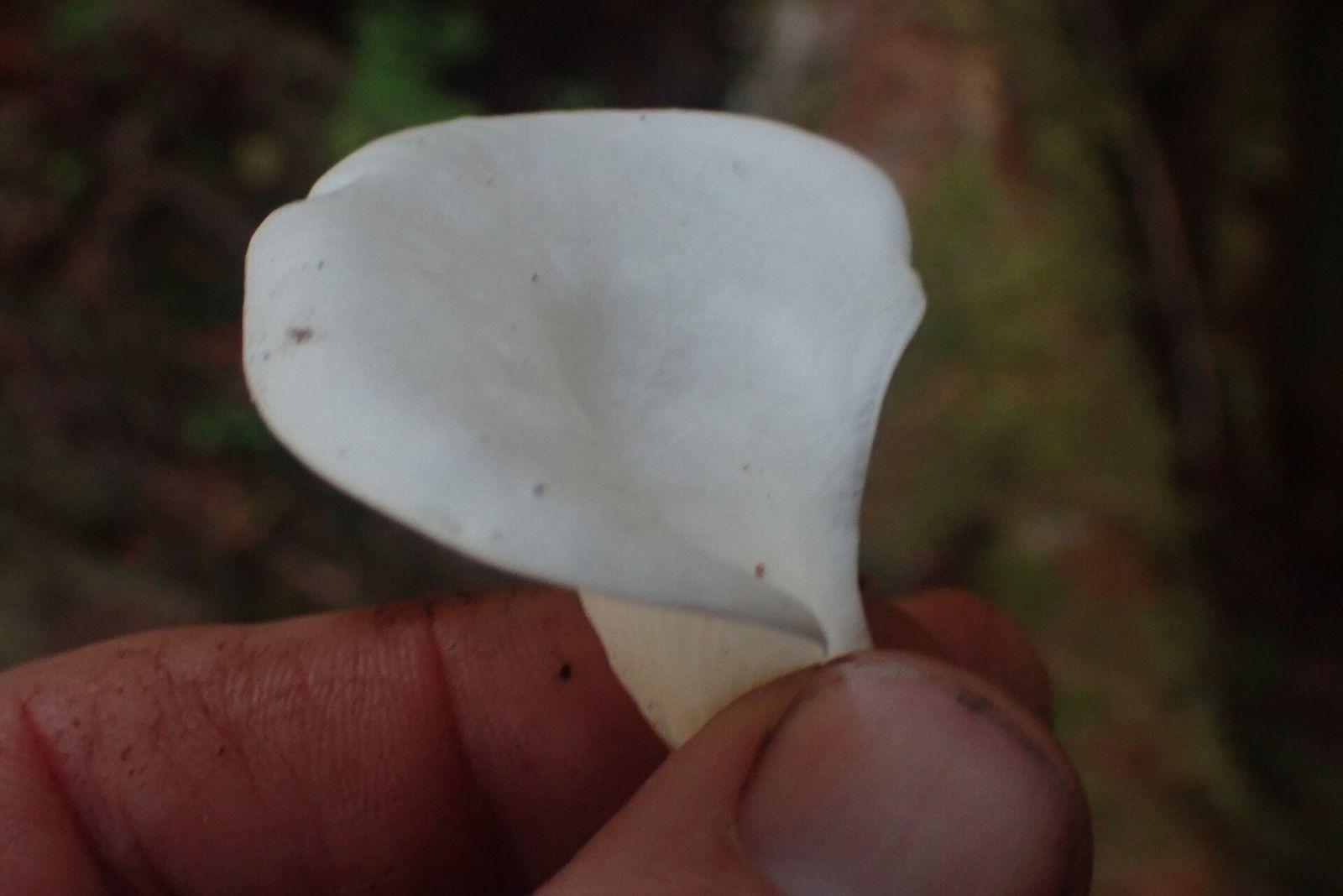
Toxic lookalike
Angel Wings
Pleurocybella porrigens
Angel wings are pure white, much thinner and smaller, and grow on dead conifer wood, especially hemlock. They have been linked to deaths.
Pleurotus ostreatus
Also called pearl oyster, tree oyster.
The oyster mushroom grows in overlapping clusters of fan-shaped caps on dead and dying hardwoods, most often in cool weather. It has white gills that run down to a short, off-center stem, and it is one of the most widely cultivated mushrooms in the world.
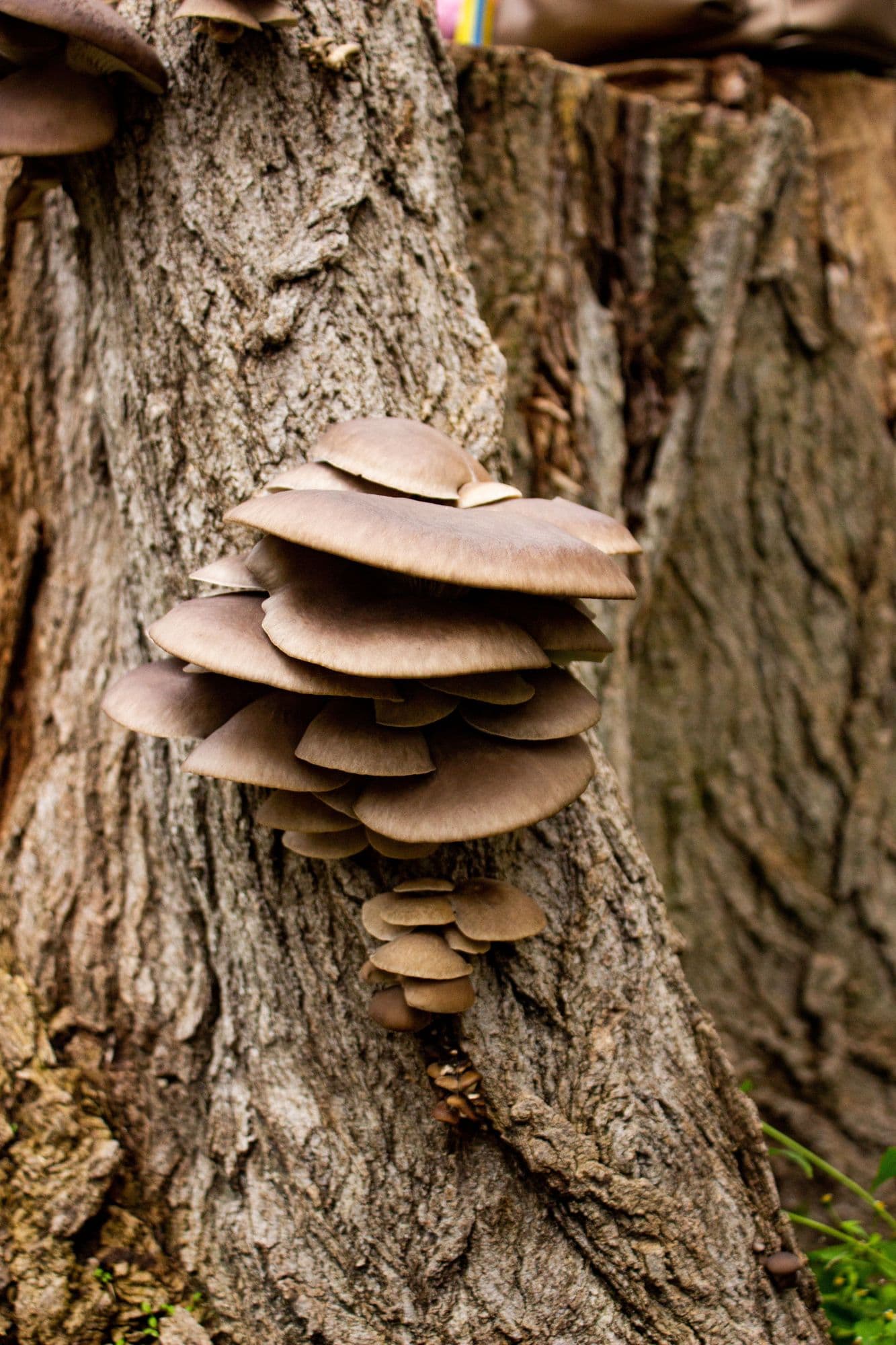
The tell
Fan-shaped caps in overlapping shelves on dead hardwood, with white gills running down to a short stub of a stem.
Field marks
Cap, underside and stem show in a photo. The spore print does not, and it is often the deciding check.
Where and when
Lookalikes
Each card says how to tell the two apart.
Pleurocybella porrigens
Angel wings are pure white, much thinner and smaller, and grow on dead conifer wood, especially hemlock. They have been linked to deaths.
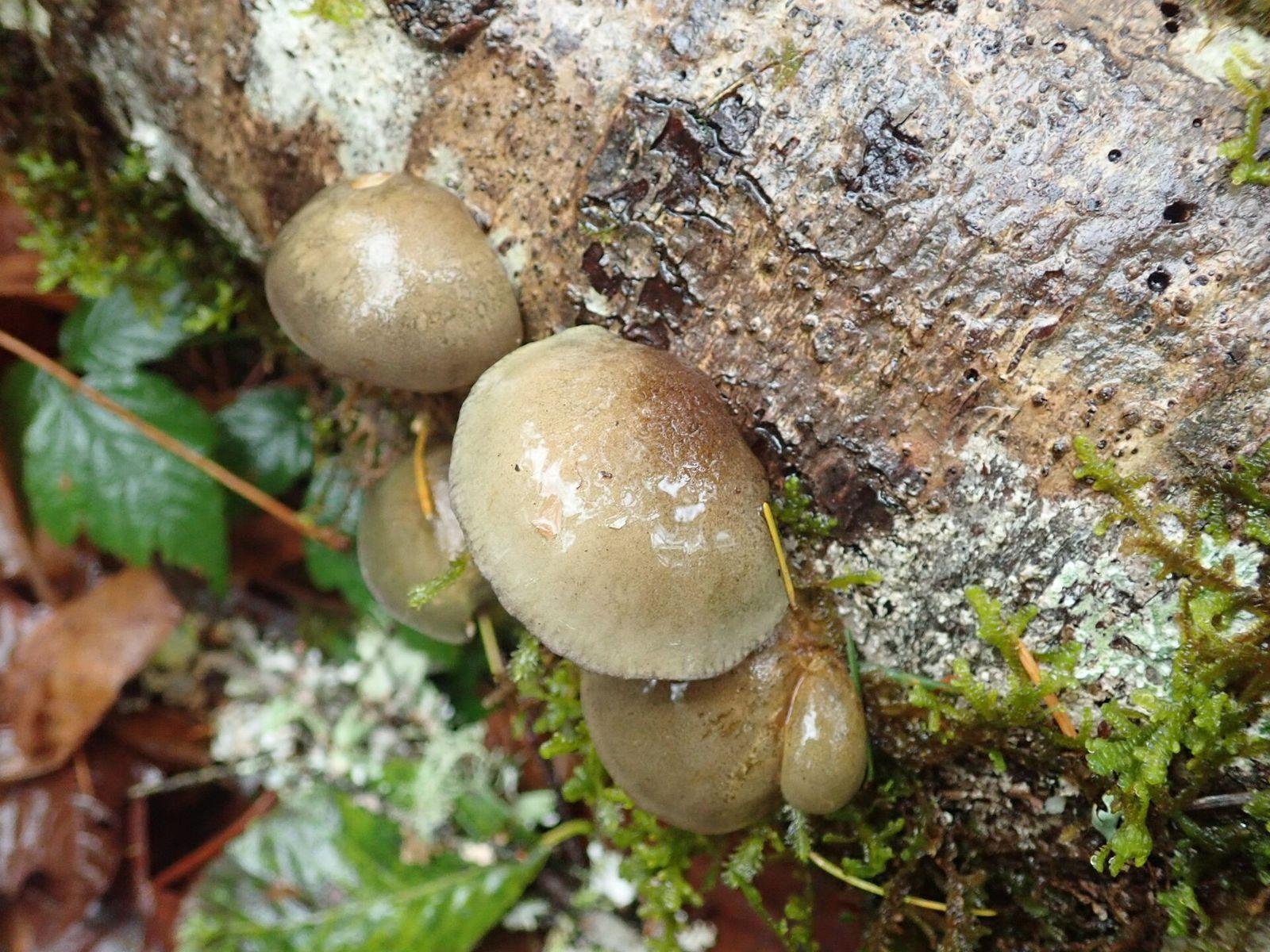
Sarcomyxa serotina
Its cap is greenish to olive-brown with a gelatinous layer under the skin, its gills are yellowish, and it fruits after frost.
Hypsizygus ulmarius
Photo coming
Hypsizygus ulmarius
It has a distinct stem, and its gills attach to the stem without running down it.
More side-by-side comparisons
Edibility
Field guides list the oyster mushroom as a choice edible, and it is grown commercially worldwide. It is also a nematode-trapping fungus: its mycelium paralyzes and digests tiny roundworms as a source of nitrogen. Angel wings, a thin white lookalike on conifer wood, has been linked to deaths in Japan.
This page states what field guides record. It is not advice to eat, taste or handle anything, and a photo cannot settle edibility. If someone has eaten a wild mushroom that may be toxic, call poison control (1-800-222-1222 in the US) right away, before symptoms start: the deadliest species act hours later.
FAQ
Field guides list wild Pleurotus ostreatus as a choice edible, the same species that is cultivated and sold in stores. The lookalike recorded as dangerous is angel wings, a thinner, pure white species that grows on conifer wood.
Dead and dying hardwood trees, logs and stumps, especially aspen, poplar, beech, maple and oak. They grow in overlapping shelves and are most common in cool weather from fall through spring.
Angel wings, which is thinner, pure white and grows on conifers; the late fall oyster, which is greenish with yellowish gills; and the elm oyster, which has a real stem. Several small brown-spored shelf mushrooms in the genus Crepidotus also look similar.
Sources
MushroomExpert.com
Missouri Department of Conservation
MykoWeb, California Fungi
Index Fungorum
Also on Mushrooms.id
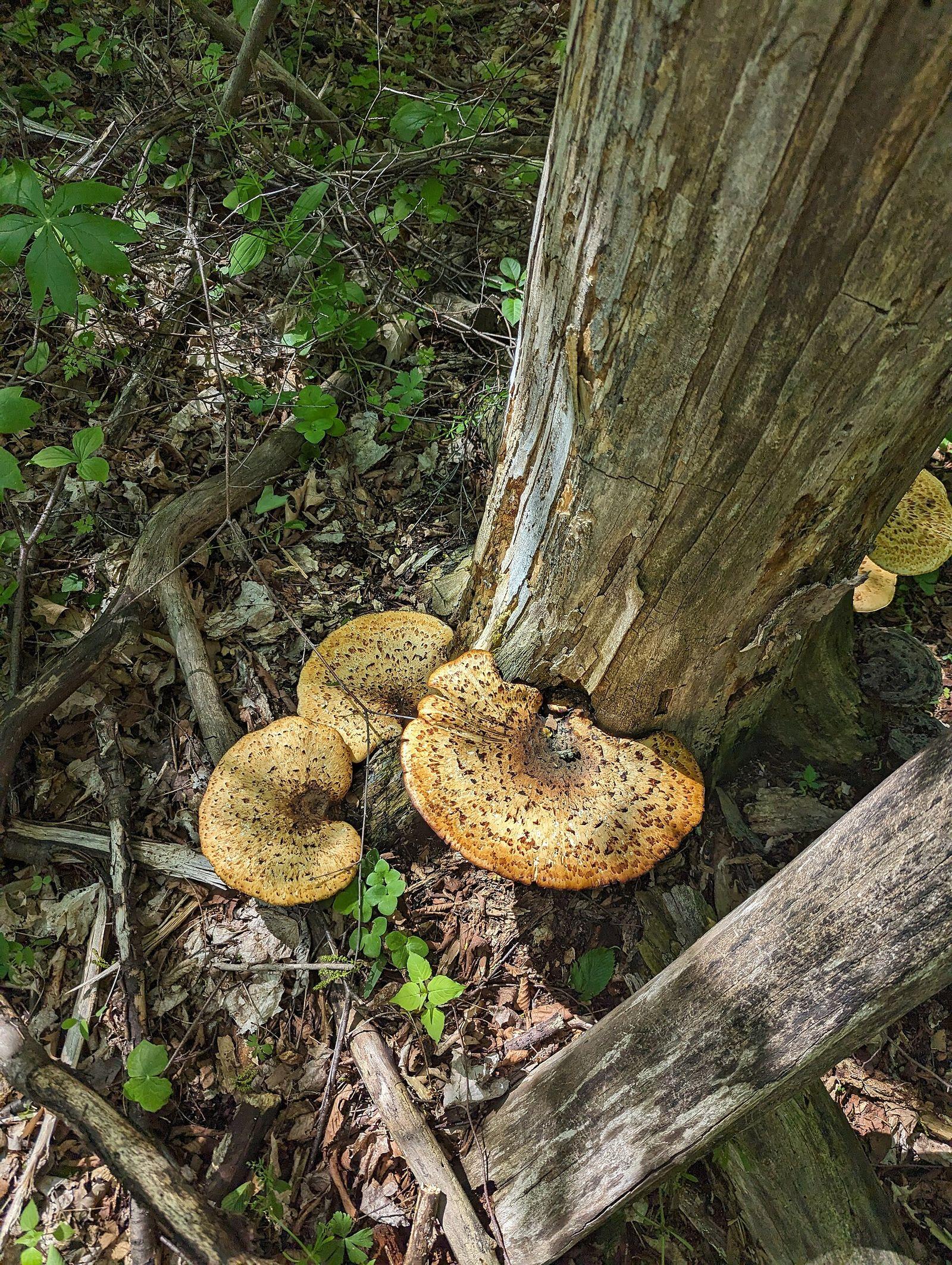
Cerioporus squamosus
Cream bracket covered in brown, feathery scales, with large angular pores and a smell of watermelon rind.
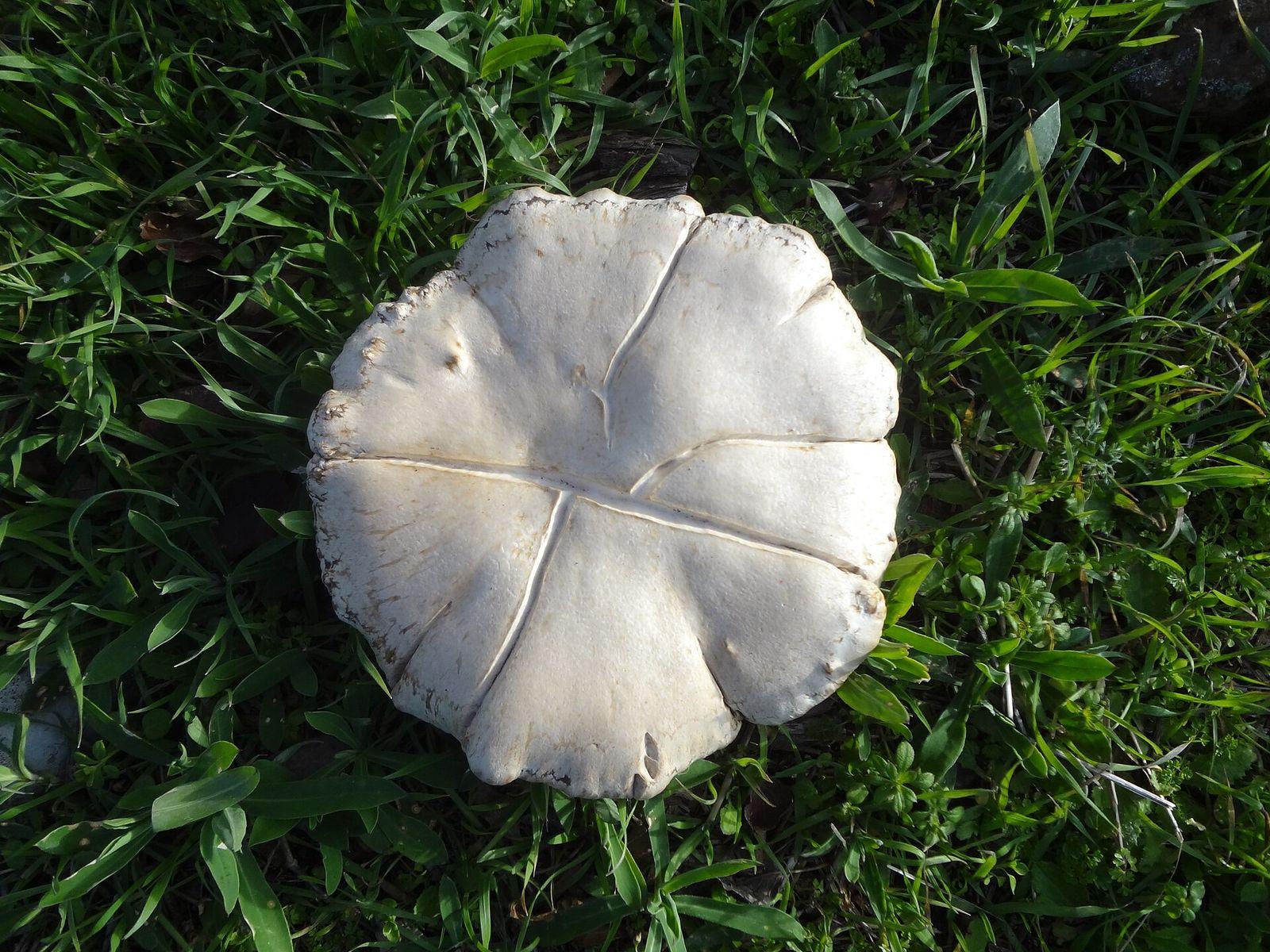
Pleurotus eryngii
Thick white stem, much larger than its small brown cap, with gills running down the stem.
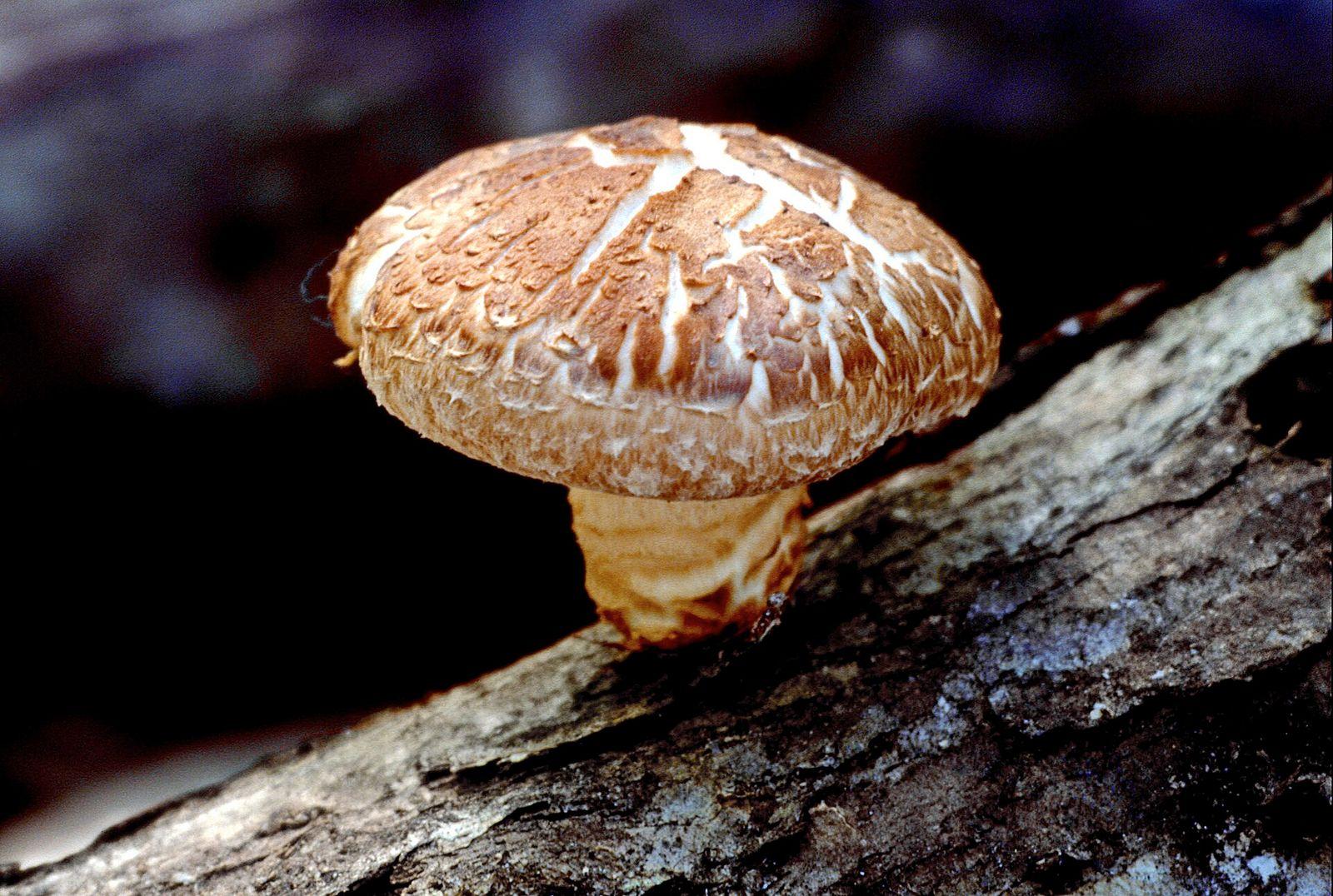
Lentinula edodes
A brown cap with whitish fibers at the edge, white gills with ragged edges, and a tough, fibrous stem.
Waitlist
We will send one email when Mushrooms.id opens, and nothing else.
This opens your email app with the request written for you. Send it and we add you to the list. No email app? Write to hello@mushrooms.id with the subject “Add me to the Mushrooms.id waitlist”.