Fly Agaric

Amanita muscaria

Toxic

Also called fly amanita, fly mushroom.

The fly agaric is the red-and-white-spotted toadstool of storybooks. In North America it ranges from red in the West to yellow or orange in the East. It contains ibotenic acid and muscimol, which cause confusion, delirium and deep sleep. It grows under conifers and birch.

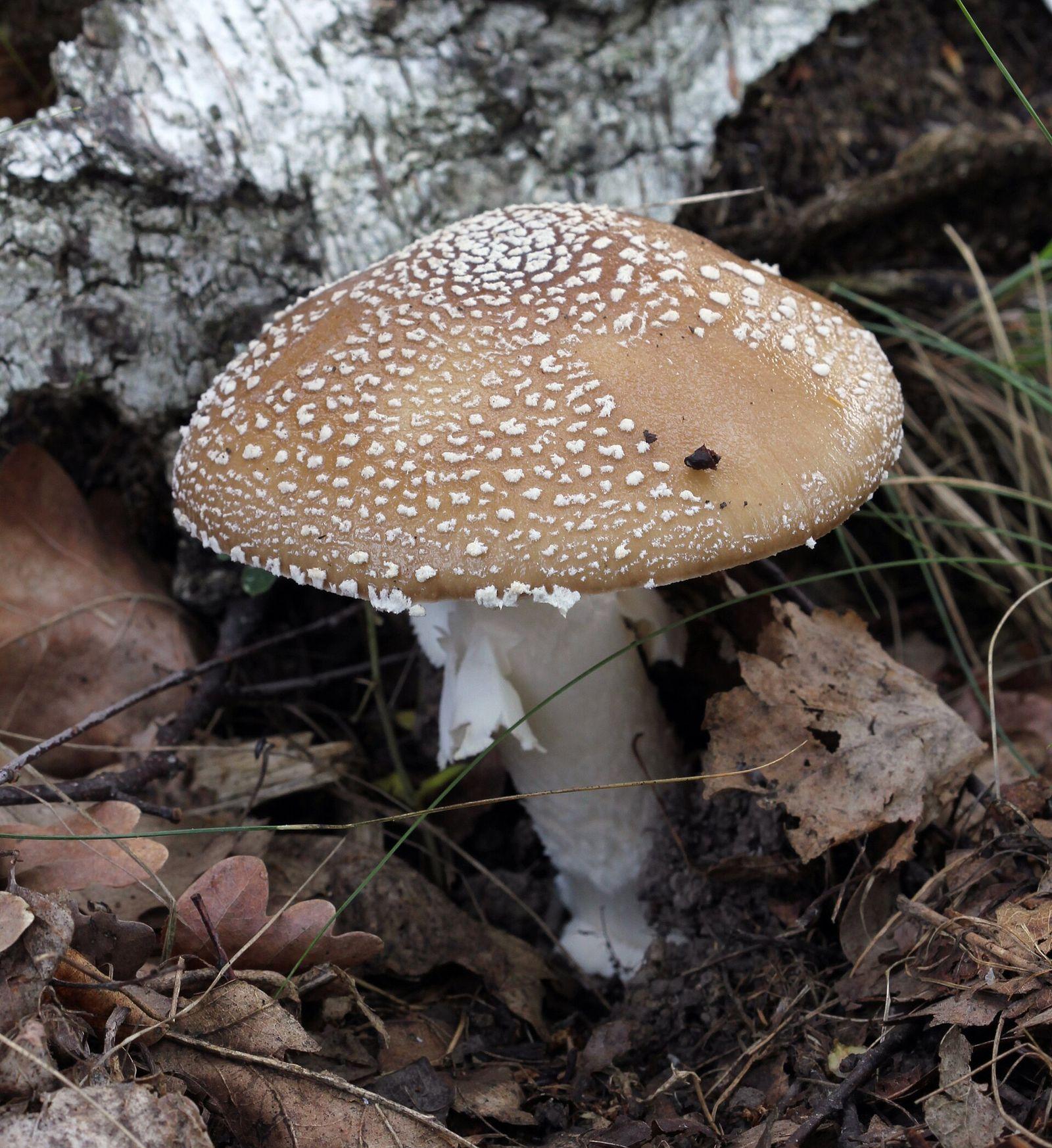
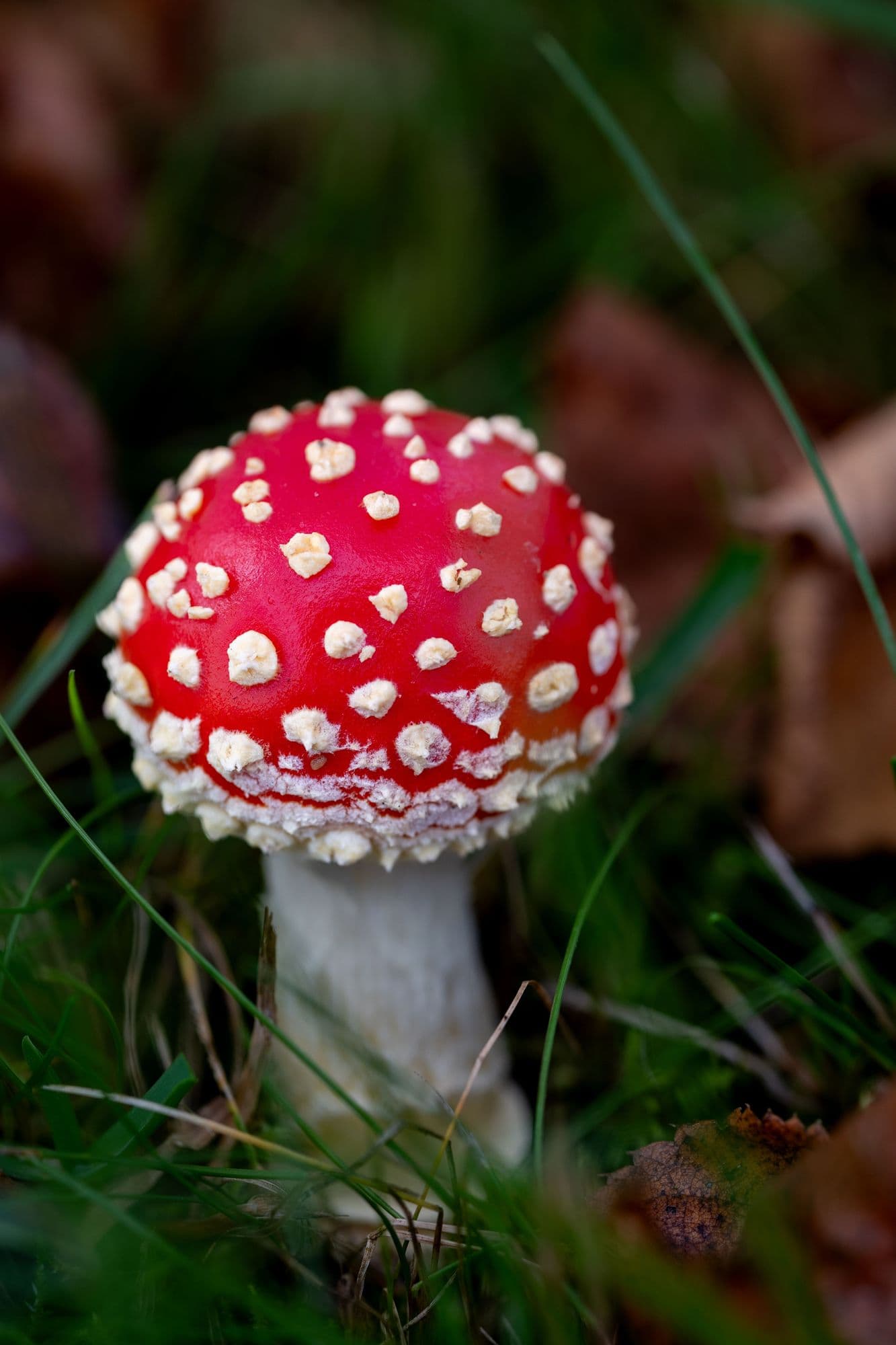
A red fly agaric cap covered in white warts, on a white stem in grass

The tell

Red, orange or yellow cap scattered with white to yellowish warts, white gills, a ring, and rings of scales above a bulb at the base.

Field marks

What to look at

Cap, underside and stem show in a photo. The spore print does not, and it is often the deciding check.

Cap
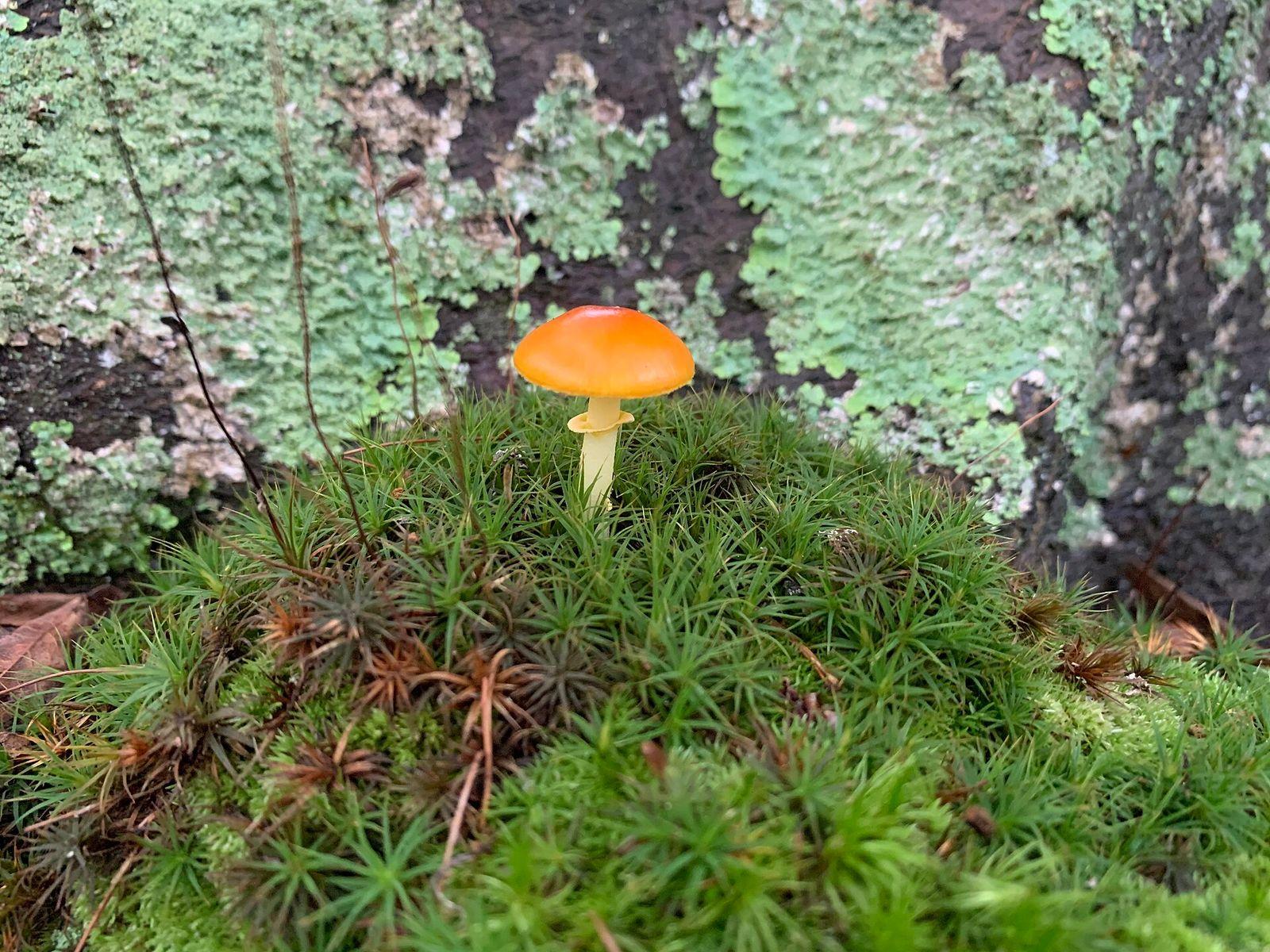
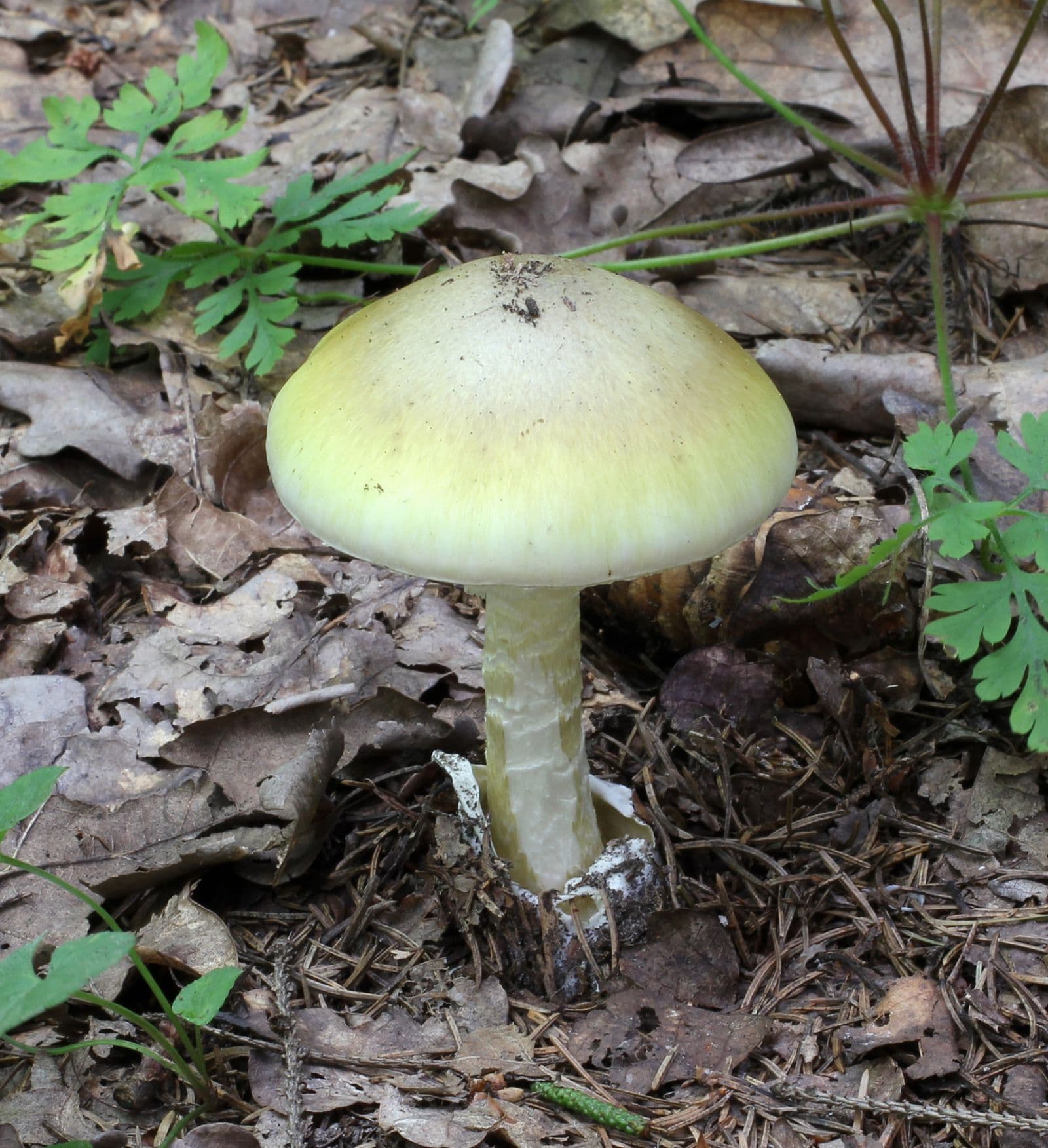
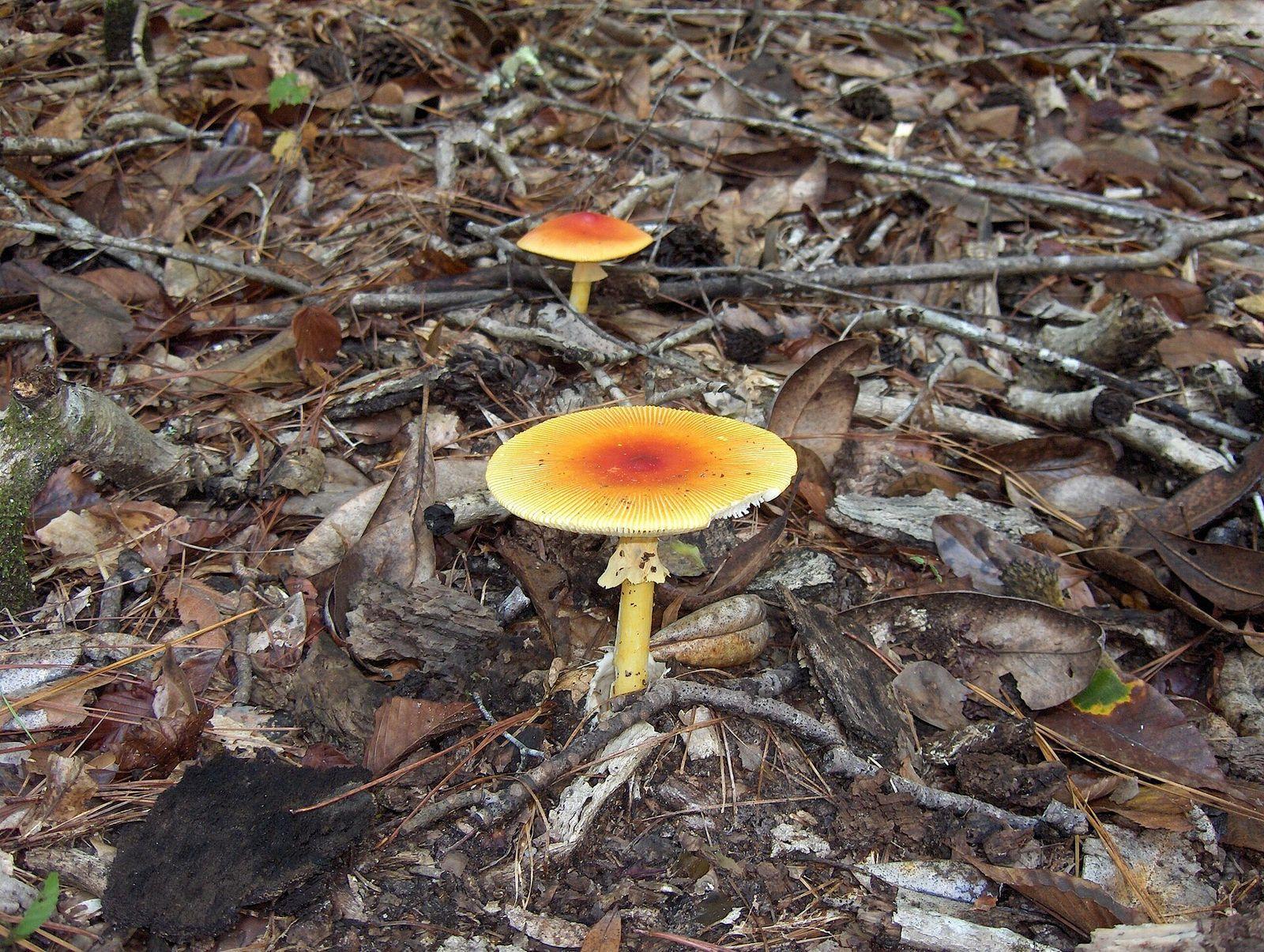
Rounded, then convex to flat. Bright red in the West and Alaska, yellow to orange in the East, fading with age and rain. Covered in white to yellowish cottony warts that can wash off. The edge is often faintly lined.
Underside
Gills white to cream, crowded and free from the stem or nearly so.
Stem
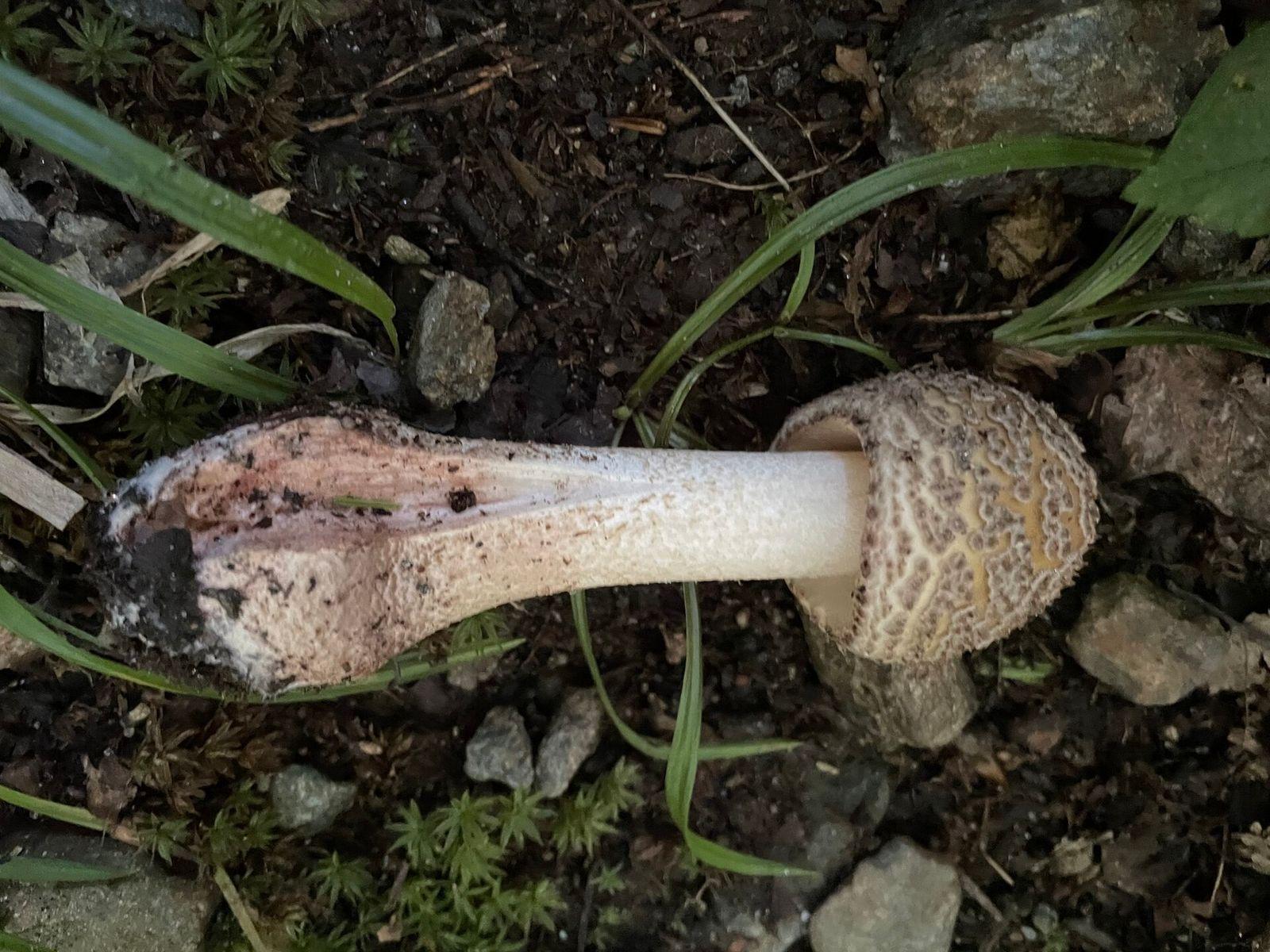
White to cream, with a skirt-like white to yellowish ring near the top. The base is a rounded bulb topped with several concentric rings or a shaggy collar of scales. There is no sac-like cup.
Flesh
White, with a yellowish to orange layer just under the cap skin. Not bruising.
Spore print
White.
Size
Cap 3 to 8 inches wide (7.5 to 20 cm), sometimes larger; stem 3 to 7 inches tall (7.5 to 18 cm).

Where and when

Where and when it grows

Habitat
Conifer and mixed forests with pine, spruce, fir, birch and aspen, and under planted conifers and birches in parks and yards.
Grows on
Soil, mycorrhizal with the roots of living trees.
Season
Summer through fall in most of the continent; fall and winter in California.
Range
Across North America, with red forms in the West and Alaska and yellow to orange forms in the East.

Edibility

What the field guides say

Toxic

The fly agaric contains ibotenic acid and muscimol, which act on the brain. Field guides record symptoms beginning 30 minutes to 2 hours after eating: dizziness, confusion, agitation, delirium, muscle twitching, and then deep sleep. Recorded deaths are rare. Field guides list it as poisonous.

This page states what field guides record. It is not advice to eat, taste or handle anything, and a photo cannot settle edibility. If someone has eaten a wild mushroom that may be toxic, call poison control (1-800-222-1222 in the US) right away, before symptoms start: the deadliest species act hours later.

FAQ

Questions about the fly agaric

Is the fly agaric poisonous?

Yes. It contains ibotenic acid and muscimol, which cause dizziness, confusion, delirium and deep sleep within a few hours of being eaten. Deaths are rare, and field guides list it as poisonous.

Why are some fly agarics yellow instead of red?

North American fly agarics vary by region. Western and Alaskan populations are usually red, while eastern populations are usually yellow to orange. These forms are often treated as separate varieties or species.

Where do fly agarics grow?

Under pines, spruces, firs, birches and aspens across North America, including planted trees in parks and yards. They fruit from summer into fall, and in fall and winter in California.

Sources

Where these facts come from

  1. Amanita muscaria

    Beaty Biodiversity Museum, University of British Columbia

  2. Amanita muscaria

    Index Fungorum

Waitlist

Hear when it opens

We will send one email when Mushrooms.id opens, and nothing else.

Email us to join

This opens your email app with the request written for you. Send it and we add you to the list. No email app? Write to hello@mushrooms.id with the subject “Add me to the Mushrooms.id waitlist”.