Edible
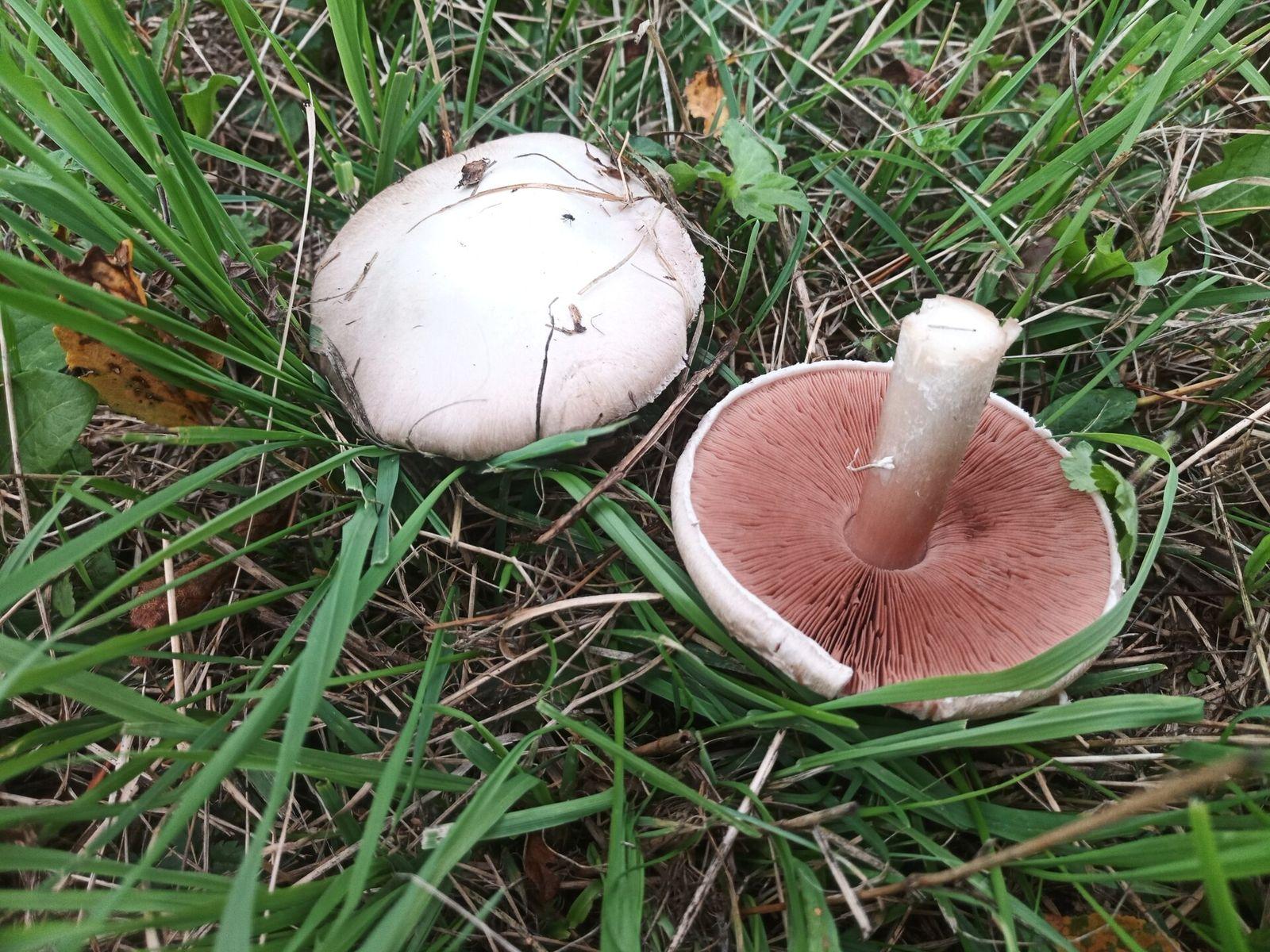
Meadow Mushroom
Agaricus campestris
Agaricus gills are pink when young and chocolate brown when mature, the spore print is dark brown, and the stem base has no cup.
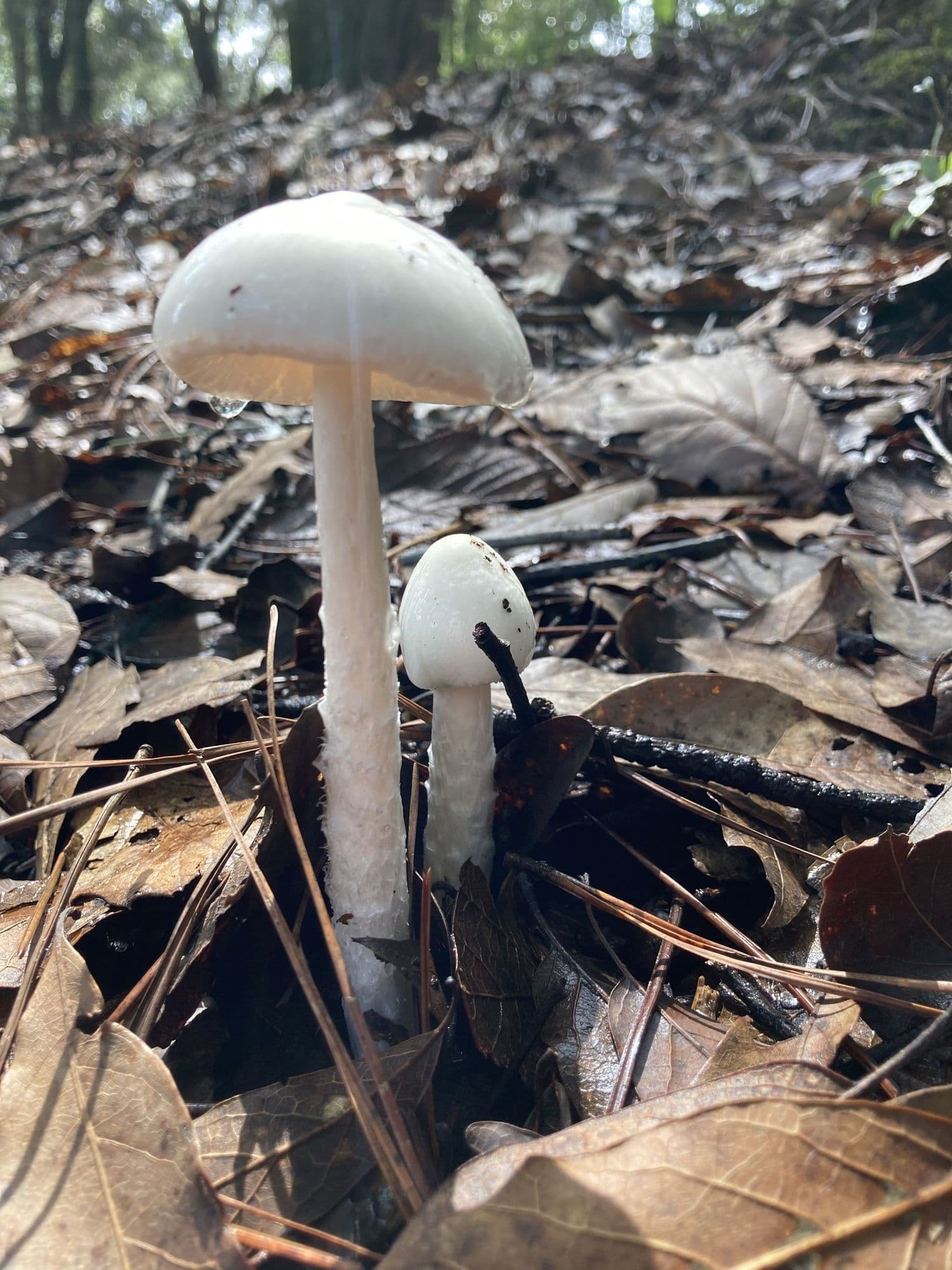
Amanita bisporigera
Also called eastern destroying angel, angel of death.
The destroying angel is a pure white mushroom of eastern North American woods and one of the deadliest fungi on the continent. It contains the same amatoxins as the death cap. Its white gills and the cup hidden at the base separate it from white edible mushrooms.
The tell
Pure white all over, with white gills, a skirt-like ring, and a white sac-like cup around a bulb at the base.
Field marks
Cap, underside and stem show in a photo. The spore print does not, and it is often the deciding check.
Where and when
Lookalikes
Each card says how to tell the two apart.
Agaricus campestris
Agaricus gills are pink when young and chocolate brown when mature, the spore print is dark brown, and the stem base has no cup.
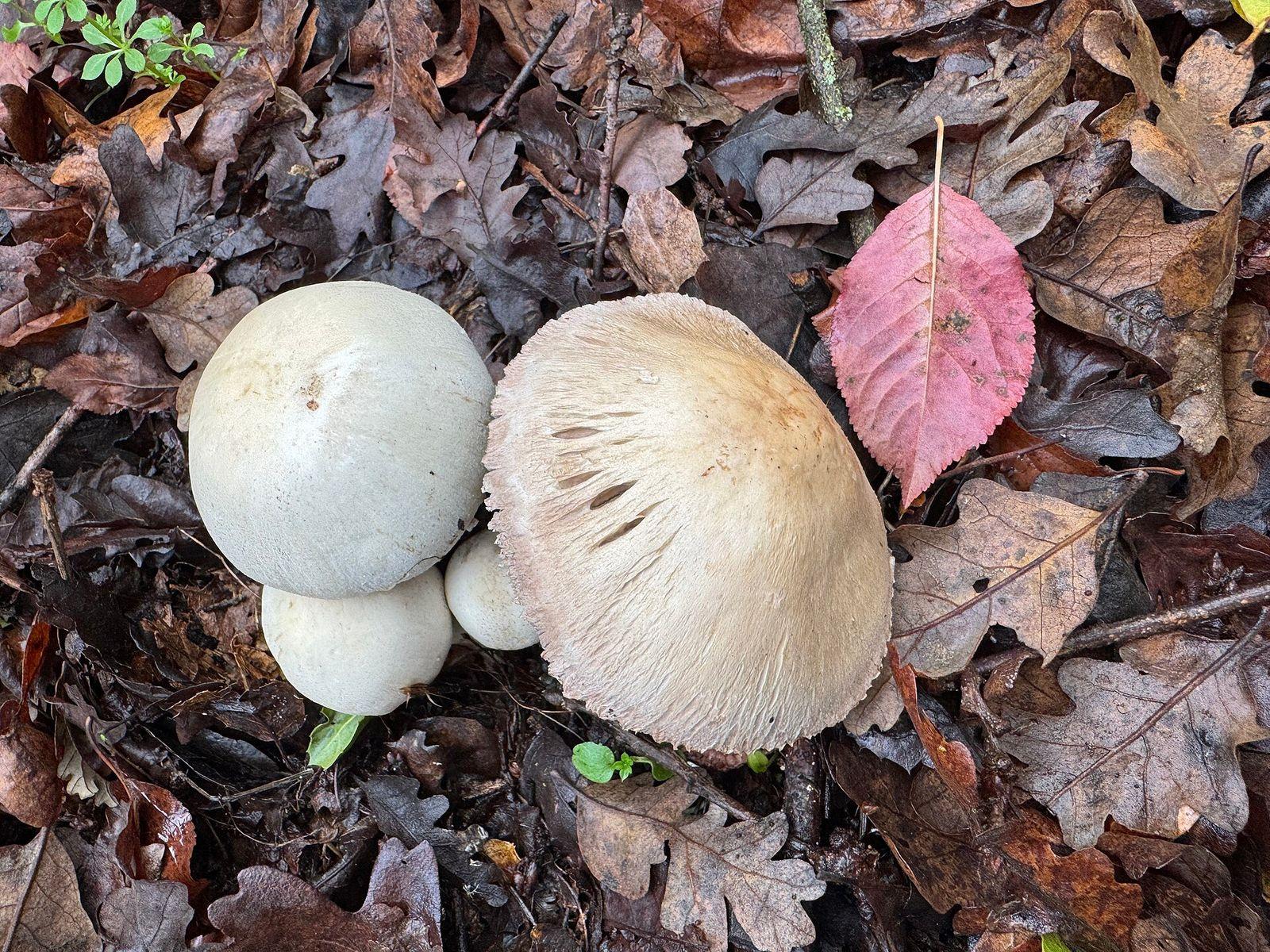
Agaricus fissuratus
Horse mushrooms also have a large white cap and ring, but the gills turn from grayish pink to chocolate brown, the flesh smells of anise, and there is no cup at the base.
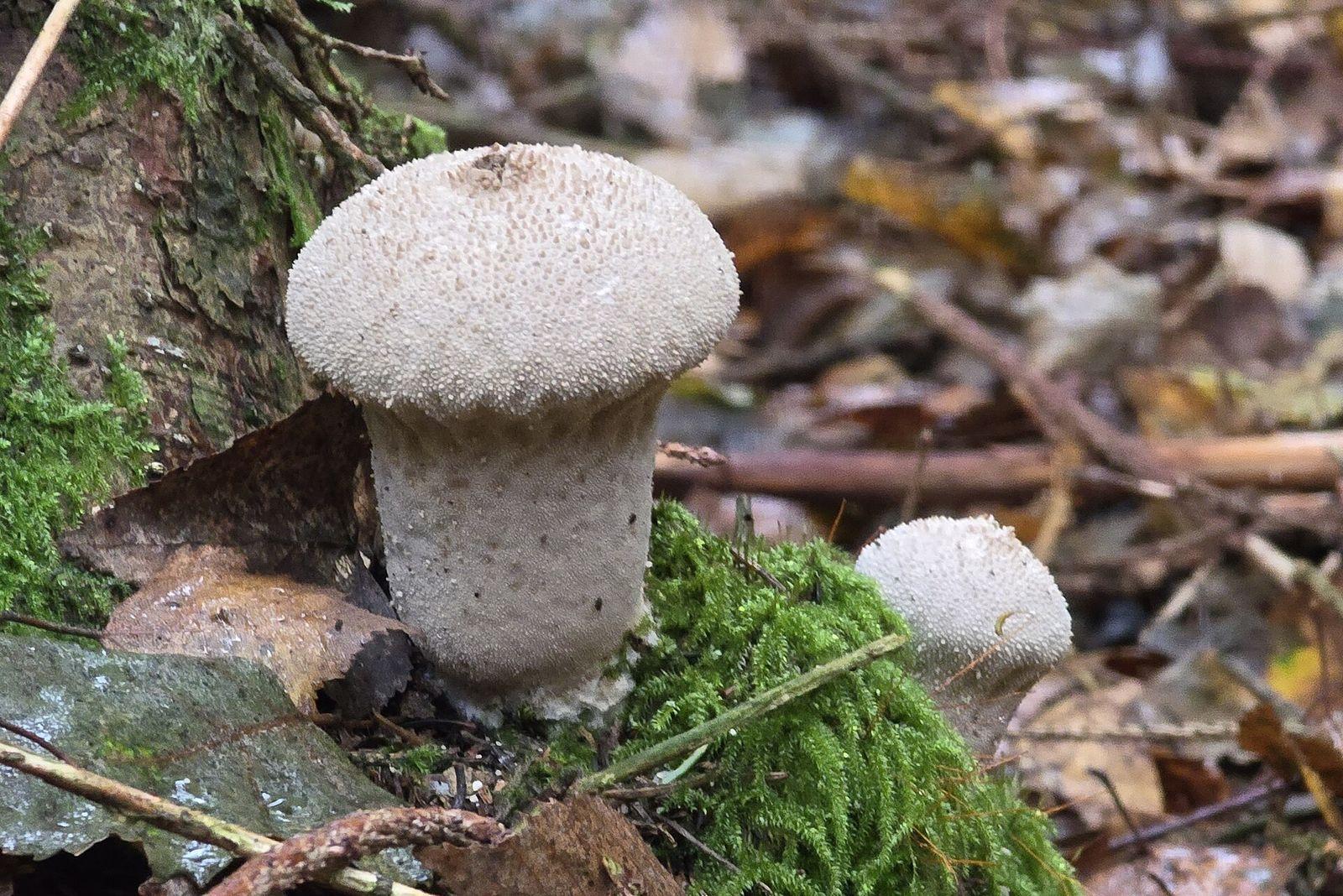
Lycoperdon perlatum
An unopened destroying angel egg looks like a small white puffball. Cut top to bottom, the egg shows the outline of a cap, gills and stem, while a puffball is uniform white inside.
Leucoagaricus leucothites is also white with white gills and a white spore print, but it grows in grass and has no cup at the base. Its gills often turn pinkish with age.
Edibility
The destroying angel contains amatoxins, the same toxins as the death cap. They shut down protein production in liver and kidney cells. Symptoms usually begin 6 to 24 hours after the meal with severe vomiting and diarrhea, often followed by a brief apparent recovery and then liver and kidney failure. Cooking, freezing and drying do not destroy amatoxins.
This page states what field guides record. It is not advice to eat, taste or handle anything, and a photo cannot settle edibility. If someone has eaten a wild mushroom that may be toxic, call poison control (1-800-222-1222 in the US) right away, before symptoms start: the deadliest species act hours later.
FAQ
Yes. It contains amatoxins, which destroy liver and kidney cells, and field guides list it among the deadliest mushrooms in North America. Symptoms are delayed by 6 to 24 hours, so the toxin is already absorbed when illness begins.
It is pure white: white cap, white gills, white stem with a thin white ring, and a white sac-like cup around the base. The cup is often buried and can be missed if the mushroom is snapped off at ground level.
In hardwood and mixed forests of eastern and central North America, often near oaks, beech, birch and pines, and on lawns next to those trees. They fruit from summer through fall.
Sources
MushroomExpert.com
Missouri Department of Conservation
Index Fungorum
Also on Mushrooms.id
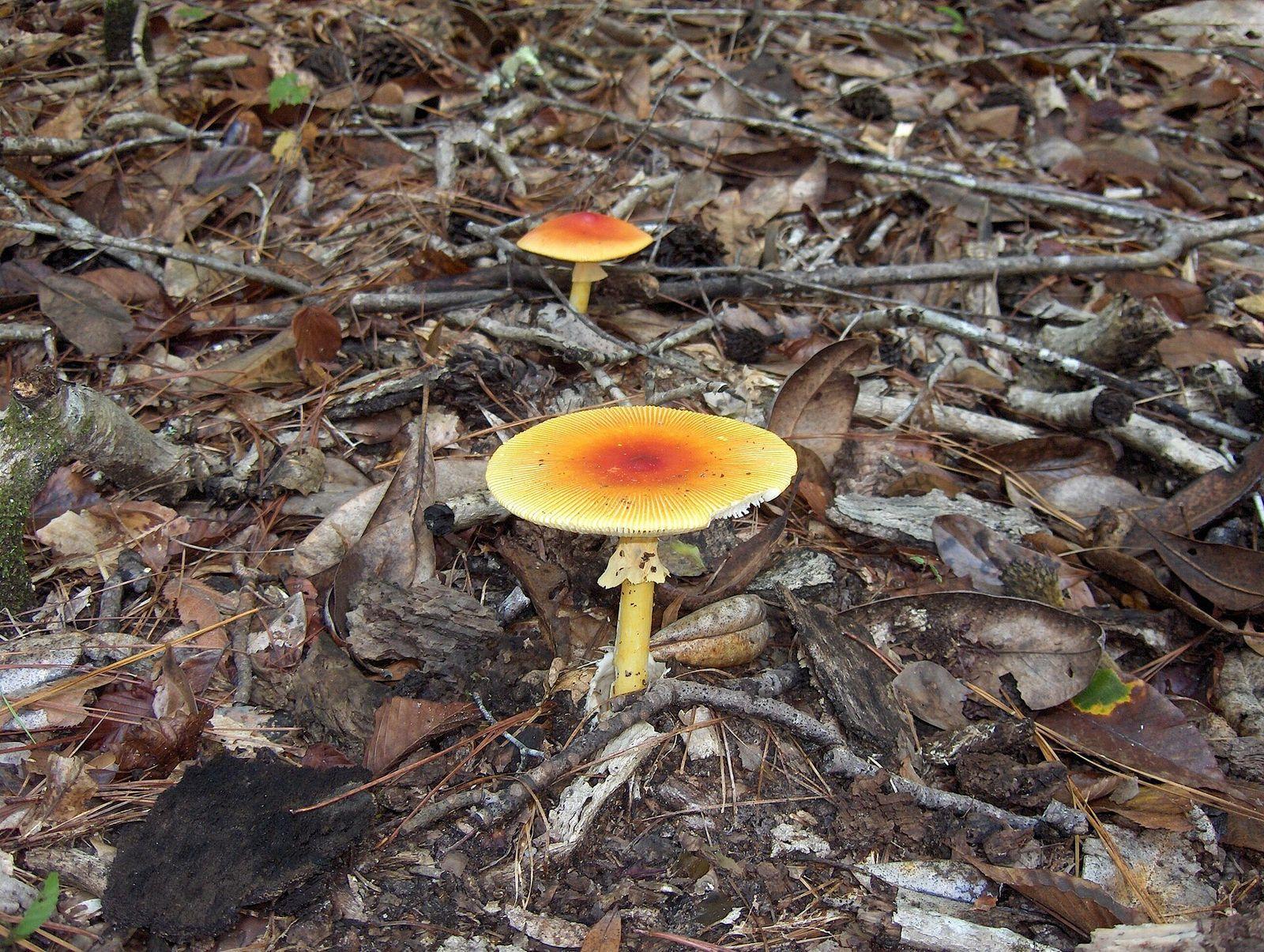
Amanita jacksonii
Bright red to orange cap with a lined edge, yellow gills, a yellow stem and ring, and a thick white sac-like cup at the base.
Agaricus bisporus
Photo coming
Agaricus bisporus
Free gills that turn from pink to chocolate brown, a ring on the stem, and no cup at the base.
Entoloma abortivum
Photo coming
Entoloma abortivum
Whitish, lumpy, irregular balls with marbled pinkish insides, growing near honey mushrooms.
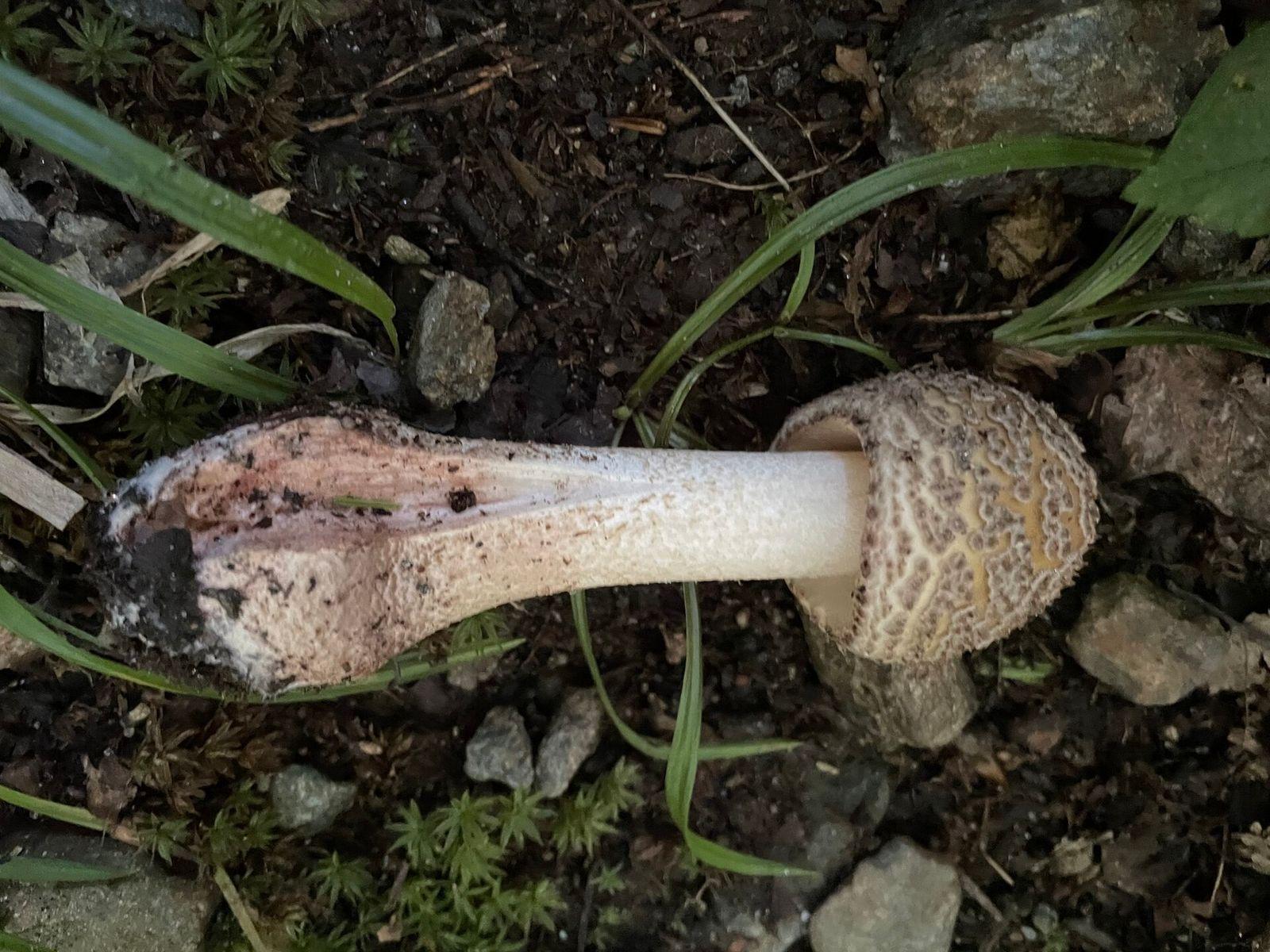
Amanita rubescens
Dull reddish brown cap with grayish to pinkish warts, and flesh that slowly turns pinkish red where it is cut, bruised or eaten by insects.
Waitlist
We will send one email when Mushrooms.id opens, and nothing else.
This opens your email app with the request written for you. Send it and we add you to the list. No email app? Write to hello@mushrooms.id with the subject “Add me to the Mushrooms.id waitlist”.