Button Mushroom

Agaricus bisporus

Edible

Also called white mushroom, cremini, portobello.

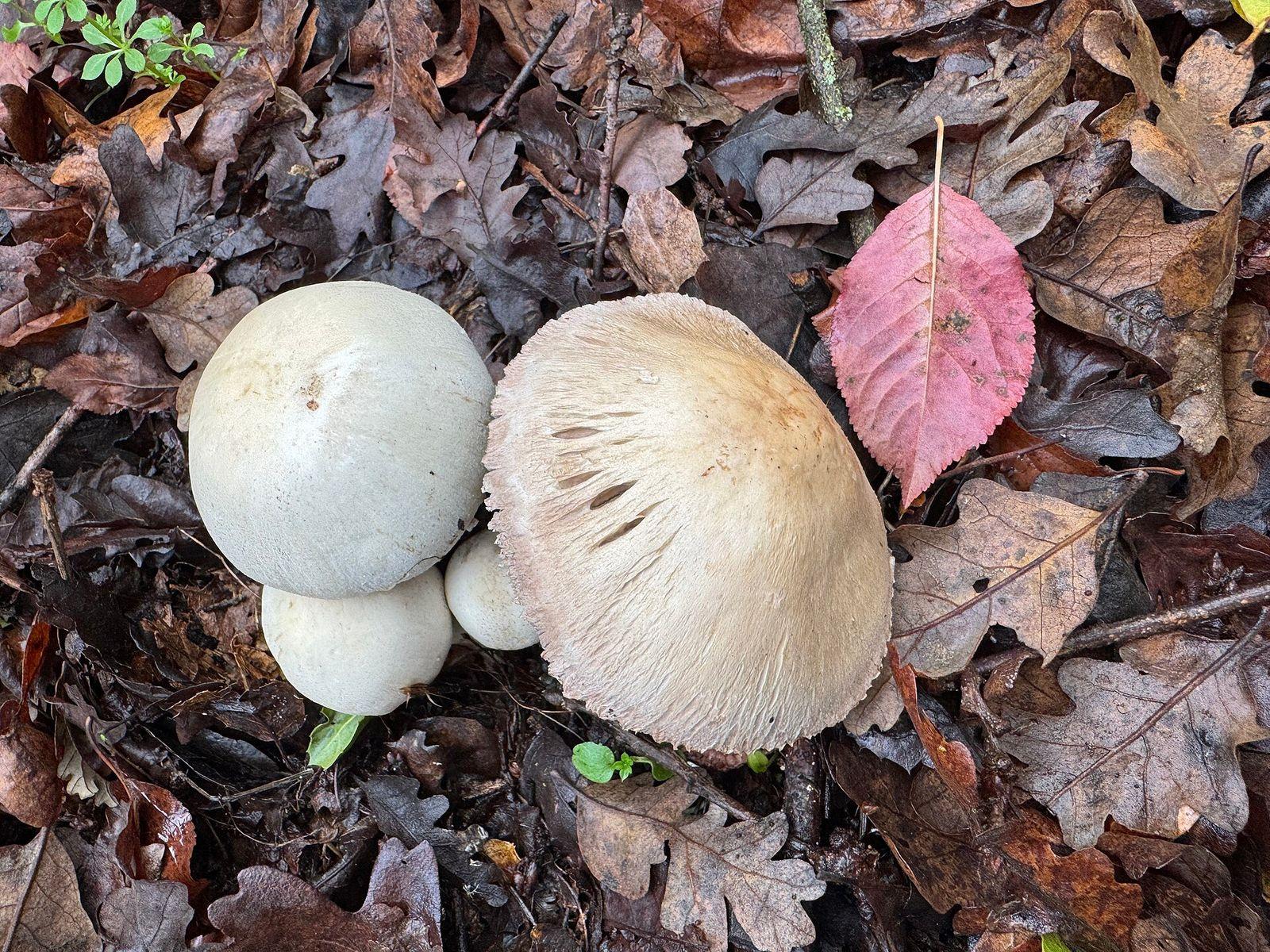
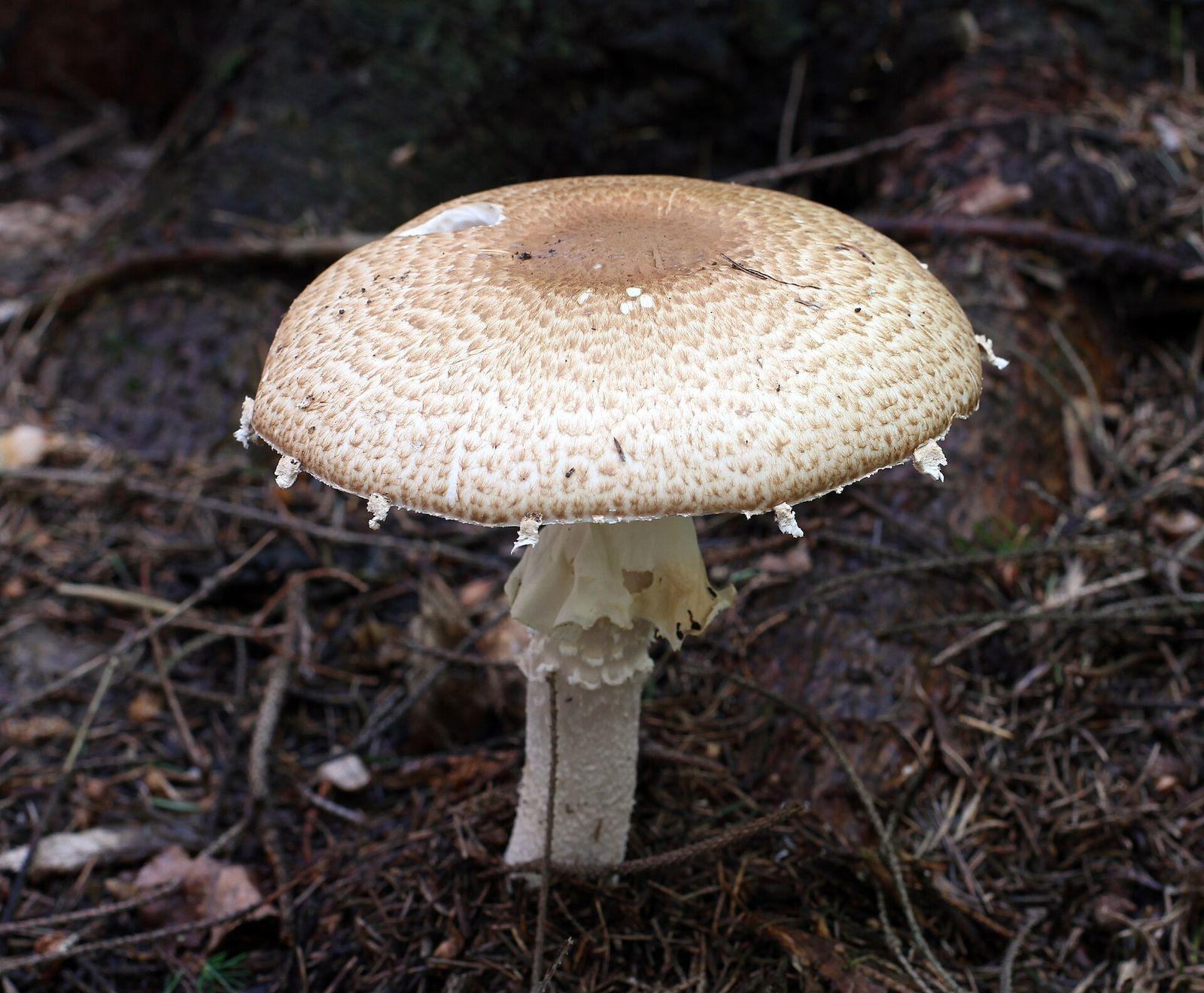
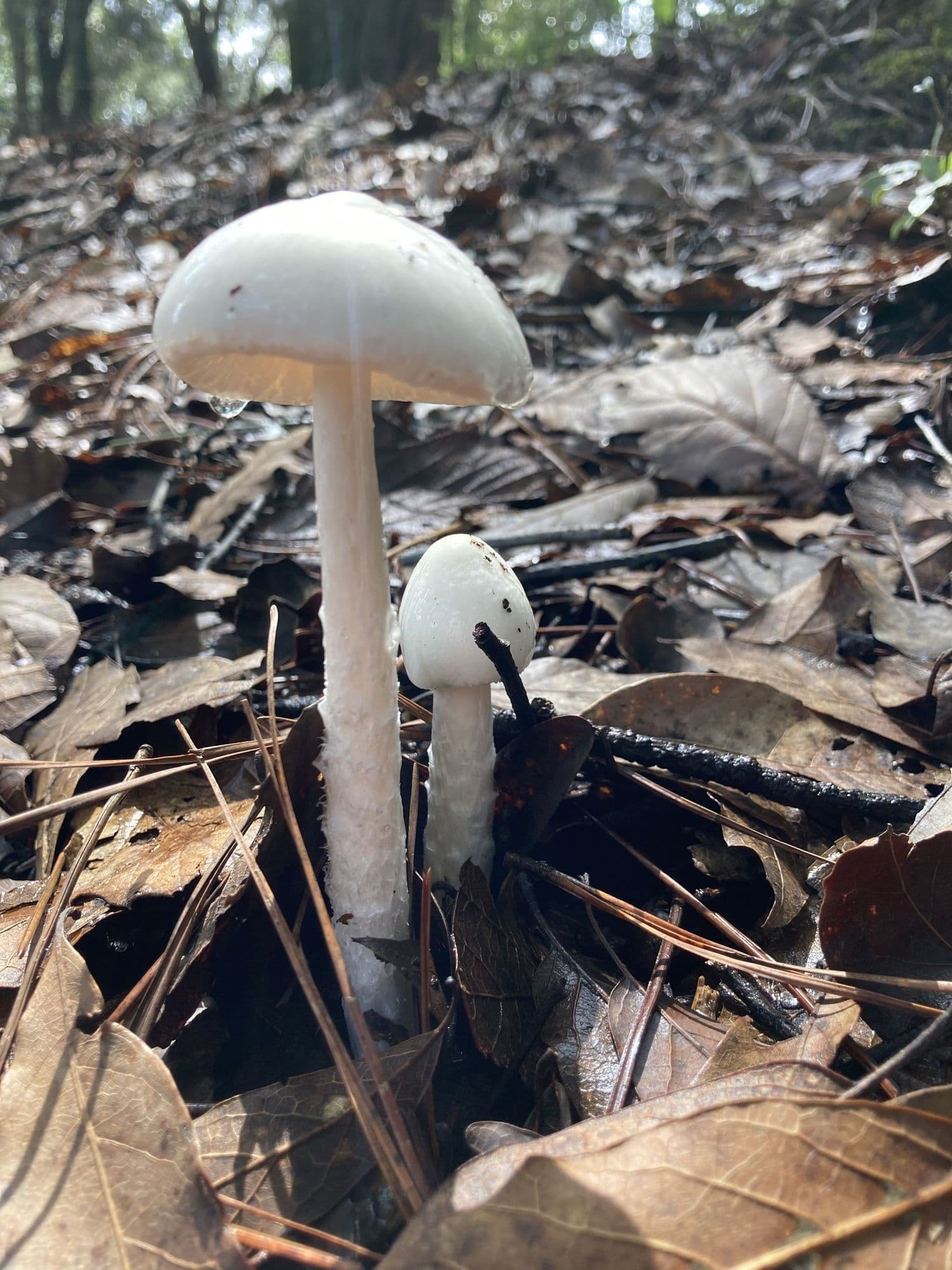
The button mushroom is the most widely cultivated mushroom in the world, sold white as button, brown as cremini, and fully opened as portobello. The same species grows wild in rich, disturbed ground, where it can be confused with white Amanitas.

Agaricus bisporus

Photo coming

The tell

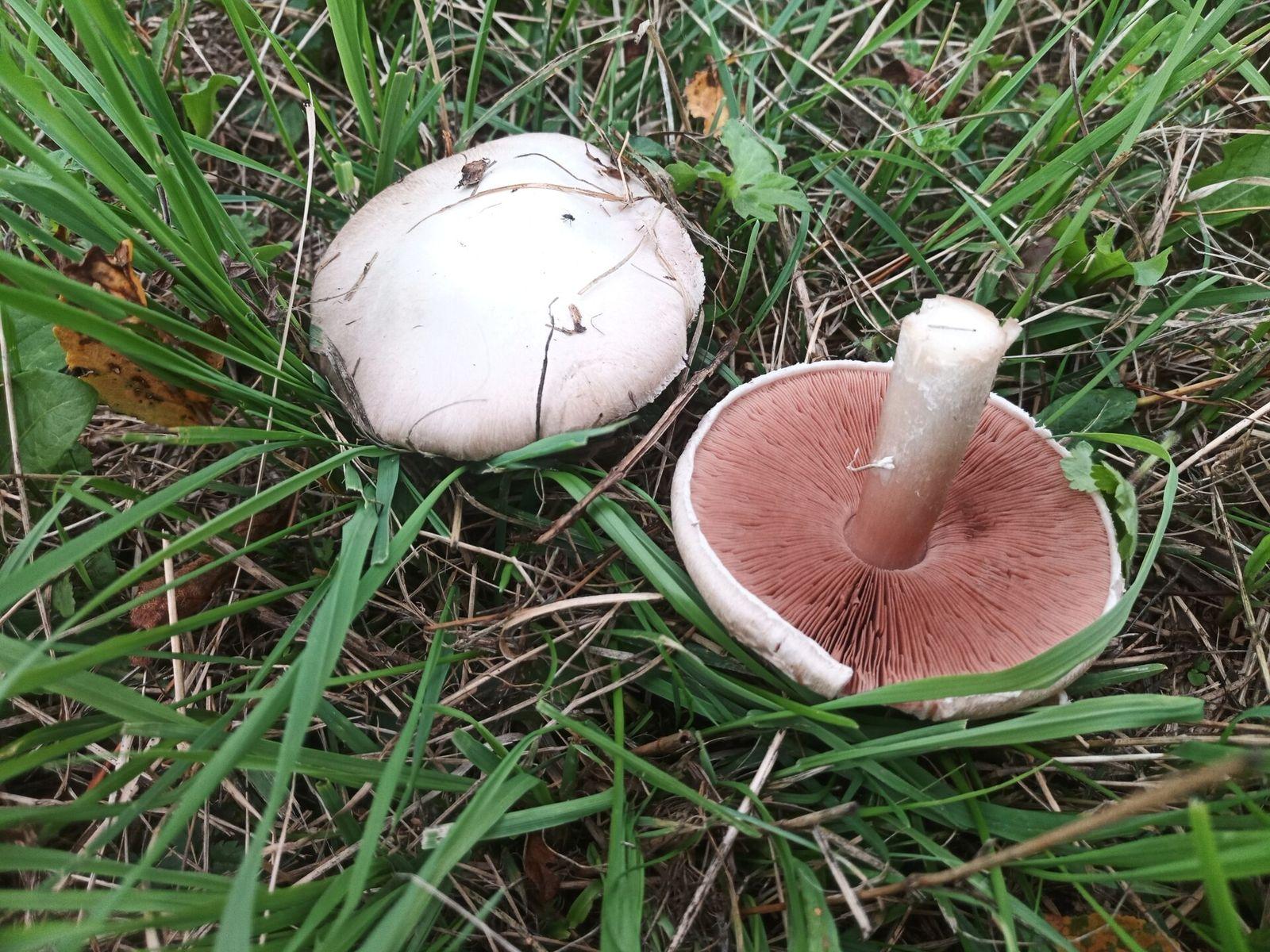
Free gills that turn from pink to chocolate brown, a ring on the stem, and no cup at the base.

Field marks

What to look at

Cap, underside and stem show in a photo. The spore print does not, and it is often the deciding check.

Cap
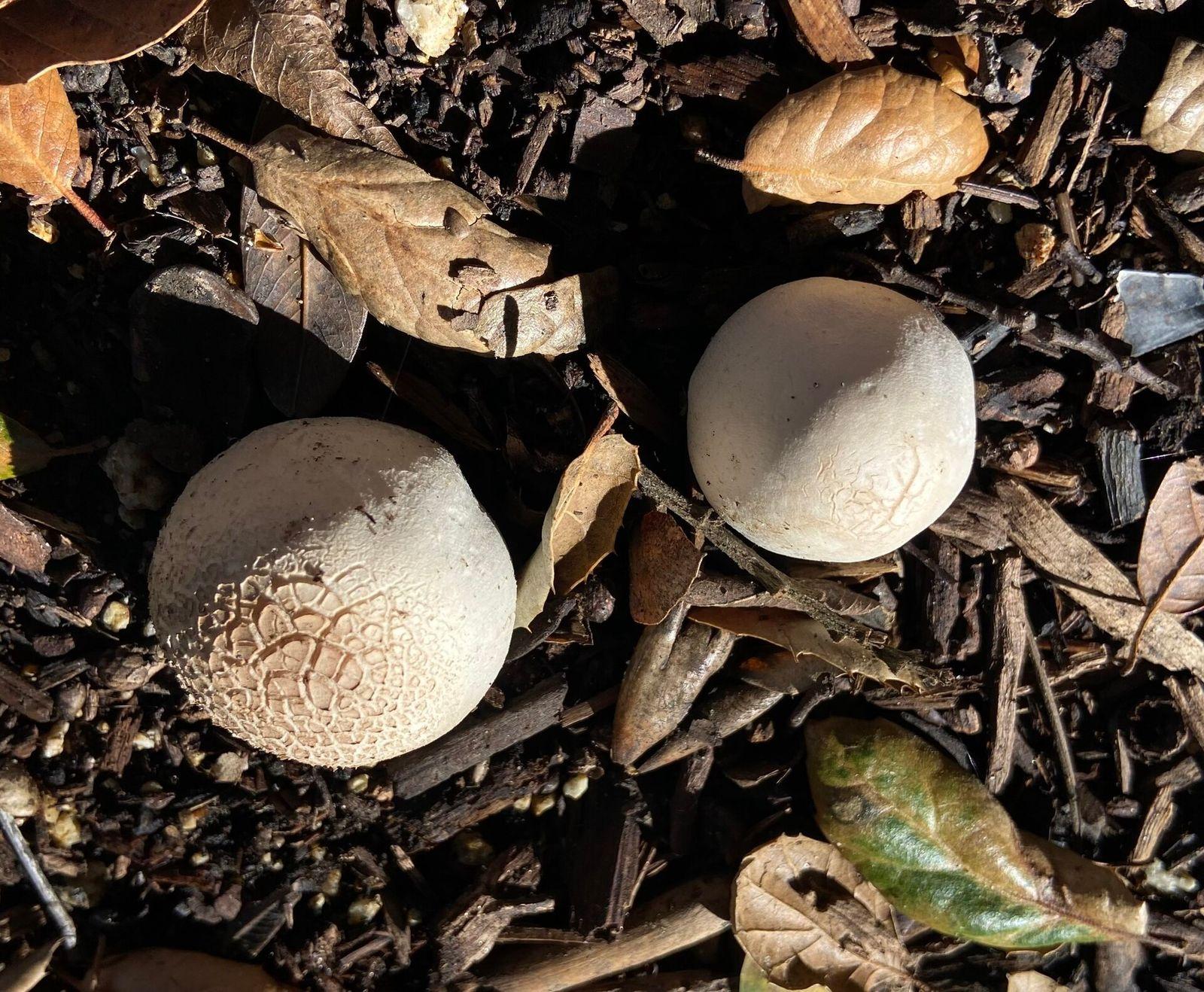
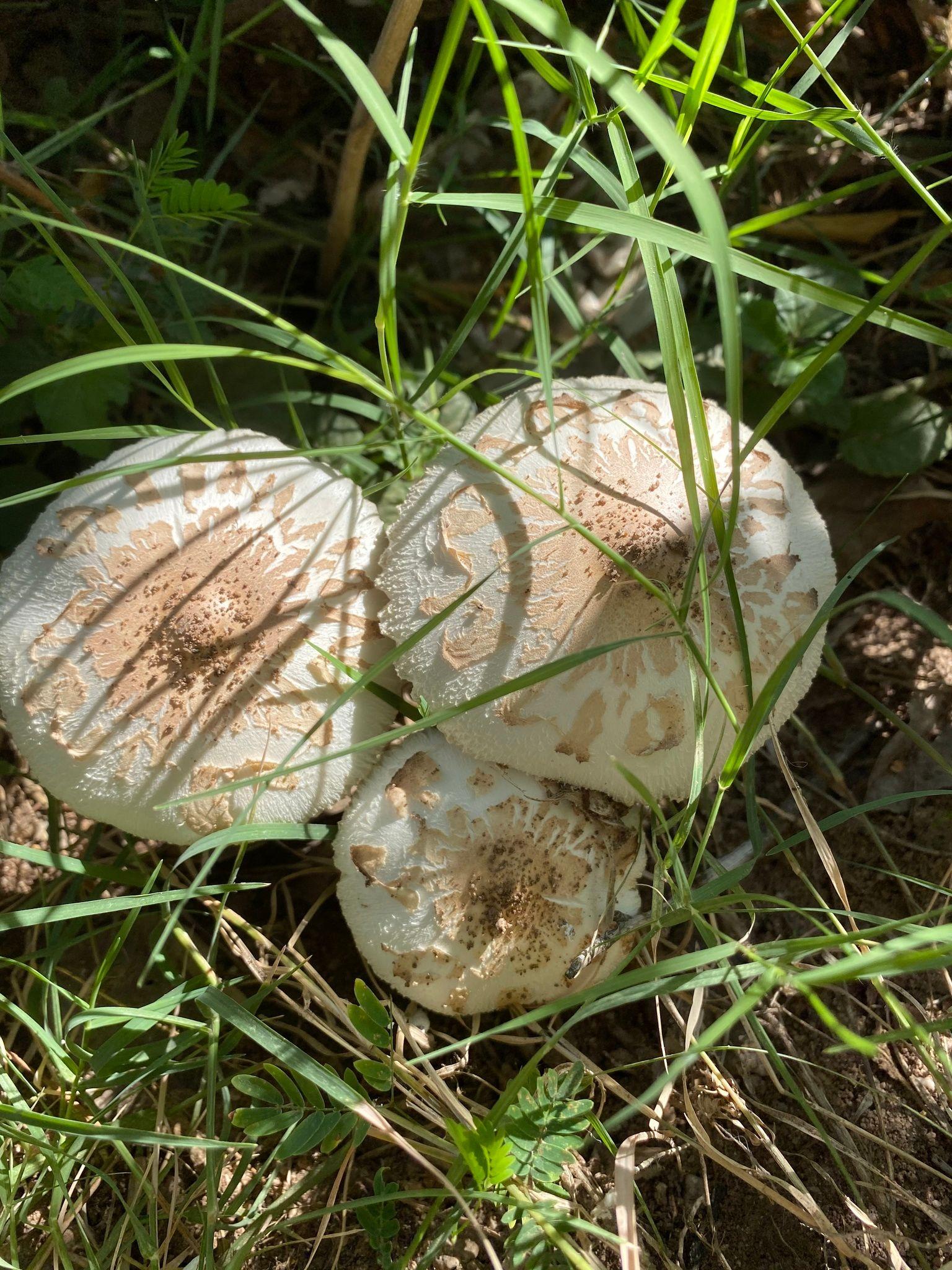
Rounded at first, flattening with age, 2 to 4 inches across. White and smooth in the common cultivated strain; light to dark brown with flattened fibers or scales in brown strains and most wild collections.
Underside
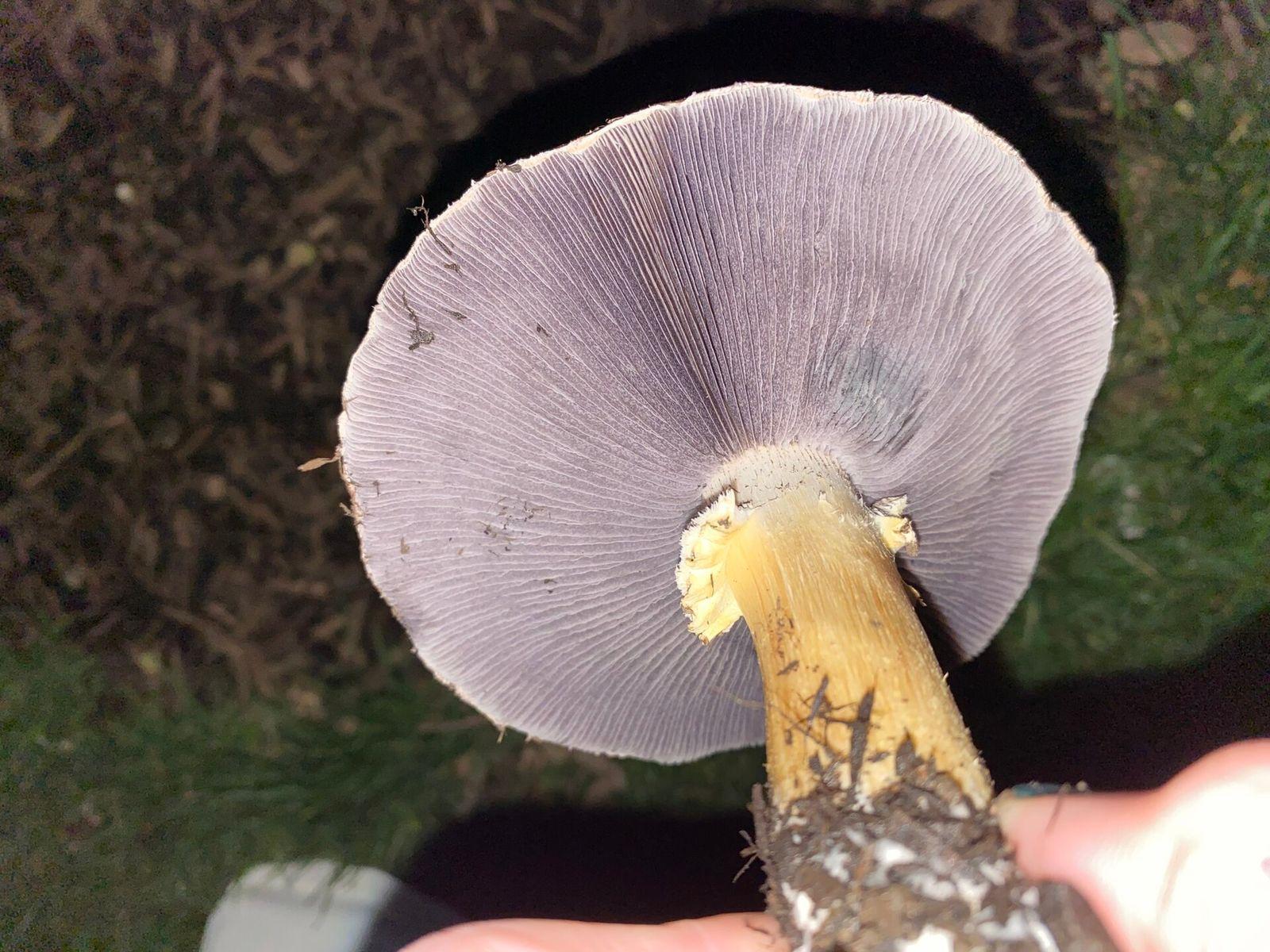
Gills free from the stem and crowded. Pale pink in young buttons, turning chocolate brown and finally blackish brown as the spores mature.
Stem
White, smooth, thick and fairly short, with a thin membranous ring partway up. The base is plain, with no sac or cup.
Flesh
White and firm, sometimes bruising slightly pinkish or reddish brown when cut. Smell mild, with no chemical or phenol odor.
Spore print
Chocolate brown.
Size
Cap 2 to 4 inches (5 to 10 cm), up to 6 inches (15 cm) in portobellos; stem 1 to 3 inches (2.5 to 8 cm) tall.

Where and when

Where and when it grows

Habitat
Wild fruitings appear in compost, manure piles, roadsides, gardens and other disturbed, nitrogen-rich ground, and under cypress and other planted trees in California. Commercial crops are grown indoors on pasteurized compost.
Grows on
Compost, manure and rich soil.
Season
Cultivated year round. Wild fruitings appear after rain from spring through fall, and through the wet winter months on the West Coast.
Range
Grown commercially across North America; wild populations are scattered across the continent and are most often reported in California.

Edibility

What the field guides say

Edible

Field guides list the button mushroom as edible, and it is sold in nearly every grocery store. Wild specimens belong to the same species. Poisonings tied to wild collections usually involve white Amanita species, which contain amatoxins that destroy the liver, or the yellow stainer, which causes gastrointestinal illness.

This page states what field guides record. It is not advice to eat, taste or handle anything, and a photo cannot settle edibility. If someone has eaten a wild mushroom that may be toxic, call poison control (1-800-222-1222 in the US) right away, before symptoms start: the deadliest species act hours later.

FAQ

Questions about the button mushroom

Are cremini and portobello the same as button mushrooms?

Yes. Cremini are a brown strain of Agaricus bisporus picked young, and portobellos are the same brown strain left to open fully. White button mushrooms are a white strain of the same species.

Do button mushrooms grow wild?

Yes. Agaricus bisporus grows wild in compost, manure, gardens and disturbed ground across North America, and is most often reported in California. Wild collections are usually brown and scaly rather than smooth and white.

How do you tell a button mushroom from a death cap?

Look at the gills, the spore print and the stem base. A button mushroom has pink to chocolate brown gills, a chocolate brown spore print and a plain base. Death caps and destroying angels have white gills, a white spore print and a sac-like cup at the base.

Sources

Where these facts come from

  1. Agaricus bisporus

    MushroomExpert.com

  2. Agaricus bisporus

    MykoWeb, California Fungi

  3. Agaricus bisporus

    Index Fungorum

Waitlist

Hear when it opens

We will send one email when Mushrooms.id opens, and nothing else.

Email us to join

This opens your email app with the request written for you. Send it and we add you to the list. No email app? Write to hello@mushrooms.id with the subject “Add me to the Mushrooms.id waitlist”.