Green-Spored Parasol

Chlorophyllum molybdites

Toxic

Also called false parasol, green-spored lepiota, vomiter.

The green-spored parasol is a large white lawn mushroom with brown scales and gills that turn gray-green as it matures. It is the mushroom most often behind poisonings reported in North America, usually because it is mistaken for a parasol or a meadow mushroom.

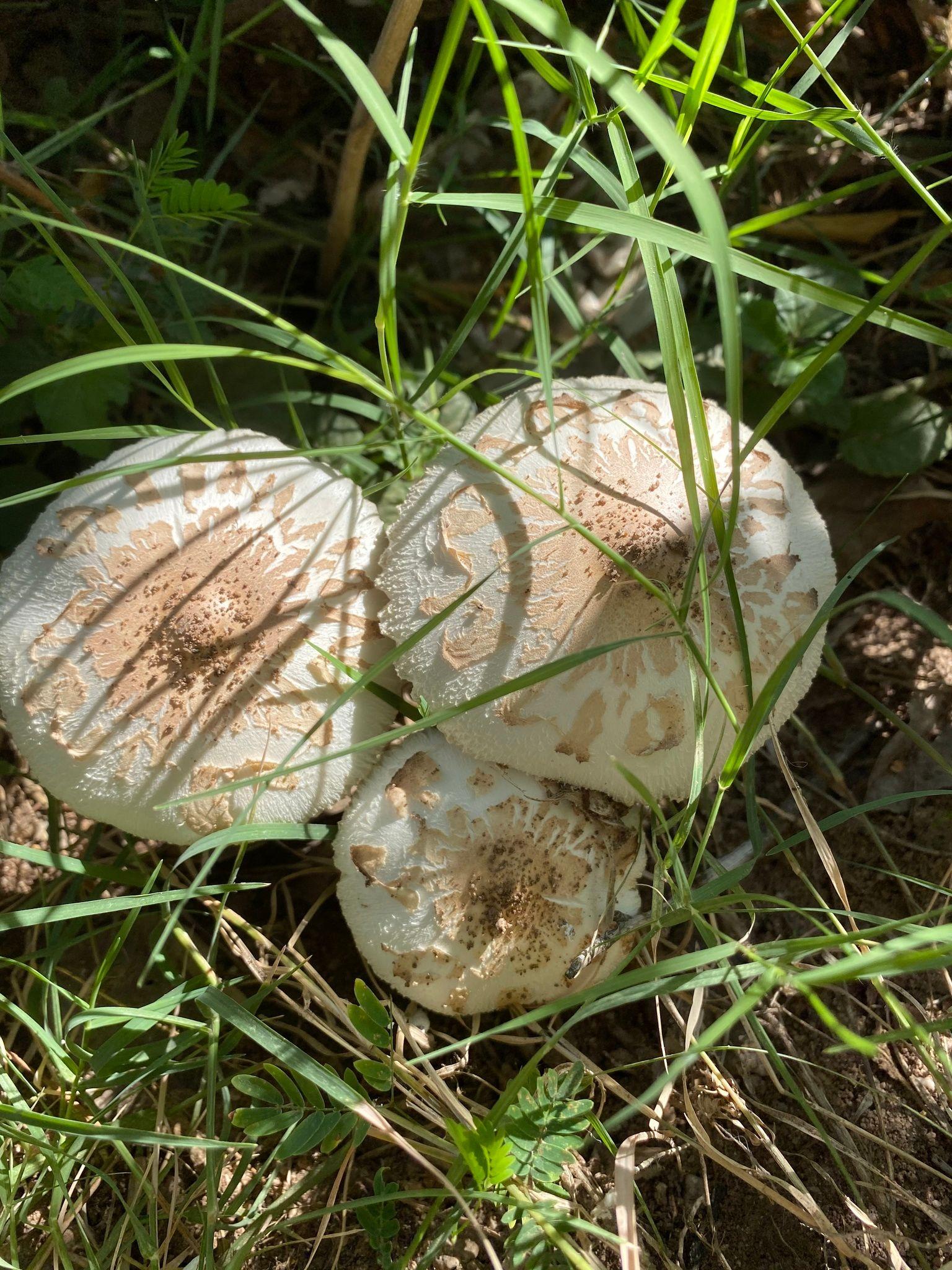
Three pale, rounded green-spored parasol caps with brown scales nestled in tall grass

The tell

Large white cap with brown scales on lawns, gills that turn gray-green with age, and a green spore print.

Field marks

What to look at

Cap, underside and stem show in a photo. The spore print does not, and it is often the deciding check.

Cap
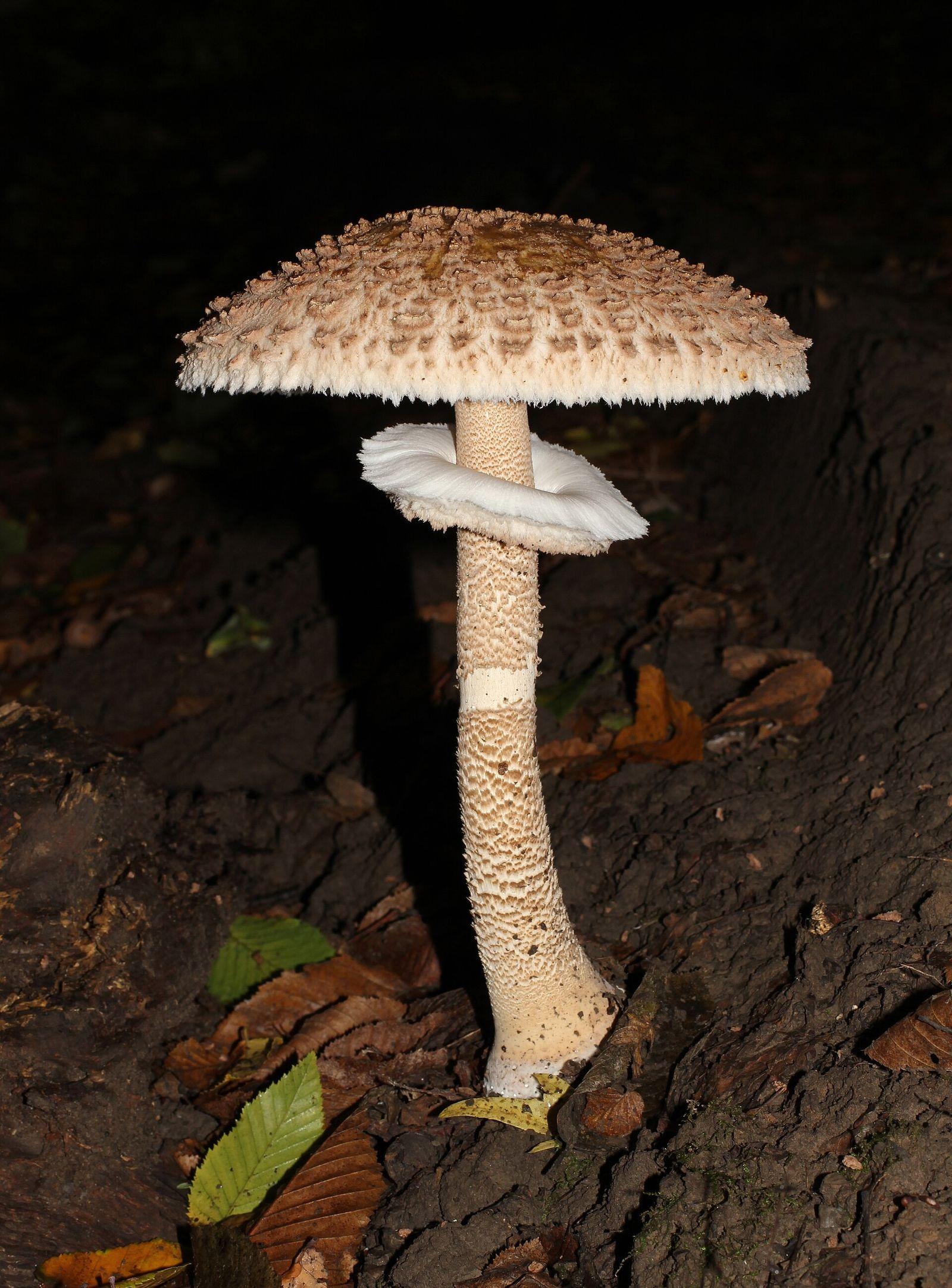
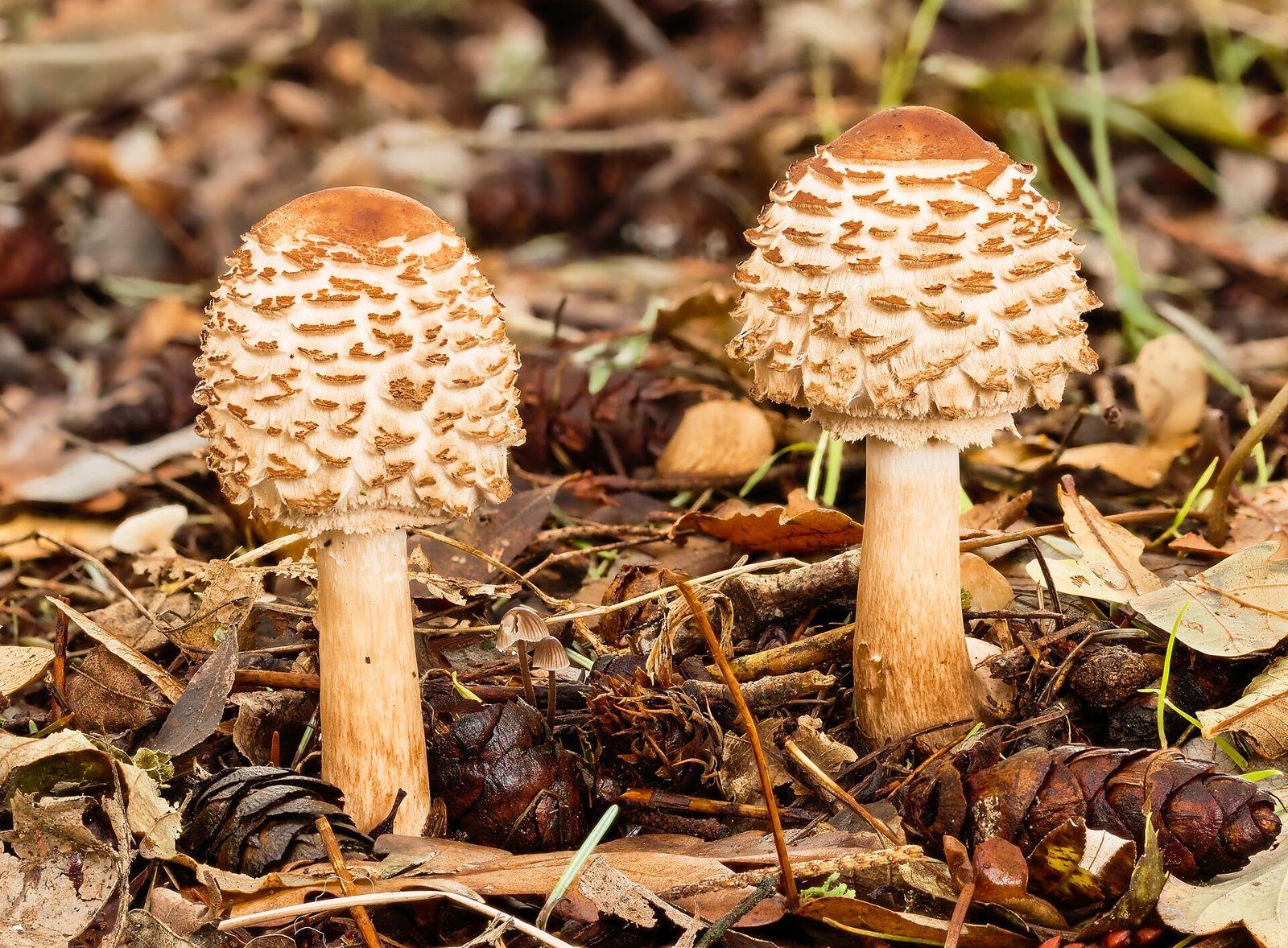
Rounded at first, then convex to flat. White, with a brown patch at the center that breaks up into brown scales toward the edge as the cap expands.
Underside
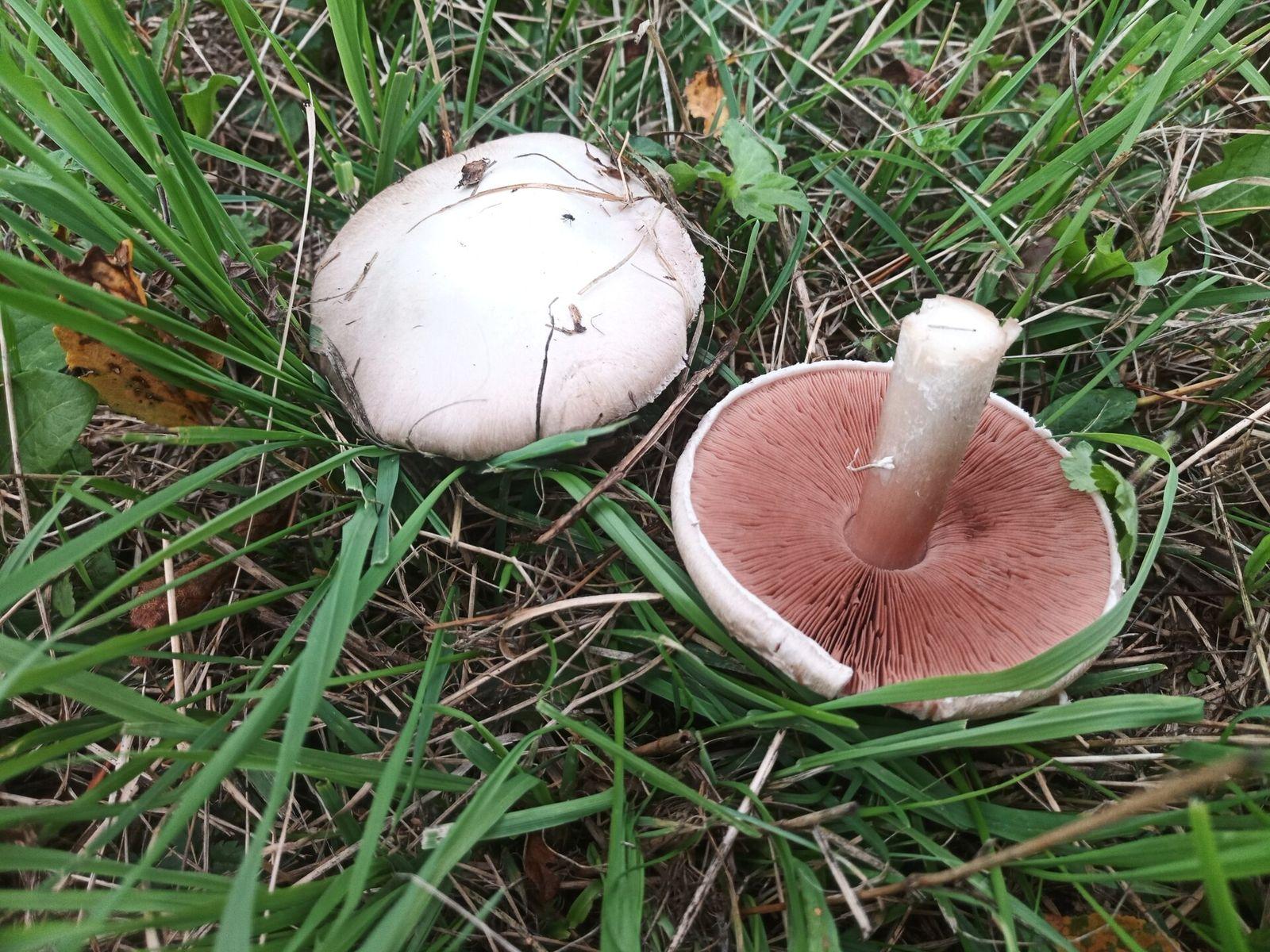
Gills free from the stem, crowded, white when young and turning grayish green to olive as the spores mature.
Stem
White, smooth, often bruising brownish, slightly swollen at the base, with a thick, double-edged ring that can slide up and down the stem. No cup.
Flesh
Thick and white, either unchanging when sliced or staining reddish brown to pale pinkish red in the stem base. Smell mild.
Spore print
Green to grayish olive.
Size
Cap 3 to 12 inches wide (7.5 to 30 cm); stem 2 to 10 inches tall (5 to 25 cm).

Where and when

Where and when it grows

Habitat
Lawns, pastures, parks and golf courses, often in rings or arcs after summer rain.
Grows on
Soil in grass.
Season
Summer through fall, in warm, wet weather.
Range
Common in the eastern and southern United States and California, and spreading north.

Edibility

What the field guides say

Toxic

The green-spored parasol causes severe gastrointestinal poisoning. Field guides record vomiting, diarrhea and cramps beginning one to three hours after the meal, sometimes severe enough to need hospital care. It is the species most often named in mushroom poisoning reports in North America. The toxin has not been fully characterized. Young specimens with white gills are the ones most often mistaken for edible parasols.

This page states what field guides record. It is not advice to eat, taste or handle anything, and a photo cannot settle edibility. If someone has eaten a wild mushroom that may be toxic, call poison control (1-800-222-1222 in the US) right away, before symptoms start: the deadliest species act hours later.

FAQ

Questions about the green-spored parasol

Is the green-spored parasol poisonous?

Yes. It causes severe vomiting and diarrhea within a few hours of being eaten, and some cases need hospital care. It is the mushroom most often named in poisoning reports in North America.

How do you identify Chlorophyllum molybdites?

It is a large white mushroom with brown scales on the cap, a thick movable ring, and gills that turn gray-green with age. A spore print is the clearest test: green to grayish olive, where parasols and shaggy parasols leave a white print.

Why do these mushrooms grow in my lawn?

The green-spored parasol feeds on organic matter in soil under grass. It often fruits in rings or arcs after warm summer rain and returns to the same lawns year after year.

Sources

Where these facts come from

  1. Chlorophyllum molybdites

    MushroomExpert.com

  2. Green-Spored Lepiota

    Missouri Department of Conservation

  3. Chlorophyllum molybdites

    MykoWeb, California Fungi

Waitlist

Hear when it opens

We will send one email when Mushrooms.id opens, and nothing else.

Email us to join

This opens your email app with the request written for you. Send it and we add you to the list. No email app? Write to hello@mushrooms.id with the subject “Add me to the Mushrooms.id waitlist”.