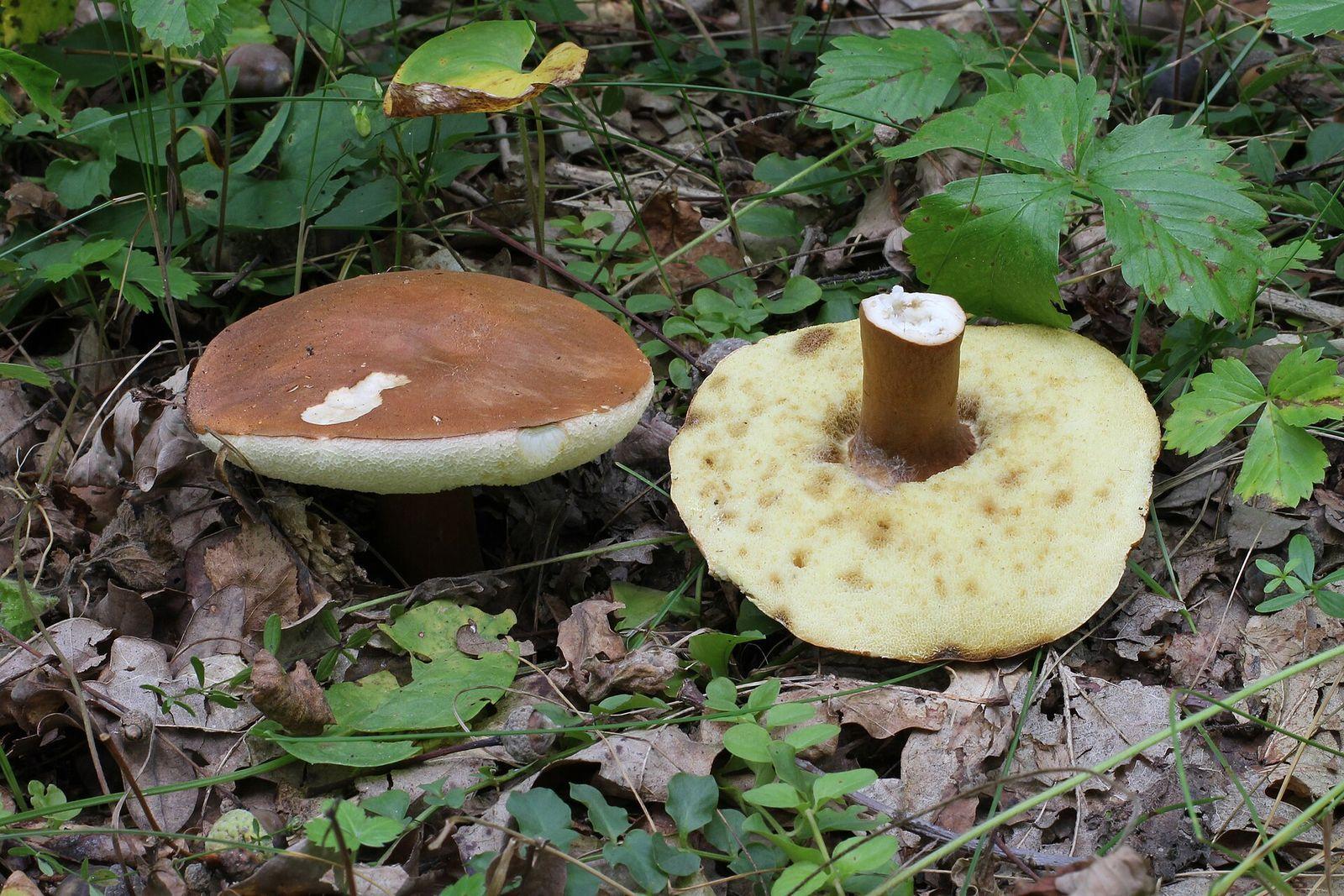
Edible
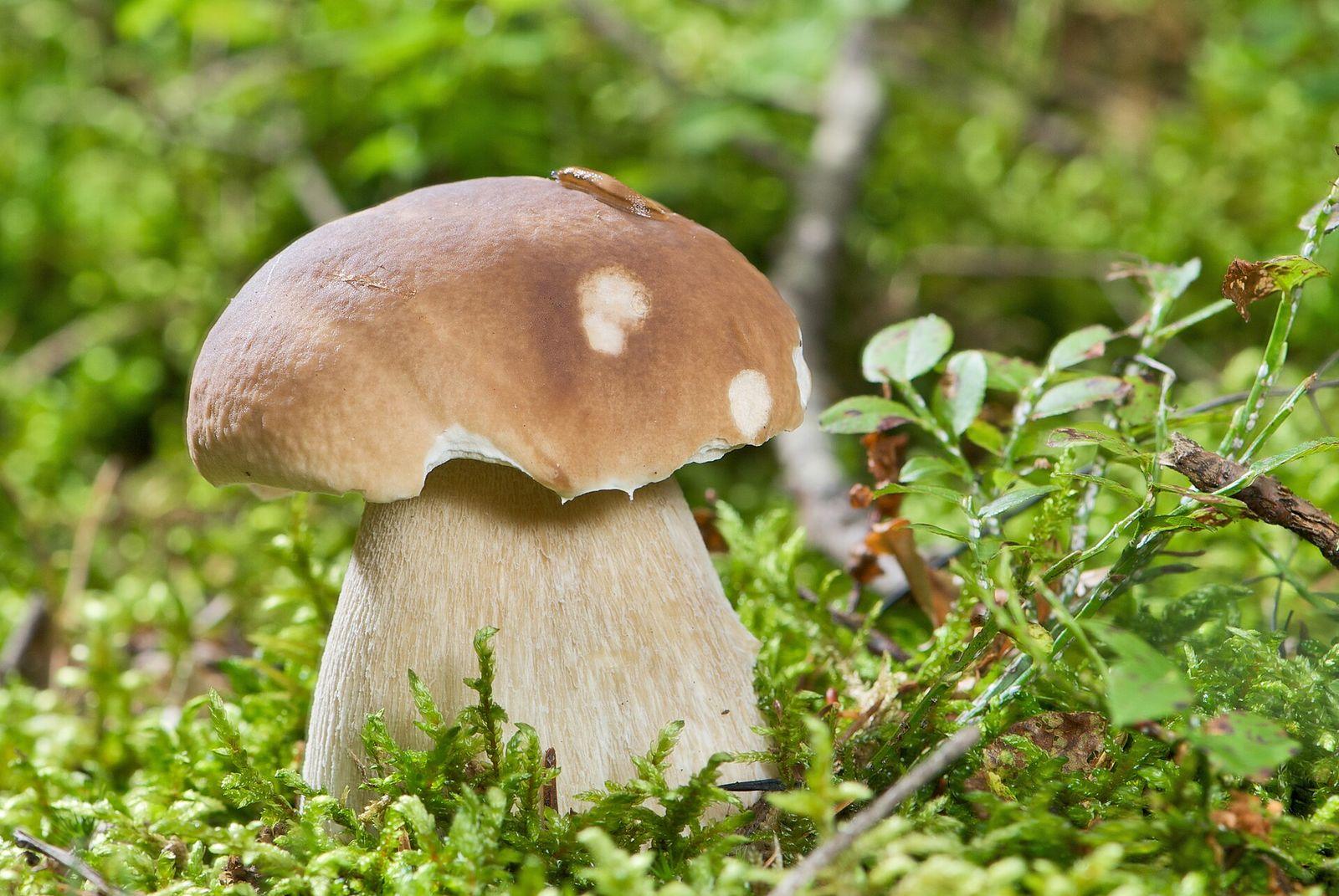
King Bolete
Boletus edulis
The king bolete's pores go from white to olive-yellow, never pink, and its stem has a fine white net rather than a coarse brown one.
Tylopilus felleus
Also called bitter tylopilus.
The bitter bolete is a large brown bolete that looks enough like a king bolete to fool people, until the pores turn pink. It is not known to be dangerous, but it is so bitter that field guides list it as inedible.
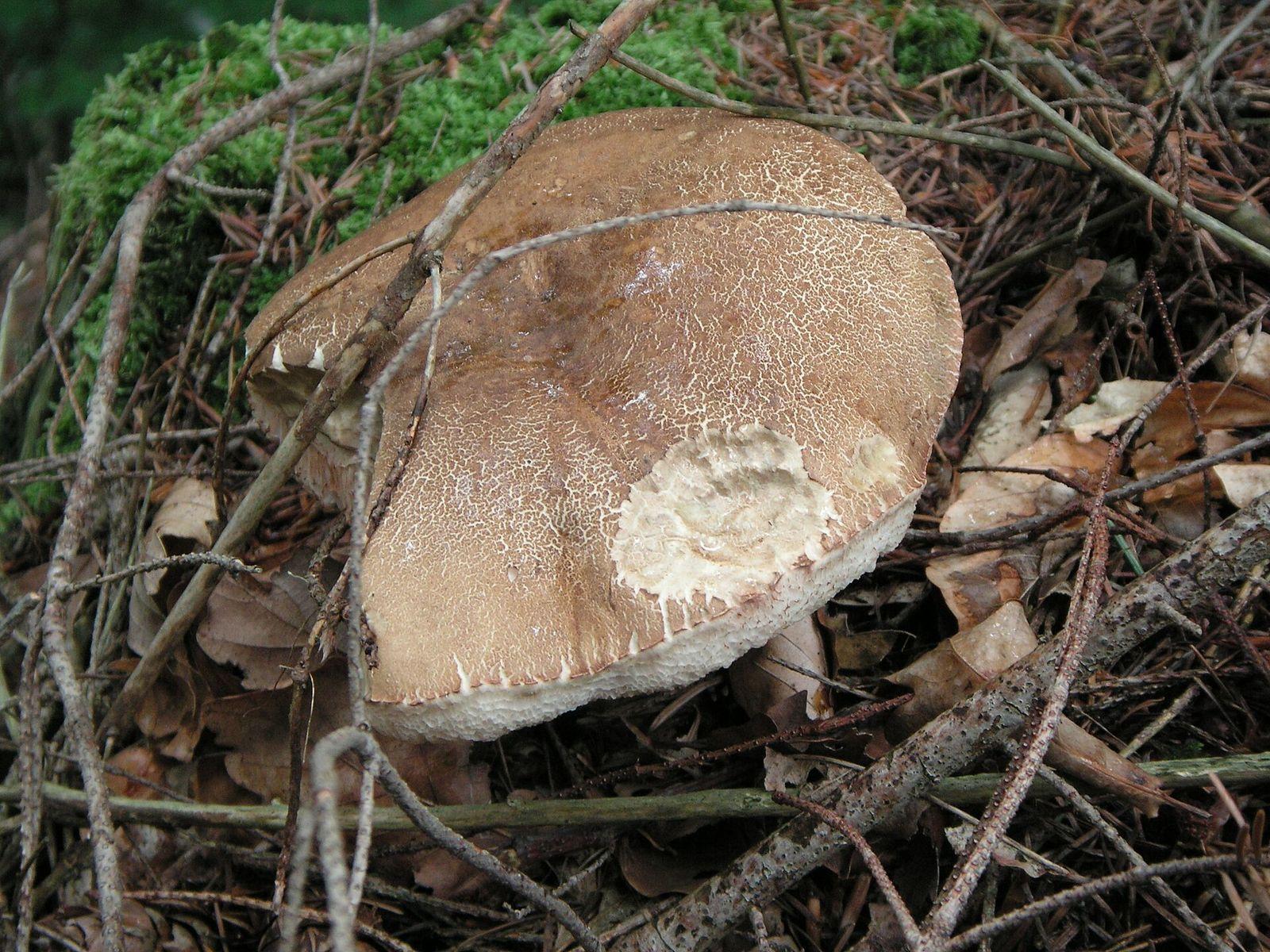
The tell
A brown bolete with pinkish pores and a coarse, dark brown net on the stem.
Field marks
Cap, underside and stem show in a photo. The spore print does not, and it is often the deciding check.
Where and when
Lookalikes
Each card says how to tell the two apart.
Boletus edulis
The king bolete's pores go from white to olive-yellow, never pink, and its stem has a fine white net rather than a coarse brown one.
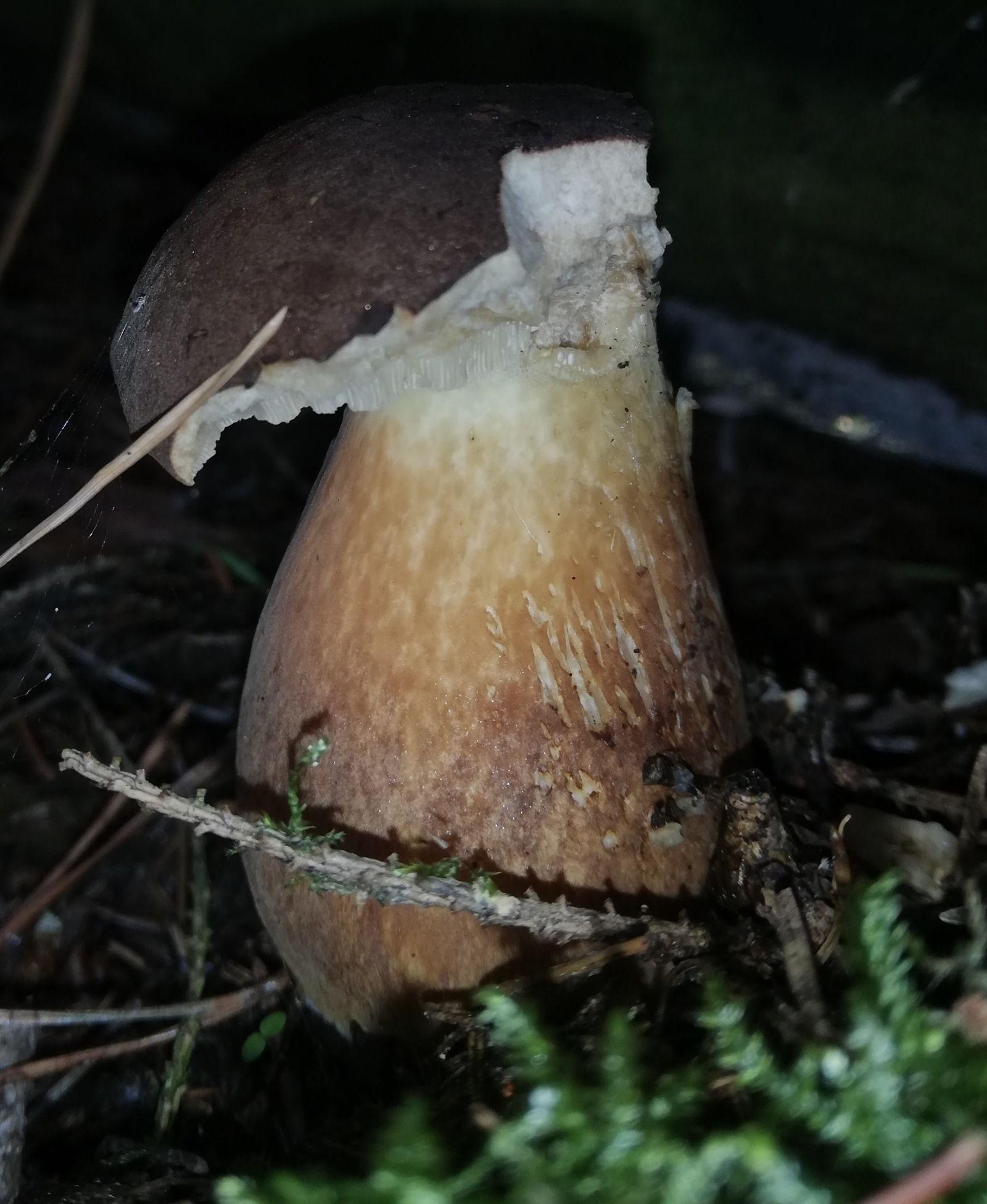
Imleria badia
The bay bolete has pale yellow pores that bruise blue-green and a smooth stem with no netting.
Leccinum insigne
Photo coming
Leccinum insigne
Leccinum species have stems covered in small dark scabers rather than a net pattern, and their caps are often orange.
Edibility
Field guides list the bitter bolete as inedible because of its intense bitterness, which persists through cooking. It is not known to be seriously toxic. One specimen can make a whole dish of other boletes inedibly bitter, which is why guides describe it alongside the king bolete.
This page states what field guides record. It is not advice to eat, taste or handle anything, and a photo cannot settle edibility. If someone has eaten a wild mushroom that may be toxic, call poison control (1-800-222-1222 in the US) right away, before symptoms start: the deadliest species act hours later.
FAQ
It is not known to be seriously toxic, but field guides list it as inedible because its flesh is intensely bitter, and the bitterness does not cook out.
Look for a brown cap, pores that turn pinkish with age, a stem covered in a coarse net that is darker brown than the stem, and a pinkish-brown spore print. The flesh does not bruise blue.
Bitter bolete pores turn pink and its stem has a coarse, dark brown net. King bolete pores stay white to olive-yellow and its net is fine and white, usually only near the top of the stem.
Sources
MushroomExpert.com
Missouri Department of Conservation
Index Fungorum
Waitlist
We will send one email when Mushrooms.id opens, and nothing else.
This opens your email app with the request written for you. Send it and we add you to the list. No email app? Write to hello@mushrooms.id with the subject “Add me to the Mushrooms.id waitlist”.