Deadly
Deadly Galerina
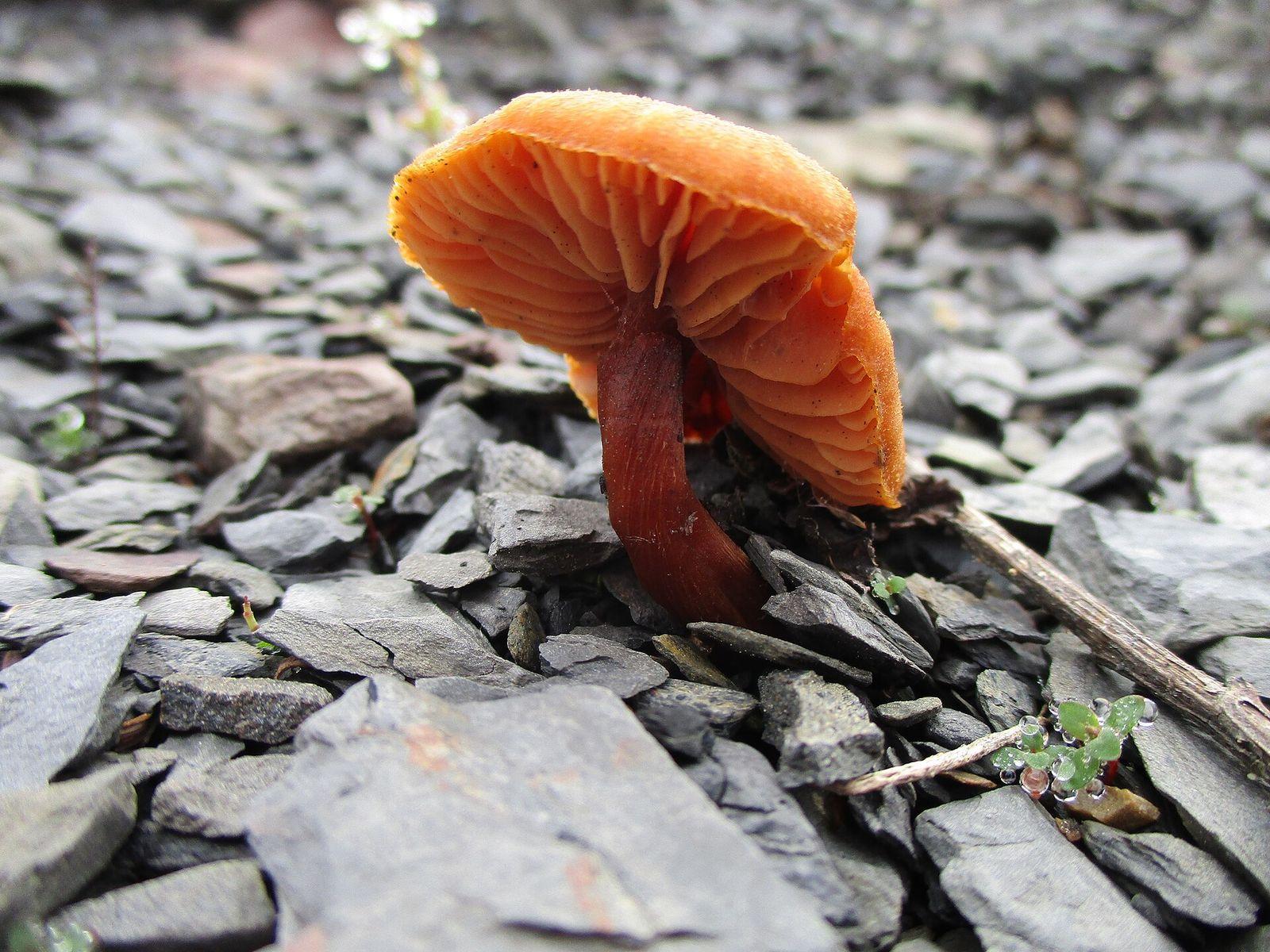
Galerina marginata
Galerina is smaller and brown rather than brick red, has a ring on the stem, and leaves a rusty brown spore print instead of purple-brown. It contains amatoxins.
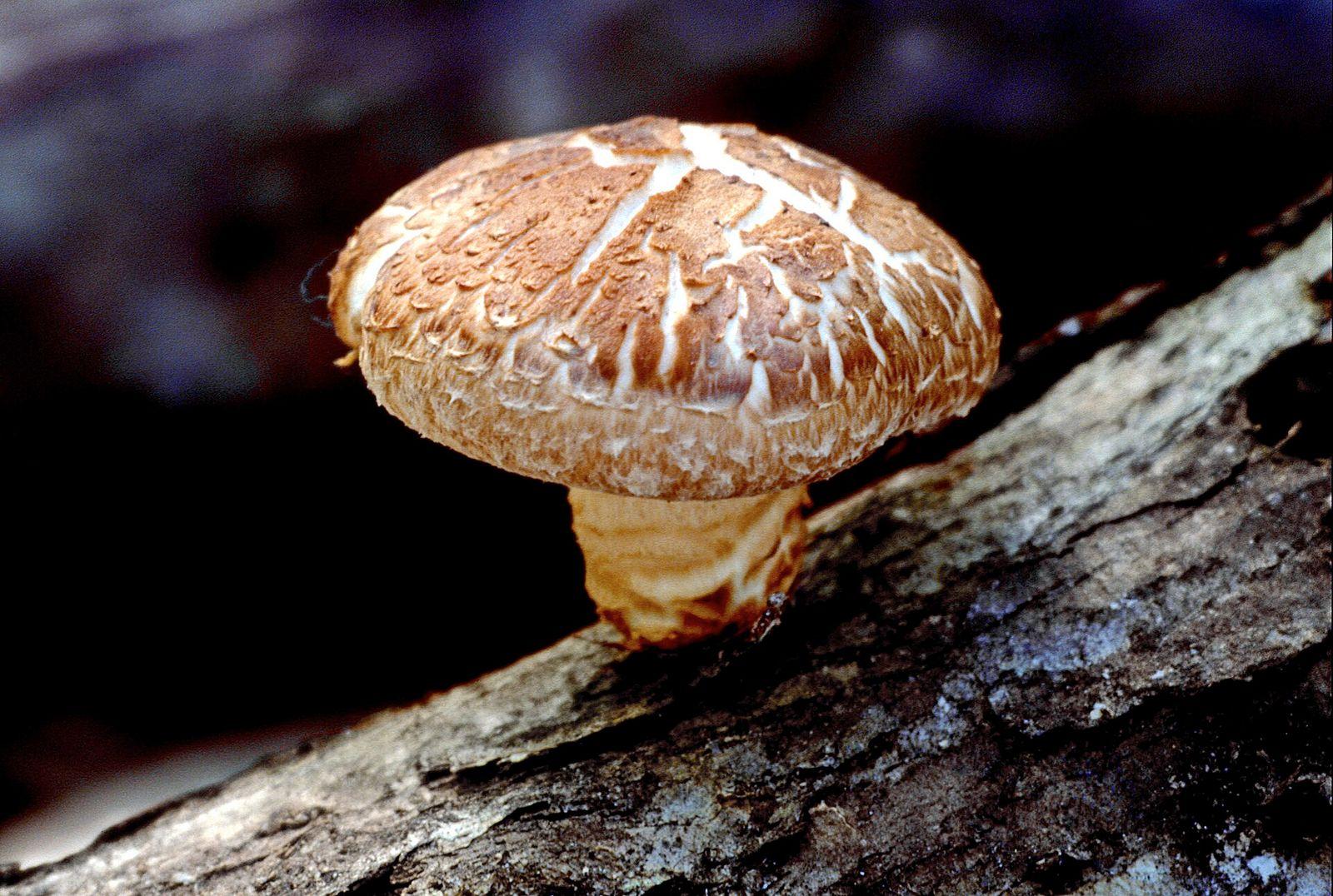
Hypholoma lateritium
Also called brick tuft, brick top, hypholoma sublateritium.
The brick cap grows in clusters on dead hardwood stumps and logs, often after the first frosts. Its brick-red cap and gray to purple-brown gills separate it from the bitter, poisonous sulphur tuft, which looks similar and grows in the same places.
The tell
Clusters of brick-red caps with a paler edge on hardwood stumps late in the fall, with grayish gills and a purple-brown spore print.
Field marks
Cap, underside and stem show in a photo. The spore print does not, and it is often the deciding check.
Where and when
Lookalikes
Each card says how to tell the two apart.
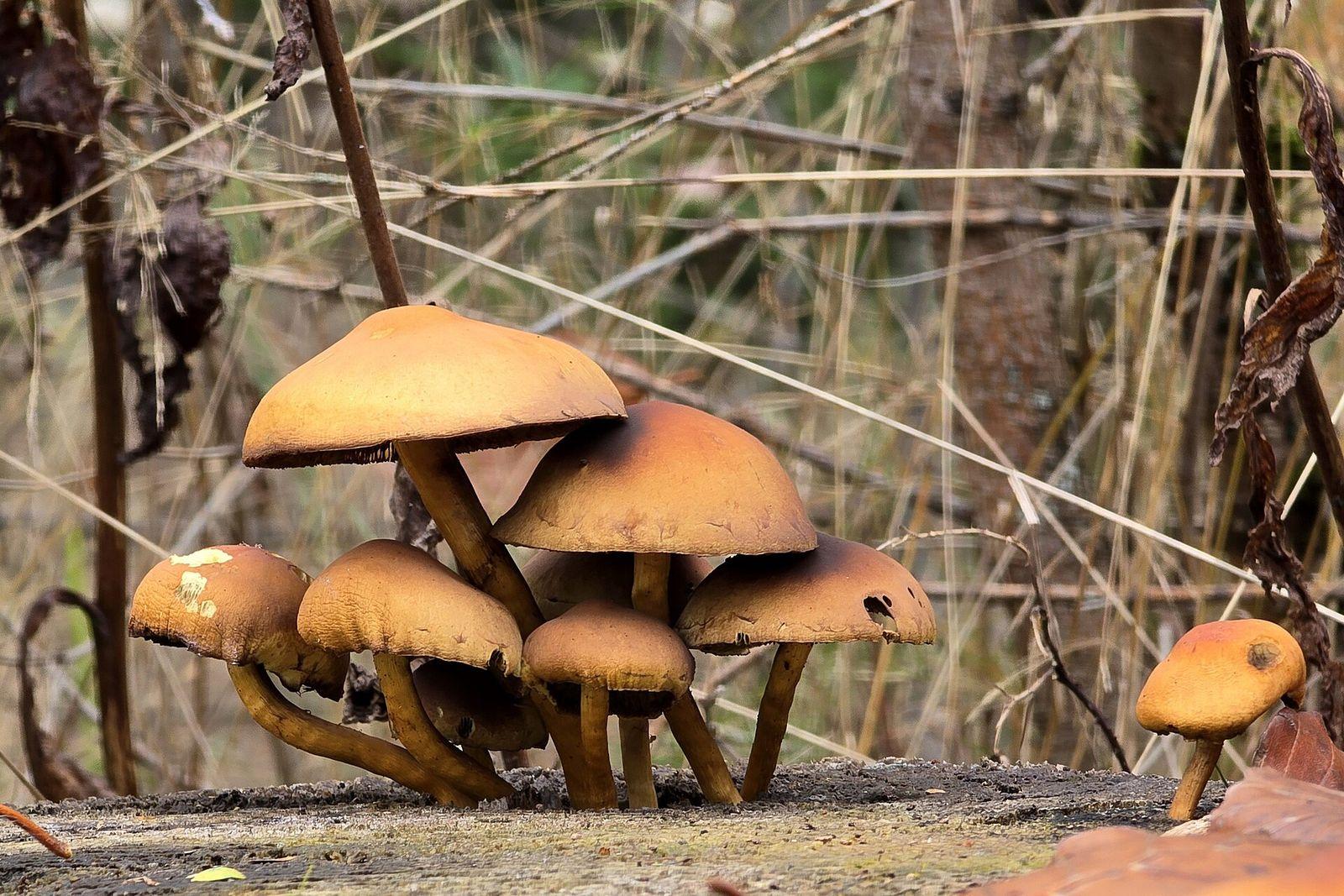
Galerina marginata
Galerina is smaller and brown rather than brick red, has a ring on the stem, and leaves a rusty brown spore print instead of purple-brown. It contains amatoxins.
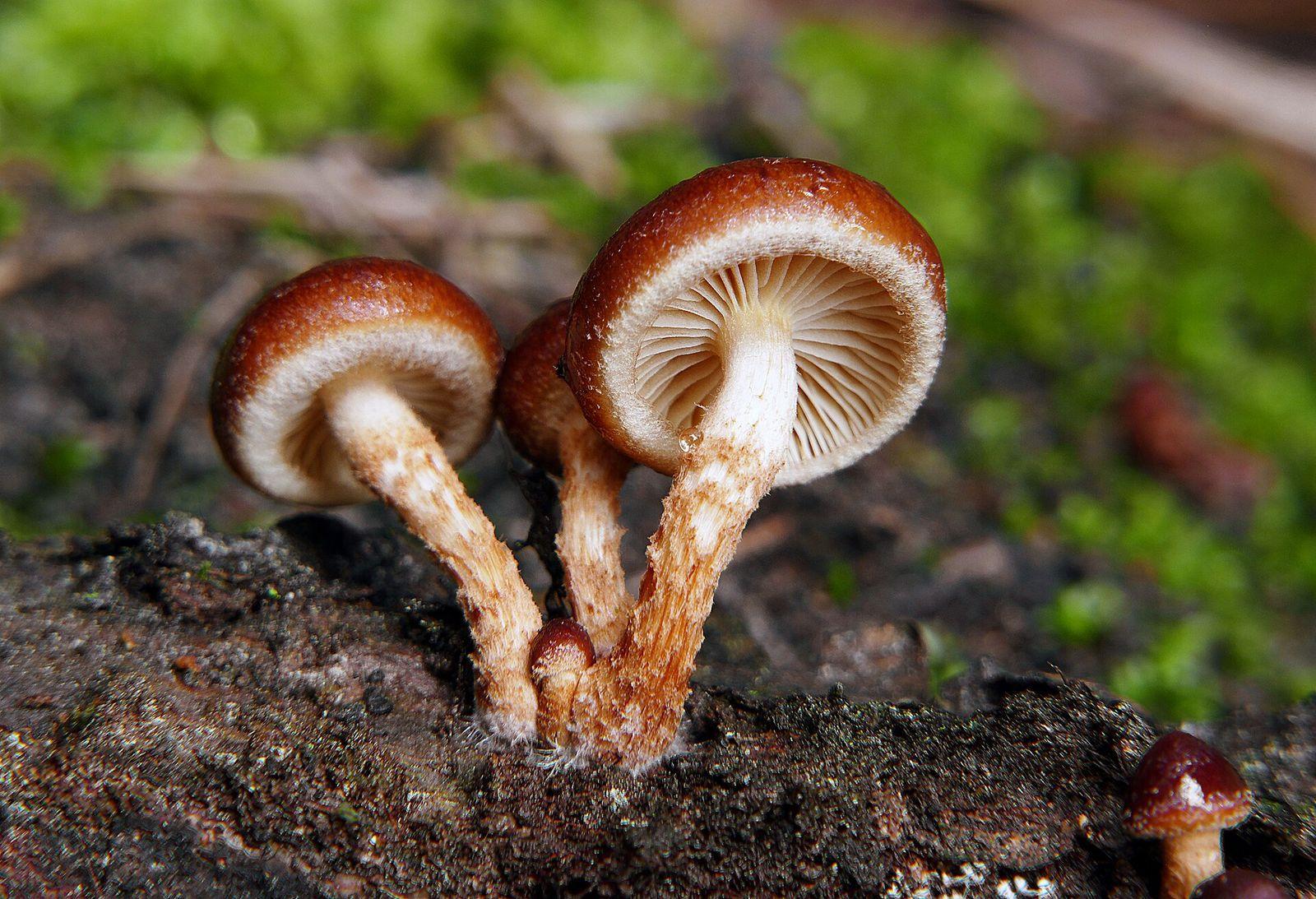
Hypholoma fasciculare
Sulphur tuft has a sulfur-yellow cap and greenish-yellow gills, and its flesh is intensely bitter. Both share a purple-brown spore print, so gill color is the key.
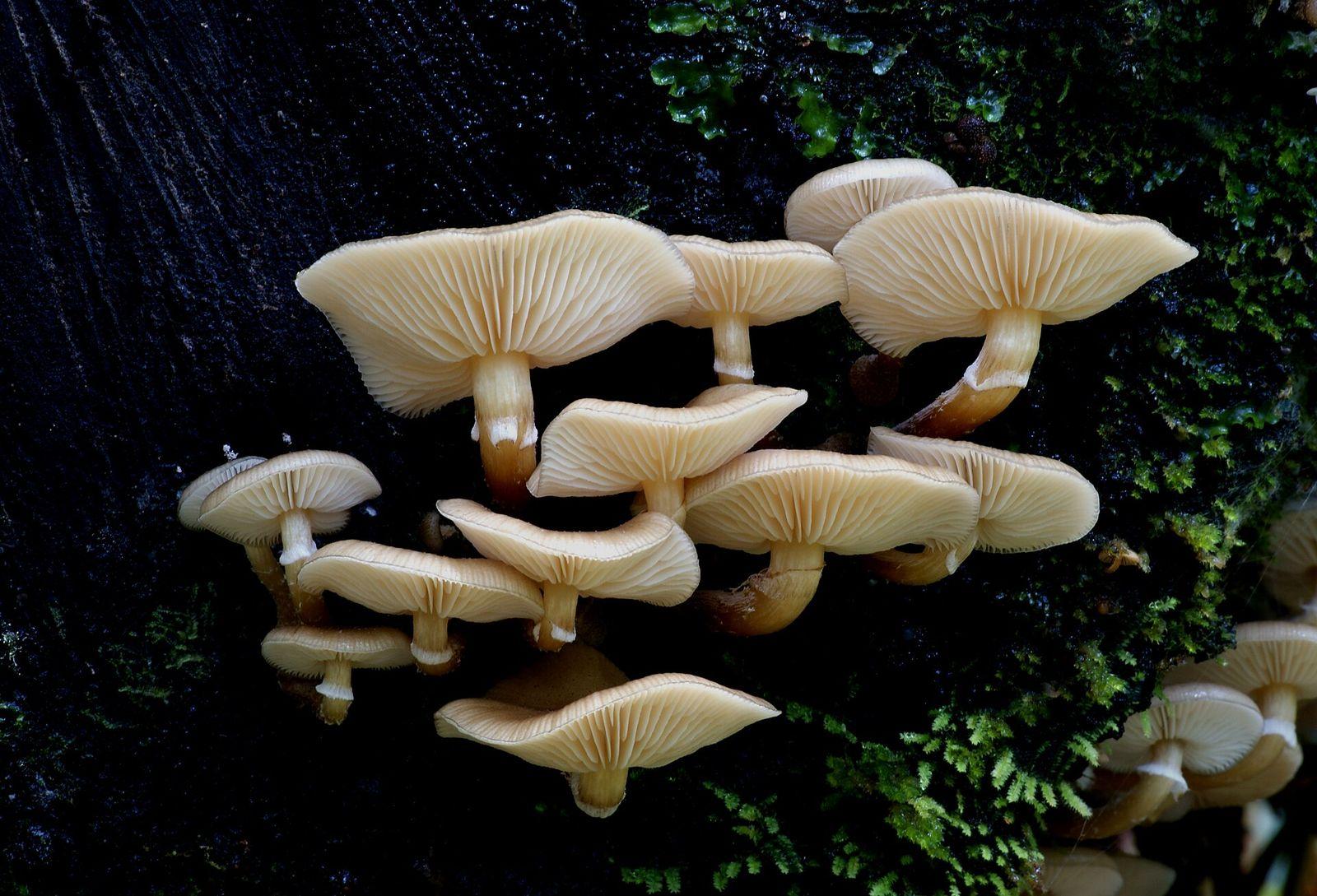
Armillaria mellea
The honey mushroom has white gills, a distinct ring on the stem and a white spore print.
Edibility
North American field guides list the brick cap as edible. Because it shares a spore print color and habitat with the poisonous sulphur tuft, guides use cap and gill color to tell them apart.
This page states what field guides record. It is not advice to eat, taste or handle anything, and a photo cannot settle edibility. If someone has eaten a wild mushroom that may be toxic, call poison control (1-800-222-1222 in the US) right away, before symptoms start: the deadliest species act hours later.
FAQ
North American field guides list it as edible. It is easily confused with sulphur tuft, which is poisonous and grows in the same kinds of clusters on dead wood.
Look for clusters on dead hardwood with brick-red caps that fade paler toward the edge, whitish veil remnants on young caps, grayish gills with no green tint, and a purple-brown spore print.
Late in the season, from late summer through late fall. It often keeps fruiting after the first frosts, when few other mushrooms are around.
Sources
MushroomExpert.com
Fungi Growing on Wood, Gary Emberger (MushroomExpert.com)
Index Fungorum
Waitlist
We will send one email when Mushrooms.id opens, and nothing else.
This opens your email app with the request written for you. Send it and we add you to the list. No email app? Write to hello@mushrooms.id with the subject “Add me to the Mushrooms.id waitlist”.